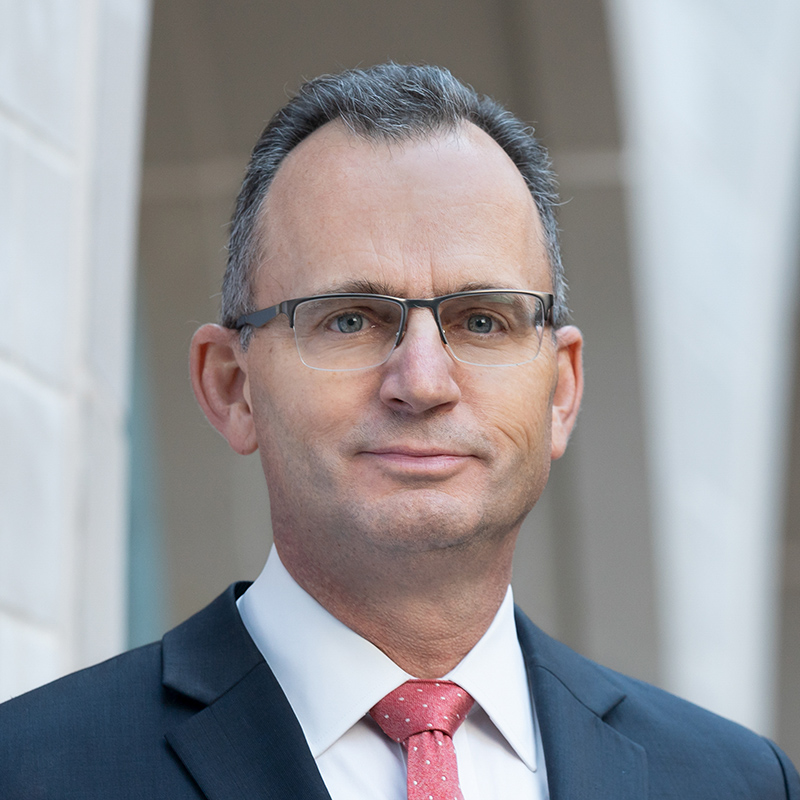
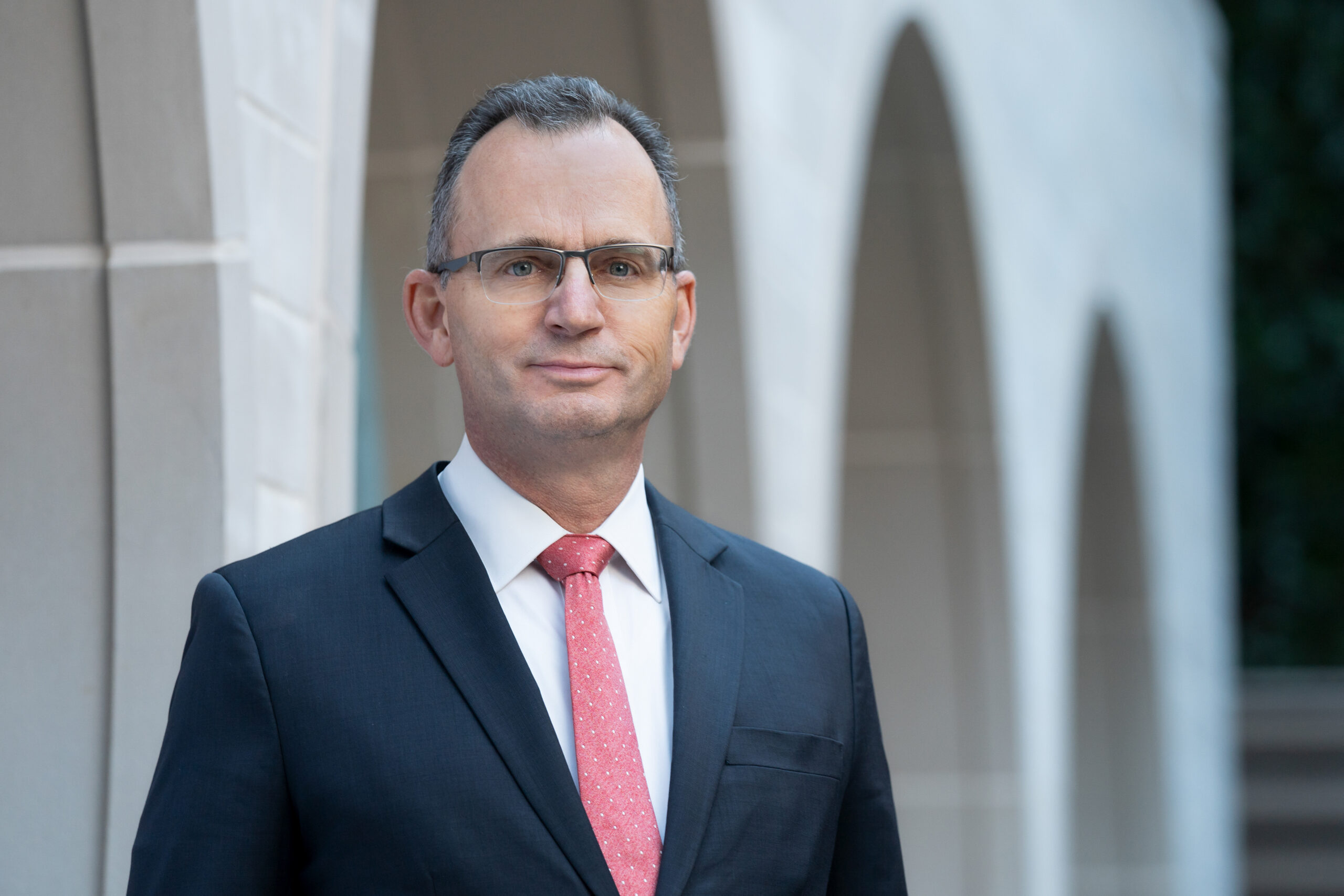
Paul Salem is a former Senior Fellow at the Middle East Institute (MEI). He previously served as MEI’s president and CEO and as vice president for international engagement. His research focuses on political change, democracy and governance, social and economic policy, as well as regional and international relations in the Middle East.
Prior to joining MEI, Dr. Salem was the founding director of the Carnegie Middle East Center in Beirut, Lebanon (2006–2013). From 1999 to 2006, he served as director of the Fares Foundation, and earlier founded and led the Lebanese Center for Policy Studies (1989–1999), Lebanon’s premier public policy think tank.
Dr. Salem is also a musician and composer of Arabic-Brazilian jazz, with his music available on iTunes. He writes regularly on his Substack blog, Thinking Middle East.
He holds a BA, MA, and PhD from Harvard University.
Watching Trump’s second term unfold from the Middle East
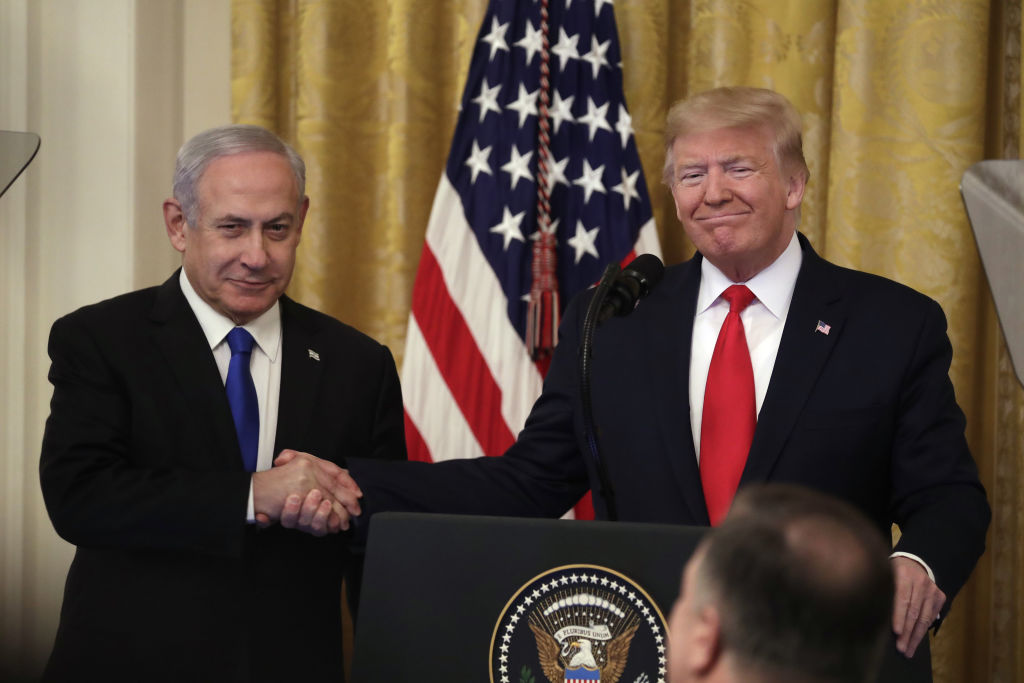
Observing the unfolding of President Donald Trump’s second term from the Middle East is as confusing and disorienting as it must be from the United States. In Palestine, Egypt, and Jordan, urgent concern is focused on Trump’s surprise plan to take over the Gaza Strip, displace its population, and rebuild it as the “Riviera of the Middle East.” In Israel, the right wing is extremely pleased with Trump’s gift, but they don’t know what he has planned for the West Bank. In the Arab Gulf monarchies, leaders are generally happy to be dealing with Trump again but are alarmed by the recklessness of his Gaza plan and concerned about the potential impact his energy and tariff policies could have on their economies.
With election of nationalist president, Lebanon moves to exit the Axis of Resistance
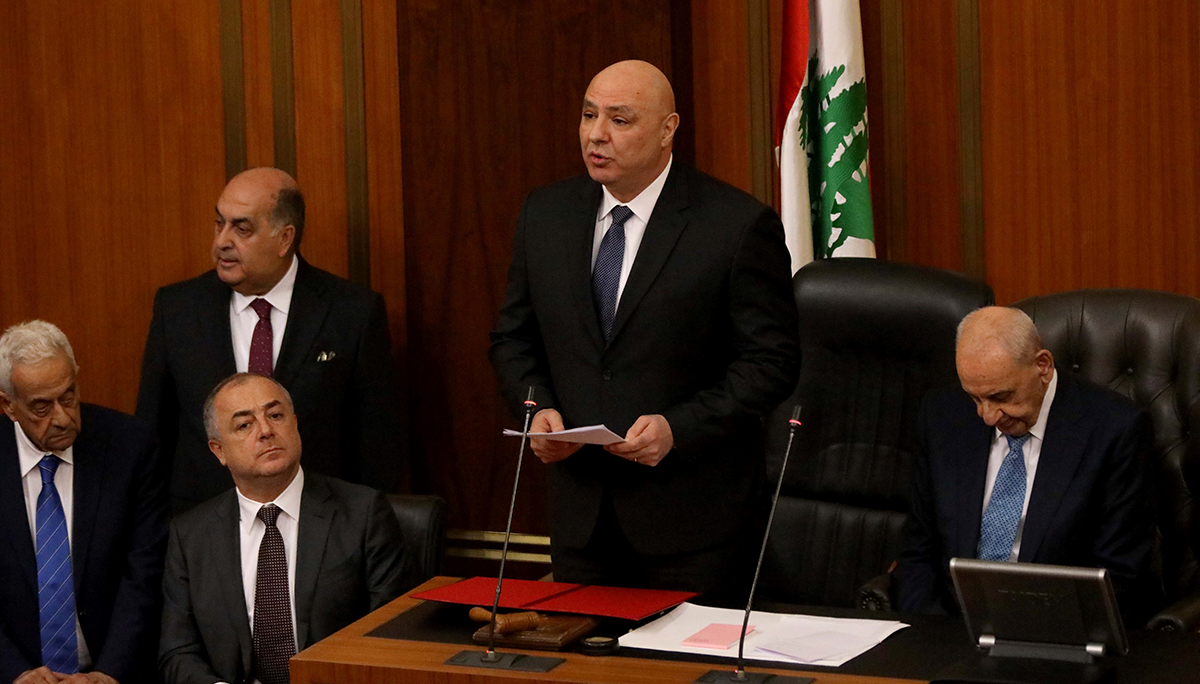
With a nearly unanimous 99 out of 128 votes, the Lebanese parliament elected the head of the army, Gen. Joseph Aoun, as Lebanon’s 14th president on Jan. 9. In a strong inaugural speech Aoun laid out an ambitious agenda premised on regaining the Lebanese state’s monopoly of the use of force, securing the country’s borders and ports, strengthening the rule of law, and encouraging a raft of long-overdue reforms.
Putting Lebanon back on the path of statehood and economic recovery is not only an urgent necessity for the Lebanese but also a step toward building a more peaceful and prosperous Middle East
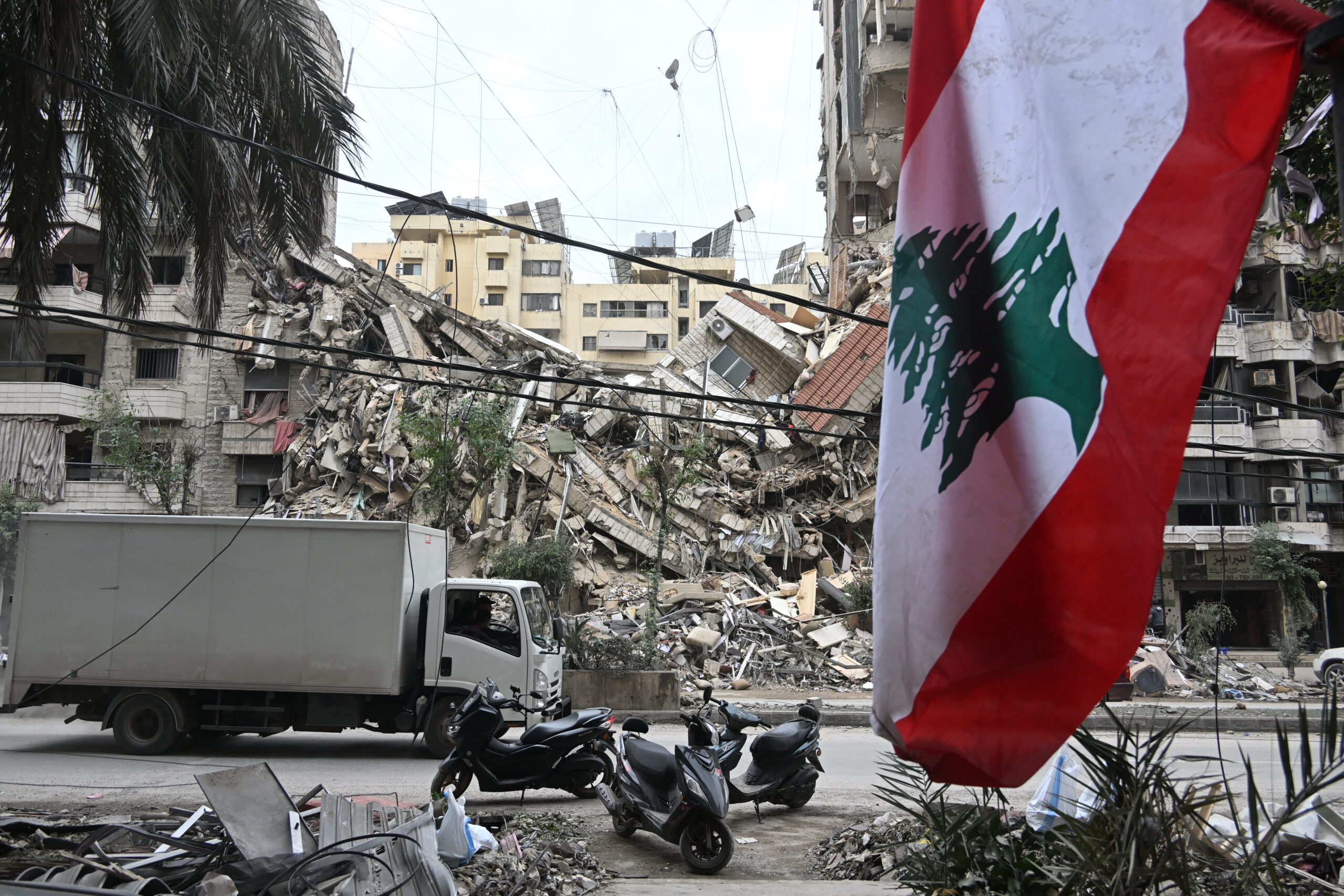
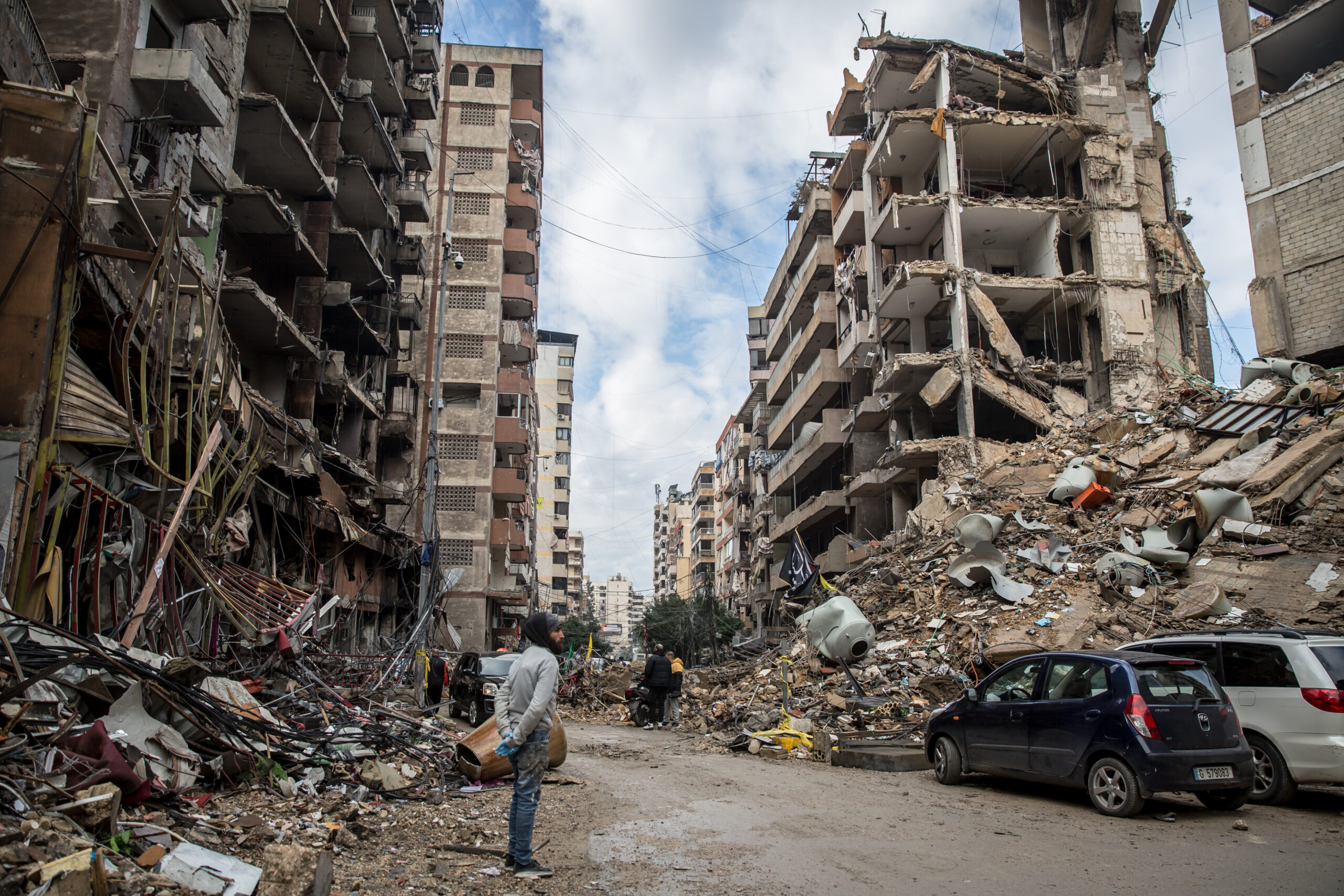
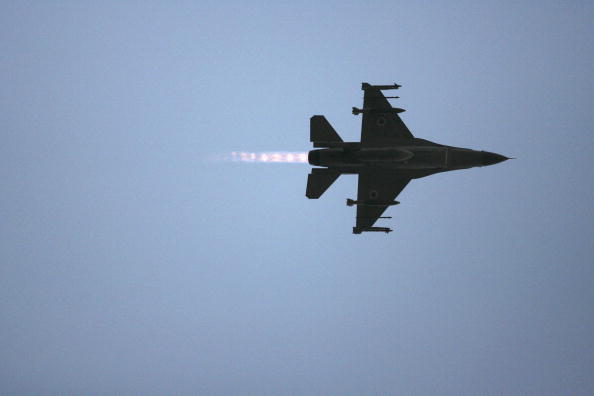
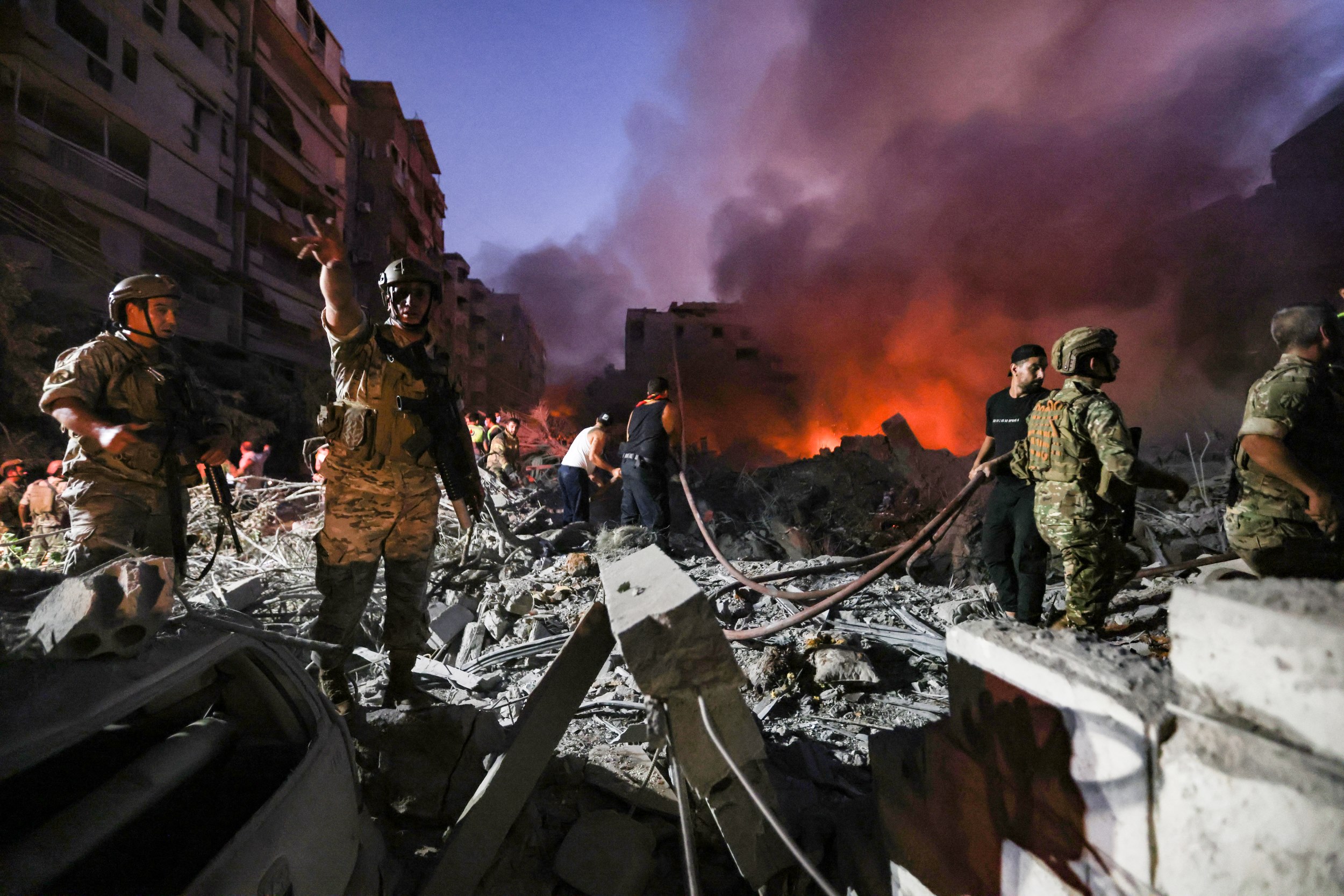
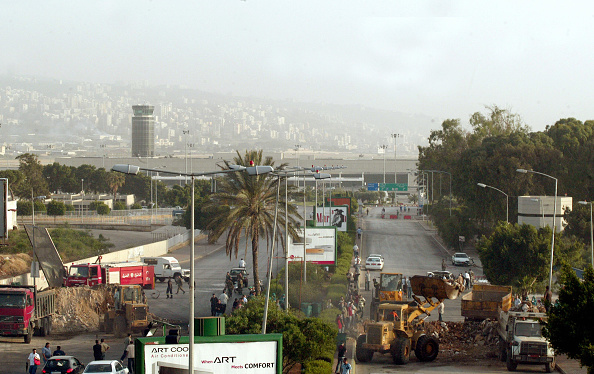
Last week, as I made my way to Beirut airport, I drove through bombed out streets in an empty city. The Lebanese national airline still bravely flew in and out, its planes weaving their way between Israeli airstrikes. I boarded my flight to attend a conference, hoping we would make it out safely. I left behind a population that had paid a very heavy price for 13 months of war between the Lebanese militant group Hezbollah and Israel: thousands of dead and injured, thousands of homes and businesses destroyed, and over 1.2 million displaced.
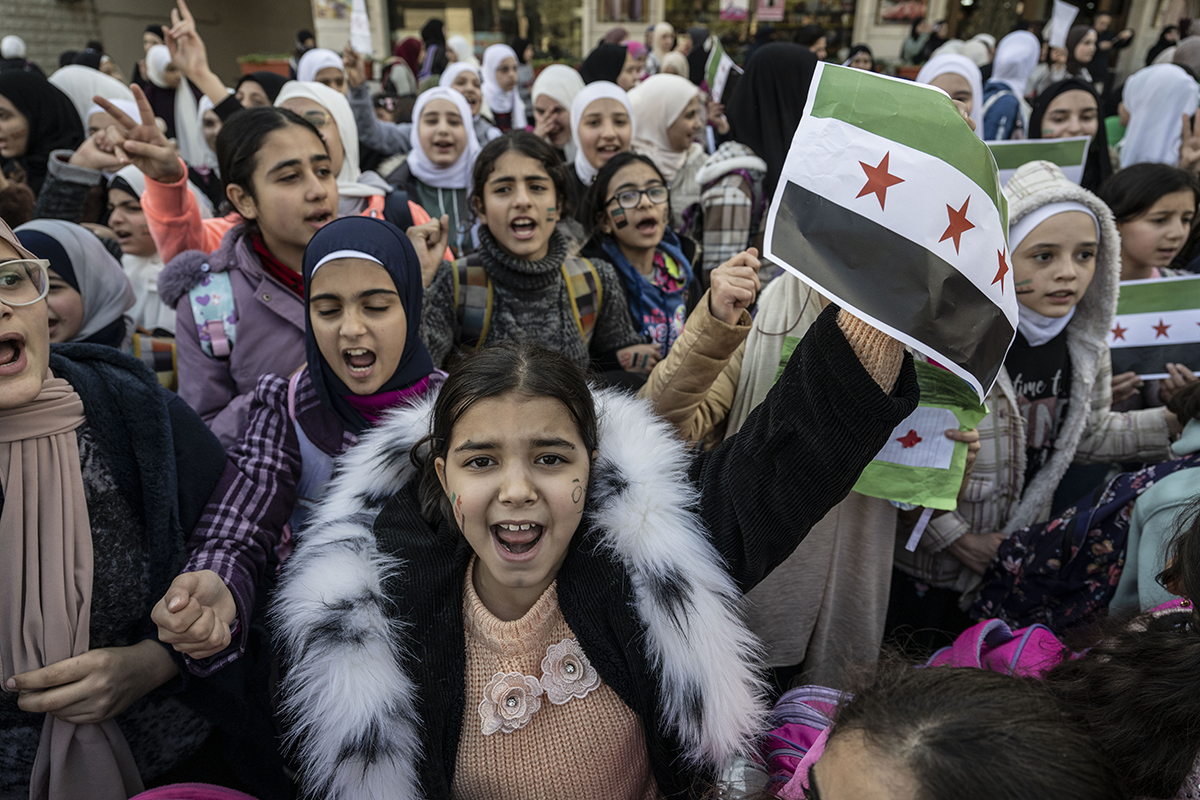
The multiple wars that have erupted since Oct. 7, 2023, have already changed the strategic landscape in the Middle East — and more change is likely to follow.
'Fight big or think big': How the Middle East can pull back from the brink
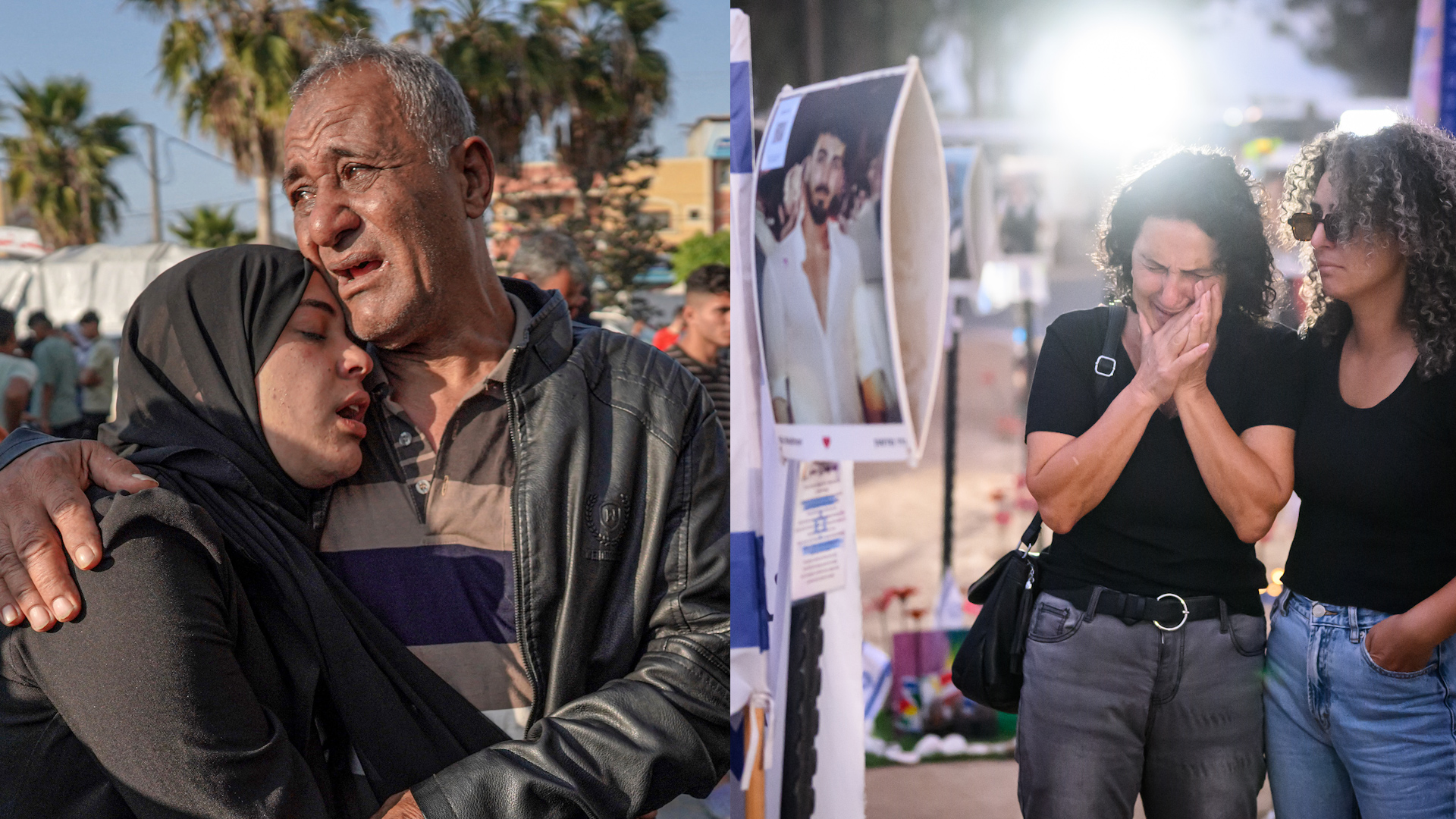
If war is the continuation of politics by other means and every conflict is a symptom of a deeper unresolved contradiction, the violence of the past year – as well as the current direct confrontation between Israel and Iran – are the result of two deep and unresolved political problems.
These are the denial of Palestinians’ basic rights amid long-term Israeli occupation and Iran’s rejection of the basic rules of international law, as well as its insistence on maintaining a string of militias in broken Arab states from Lebanon to Yemen.
The killing of Hezbollah Secretary-General Hassan Nasrallah along with the rapid degradation of Hezbollah’s power over the past two weeks signals a tectonic shift in the Middle East.