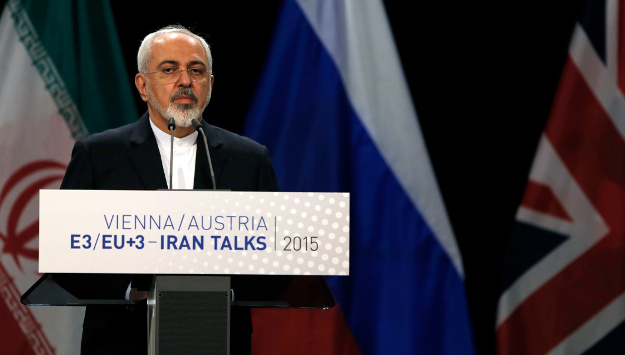
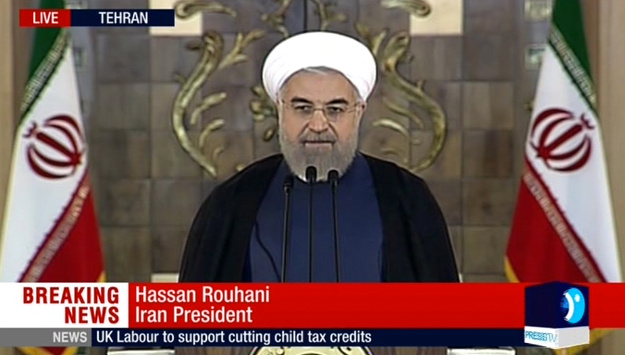
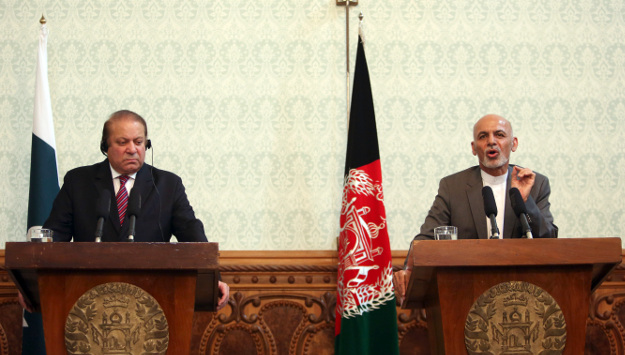
The Iran nuclear deal has only one big surprise: it is consistent with the April 2 “parameters” that preceded it and contains no surprises. No one caved. Nothing got walked back.
Iran Nuclear Deal: A Platform for Future Cooperation?
MEI interviewed Senior Fellow Alex Vatanka about the historic nuclear agreement between Iran and the P5+1 that was reached on July 14, 2015, and how it may impact regional dynamics and the long-term relationship between Iran and the West.
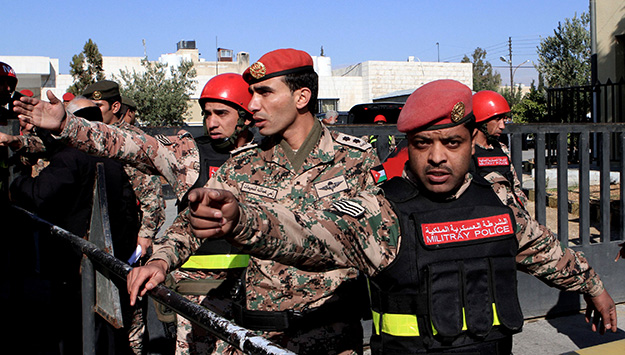
Arab Armed Forces: State Makers or State Breakers?
Proliferation and intensification of coercive force in the Arab world since 2011, combined with apparent decay of Arab states, seems at first glance to run counter to the implicit predictions of two relevant bodies of literature.
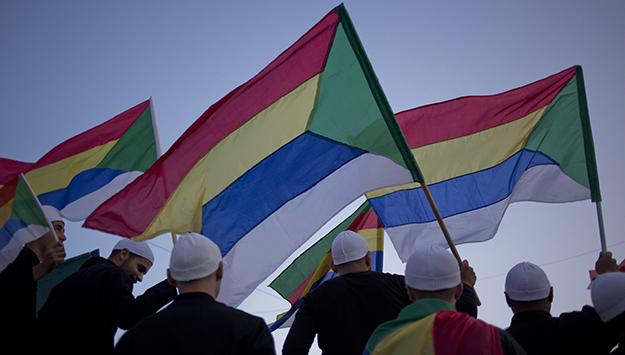
In the last few weeks, the Syrian Druze have been a focal point in significant fighting on the ground. If their role in the fighting continues, or even if it changes, the Druze will likely have a profound impact on the trajectory of the Syrian conflict.
Activism and Engagement: Envisioning a Possible New Doctrine for Indonesia’s Middle East Policy
The Asia-Pacific region, exemplified by the Association of Southeast Asian Nations (ASEAN) countries, has been the cornerstone of Indonesia’s foreign policy, with relationships in the Middle East being of secondary importance. Nevertheless, Indonesia has worked for years to develop fruitful bilateral relations with Arab countries in the economic, religious, and educational spheres.
The Humanitarian Crisis in the Middle East: Highlights from the MEI Conference
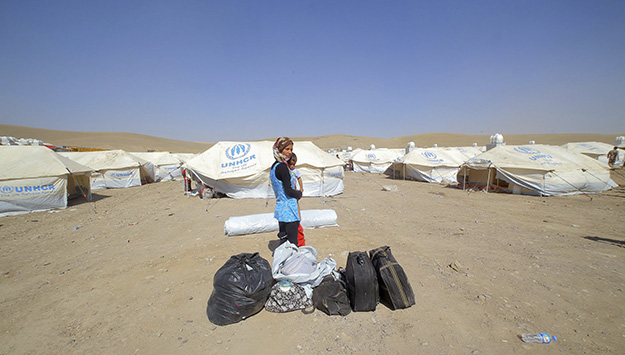
For decades, most refugee crises followed a pattern: A war erupted, usually in a poor country, and beleaguered civilians staggered across the nearest border. The United Nations organized a response, rich nations footed the bill, and aid groups sent in workers to tend to the needy. Even in extreme cases, such as the mass exodus from Afghanistan during the Soviet invasion in the 1980s, the crisis was largely confined to the country at war and a few immediate neighbors.
The Promise of Arab Youth: Gone Today, Here Tomorrow
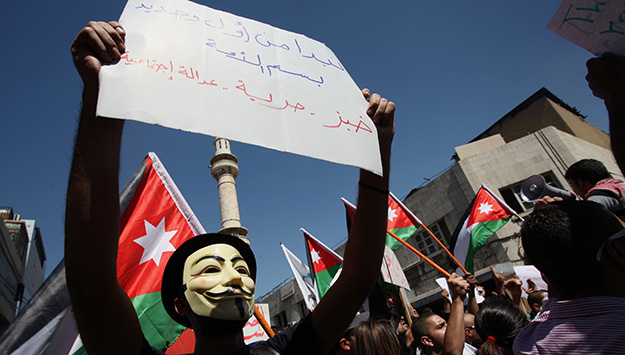
After the latest attacks in Tunisia, Kuwait, Paris, and Sinai, attention is focused once again on the threat posed by the radicalization of youth. Indeed, Arab youth do represent a threat—to the established order. They came out in their millions in 2011 to demand freedom, dignity, and jobs, and these demands will not go away. They have been pushed back out of the public space by older institutions reviving fights between state authoritarianism and dreams of a caliphate, and indeed some youth, out of frustration, will radicalize and turn to violence.
For Egypt’s low-income majority, weddings are the prime source of group entertainment, celebrated like block parties in cramped streets decorated with arabesque tapestries and drenched in colored lights and sound. You won’t hear romantic crooning at these gatherings; in Cairo’s densely-inhabited popular quarters, wedding parties are more akin to raves. The music is raw synthetic beat embroidered with syncopated tabla (Egyptian drum) samples and queasy electronic loops.
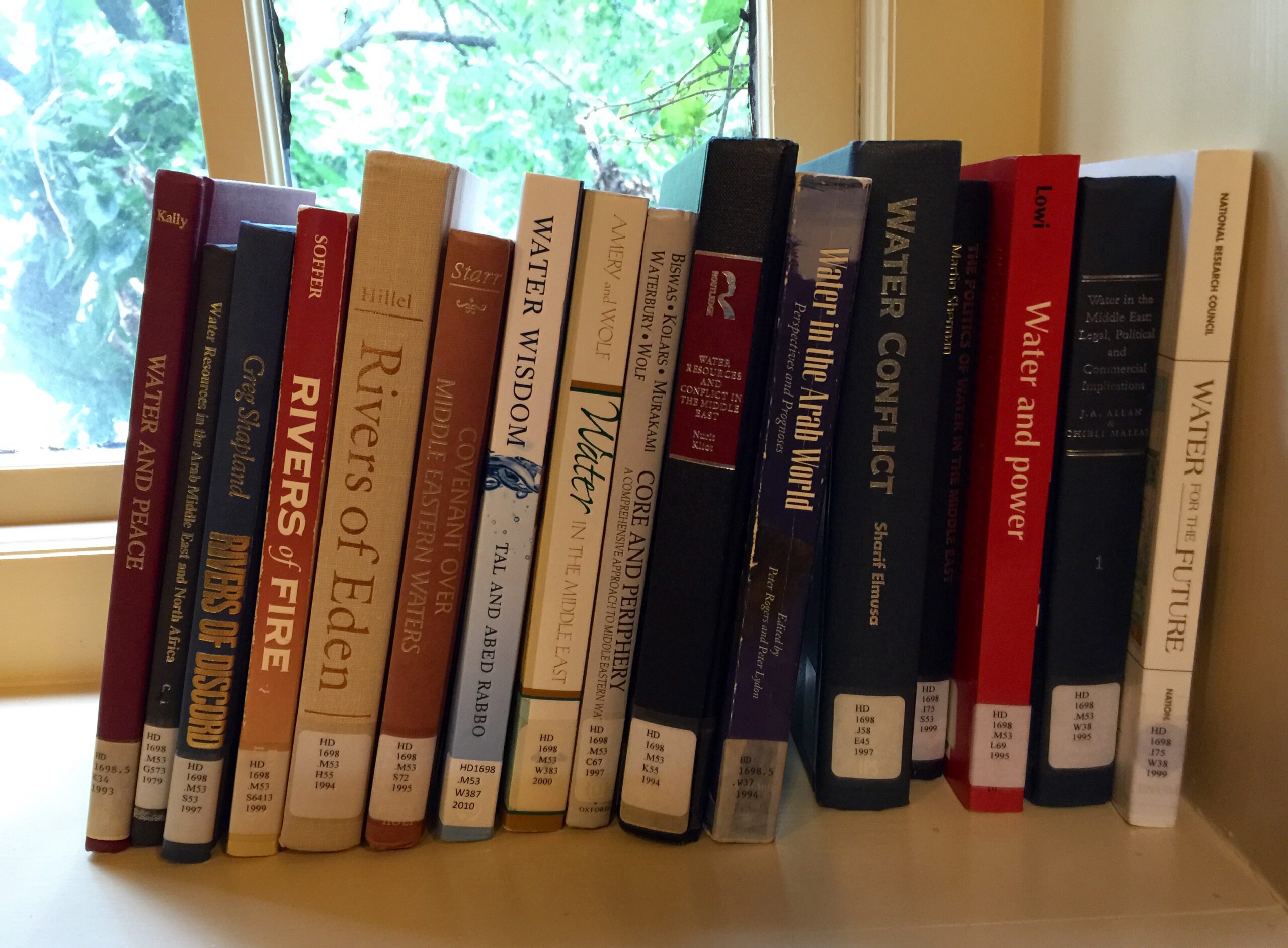
For many, an interest in the natural resources of the Middle East begins and ends with oil. However, in a region where systems of agriculture and manufacturing are threatened by increasing desertification and pervasive aridity, the amount, distribution, and control of water is drawing increased international attention.