This individual is a guest contributor. MEI is not able to assist with contact requests.
Ragui Assaad is Professor at the Humphrey Institute of Public Affairs at the University of Minnesota. He has written extensively on labor market and youth issues in the Middle East and North Africa. The author acknowledges the able research assistance of Stefan Johansson in the preparation of this essay.
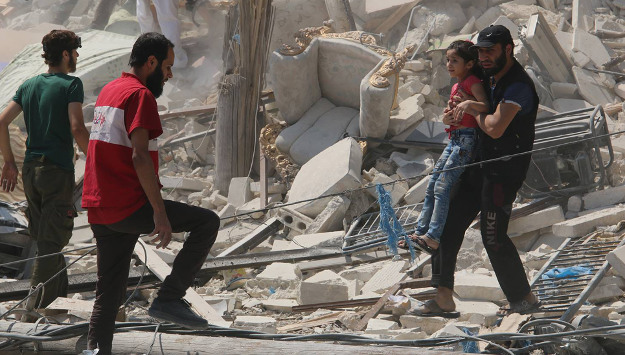
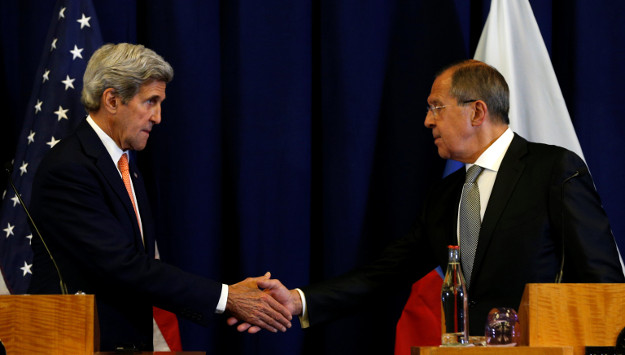
Five years of horrendous conflict in Syria has given birth to a menacing array of threatening and destabilizing repercussions. From the rapid proliferation of terrorist groups, to mass civilian displacement and an international refugee crisis, not to mention the disintegration of a major nation state at the heart of the Middle East, the consequences of the conflict’s apparent intractability are clear for all to see.
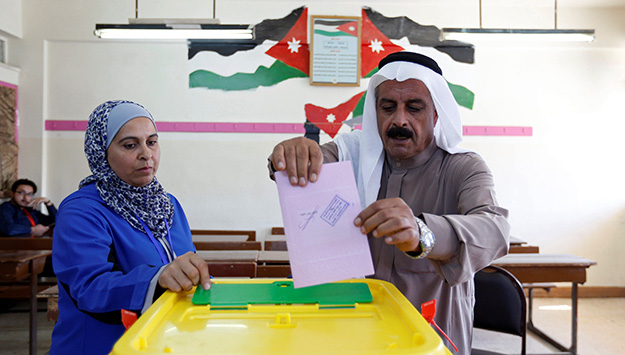
Jordanian government spokesman Mohammad Momani described the country’s September 20 parliamentary election as a source of “pride” and asserted that the country has now “inaugurated a new era.” While the parliamentary space for opposition voices slightly increased, Jordan’s 2016 elections largely preserved the country’s status quo and maintained the tribal-Palestinian divide.
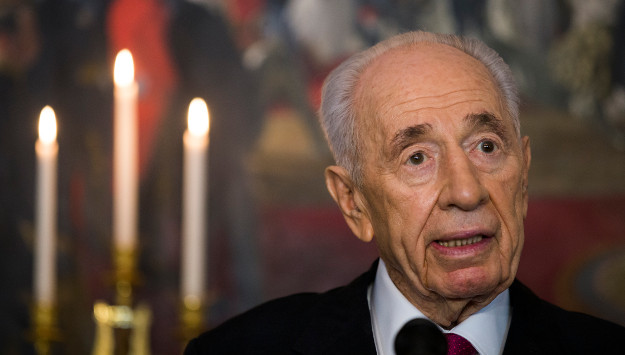
The last surviving leader of Israel’s founding generation, Shimon Peres was a three-time prime minister, the architect of the country’s secretive nuclear program and a winner of the Nobel Peace Prize for his efforts to make peace with the Palestinians.
Few expected the 2016 municipal elections in Lebanon to create any momentum that would reinvigorate civil society in order to attempt to overcome Beirut’s challenges. Traditionally, the municipal elections in post-war Lebanon are a stage-managed affair in which the electoral pie is split between a coalition of traditional Beiruti families and national parties along with a confessional parity between Christians and Muslims. However, the rise of the municipal campaign Beirut Madinati (Beirut, My City) breathed much needed fresh air, and with it hope and enthusiasm, into a social structure that is stratified and filled with anxiety and fear.
I.M.F. Reforms Not Enough to Repair Egypt’s Economy
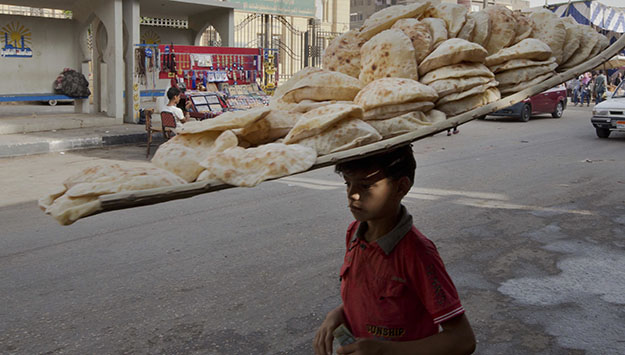
Addressing Egypt’s economic woes remains a matter of urgency for the stability of the government and the country as a whole. Egypt’s economic recovery plan, which was spearheaded by President Abdel Fattah el-Sisi in 2015, promised an improvement in living standards and social justice in the Middle East’s most populous nation. More than two years since the president assumed power, living standards have yet to see much improvement.
Monday Briefing: This Week's OPEC Meeting, and the Latest on Aleppo and Yemen
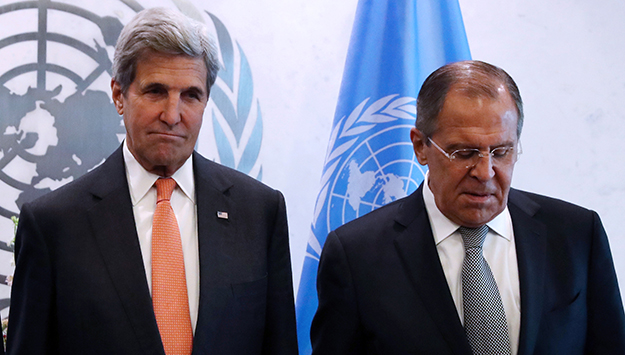
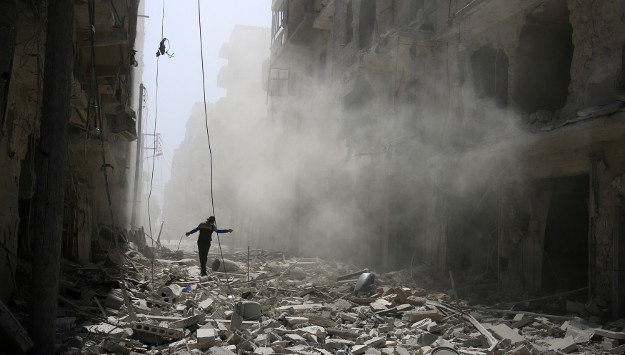
In this week’s Monday Briefing, MEI experts Ruba Husari, Charles Lister, and Charles Schmitz provide analysis on events including OPEC’s upcoming meeting to discuss production rates and a potentil freeze, Russia’s bombardment of Aleppo following the collapse of the latest cease-fire, and the worsening humanitarian disaster in Yemen.
Former National Security Officials Sign Open Letter to Congress on JASTA
MEI Board Chair Richard A. Clarke and Board Member Rand Beers have joined seven other high-ranking former U.S. national security officials in signing an open letter to the president and members of Congress expressing their deep concerns over the Justice Against Sponsors of Terrorism Act (JASTA), which is expected to return to Congress following a presidential veto.
This essay addresses Tunisia’s contentious social movements and argues that these highly political campaigns are an extension of the long-standing grievances that the spirit and goals of the Revolution epitomized to many. Now, as before and during the Revolution, such protests signify an important rupture with Tunisia’s technocratic politics-as-usual and underscore the fact that prescriptive economic solutions and promises made by current and past governments are not suitable measures to address this primary and fundamental form of political discontent. In highlighting the political dimension of informal engagement and contention, this essay stresses that Tunisia’s contentious political movements are necessary for the country’s democratic consolidation.