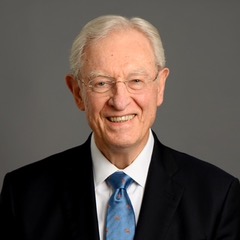
Ambassador (ret.) W. Robert Pearson is a Distinguished Diplomatic Fellow at The Middle East Institute. He focuses on Turkey with particular emphasis on U.S.-Turkey relations. His areas of interest include Turkey’s relations with the EU, Russia, the Middle East, and Central and East Asia, in addition to the United States.
Amb. Pearson is a retired professional foreign service officer who served as U.S. ambassador to Turkey from 2000 to 2003. He was director general of the U.S. Foreign Service from 2003 to 2006, repositioning the American Foreign Service to meet the new challenges of the 21st century and winning two national awards for his efforts. He is a founder and senior fellow at Duke University’s Rethinking Diplomacy Program and Space Lab. He was president of American Diplomacy Journal, hosted by UNC Chapel Hill, NC as the first ever digital journal of foreign affairs, begun in 1996. He served from 2008 to 2014 as president of IREX, an international development NGO based in Washington, spearheading its expansion to reach more than 125 countries worldwide. He has published numerous articles, blogs and opinion pieces on diplomacy, foreign policy, Turkey, NGOs, and development. He has appeared on BBC, CNBC, NPR, Al-Jazeera, I24 TV, TNT Global, Alhurra and other networks. He is a frequent speaker on issues concerning Turkey, international development and the role of diplomacy in American engagement abroad.
Education:
B.A. Vanderbilt University, J.D. University of Virginia School of Law
Country of Expertise:
Turkey
Issues of Expertise:
Security, Economics, Civil Society, Diplomacy and Foreign Relations
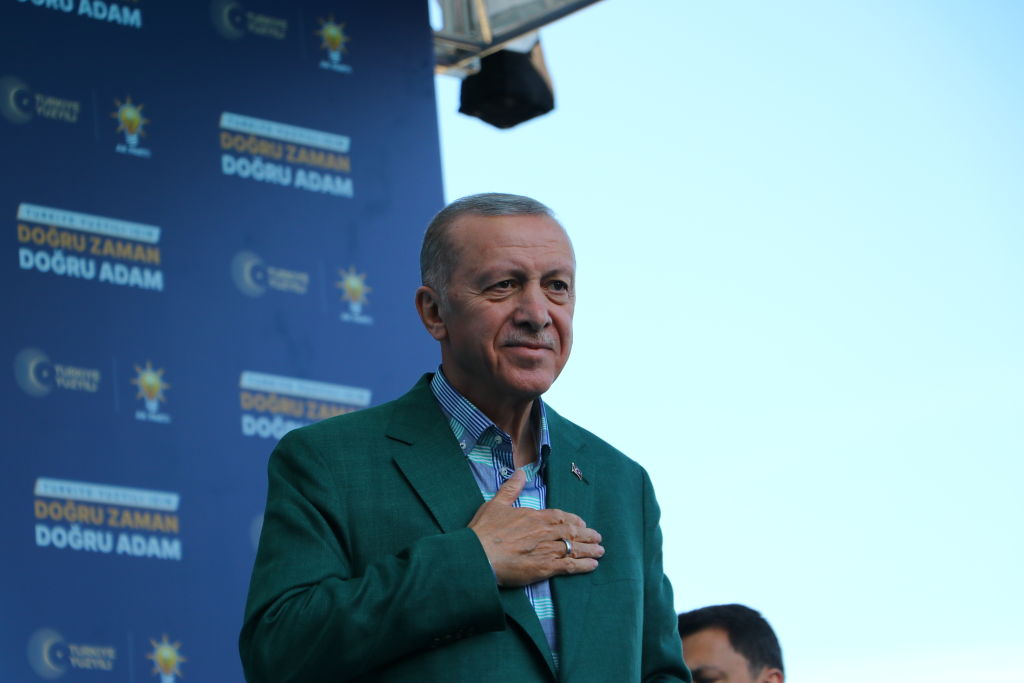
For months, Turkey’s government has been trying to accomplish three major tasks simultaneously or nearly so to solidify its hold on power at home and enhance its influence in the broader region. Its three-pronged approach to fulfilling that goal consists of seeking to 1) crush democracy and destroy the political opposition in Turkey by bringing serious criminal charges against Ekrem İmamoğlu, the popular mayor of Istanbul; 2) bring Turkey’s pro-Kurdish party into a coalition to win the next national election with current President Recep Tayyip Erdoğan continuing his 22-year rule; and 3) leverage its new and powerful influence in Syria to neutralize Kurdish power in the northeast and in the Syrian national government.
Modern Türkiye (the official spelling of Turkey since 2021) sprang like a phoenix from the ashes in 1923, overcoming daunting odds. Its predecessor, the Ottoman Empire, had foolishly joined the war with the Central Powers in 1914 and naively thought its Arab subjects would remain loyal, only to have been utterly defeated and then dismembered. A rebellion led by the empire’s most famous war hero and leader, Kemal Ataturk, overthrew the last sultan, rejected an unjust treaty to divide up the country and repelled the occupying Allies. He established a contemporary republic based on popular
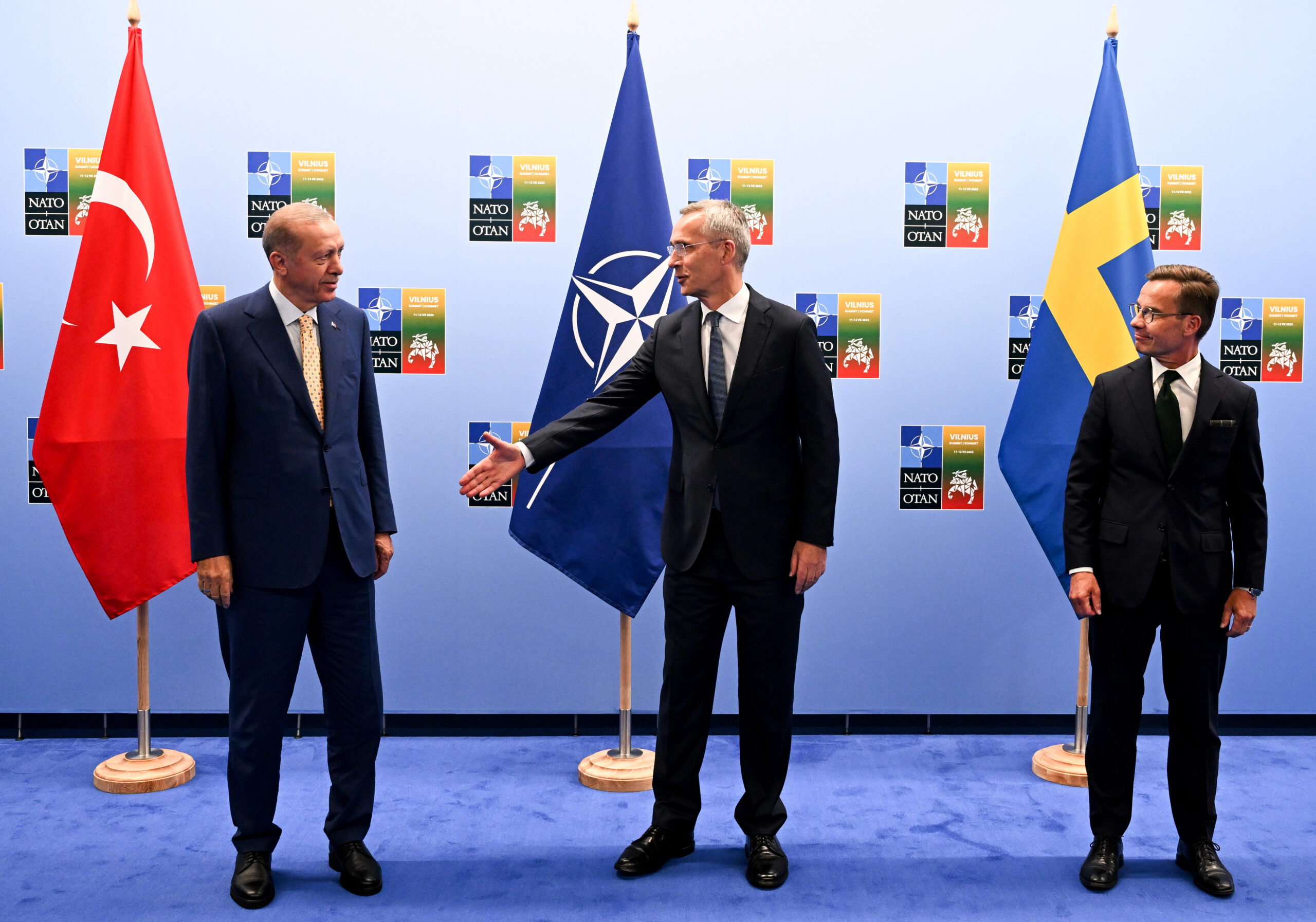
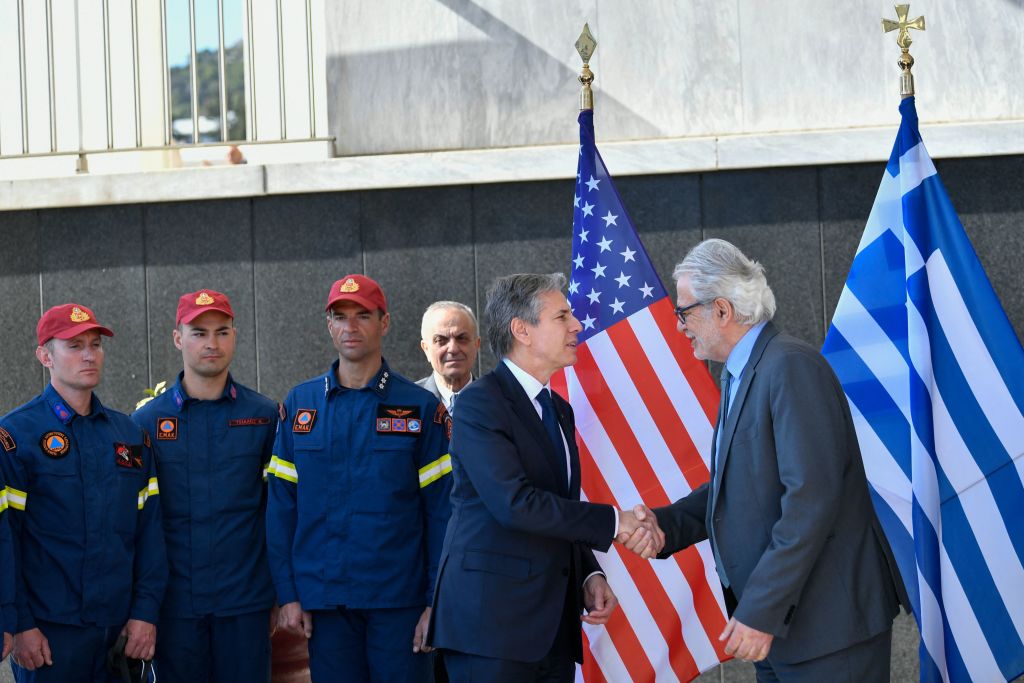
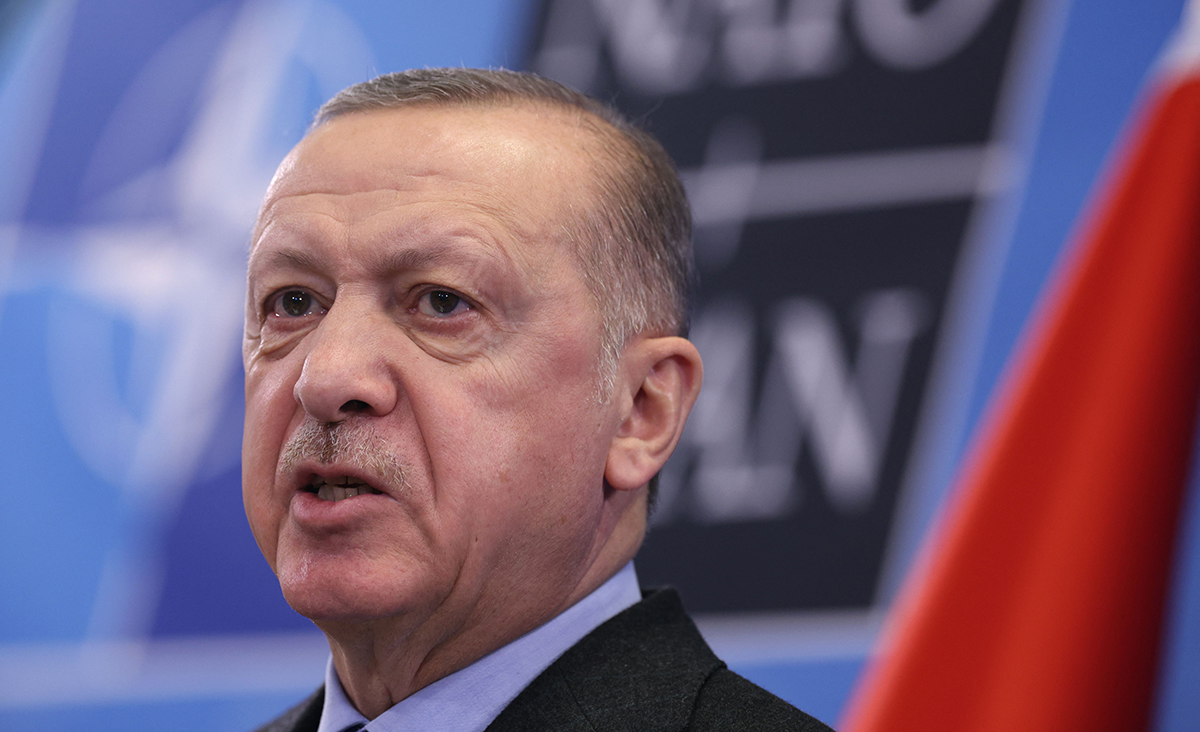
In recent months, Turkish President Recep Tayyip Erdoğan has been on a charm offensive. But that spring in Turkey’s diplomacy may now be reverting to winter as Ankara has blocked Swedish and Finnish accession to NATO even as a key arms deal is pending with Washington and U.S. relations with Greece are at a high.
President Erdoğan, as the leader of a middle-sized power strengthening an independent role, wants to enhance the reputation and expand that role for Turkey regionally and globally by achieving a balance of Ukrainian and Russian influence in the region.