قرار الاعتراف بالإبادة الجماعية للأرمن
“بهذه الرسالة، حاول الرئيس بايدن تغيير اتجاه الحوار من الأمس إلى الغد لأخذ عبرة من دروس التاريخ حتى لا نكررها”.
Defense and Security, Economics, Governance, Reform, and State Capacity, US Policy in the Middle East, Turkey
Press inquiries: [email protected]
Ambassador (ret.) W. Robert Pearson is a Distinguished Diplomatic Fellow at The Middle East Institute. He focuses on Turkey with particular emphasis on U.S.-Turkey relations. His areas of interest include Turkey’s relations with the EU, Russia, the Middle East, and Central and East Asia, in addition to the United States.
Amb. Pearson is a retired professional foreign service officer who served as U.S. ambassador to Turkey from 2000 to 2003. He was director general of the U.S. Foreign Service from 2003 to 2006, repositioning the American Foreign Service to meet the new challenges of the 21st century and winning two national awards for his efforts. He is a founder and senior fellow at Duke University’s Rethinking Diplomacy Program and Space Lab. He was president of American Diplomacy Journal, hosted by UNC Chapel Hill, NC as the first ever digital journal of foreign affairs, begun in 1996. He served from 2008 to 2014 as president of IREX, an international development NGO based in Washington, spearheading its expansion to reach more than 125 countries worldwide. He has published numerous articles, blogs and opinion pieces on diplomacy, foreign policy, Turkey, NGOs, and development. He has appeared on BBC, CNBC, NPR, Al-Jazeera, I24 TV, TNT Global, Alhurra and other networks. He is a frequent speaker on issues concerning Turkey, international development and the role of diplomacy in American engagement abroad.
Education:
B.A. Vanderbilt University, J.D. University of Virginia School of Law
Country of Expertise:
Turkey
Issues of Expertise:
Security, Economics, Civil Society, Diplomacy and Foreign Relations
“بهذه الرسالة، حاول الرئيس بايدن تغيير اتجاه الحوار من الأمس إلى الغد لأخذ عبرة من دروس التاريخ حتى لا نكررها”.
Read MEI’s weekly briefing featuring expert analysis of key regional developments for the week ahead.
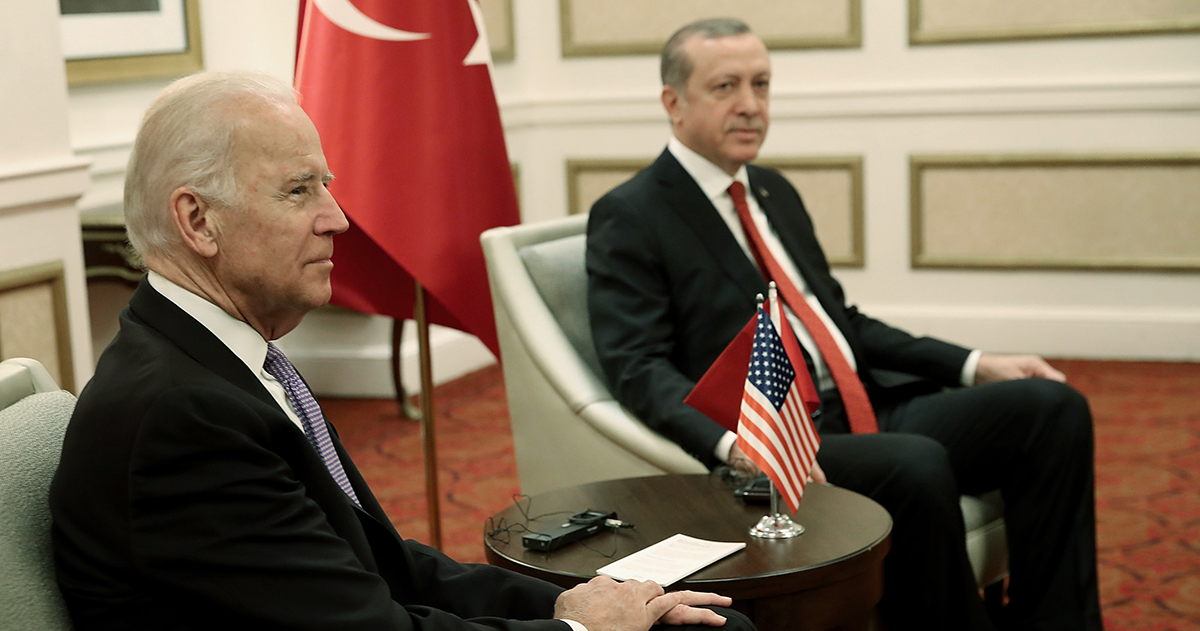
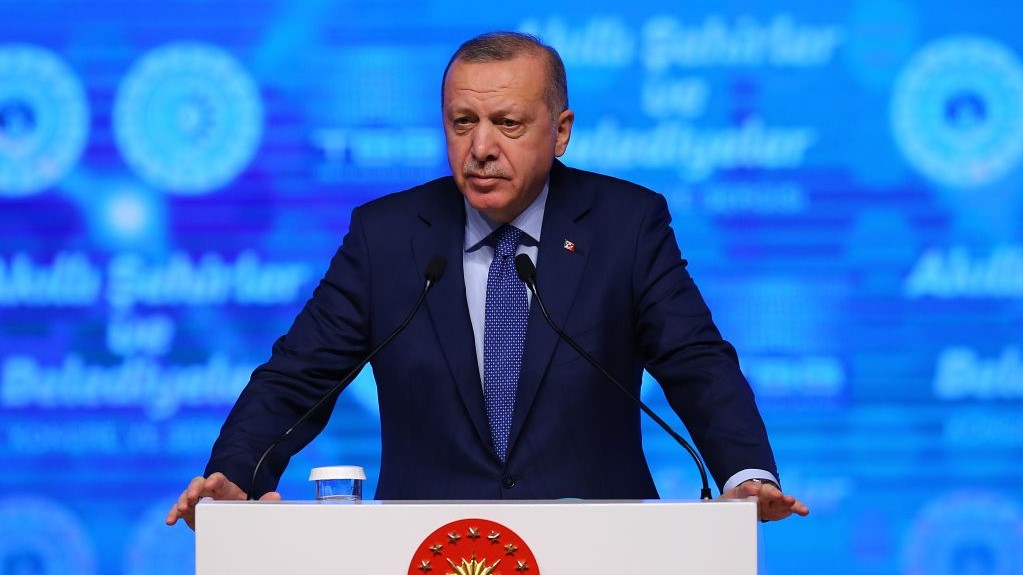
Relations between the United States and Turkey have never been worse, but the two countries still must deal with each other, and so President Joe Biden and President Recep Tayyip Erdoğan may talk this week. Each will review his list of issues. Both will commit to better relations and to best efforts to reach peaceful solutions to global, regional, and bilateral issues — and very little will change.
Read MEI’s weekly briefing featuring expert analysis of key regional developments for the week ahead.
This week’s briefing on recent news and upcoming events in the region featuring Gerald Feierstein, W. Robert Pearson, Mirette F. Mabrouk, Paul Scham, and Marvin G. Weinbaum.
This week’s briefing on recent news and upcoming events in the region featuring Charles Lister, Ruba Husari, Marvin G. Weinbaum, and W. Robert Pearson.
This week’s briefing on recent news and upcoming events in the region featuring Randa Slim, Alex Vatanka, Mirette F. Mabrouk, Marvin G. Weinbaum, W. Robert Pearson, and Rauf Mammadov.
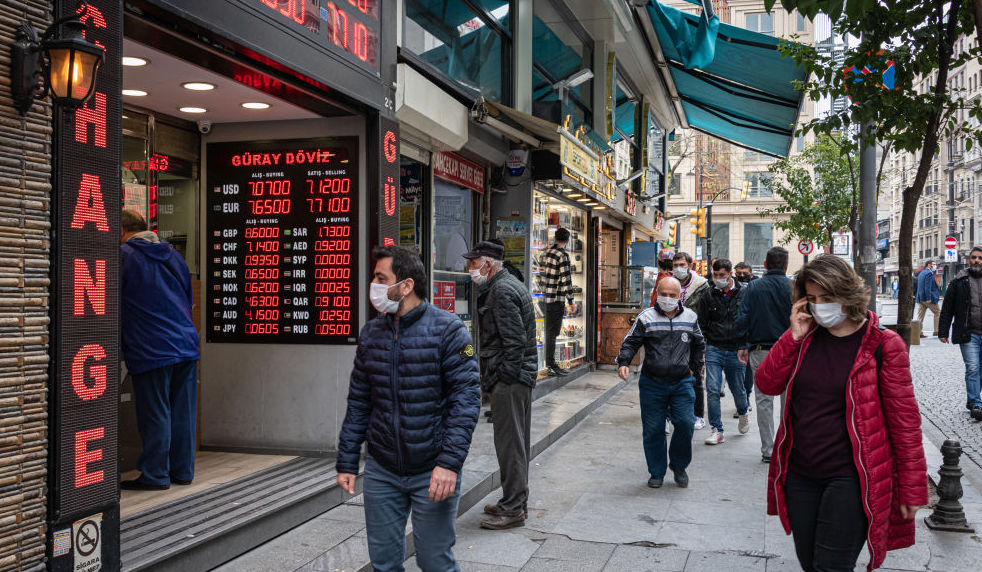
The central bank has depleted its reserves dramatically by funding state bank interventions in defense of the lira.
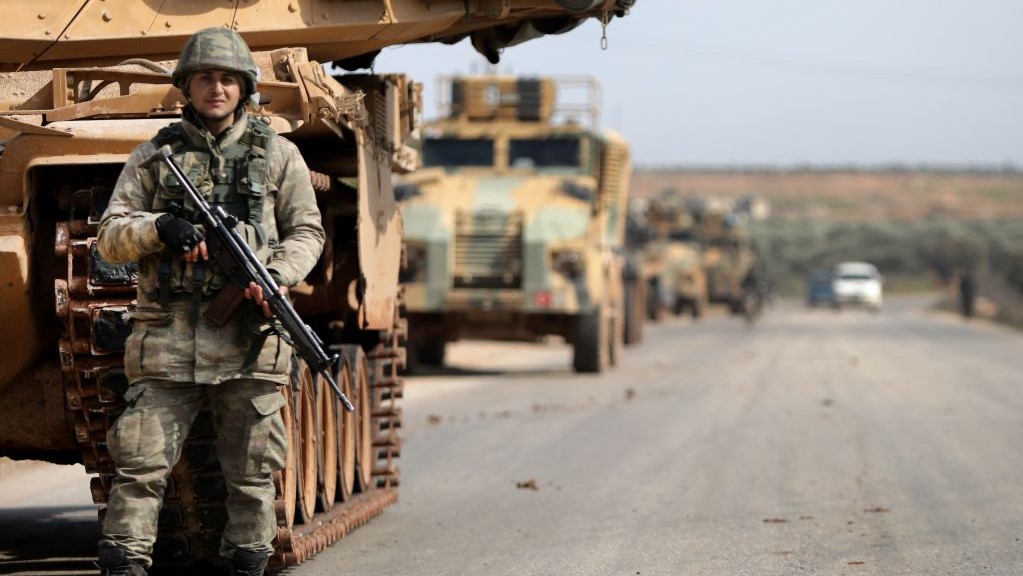
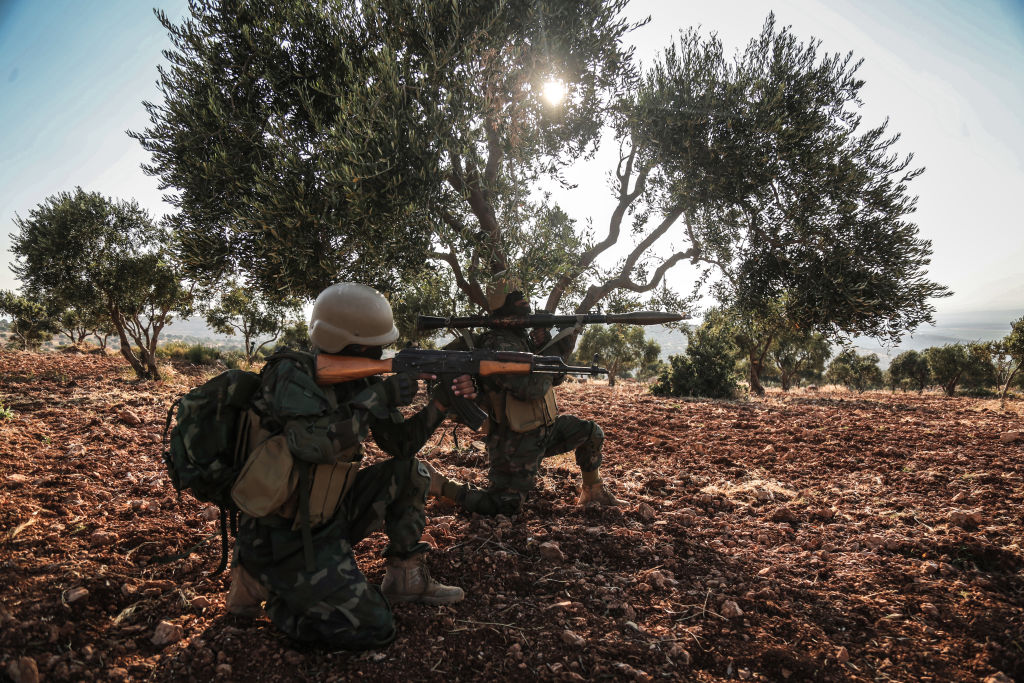
Turkey is running out of options in Idlib Province and in Syria. Aggressively taking on a task that is beyond its capabilities, the government in Ankara now is faced with doubling down on a high-risk gamble, hoping someone, somewhere will believe its bluff, or saving Turkey and the area from worse destruction. There are two things the U.S could do, working together with the EU, NATO, and the UN.
With its clash with Syrian forces on Feb. 3, Turkey is being forced to realize that it has very limited leverage over its foreign policy priorities.
NATO leaders will celebrate the 70th anniversary of their alliance in London on Dec. 3 and 4. Despite soft words from NATO Secretary-General Jens Stoltenberg, however, the alliance and Turkey are on a collision course.
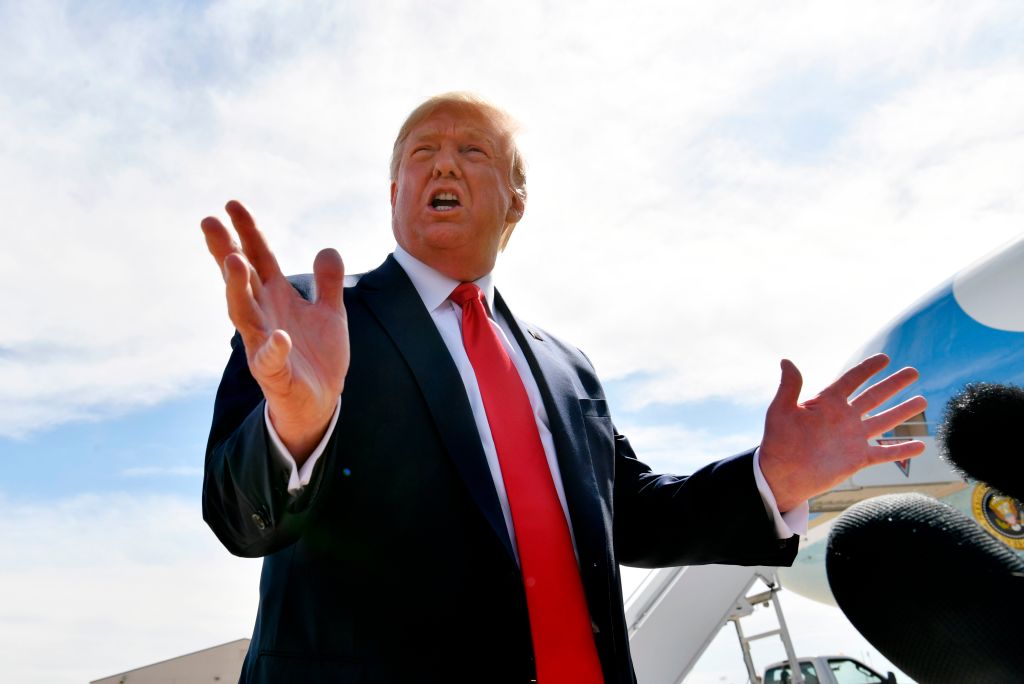
Both Mr. Trump and Mr. Erdogan, each under mounting pressure at home, are trying to solve domestic challenges with a tragedy that will have long-term and unpredictable effects — none of them beneficial for the United States and any friends that remain.
This week’s briefing on recent news and upcoming events in the region including the Turkish-U.S. crisis meeting in Ankara on Syria, the resumption of U.S.-Taliban negotiations, Trump’s creation of a new “dovish” line on Iran, a rise in Egypt’s poverty levels, Sudan’s democratic transition, the easing of female guardianship rules in Saudi Arabia, and the end of the ceasefire in Idlib, featuring Charles Lister, Marvin G. Weinbaum, Paul Salem, W. Robert Pearson, Mirette F. Mabrouk, Thomas W. Lippman, and Robert S. Ford.
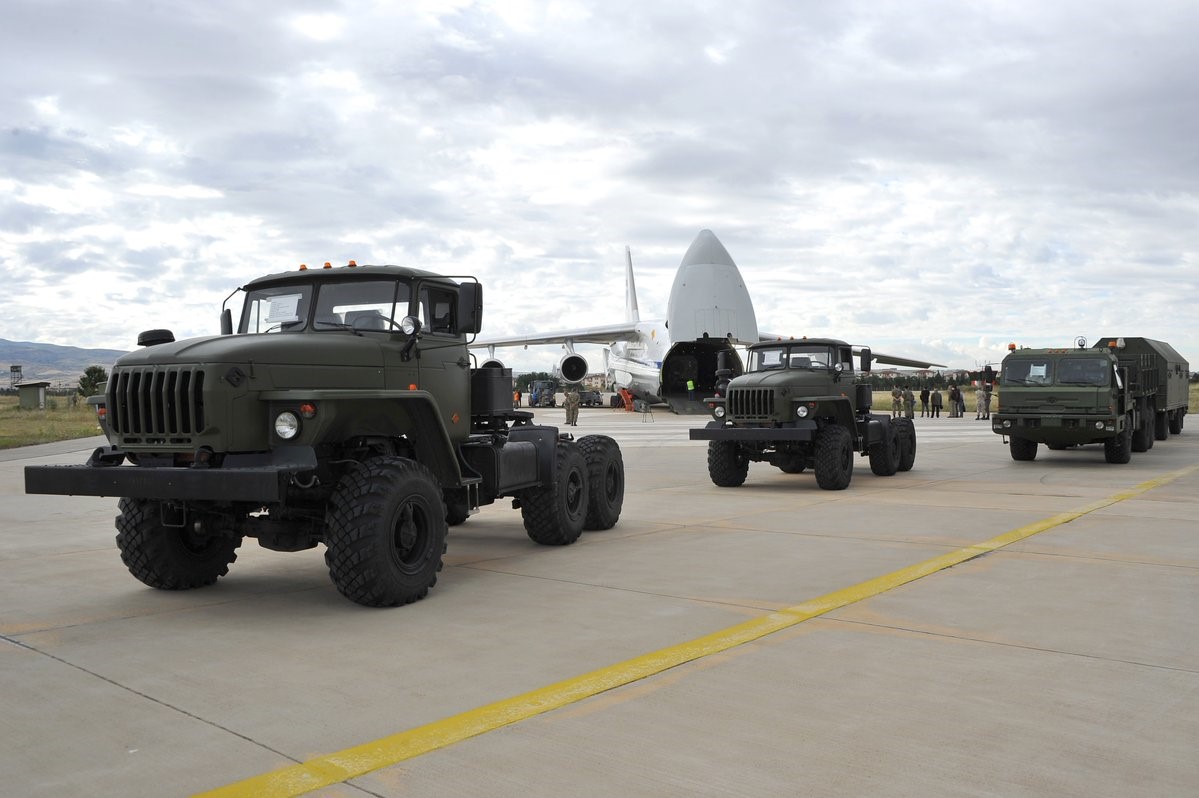
This week’s briefing on recent news and upcoming events in the region including Turkey’s confrontation with the U.S. over its S-400 defense system, the latest round of Afghan peace talks, the UAE’s drawdown in Yemen, Turkey’s media signaling on Syria, and the 21st consecutive week of protests in Algeria, featuring W. Robert Pearson, Marvin G. Weinbaum, Ibrahim Jalal, Guney Yildiz, and Robert S. Ford.
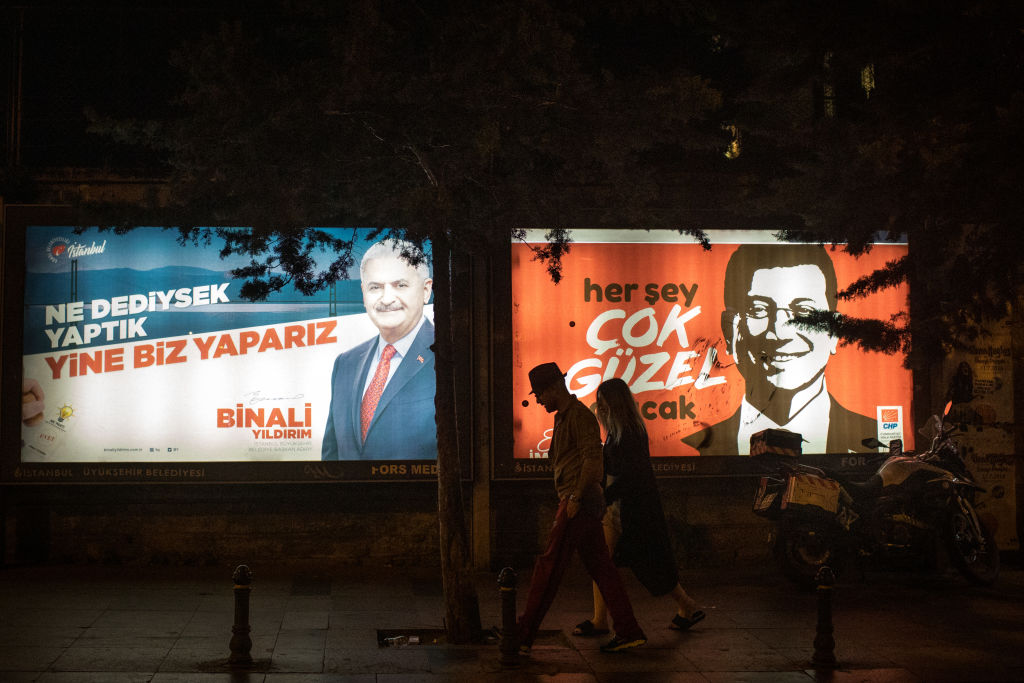
In theory, Sunday’s election is over who will be the next mayor of Istanbul, but in reality it’s about something much bigger: The survival of democracy in Turkey.