This individual is a guest contributor. MEI is not able to assist with contact requests.
Rauf Mammadov focuses on issues of energy security, global energy industry trends, as well as energy relations between the Middle East, Central Asia and South Caucasus. He has a particular emphasis on the post-Soviet countries of Eurasia. Prior to joining MEI, Mammadov held top administrative positions for the State Oil Company of Azerbaijan Republic (SOCAR) from 2006 to 2016. In 2012, he founded and managed the United States Representative Office of SOCAR in Washington D.C.
Houthi attack in strategic shipping lane could undermine oil markets
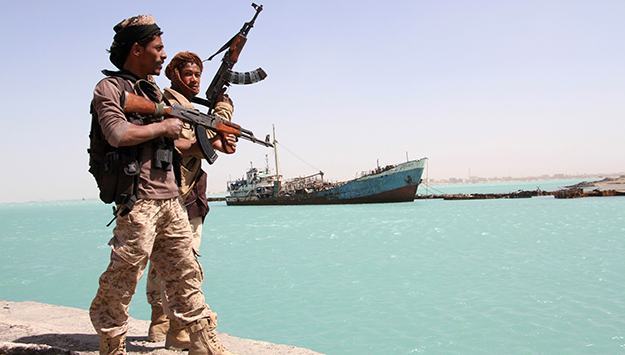
Saudi Arabia temporarily halted all oil shipments through the Bab al-Mandab strait on Wednesday, Jul. 25, after two of its very large crude carriers were attacked by Houthi rebels. According to Saudi and Yemeni officials, the attack was launched from the besieged port city of Hodeida.
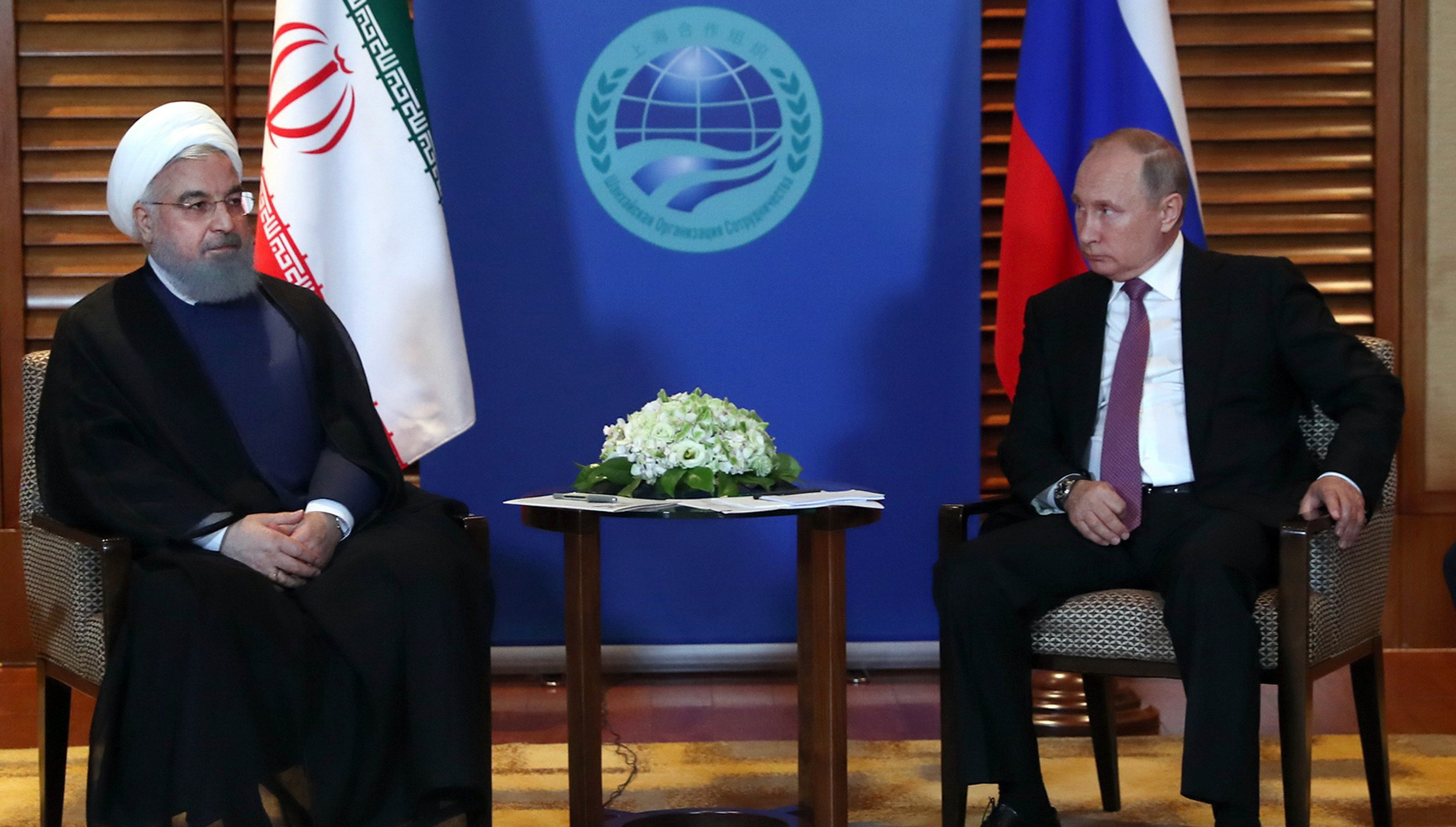
As international companies leave Iran under U.S. pressure, the Iranian government is scrambling to salvage as much foreign investment as possible. The top leadership in Tehran believes the solution is to engage with Russia, China, and the “east” to replace the West’s hesitant commitment to the Iranian market. But this eastward approach is a pipe dream, and there is plenty of history to prove it.
How Trump’s pullout from the nuclear deal will affect Iran’s energy industry
Opinions about the consequences of the U.S. pulling out of the Iran nuclear deal began flying around as soon as President Donald Trump announced the exit.
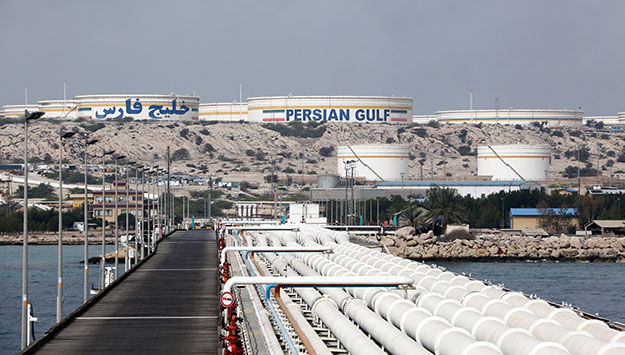
Many of the key points that pundits have made about Washington turning its back on the Joint Comprehensive Plan of Action have dealt with oil. That’s because the U.S. is likely to sanction Iranian oil exports again, as it did during the Obama administration.
Here are several short-term and long-term consequences of the U.S. about-face on the Iran deal:
How sustainable is Russian-Saudi energy cooperation?
Saudi Crown Prince Mohammed bin Salman told journalists in New York last week that the kingdom is looking at extending its oil production-cut deal with Russia for 10 to 20 years.
Israel-Egypt gas deal: politics, or business as usual?
On Feb. 19, a consortium of oil companies led by the U.S.’s Noble Oil and Israel’s Delek signed a contract to supply the Egyptian energy company Dolphinus with up to 32 billion cubic meters of Israeli gas over ten years.
Russia's Energy Diplomacy Should Cause Concern in Washington
Friction between the United States and Saudi Arabia is unsettling their friends and emboldening their enemies, in particular, Russia.
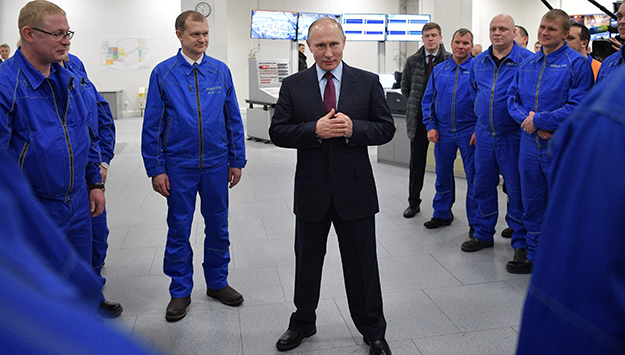
Saudi public criticism of President Donald Trump’s decision to recognize Jerusalem as Israel’s capital and the State Department’s warning that Saudi Arabia needs to allow humanitarian aid into Yemen are just two of the issues straining ties. A development that has the potential to worsen U.S.-Saudi ties even further is Russia’s growing global energy clout.