This individual is a guest contributor. MEI is not able to assist with contact requests.
Rebecca Anne Proctor is an independent journalist, editor, author, and broadcaster based in Dubai and Rome, from where she covers the Middle East and North Africa. She is the former editor-in-chief of Harper’s Bazaar Art and Harper’s Bazaar Interiors.
Turkey, Russia and the escalation in Nagorno-Karabakh
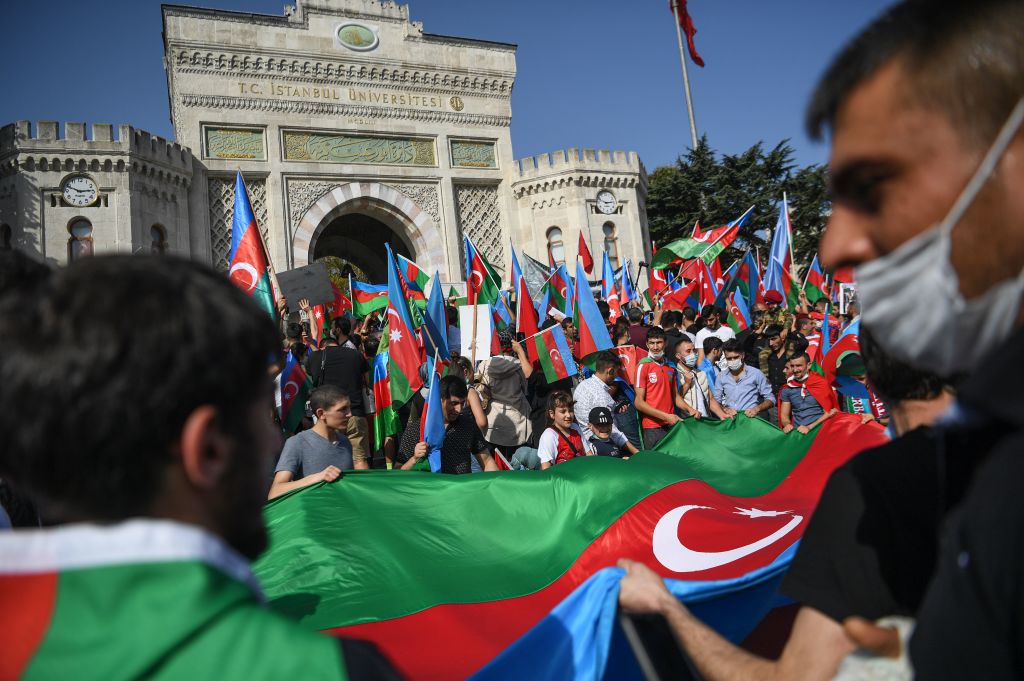
On September 27, hostilities broke out between Armenia and Azerbaijan in the disputed region of Nagorno-Karabakh (NK). Following several days of fighting, the region is now witnessing the worst escalation of tensions since the early 1990s. This time, Azerbaijan’s efforts are boosted by Turkey’s readiness to render robust military support.
حلقة 11: سيناريوهات صراع الرئاسة بين ترامب وبايدن — مع ناديا بلبيسي
– ماذا سيحصل إذا لم يكن هناك رابح في يوم الانتخابات؟ على ماذا ينص الدستور في تلك الحالة؟ هل فراغ سياسي وارد في واشنطن؟
– هل يمكن حقّاً ألّا يتنازل ترامب عن السلطة؟
– هل يمكن التلاعب بالتصويت عن طريق البريد؟
– لم غابت السياسة الخارجية كليّاً عن المناظرة؟ هل كان ذلك بقرار من المرشّحين؟ أم من مدير المناظرة من قناة فوكس؟
– من يقوم بتنظيم المناظرات الرئاسية في الولايات المتحدة؟ هل يمكن تعديل شكل المناظرة لمنع المرشحين من مقاطعة بعضهما؟ هل يمكن إجبارهما على الالتزام بذلك؟
– “تراجعوا واستعدّوا”: هذا ما قاله ترامب لمنظمة عنصرية فاشية تؤمن بالقومية البيضاء وتمنع النساء من الانضمام لصفوفها وتحثّ على العنف السياسي ضد خصومها – كيف يمكن أن يؤثر ذلك على الناخبين الأمريكيين؟
– قال بايدن بأن حركة “أنتيفا” اليسارية الراديكالية ليست منظمة، هل هذا الكلام صحيح؟ لمَ يريد ترامب تصنيفها كمنظمة إرهابية؟
– من أين تأتي أهمية معركة المحكمة الدستورية العليا؟ كيف يمكن أن تغيّر القاضية التي يريد ترامب تعيينها شكل الحياة في الولايات المتحدة، خصوصاً حياة المهاجرين والأقليات والنساء؟
What are the implications of the passing of Kuwait’s emir, Sheikh Sabah?
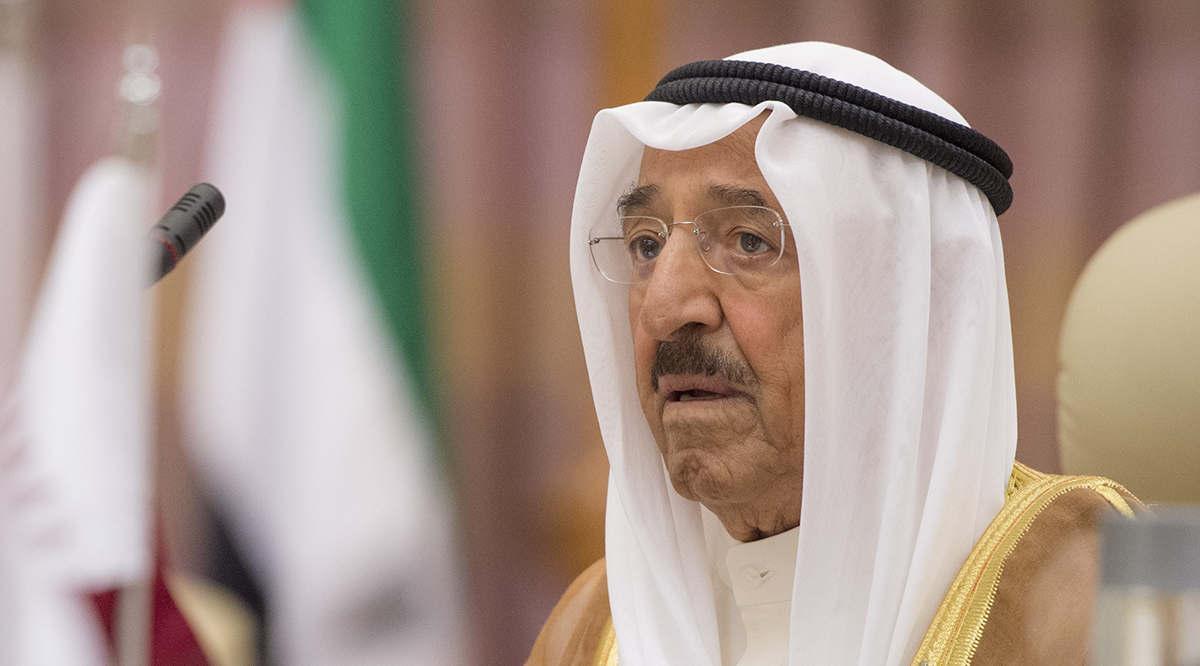
With the announcement that Kuwait’s long-time ruler, Sheikh Sabah al-Ahmad al-Sabah, had passed away, on Sept. 29, at the age of 91, the Gulf states lost their second senior statesman of 2020 following the death of Sultan Qaboos of Oman at the beginning of the year. Like Qaboos, Sheikh Sabah played an outsized role within the GCC as well as in regional and international affairs.
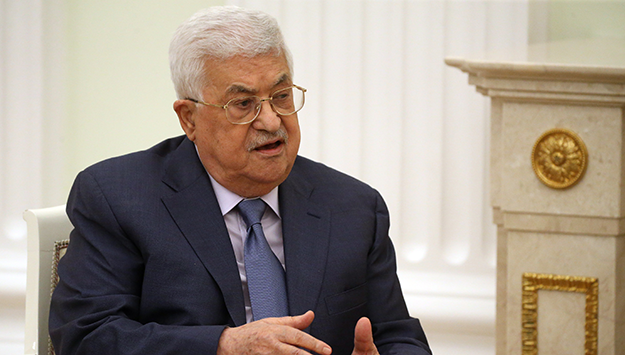
Fourteen years after the Palestinian pro-Islamist group Hamas won a majority of seats in the Palestinian Legislative Council (PLC) in 2006, Palestinians may finally be returning to elections as a mechanism to resolve their differences and to present a unified legitimate national leadership. In a sign of progress toward reconciliation, Palestinian leaders met in person and over teleconference on September 3 and vowed to address threats to the Palestinian national movement. Most recently, President Abbas, addressing the U.N. General Assembly on September 25, declared that presidential elections would take place soon.The question now will be whether a unified Palestinian policy, means of accomplishing it, and a new leadership can be born in the coming six months.
As the United Arab Emirates (UAE) and Bahrain move forward with their separate processes to normalize relations with Israel, the question that seems to be on the mind of many, both in Washington and in the region, is whether or when the Saudis will follow.
Using digital tools, the IRGC strengthens its grip on power in Iran
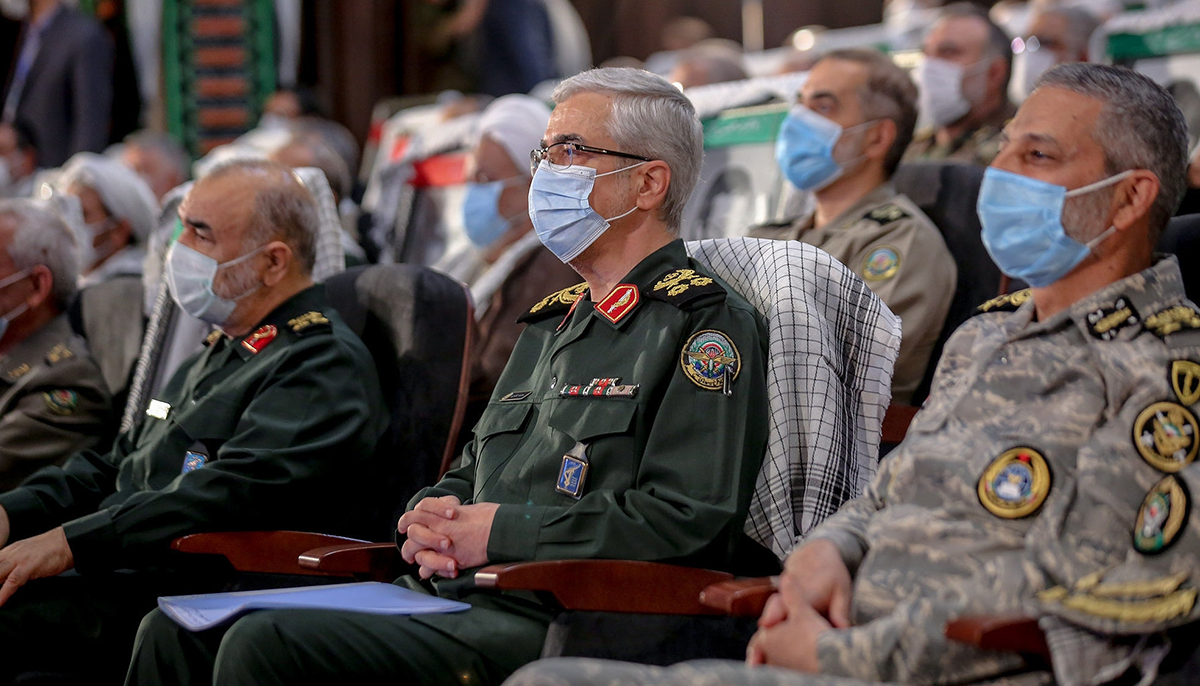
Over the past decade, Iran has made a concerted push to expand its cyber capabilities, an effort in which the IRGC has played a central role. Given the IRGC’s expansive and growing power, scholars, analysts, and many Iran watchers have long thought that at some point it could take over control in Iran, replacing the theocratic government with a military one. As Iran approaches an inflection point over the issue of succession after Ayatollah Khamenei, that day could be coming soon, and the IRGC is well placed to bring about such a transition given the hybrid mix of physical and cyber capabilities that it has developed and perfected over recent decades.
How can China maintain good relations with both Israel and Iran?
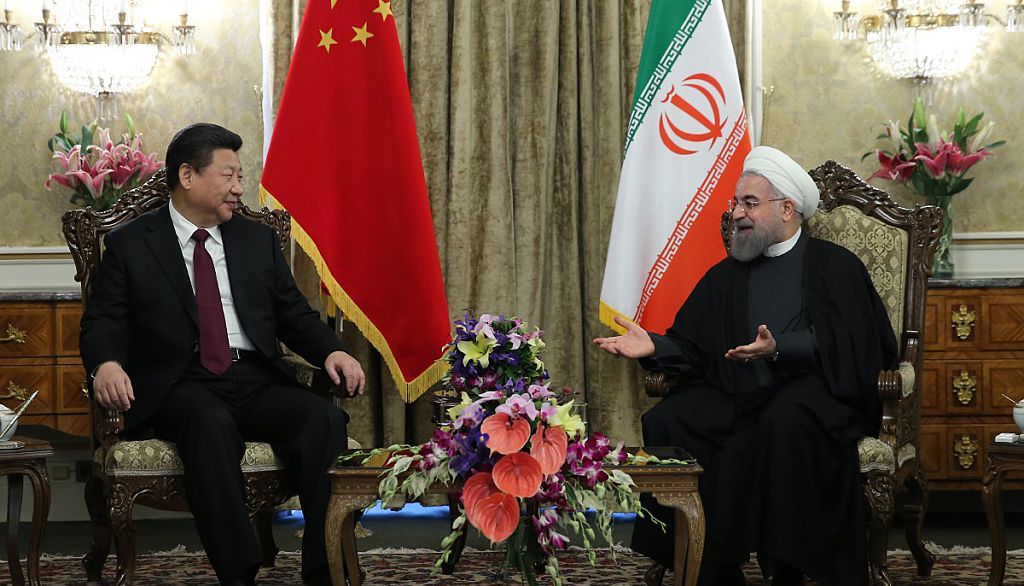
In recent years, China has become increasingly involved in the international arena, including the Middle East. As a rising superpower, China finds itself, time and again, needing to maintain relationships with countries that are hostile to one another. This is particularly true in the Middle East, which is one of the most conflictual areas in the world. China faces a challenge as it seeks to maintain good relations with both Iran and Israel, two of the region’s fiercest and loudest adversaries. How does Beijing manage to do this, and can it continue to do so going forward?
Dictators and civilizational thinking in Iran: From the Great Civilization to Islamic Civilization
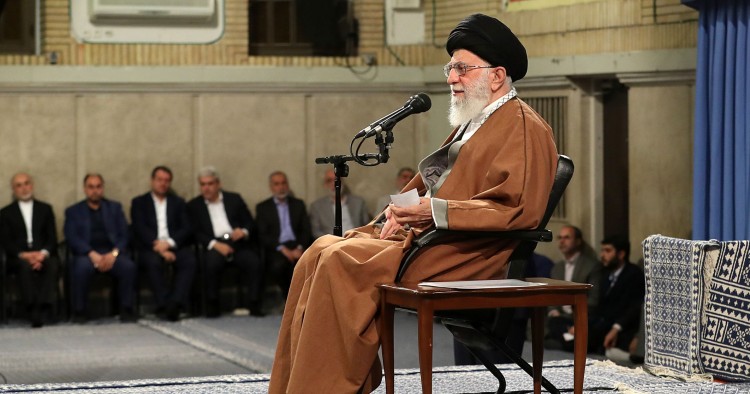
Despite critical differences between the two political regimes that have dominated Iran for nearly a century, there are striking similarities between the Pahlavi monarchy (1925-1979) and the Islamic Republic (1979-present). Like Mohammad Reza Shah, Ayatollah Ali Khamenei has built a cult of personality around himself and has engaged in “civilizational thinking” — a preoccupation with defining the eternal essence and world-historical destiny of Iran through references to a glorious (one might say “glorified”) collective past. Nonetheless, the two leaders have interpreted Iranian history in vastly differing ways that serve divergent ideological ends.
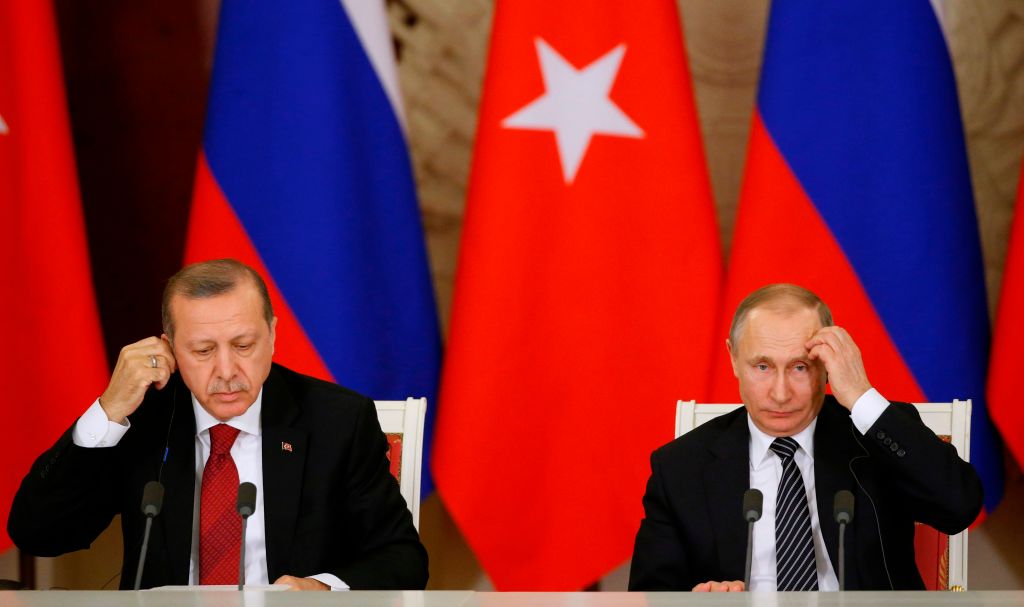
Monday Briefing: Will Russia and Turkey face off over Nagorno-Karabakh?
This week’s briefing on recent news and upcoming events in the region featuring Maxim A. Suchkov, Ibrahim Jalal, Eliza Campbell, Alex Vatanka, and Marvin G. Weinbaum.
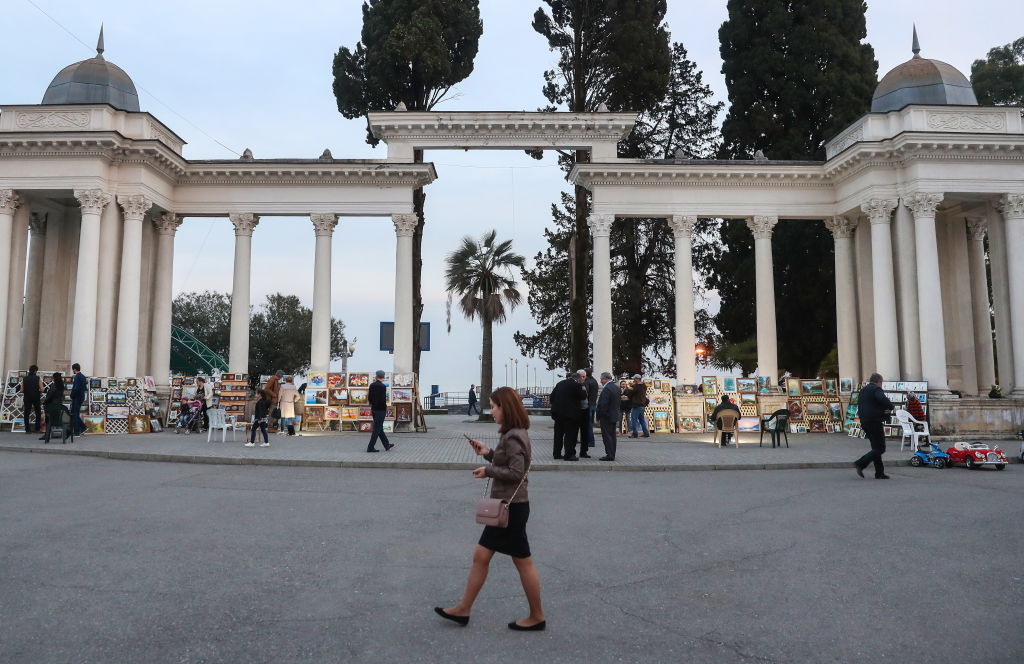
Abkhazia, Georgia and COVID: An opportunity from crisis
As with nearly everywhere in 2020, the Caucasus has been hit hard by the coronavirus pandemic. While Armenia has registered by far the most cases of the three internationally recognized South Caucasian states, it’s another regional territory where the pandemic’s effects are being felt most broadly: the breakaway Georgian province of Abkhazia.
Challenges of economic integration in the Black Sea
Countries in the Black Sea region have largely failed to integrate with their neighbors, despite common levels of openness and dependence on foreign trade. For many countries in the region, trade has become a driving force for growth, accounting for on average one-third of regional GDP. However, Black Sea supply chains largely connect the region to the outside world – primarily Europe and Asia – instead of neighboring countries. Highly integrated trade relationships, like those seen in Southeast Asia, simply do not exist amongst Black Sea countries.
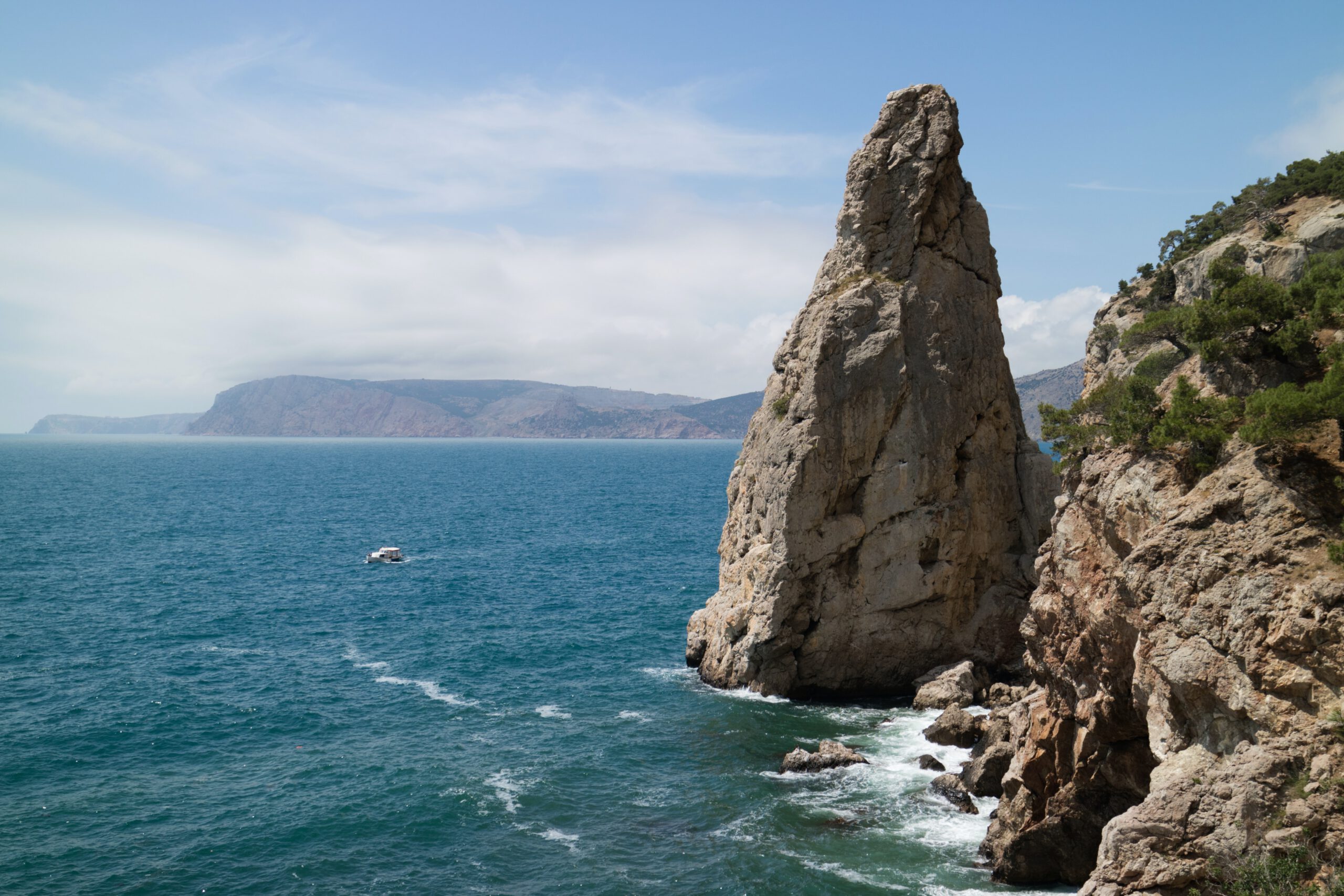
Russian dominance in the Black Sea: The Sea of Azov
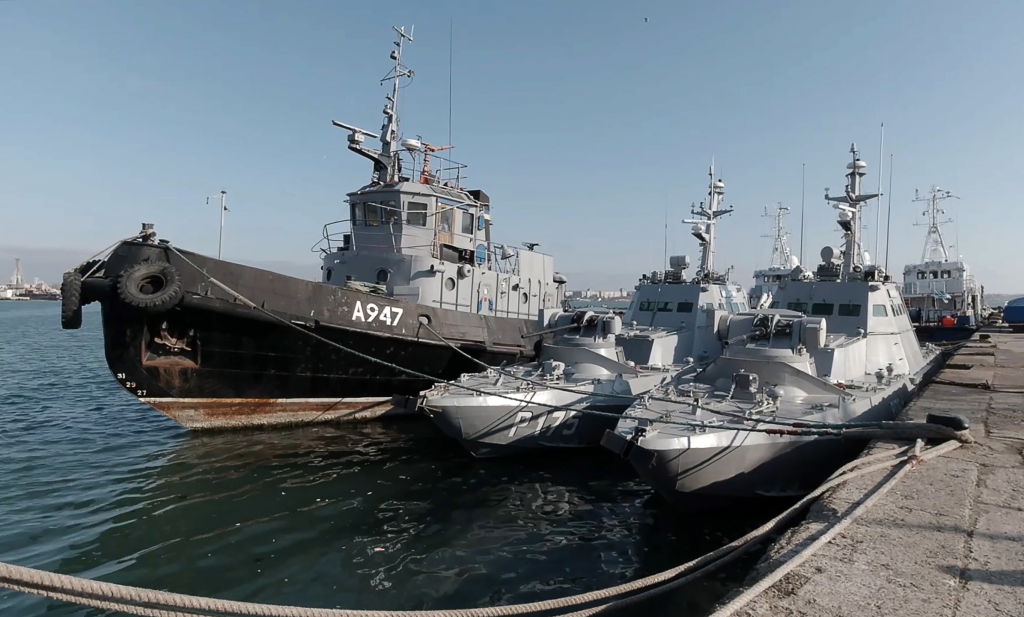
Since its annexation of Crimea, Russia has spent the past few years militarizing the peninsula. But one aspect of Russia’s control of Crimea is less discussed in Western policy circles—the importance of the Sea of Azov to Russia’s Black Sea ambitions. Russian control of Crimea does not only bring the goal of turning the Black Sea into a Russian lake closer, control over Crimea gives Russia dominance over the Sea of Azov.
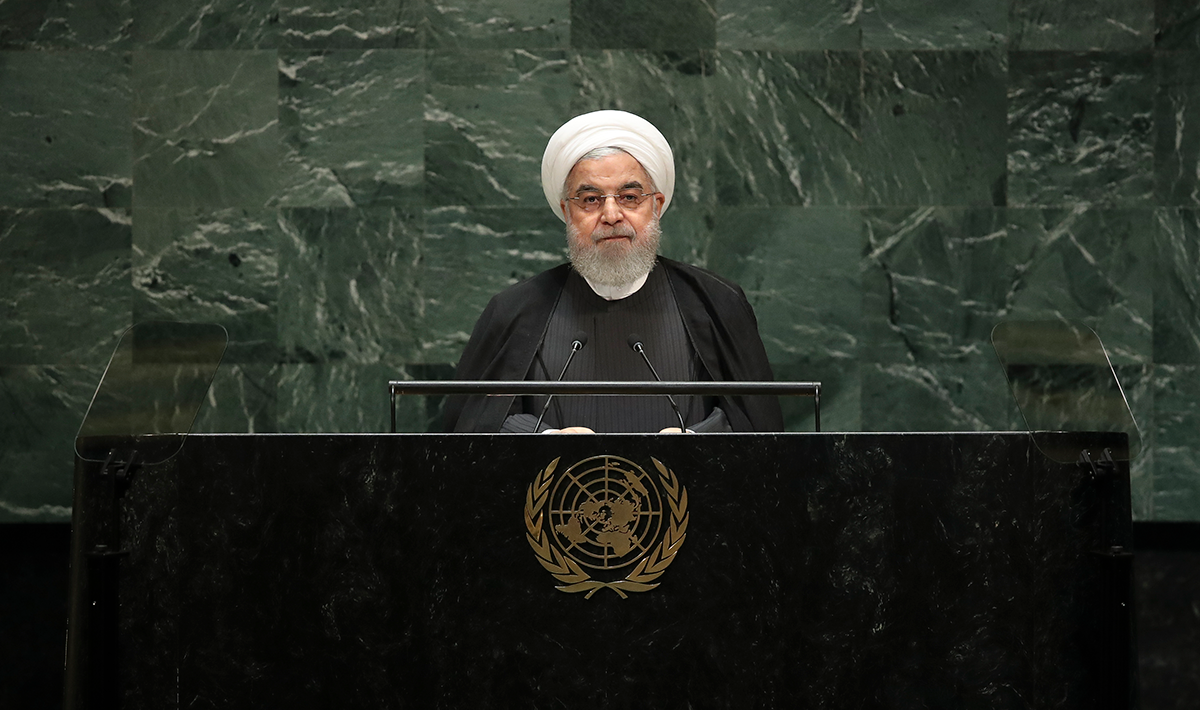
Last September, at the 74th session of the U.N. General Assembly, Iranian President Hassan Rouhani proposed the optimistically named “Hormuz Peace Endeavor” (HOPE). Over the past year, however, Iran’s plan has failed to gain any traction with the GCC states, even as the region’s security environment has fundamentally changed in ways that are detrimental to the Islamic Republic.
حلقة 10: الخيارات الفلسطينية بعد الاتفاقية بين الإمارات وإسرائيل — مع حنان عشراوي
كيف تقرأ القيادة الفلسطينية “اتفاقية إبراهيم”؟ كيف يغير ذلك من طبيعة الصراع ومآلاته المحتملة؟
بعد ثلاثة عشر عاماً منذ سيطرة حماس على غزة والشرخ الفلسطيني، أين هي القيادة الفلسطينية اليوم وما هي أولوياتها؟ ما الذي تنتظره السلطة الفلسطينية لإجراء انتخابات جديدة؟ هل هناك فرصة للقيادة الفلسطينية يمكن أن تستغلّها للدفع بالمفاوضات للأمام؟ ضمن المعطيات الحالية، هل يمكن الاستعانة بدور إماراتي وبحريني بشكل يخدم مصلحة الفلسطينيين؟
بالنسبة للدور الأمريكي، هل يمكن أن تلعب الولايات المتحدة دوراً مختلفاً في المستقبل في الصراع الفلسطيني-الإسرائيلي؟ ما هي طلبات القيادة الفلسطينية لتحقيق ذلك؟ في حال ربح بادين بالانتخابات، هل يمكن أن يؤدي ذلك إلى اختلاف في الدور الأمريكي؟