This individual is a guest contributor. MEI is not able to assist with contact requests.
Rebecca Anne Proctor is an independent journalist, editor, author, and broadcaster based in Dubai and Rome, from where she covers the Middle East and North Africa. She is the former editor-in-chief of Harper’s Bazaar Art and Harper’s Bazaar Interiors.
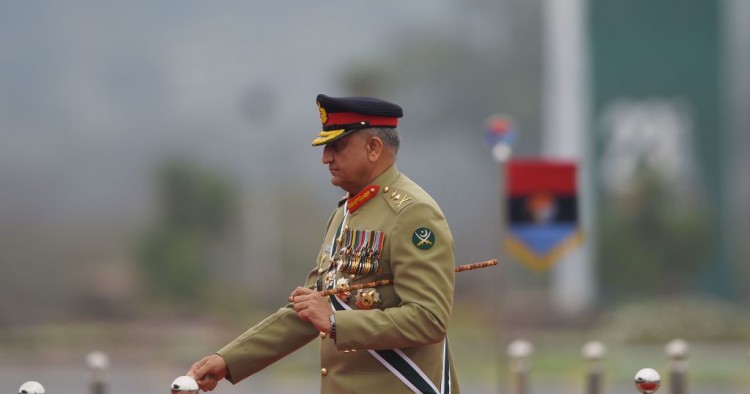
Looking to repair ties, Pakistan’s Gen. Bajwa heads to Saudi Arabia
All is not well in Pakistan-Saudi relations, which seem to have gone into a tailspin. In order to repair the fractured ties with one of the country’s strongest allies, Pakistan’s army has swung into action and its chief, Gen. Qamar Javed Bajwa, will travel to Saudi Arabia for talks this weekend.
MEI’s Paul Salem and Ross Harrison join host Alistair Taylor to discuss the complexity and limitations of US diplomacy with Iran, and how the upcoming US presidential election impacts the state of play. Salem and Harrison examine the issue in depth in their recent article for The National Interest, “The Layers and Limits of Diplomacy With Iran.”
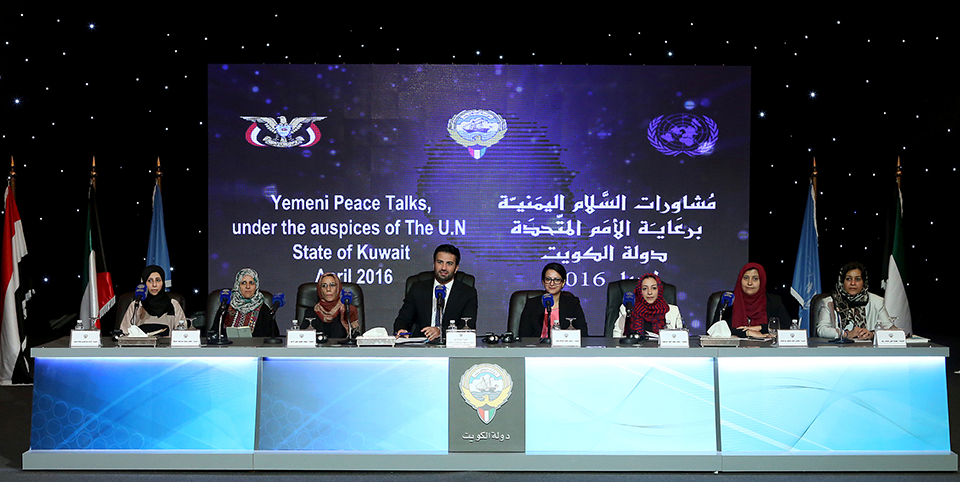
When the Saudi-led coalition launched military operations against the Houthi insurgents on March 26, 2015, all of the Gulf Cooperation Council (GCC) states, except for Oman, joined the multinational force. As has become clear, each of the Arab Gulf sheikdoms has its own national interests and unique history of relations with Yemen and Yemeni factions, and these have shaped their changing perceptions of the war over the past five and a half years. Kuwait’s role in Yemen’s multidimensional conflict is a case in point.
5G adoption and its implications in the Gulf states
As many of the Gulf states pivot away from oil and gas, they have turned to digital development as a way to attract foreign investment and spur domestic growth. A critical part of these digital transformations is the widespread adoption of 5th generation mobile communication networks (5G). Large-scale investment in 5G rollouts in Saudi Arabia, Qatar, the United Arab Emirates (UAE), and Bahrain reflect this reality.
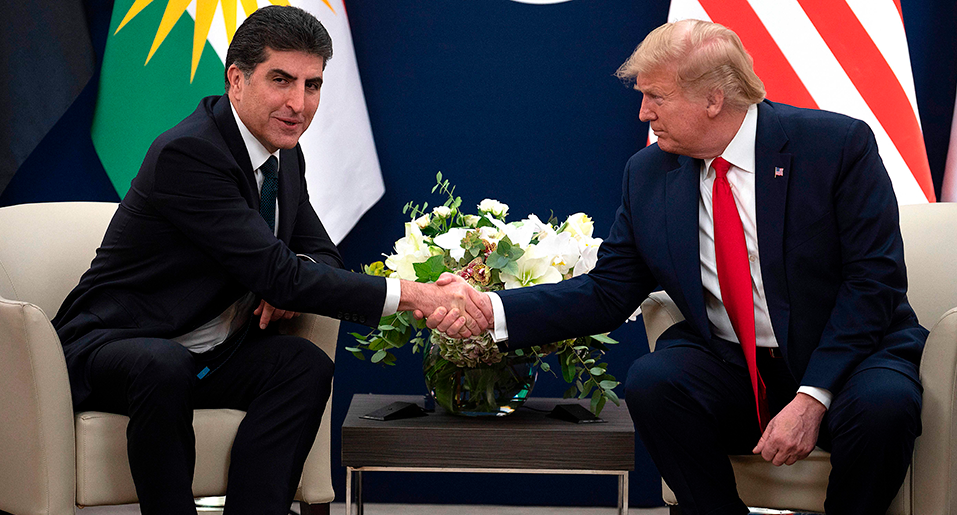
Iraqi Kurdistan in the US-Iraq strategic dialogue: Re-evaluating security sector reform
The United States’ primary focus on maintaining stability in the Kurdistan Region of Iraq (KRI) has been detrimental to the region. Channeling military aid to partisan militias has entrenched the duopoly rule of the Kurdistan Democratic Party (KDP) and the Patriotic Union of Kurdistan (PUK) while preventing meaningful democratic reforms that could bring long-term stability.
Censorship, streamlined: Turkey’s social media law and the future of free speech online in the Middle East
In an unexpected and disappointing turn of events, Turkey’s ruling Justice and Development Party and its parliamentary ally, the Nationalist Action Party, rushed through a stifling social media amendment to Turkey’s Internet Act.
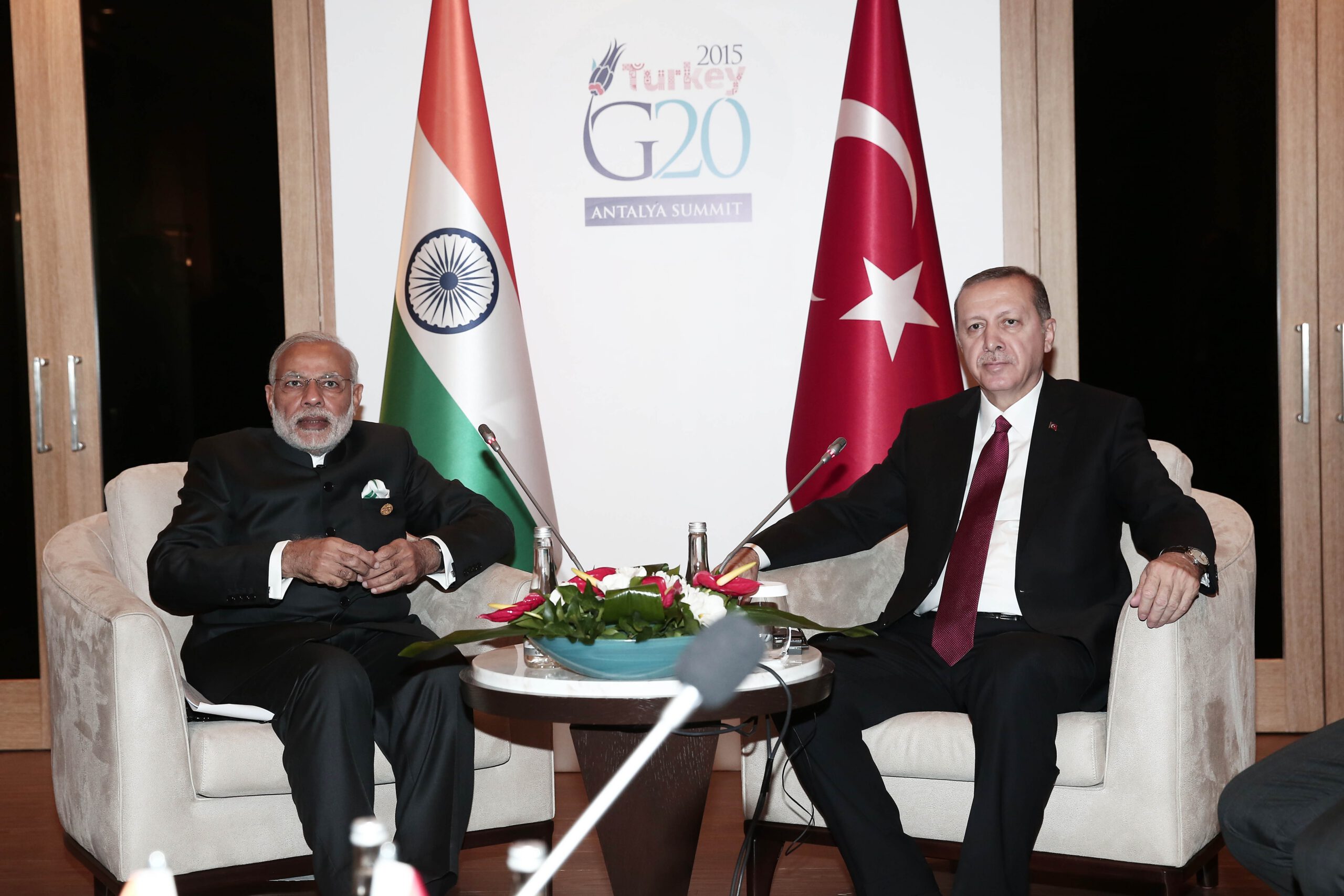
Both Turkey and India are middle-income secular democracies with deep historical connections, leading one senior Turkish lawmaker recently to refer to the two countries as “natural allies.” However, there has long been an impediment to developing more fruitful ties with India: Turkey’s pro-Pakistan orientation. The origins of this friction point date to the early 1950s, namely the inception of the Cold War and the early stages of the Indo-Pakistan conflict. This stumbling block has yet to be overcome. In fact, the “Pakistan factor,” specifically the Kashmir conflict, has lately resurfaced as a source of Turkey-India contention.
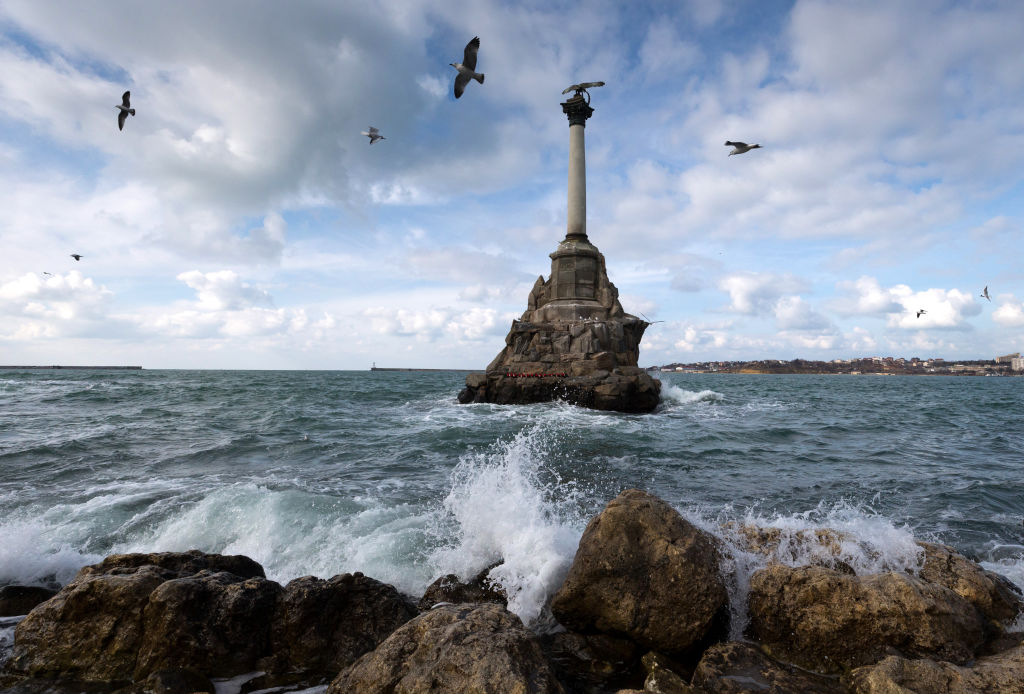
For those who study the countries and regions that surround it, the Black Sea is many things — a global trade thoroughfare, a zone of contestation, a cradle of civilizations, and a dying ecosystem. But, curiously, one of the more opaque factors is whether the Black Sea region — the states and polities on its littoral and immediate hinterland — is a region at all.
This week’s briefing on recent news and upcoming events in the region featuring Randa Slim, Alex Vatanka, Mirette F. Mabrouk, Marvin G. Weinbaum, W. Robert Pearson, and Rauf Mammadov.
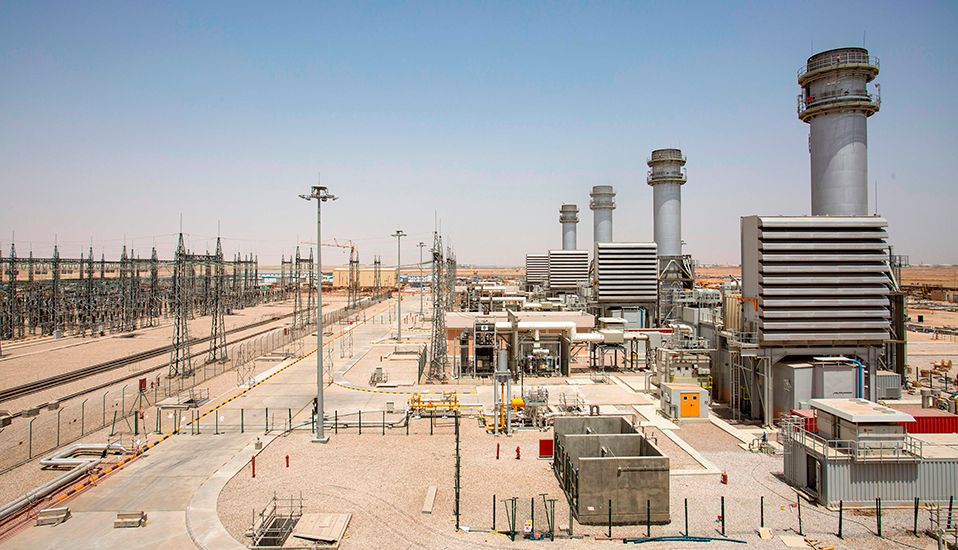
Iraq’s long-running electricity dilemma is now a daily source of public misery. The struggle of the power generation and distribution system to keep up with relentless demand caused by almost free electricity, especially as temperatures soar to record levels of over 120 degrees, is likely to get worse without reforms.
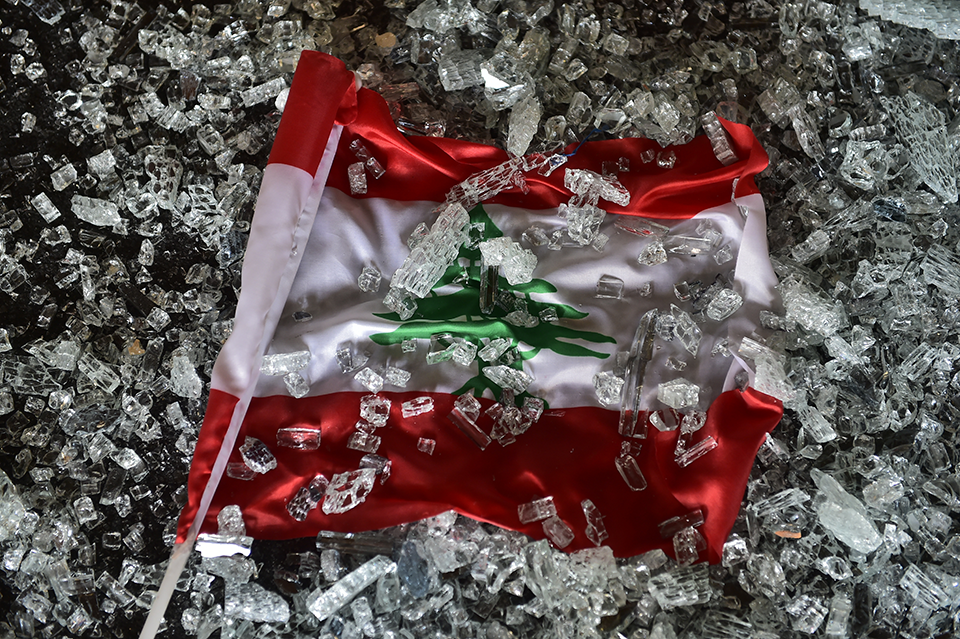
يتعرض استقرار لبنان حاليا لتهديد أكبر مما كان عليه في أي وقت منذ نهاية الحرب الأهلية عام 1990. الانفجار الهائل الذي شهده مرفأ بيروت في الرابع من آب/أغسطس الجاري الذي أودى بحياة المئات وجرح الآلاف وتسبب بأضرار مادية تقدر بمليارات الدولارات، لم يترك أثرا عميقا على أجساد ومعنويات اللبنانيين فحسب، بل غيّر أيضًا الأطر المرجعية للقوى السياسية المعارضة في البلاد. لقد اتخذ الصراع السياسي الآن بعدا وجوديا.
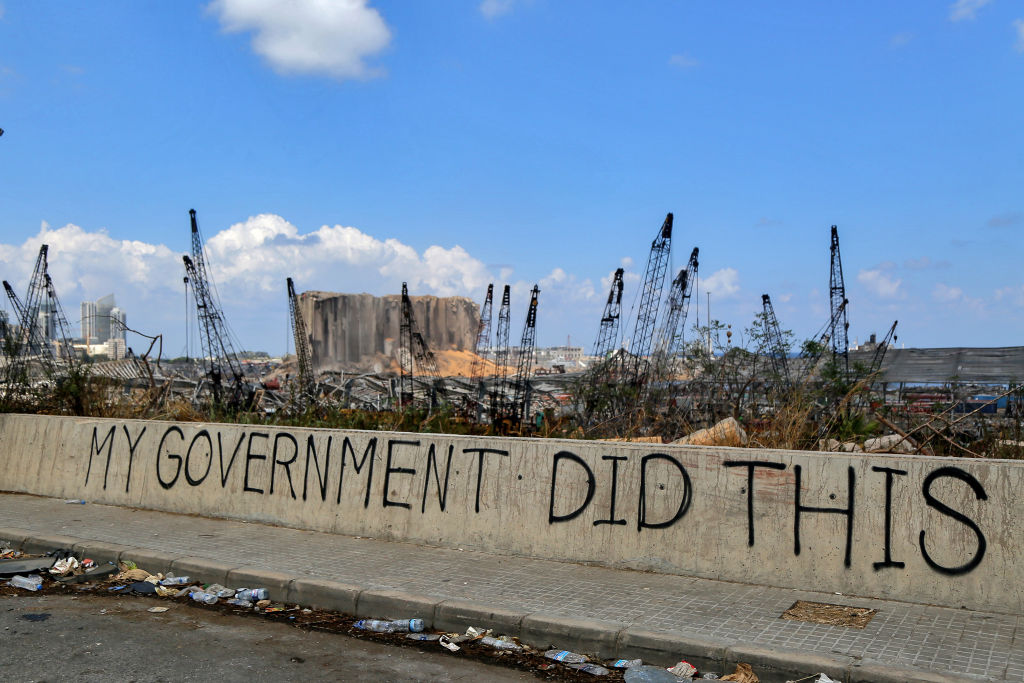
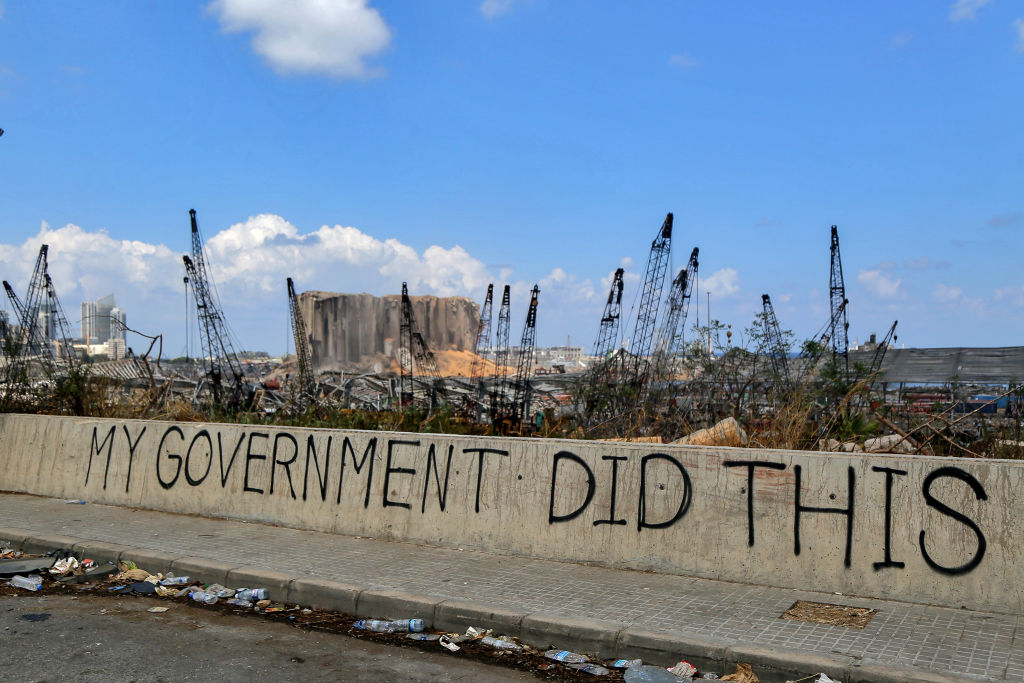
Beirut will rise again from the ashes, like it always has. But the real rebuilding that must occur is not physical in nature. It is political. Nothing will truly change in Lebanon unless the country’s corrupt and incompetent leaders, who have been in power for decades, are unseated.
America must stay focused on Georgia's de-occupation and transatlantic path
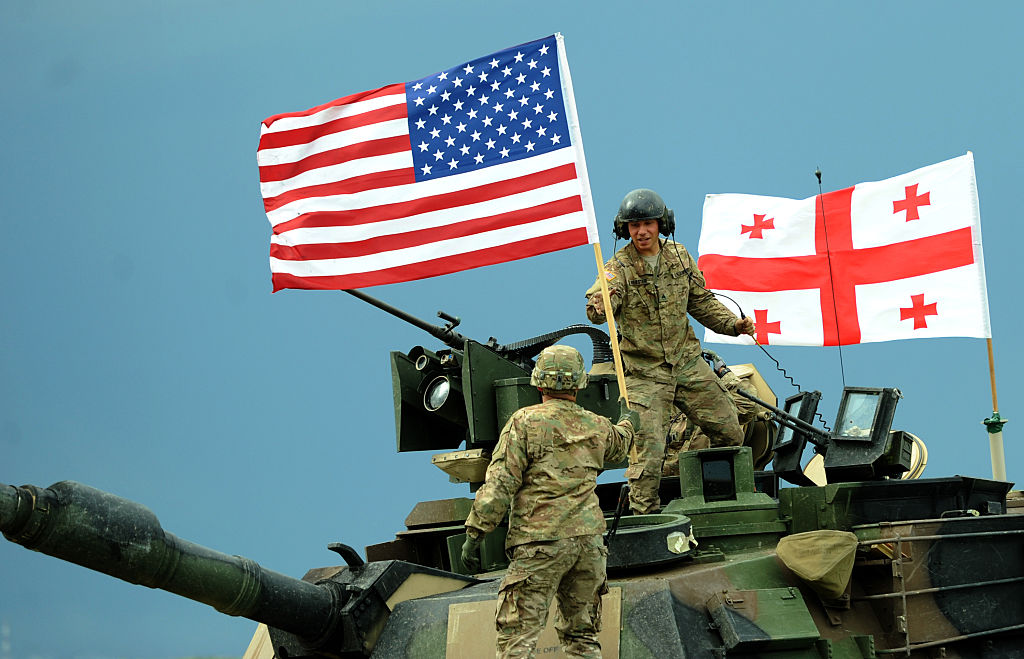
This week marks the 12th anniversary of Russia’s wonton invasion of Georgia. While the world was fixated on the Summer Olympics in Beijing, an invasion force comprised of hundreds of Russian tanks and armored vehicles passed through the Roki tunnel on the Russian–Georgian border.
What does China’s growing engagement in Afghanistan mean for the US?
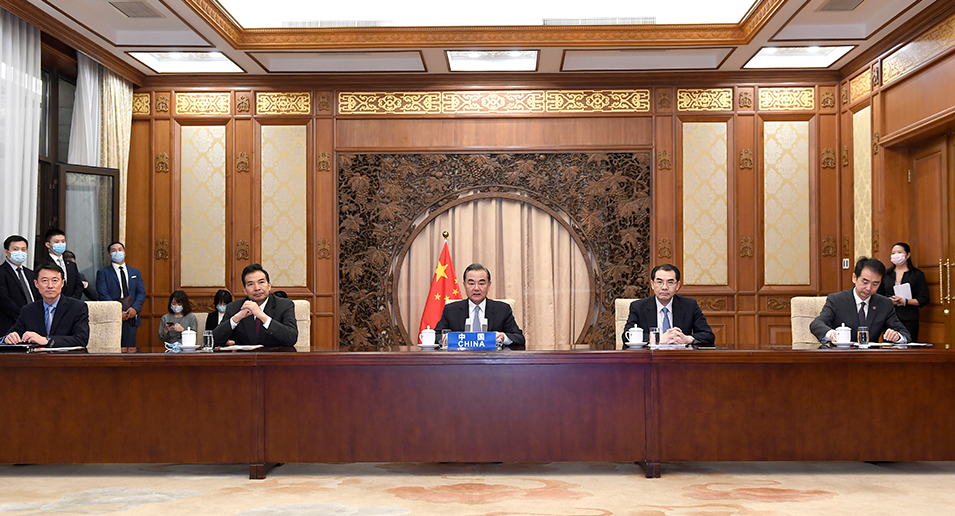
On July 27, Chinese Foreign Minister Wang Yi held a video conference with his counterparts from Afghanistan, Pakistan, and Nepal to suggest expanding their pandemic cooperation and proposed extending the China-Pakistan Economic Corridor into Afghanistan. Although the details about what this quadrilateral framework would entail and how it would work are unclear, any movement toward its institutionalization would be a serious challenge for the United States.
حلقة 5: انفجار بيروت وتبعاته السياسية — مع بول سالم ورندى سليم وفراس مقصد
ما هو الأثر السياسي لانفجار بيروت؟ كيف يمكن أن تكون ردة فعل الشارع؟ وهل هناك إمكانية لتغيير حقيقي في الطبقة السياسية في لبنان؟ ما هو الدور الذي يحاول ماكرون القيام به في لبنان وهل سيتمكن المجتمع الدولي من لعب دور إيجابي؟ وماذا عن الدول الإقليمية؟