This individual is a guest contributor. MEI is not able to assist with contact requests.
Rebecca Anne Proctor is an independent journalist, editor, author, and broadcaster based in Dubai and Rome, from where she covers the Middle East and North Africa. She is the former editor-in-chief of Harper’s Bazaar Art and Harper’s Bazaar Interiors.
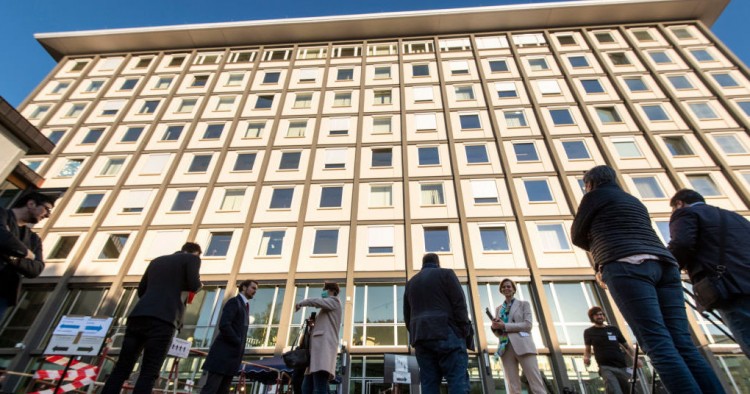
The road to accountability in Syria will undoubtedly be long, difficult, and imperfect. However, in recent years and even months, there have been tangible steps taken toward criminal accountability, particularly in Europe.
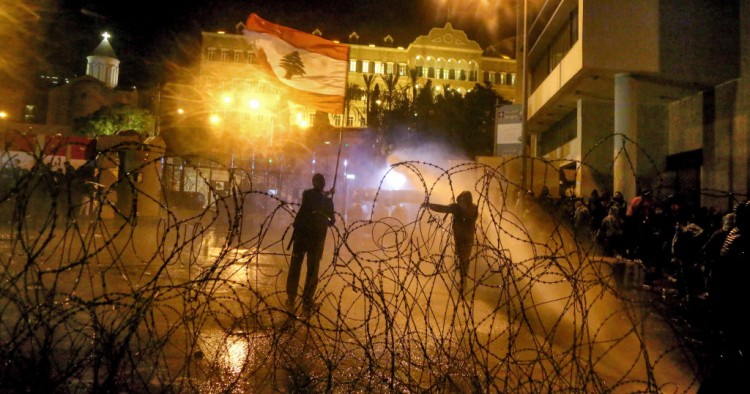
Lebanon Policy Paper: Recommendations for a Sustainable Bilateral Relationship
Lebanon is on the brink of collapse due to its domestic economic and political crises, exacerbated by the COVID-19 pandemic. Another failed state in the Middle East would negatively impact strategic U.S. interests in the region. Lebanon requires a thorough reorientation towards stability and renewed socio-economic sustainability which entails fundamental domestic reforms and targeted international support led by the U.S.
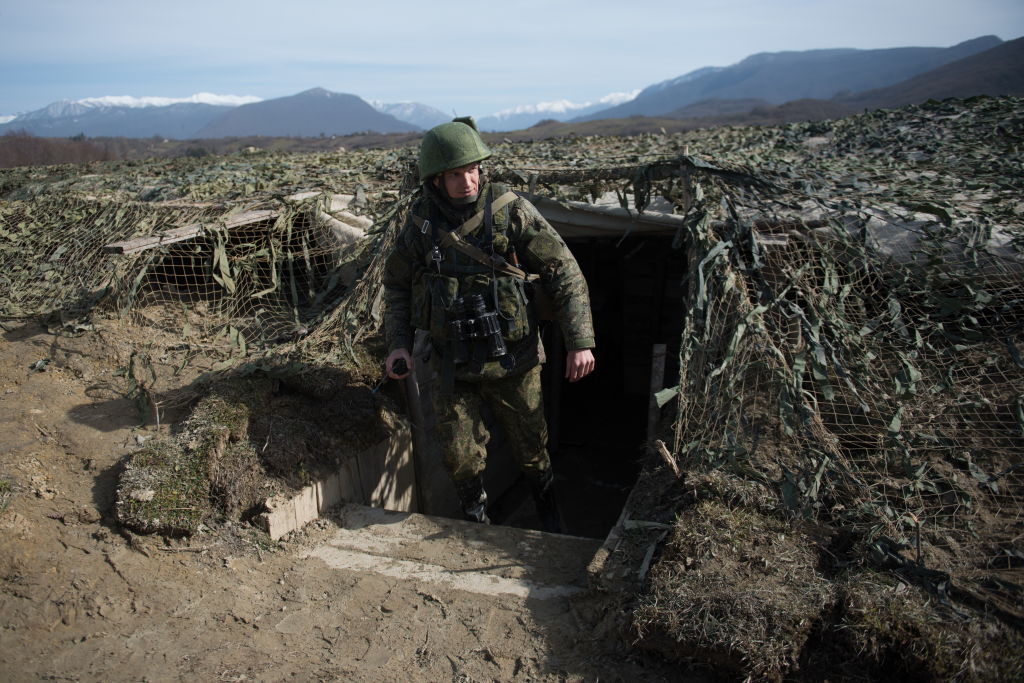
Russia’s approach to Responsibility to Protect in the Black Sea and Syria
Where most of the international community sees R2P as a mechanism for protecting human rights when a state cannot or will not ensure them, Russia’s take on the same concept focuses on the protection of national sovereignty at any cost. However, Moscow’s commitment to the notion of sovereignty has been selectively applied to the states of the Middle East and the Black Sea.
The eastern Mediterranean heats up as conflicts over energy move onshore
Not too long ago, the Mediterranean was described as “NATO’s lake” — a sleepy backwater in a world dominated by conflict. Today, Israel’s quarrels with Lebanon, Palestine, and Syria are viewed — and minimized — as legacy conflicts, overshadowed by a new and unstable strategic environment centered upon competing visions of offshore energy and security in the eastern Mediterranean.
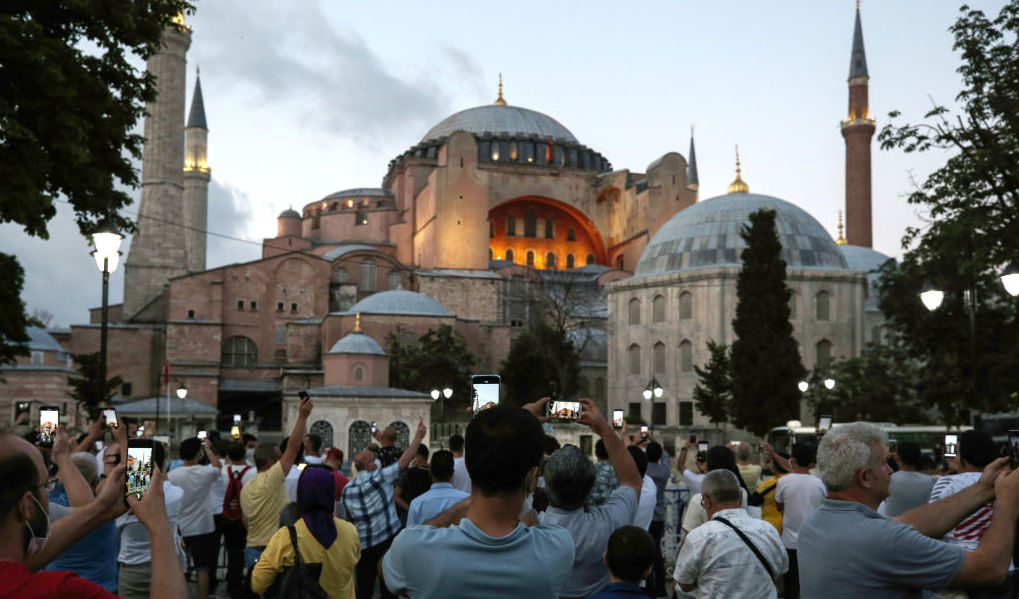
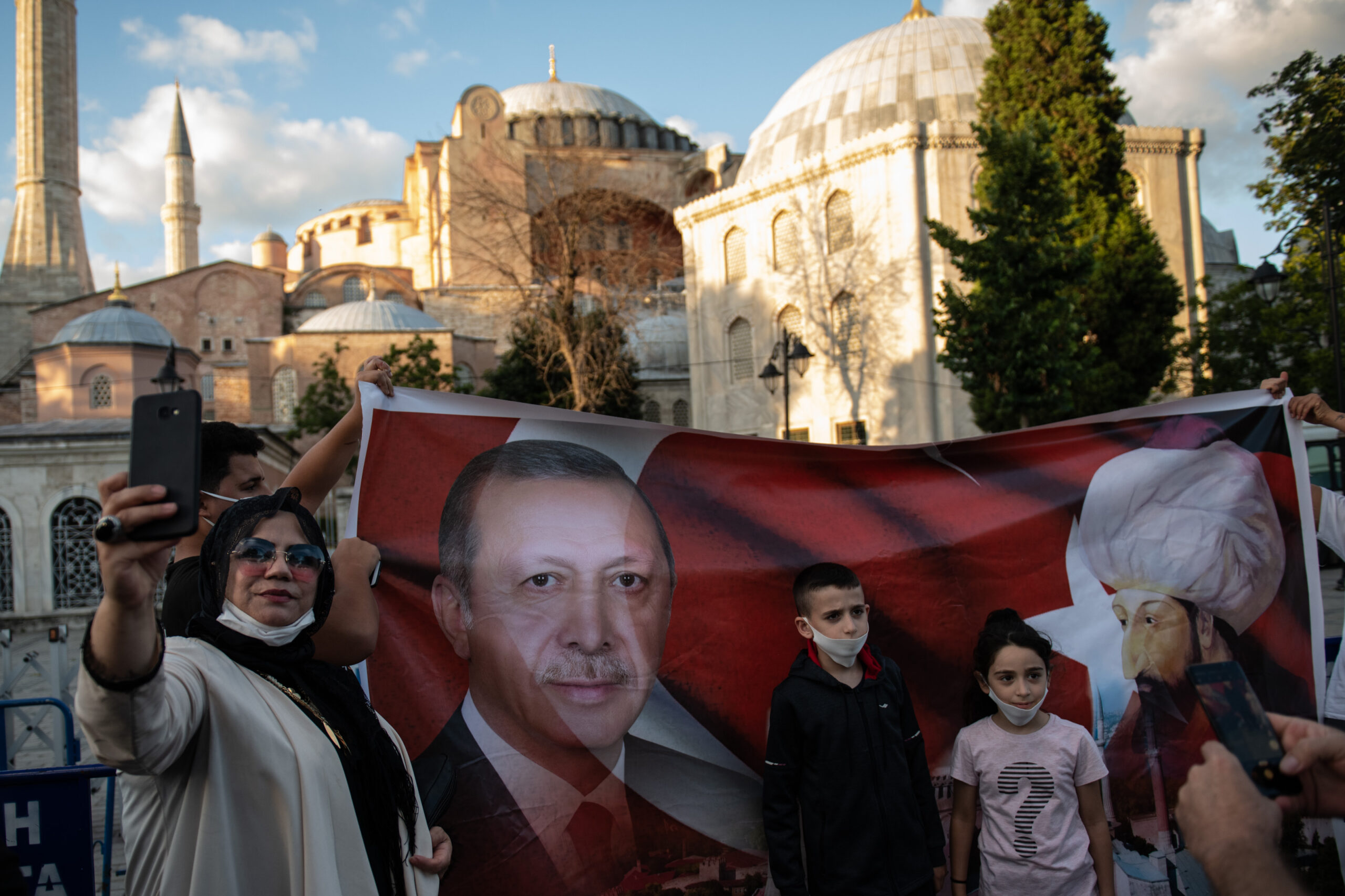
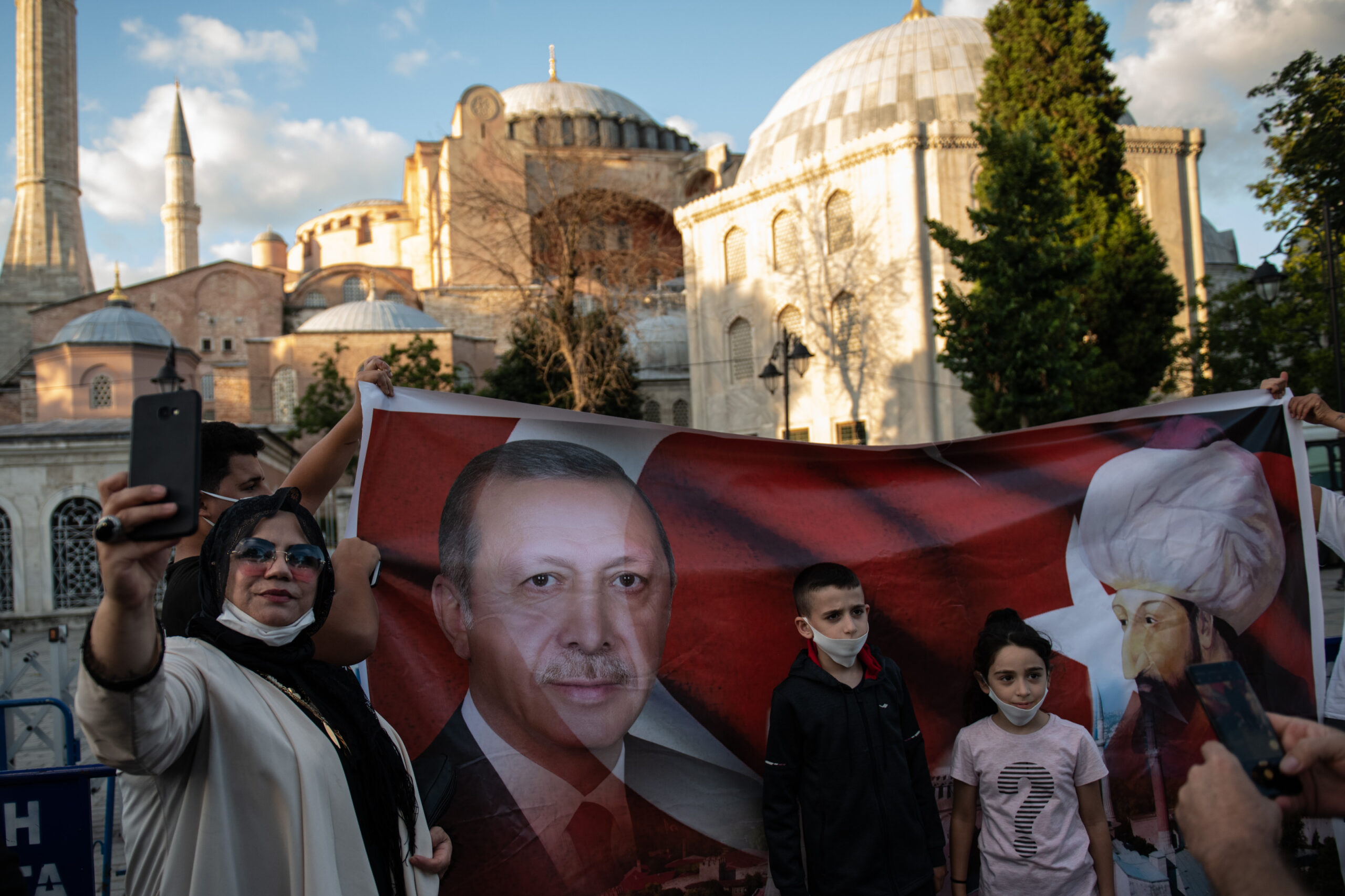
Monday Briefing: Erdoğan and the “symbolic war” over Hagia Sophia
This week’s briefing on recent news and upcoming events in the region featuring Seren Selvin Korkmaz, Marvin G. Weinbaum, Mirette F. Mabrouk, Robert S. Ford, and Nilsu Goren.
“في غياب سياسات ملموسة للتعامل مع المشاكل الاقتصادية والسياسية التي تواجهها البلاد، يجد أردوغان الخلاص في الشعبوية”.
أصدر الرئيس رجب طيب أردوغان مرسوما يوم الجمعة يأمر اسطنبول بتحويل متحف آيا صوفيا التاريخي إلى مسجد. آيا صوفيا الكاتدرائية البيزنطية التي اكتمل بناؤها عام 537 تم تحويلها إلى مسجد من قبل السلطان محمد الثاني بعد الفتح العثماني عام 1453. وفي عام 1934، في عهد الرئيس مصطفى كمال أتاتورك، تم تحويلها إلى متحف بموجب مرسوم حكومي.
US-Russia rift exacerbates Afghanistan’s crisis of confidence
Multiple signs point to a crisis of confidence in Afghanistan. Ever since the publication of a sensational report alleging that a Russian military intelligence unit secretly offered bounties to the Taliban to kill American soldiers, there has been an intense debate about the possibility of peace in Afghanistan following the U.S. exit.
Alex Vatanka, Nazila Fathi, and Amin Mohseni join host Alistair Taylor to discuss the social, economic, and political challenges facing Iran, ranging from the COVID-19 and economic crises to the new Parliament and next year’s presidential election.
حلقة 2: الميليشيات العراقية المدعومة من إيران — مع رندى سليم
ضيفة الحلقة الدكتورة رندى سليم، وتناقش القوة الحقيقية للميليشيات المدعومة من إيران في العراق، إذا ما كانت الولايات المتحدة قادرة على المساعدة في تقليص نفوذ هذه الميليشيات، وهل يوجد مواقف مختلفة من دعم هذه الميليشيات داخل النظام الإيراني، ومقارنة الوضع في لبنان مع الوضع في العراق، وموقف حزب الله.
Investing in Syria: “Photo ops” outweigh real change
As in other countries, not all announced investments come to fruition. But the ratio in Syria is particularly staggering. Of the 118 projects approved by the Syrian Investment Agency in 2018, only 46 percent have taken any serious steps toward implementation as of early 2020.
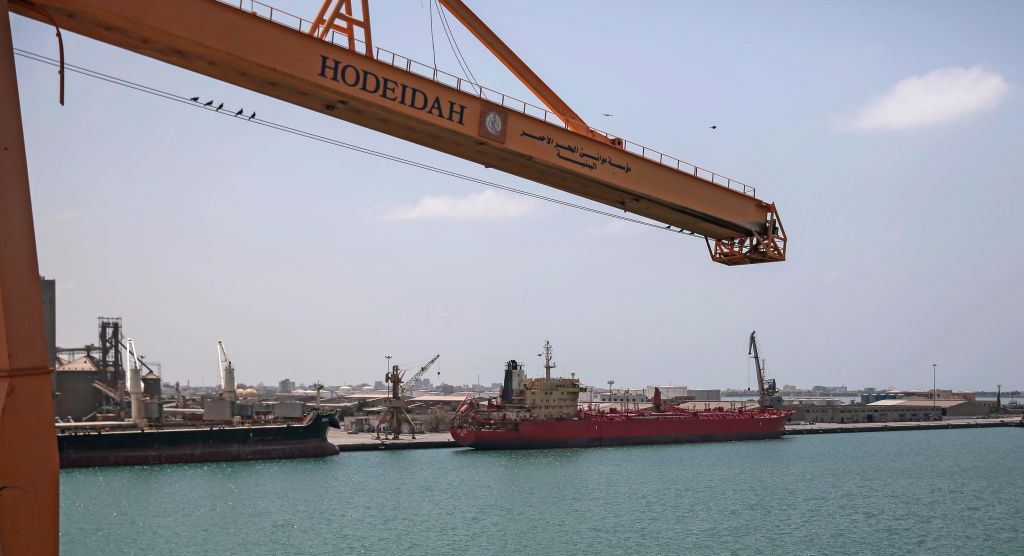
Defusing a “floating bomb”: Yemen’s impending Safer disaster
Having given Yemen’s Houthi rebels control over the ports of Hodeida governorate on humanitarian grounds as part of the December 2018 Stockholm Agreement, the international community has failed to address the looming environmental, economic, and political threats presented by the decaying Safer oil tanker sitting offshore — a “floating bomb” waiting to explode.