This individual is a guest contributor. MEI is not able to assist with contact requests.
Rebecca Anne Proctor is an independent journalist, editor, author, and broadcaster based in Dubai and Rome, from where she covers the Middle East and North Africa. She is the former editor-in-chief of Harper’s Bazaar Art and Harper’s Bazaar Interiors.
This piece was co-authored by Bilal Saab and Kenneth M. Pollack, resident fellow at the American Enterprise Institute. Read the full op-ed on theWall Street Journal.
France and Egypt Try to Moderate Saudi-Iran Escalation | Monday Briefing
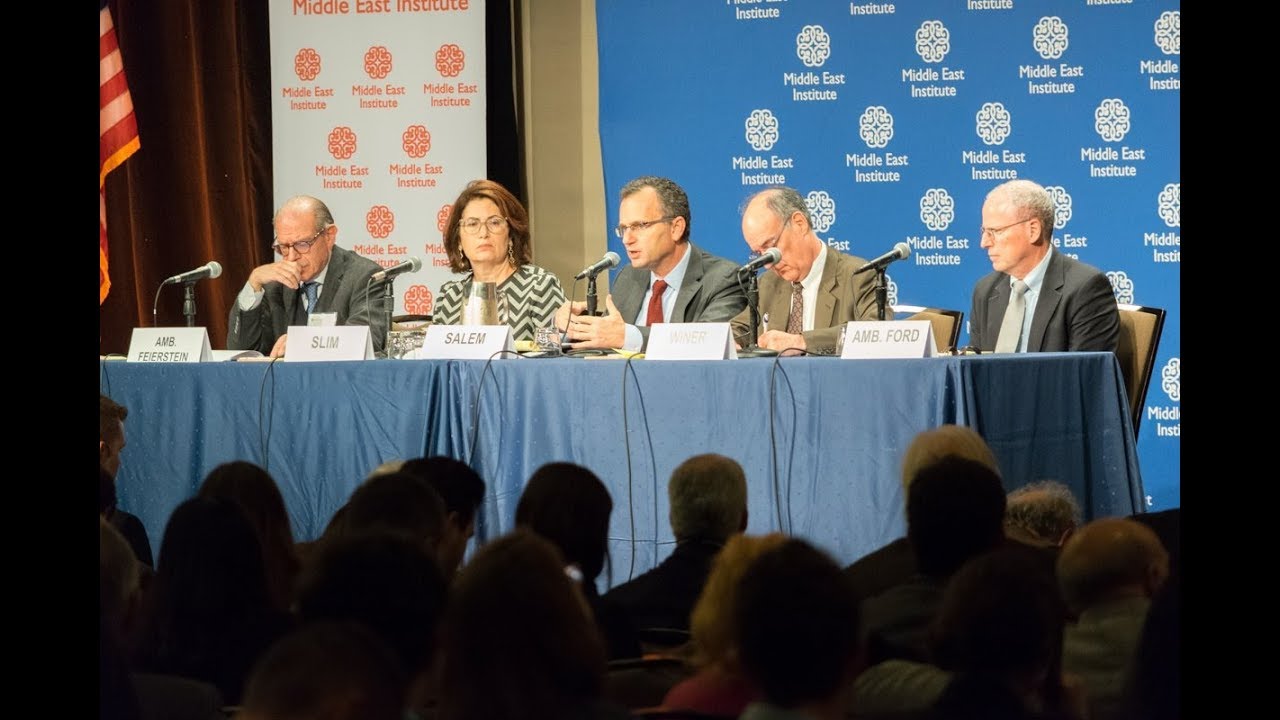
In this week’s Monday Briefing, MEI experts Paul Salem, Alex Vatanka, Randa Slim, Marvin G. Weinbaum, and Eran Etzion provide analysis on recent and upcoming events including the Arab League meeting in Cairo to moderate the Saudi-Iran escalation, Iran’s view of the Sochi Summit as a turning point, Putin’s effort to reach an agreement on Syria before presidential elections, Afghanistan’s response to the increase of US troops on their ground, and the political upheaval in Israel as Netanyahu’s corruption case continues.
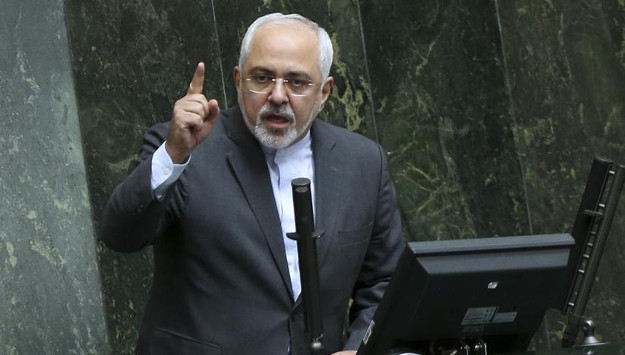
In a meeting today in Tehran with the U.N. special representative for Afghanistan, Tadamichi Yamamo, Iran’s Foreign Minister Javad Zarif raised concern about the growing presence of ISIS fighters in Afghanistan, the Iranian media reported. Zarif emphasized that the Islamic Republic is ready to expand its cooperation with the U.N. and the Afghan government to counter the ISIS threat in Afghanistan and the broader region.
Iran Rules out Missile Talks in Defiance of International Pressure
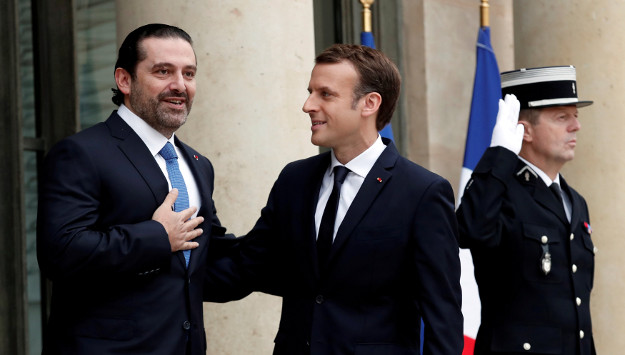
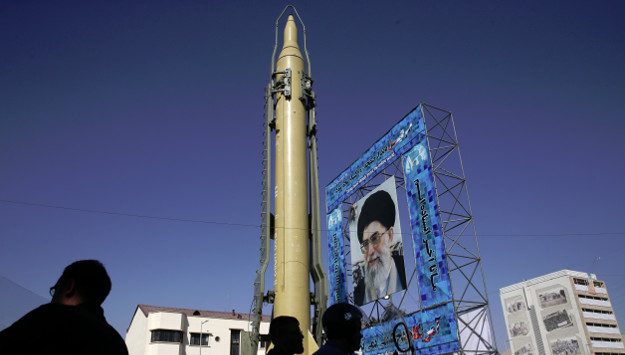
French President Emmanuel Macron’s remarks on Friday about Iran’s destabilizing role in the Middle East and controversial missile program provoked angry reactions in Tehran.
U.S. Treasury Sanctions “Large-Scale” Iran-Linked Counterfeiting Network
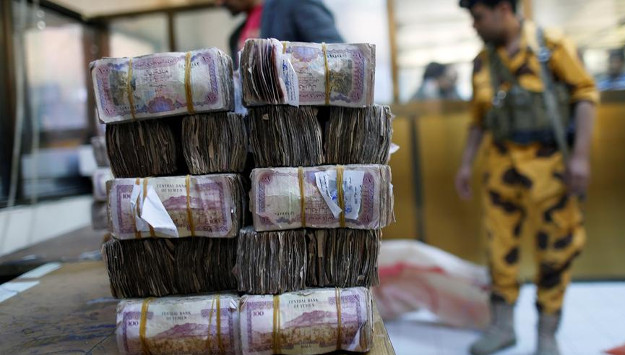
The U.S. Treasury Department today sanctioned a network of individuals and entities involved in counterfeiting Yemeni bank notes for the Islamic Revolution Guards Corps and assisting I.R.G.C.’s destabilizing activities. The network is said to have produced hundreds of millions of dollars in fake Yemeni cash, using “deceptive measures” to circumvent European export restrictions to buy advanced equipment needed to print the money for the I.R.G.C.’s elite Quds Force.
The war in Afghanistan has dragged on for 16 years, appearing to many Americans to have no end in sight or positive outcome. However, as Defense Secretary James Mattis recently testified, “Violence and progress in Afghanistan continue to coexist.” What is that progress, and what does it mean for Afghans themselves? Saad Mohseni, chairman and CEO of Moby Media Group, and Ahmad Majidyar, director of MEI’s IranObserved project, join host Paul Salem to discuss the positive changes taking place in the country.
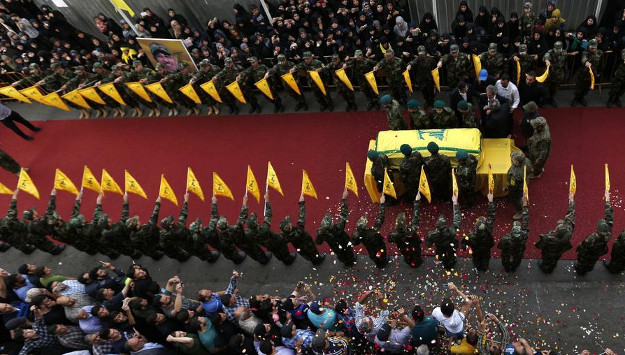
There was a time when Lebanon was a Syrian protectorate occupied by the Syrian Army. The Syrian war over the past six years, however, has somewhat reversed the roles – transforming Lebanese Hezbollah into a leading military force in Syria. Hezbollah has not only deployed thousands of its forces to fight in Syria, but it has also begun recruiting Syrian nationals.
Iran: Debt Payment Not Related to British Mother’s Release
The Iranian Foreign Ministry spokesman has rejected media reports that the British government’s willingness to pay Iran a decades-long debt of about $600 million is related to the potential release of a British mother jailed by the Islamic Republic. “The case of Nazanin Zaghari and the issue of the debt payment to Iran by the British government are separate matters,” Bahram Ghassemi told the Islamic Students’ News Agency today. “Ms.
I.R.G.C. Beating The Drums of War against U.S. in Syria
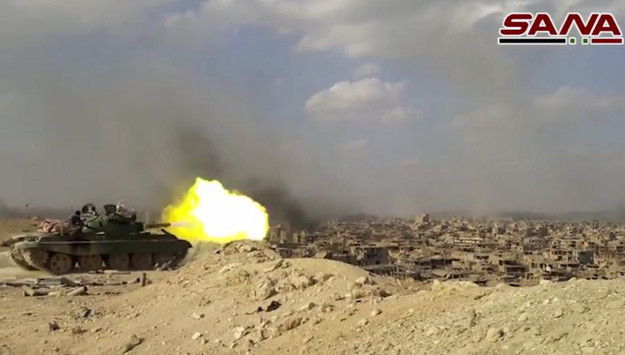
With ISIS on the brink of defeat, Tehran and Damascus say the next phase of the conflict in Syria is for the “resistance forces” to confront the U.S. military and its local allies, particularly the Syrian Democratic Force (S.D.F.). They have dialed up anti-American propaganda and warn that a “direct confrontation” with the U.S. will be necessary if Washington decides to keep its troops in Syria for the long haul.