This individual is a guest contributor. MEI is not able to assist with contact requests.
Rebecca Anne Proctor is an independent journalist, editor, author, and broadcaster based in Dubai and Rome, from where she covers the Middle East and North Africa. She is the former editor-in-chief of Harper’s Bazaar Art and Harper’s Bazaar Interiors.
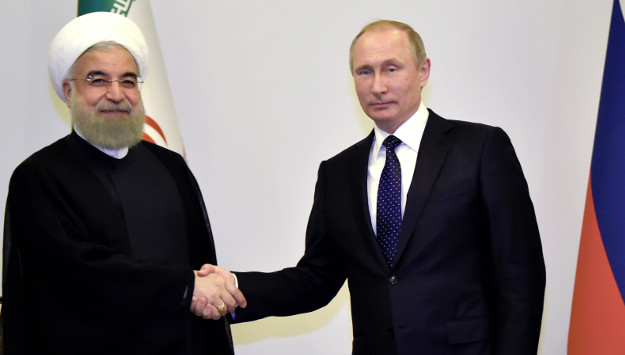
Senior Iranian Official: Syria Crisis Helped Tehran and Moscow to Build “Strategic Ties” but Doubts Remain
A senior Iranian official has said that cooperation between Iran and Russia in Syria elevated relations between the two countries to a strategic level and changed the balance of power in Syria in favor of the government of Bashar al-Assad and its foreign allies.
Barzani Complains to U.S. about Iraqi Popular Mobilization Forces in Sinjar
Iraqi Kurdish Region President Masud Barzani has warned that the Hashd al-Shaabi – the paramilitary Iraqi forces also known as the Popular Mobilization Forces (P.M.F.) – is complicating the security and political situation in Mosul and broader Nineveh Province.
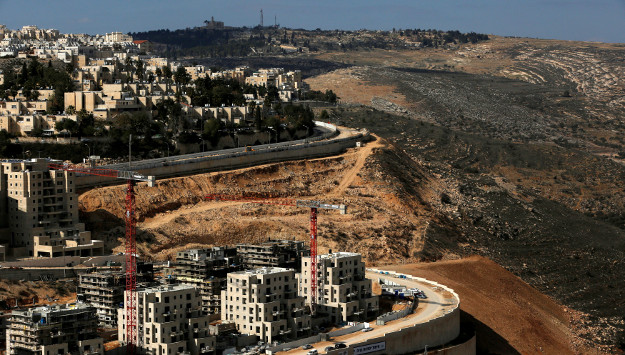
Israel to Announce Settlement Expansion | Monday Briefing
In this week’s Monday Briefing, MEI experts Yousef Munayyer, Randa Slim, and Paul Salem provide analysis on recent and upcoming events including Israel’s expected announcement of new settlement expansion, the escalating risk of a clash between U.S.-backed and pro-Iranian forces in southeastern Syria, and Lebanon’s efforts to pass a reformed election law.
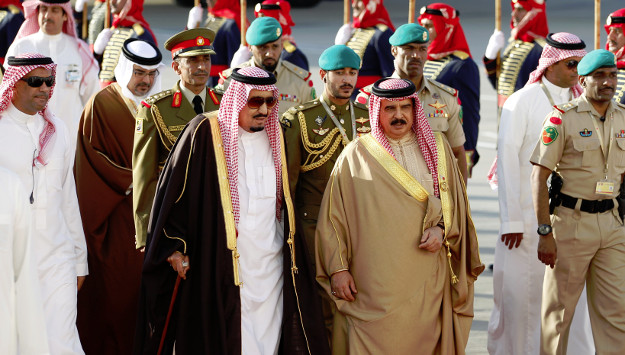
Iranian Officials and Media Outlets React to Gulf Crisis by Blaming U.S. and Saudi Arabia
Iranian leaders and media outlets today reacted to a decision by Saudi Arabia and several other Arab nations to sever diplomatic and commercial ties with Qatar by blaming Washington and Riyadh for regional tension and discord. Alaeddin Boroujerdi, the chairman of Iranian Parliament’s Committee on National Security and Foreign Policy, said the rising tension is a direct result of President Donald Trump’s visit to the Middle East.
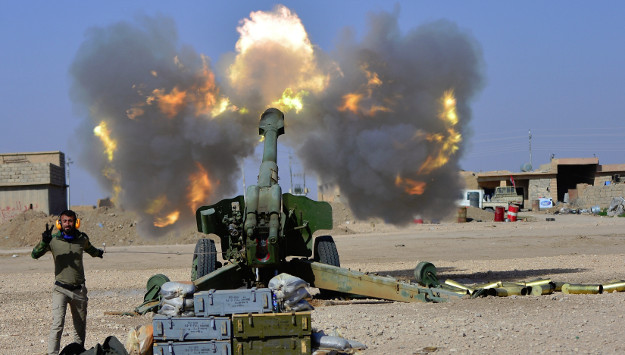
Iran-Supported Iraqi Paramilitaries Capture al-Baaj Region near Iraqi-Syrian Border
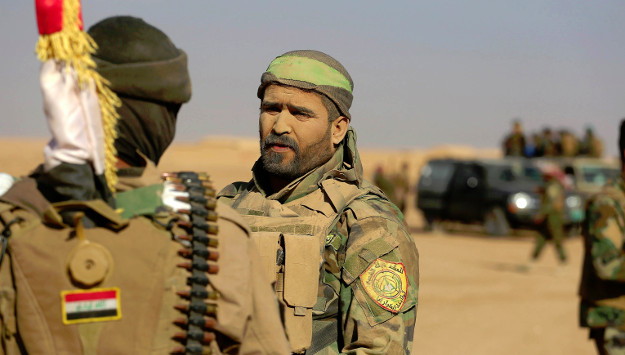
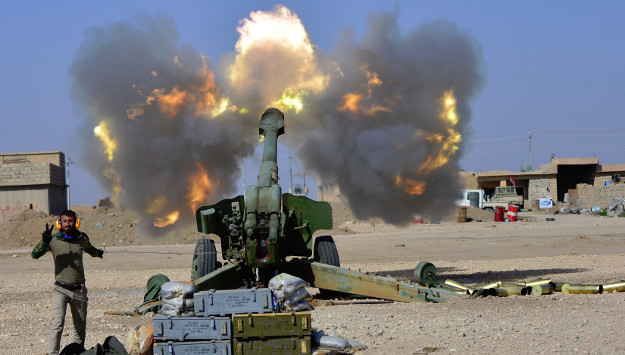
The Iraqi Popular Mobilization Forces (P.M.F.) – also known as the Hashd al-Shaabi – on Sunday seized the center of al-Baaj, one of the last bastions of the Islamic State in northwestern Iraq close to the Syrian border, the Iraqi and Iranian media reported. Iraqi air force assisted the P.M.F.
Iran Set to Deploy 47th Flotilla of Warships to Indian Ocean
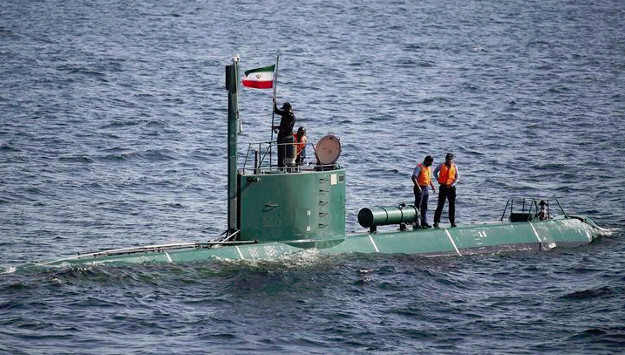
A senior Iranian military official has said that the country’s 47th flotilla of warships will be deployed to the Indian Ocean this month to protect the country’s cargo ships and oil tankers, according to Fars News Agency, which is affiliated with the Islamic Revolution Guards (I.R.G.C.), “The 46th flotilla, which was dispatched to the high seas some time ago, is now halfway through its mission and will return home in the coming days,” Rear Admiral Peyman Jafari Tehrani, the deputy commander of the Iranian Navy, said.
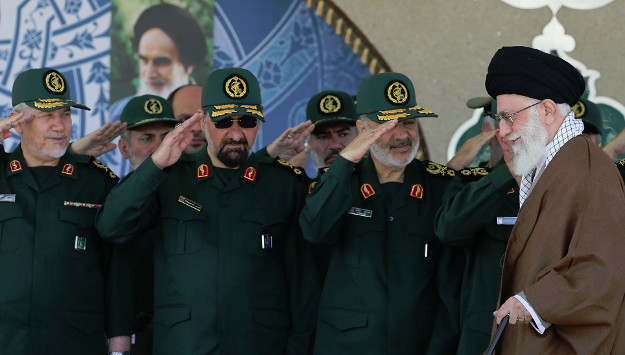
Iran’s Supreme Leader Blasts Trump for anti-Iran Alliance
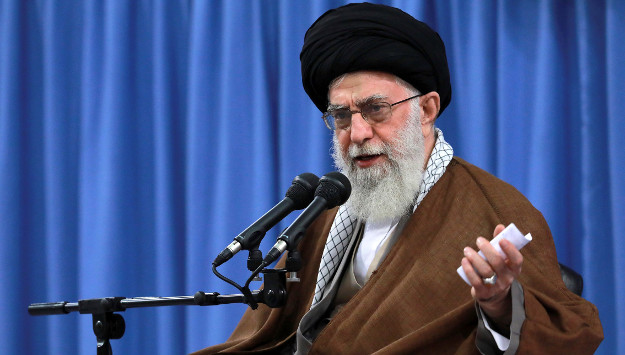
Iran’s Supreme Leader Ali Khamenei on Sunday blasted the Trump administration for trying to create a regional security alliance to counter Iran, and claimed that the new initiative will not succeed.
Iran-Backed Iraqi Militias Vow to Seize al-Tanf from U.S. and Its Syrian Allies
After making significant territorial gains in western Mosul and reaching the Syrian border, Iran-backed Iraqi militia forces today announced that they plan to “recapture” the strategic al-Tanf border crossing from the U.S.-backed Syrian opposition groups, the Iranian media reports.
Iran-Supported Iraqi Armed Groups Expand Their Control of Syrian-Iraqi Border Area
The Iraqi Popular Mobilization Forces today seized more territory from the Islamic State in western Mosul near the Syrian border, the Iranian media reports. After heavy clashes with Islamic State militants south of the al-Ba’aj region, the paramilitary forces reportedly captured the village of al-Khibra and the nearby al-Sakaar housing complex.
Iran Allegedly Motivates Houthis to Crack Down on Baha’i Minority in Yemen
The persecution of the Baha’i community in Yemen has markedly increased and resembles the state-sanctioned mistreatment of the minority group inside Iran, according to the latest reports by the United Nations and human rights organizations. “The recent escalation in the persistent pattern of persecution of the Bahá’í community in Sana’a mirrors the persecution suffered by the Bahá’ís living in Iran,” the U.N.
Iran’s Foreign Ministry Rejects Allegations of Deal with U.S. over General Soleimani
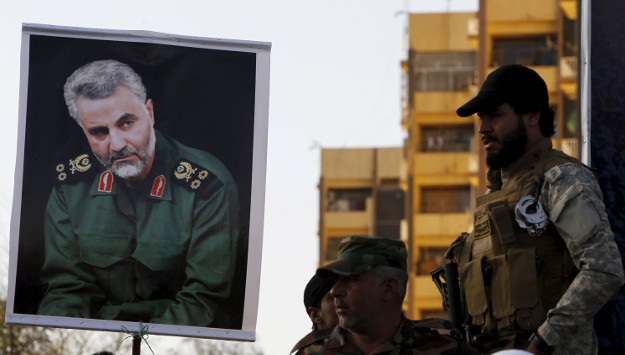
Iranian Foreign Ministry Spokesman Bahram Ghassemi today reacted angrily to allegations by a former Iranian parliamentarian that Foreign Minister Javad Zarif had struck a deal to hand over Iran’s Quds Force Commander Qassem Soleimani to the United States in return for removing banking sanctions against Iran.
I.R.G.C. Outlet Questions Iraqi President’s Participation in Riyadh Summit
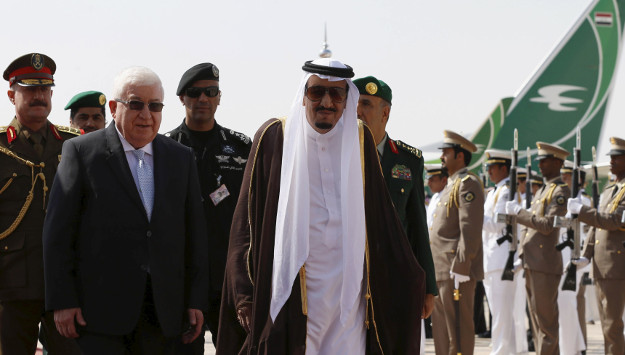
The participation of the Iraqi delegation led by President Fuad Masum at the Riyadh summit has raised a lot of questions in Tehran. “Has Iraq joined the Saudi against Iran?” was the title of a lengthy analysis piece published today in Tasnim News Agency, an outlet affiliated with the Islamic Revolution Guards Corps. According to the article, many in Iran have criticized the Palestinian and Iraqi leaders for attending and the Riyadh summit and “voting in favor of an anti-Iran resolution” despite the fact that the Islamic Republic has supported Palestine and Iraq for many years.