This individual is a guest contributor. MEI is not able to assist with contact requests.
Rebecca Anne Proctor is an independent journalist, editor, author, and broadcaster based in Dubai and Rome, from where she covers the Middle East and North Africa. She is the former editor-in-chief of Harper’s Bazaar Art and Harper’s Bazaar Interiors.
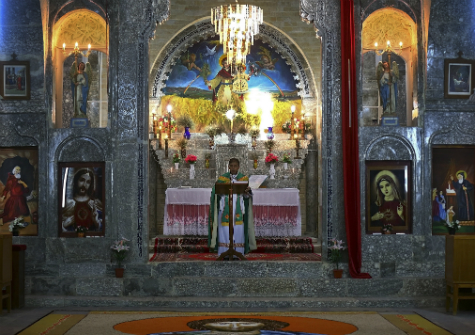
One hundred and sixty-three years before the Islamic State’s band of thugs rolled into the city, terrorizing the city’s minorities, my Protestant missionary ancestor, his wife, and two children settled in Mosul, a long way from the home they left behind in Utica, New York.
Erdogan Wins the Presidential Vote but the Race Is Not Over
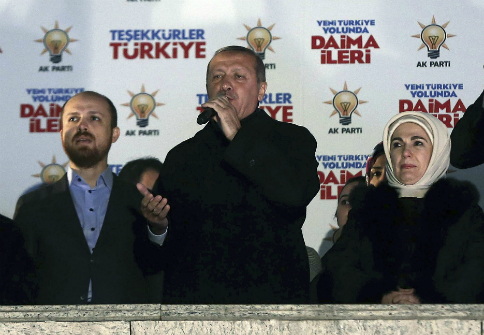
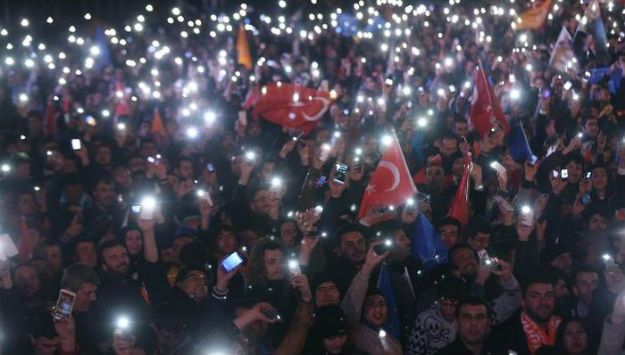
Turkish Prime Minister Recep Tayyip Erdogan has won the presidential election in Turkey’s first direct presidential election on Sunday, extending his 12-year grip on power. Despite heavy campaigning and the financial support from public funds, he won the election with only 51.95 percent of the vote, slightly higher than the minimum required to win the election.
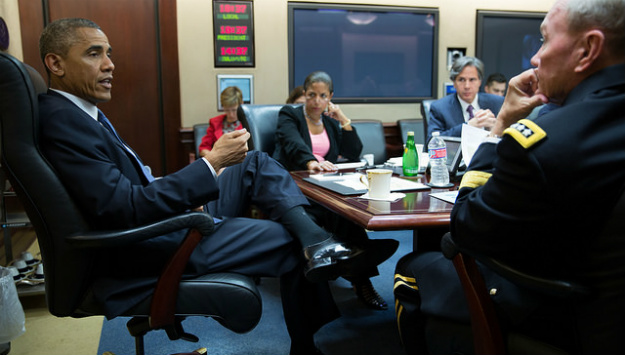
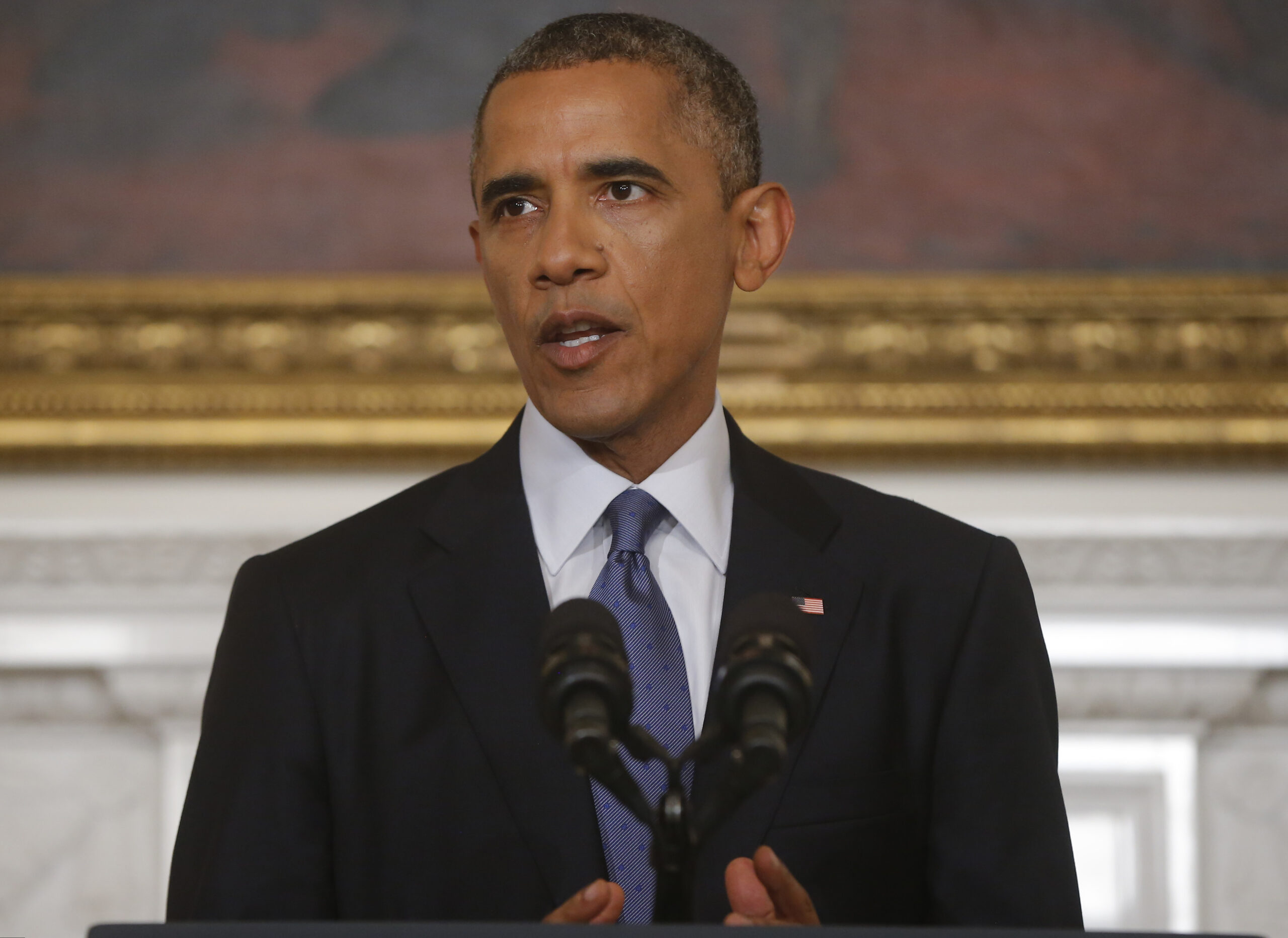
Paul Salem, MEI’s vice president for policy and research, examines President Obama’s decision to step up US intervention against the Islamic State (also known as ISIS) in Iraq, and what it implies for broader US policy in the region, in this Expert Q&A.
How do you read the import and impact of President Obama’s recent announcements of airstrikes and humanitarian intervention in Iraq?
On August 10, Turkish voters will go to the polls to choose a new president for the first time in the country’s history. The following candidates are on the ballot: Recep Tayyip Erdogan, the Prime Minister and leader of the governing Justice and Development Party (AKP); Ekmeleddin Ihsanoglu, joint candidate for the opposition Republican People’s Party (CHP) and Nationalist Action Party (MHP); and Selahattin Demirtas, the candidate of the pro-Kurdish People’s Democratic Party (HDP).
Lebanese Presidential Election Unlikely to Alter Hezbollah’s Syria Calculus
The presidential vacuum in Lebanon since May 24, when president Michel Sleiman’s term ended without the Lebanese parliament having elected a successor, is likely to continue until an electable candidate is found who respects Hezbollah’s military autonomy and does not challenge its Syria policy.
Collection Spotlight: Pens and Swords: How the American Mainstream Media Report the Israeli-Palestinian Conflict By Marda Dunsky
Free media in a democratic society allows people to evaluate and challenge, to scrutinize honestly and debate accurately. But what happens when mainstream media unknowingly fails the public? Marda Dunsky argues that, when it comes to the Israeli-Palestinian conflict, a decade-old conflict at the center of U.S. interests in the Middle East, the American mainstream media has failed the public and even perpetuated violence.
Not Our Kind of Caliph: Syrian Islamists and the Islamic State
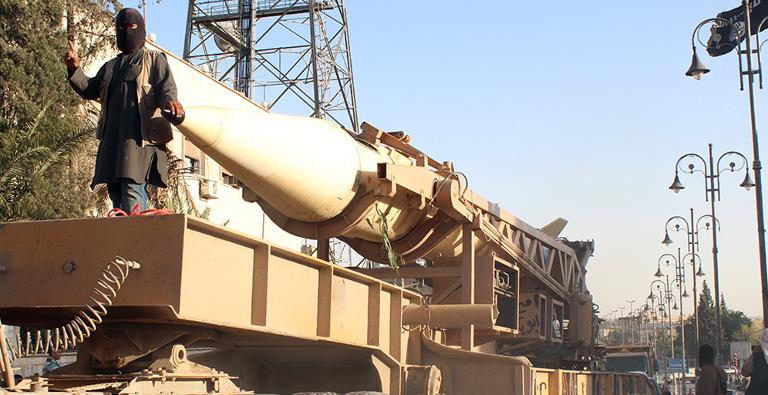
On June 29, the al-Qaeda splinter faction known as the Islamic State (formerly the Islamic State of Iraq and Syria, ISIS)[1] declared its leader Abu Bakr al-Baghdadi to be the caliph, or successor to the Prophet Mohammed, a post that no one has claimed since 1924.[2]
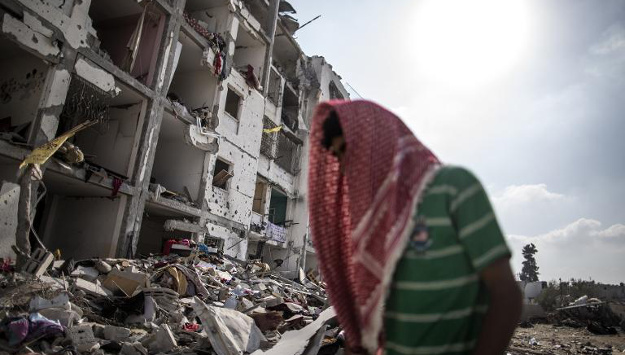
The Cruel War in Gaza Calls for a New Approach to Peace
The terrible war in Gaza, the third and worst of its kind in the last decade, is a product of Palestinian political disarray, Arab disunity, and division in Israel. Washington’s policy of “no direct talks” with Hamas and bitter partisanship between the White House and Congress have also limited effective U.S. intervention. As such, this latest tragedy is yet another symptom of decades of failure to resolve the larger Israel-Palestine conflict, which, without major policy changes, will surely drag on regardless of the latest cease-fire.
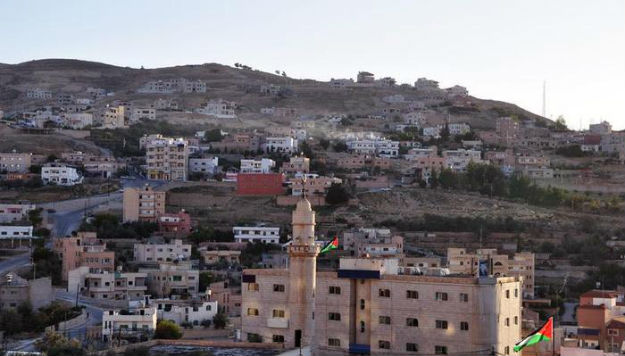
Jordan has survived – and at times even prospered – for decades because of its ability to collect “strategic rents.” Unlike its Saudi neighbor, which has long collected oil rents from the global market for its energy resources, Jordan has sold its geographical location, stable domestic politics, and pro-Western orientation to the United States and its allies on the Arab side of the Gulf. Considering Jordan’s dearth of other more tangible resources, the path to survival carved by the late King Hussein and his son King Abdullah II was essentially the only one
"Marked" for Exclusion: The Problem of Pluralism, State-building, and Communal Identities in Iraq and the Arab World
In this essay, the author argues that the dynamics of contemporary Sunni-Shi‘a relations in Iraq and elsewhere in the Arab world are not fundamentally different from those animating other societal cleavages. The modern Iraqi state’s awkwardness vis-à-vis its Shi‘a population, and indeed other outgroups and minorities, was most directly a product of exclusionary nation-building based on problematic conceptions of “unity” and “pluralism.” Rather than actually fostering unity or respecting and nurturing pluralism (politically or communally), these concepts have often been used to exclude dissenters whose non-conformity was deemed a threat to the body politic.
Sectarian Violence Involving Rohingya in Myanmar: Historical Roots and Modern Triggers
While the tangled roots of the Rohingya have played a critical role in the recent inter-religious violence between Rohingya and Buddhists, so too has the rise of Burman-Buddhist ethno-nationalism. This essay discusses the the salient narratives driving anti-Rohingya/anti-Muslim sentiments as well as the policies and reforms that have contributed to prolonging the violence.
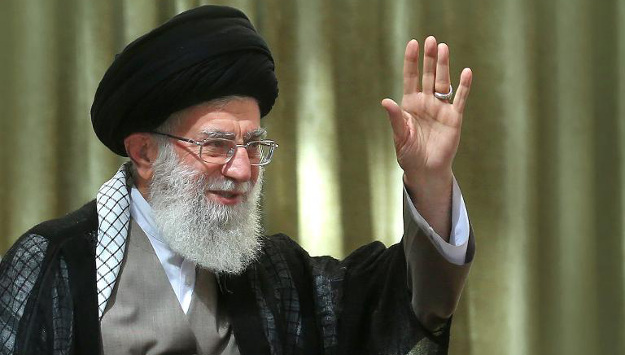
Israel’s ongoing military operation in Gaza — Protective Edge — has animated the Shia Islamist leadership in Tehran.
The bloody conflict, and the global Muslim outrage it has provoked, is held by the Iranian regime as a chance to redeem itself in the eyes of the Sunni Muslim majority in the world.