Rebecca Anne Proctor is an independent journalist, editor, author, and broadcaster based in Dubai and Rome, from where she covers the Middle East and North Africa. She is the former editor-in-chief of Harper’s Bazaar Art and Harper’s Bazaar Interiors.
The Latest from Rebecca Anne Proctor

Women, Shari‘a, and Personal Status Law Reform in Egypt after the Revolution
Like almost everything else during the uncertain period of the transitional government, the future of personal status law reform is at a crossroads in Egypt. The new constitution (assuming one will exist)[1] may technically have little direct impact on how the country’s laws affect women’s lives, but the legislative process that emerges thereafter most certainly will.
Morocco’s “Arab” Spring
As elsewhere in North Africa and the Middle East, the youth-driven revolts in Tunisia and Egypt produced a tsunami in Morocco’s political landscape. On February 20, a movement took shape that publicly demanded a constitutional monarchy in which an elected and accountable government would have control over the country’s social, economic, and security policies. All across the country, it organized rallies in which tens of thousands of Moroccans participated.
“The Beginning of Arabia’s Spring:” The Khalid Revolution
“Knowledge and freedom carry no national identity…. There is no nation that has known light and preferred receding back.”
Ameen Rihani (The Rihani Essays, 421)
Tunisia Tests the Waters of Democracy
Ten months after a young fruit seller set himself alight in a small, marginalized town in central Tunisia, his compatriots will be voting in what many are hoping will be the country’s first free and fair elections. In the poll set for October 23, Tunisians will be electing a national constituent assembly that will be charged with writing the rules of the new political era. That assembly will spend up to a year writing a new constitution and deciding which form of government the country will have.
Arab Countries: Dynamics of Change
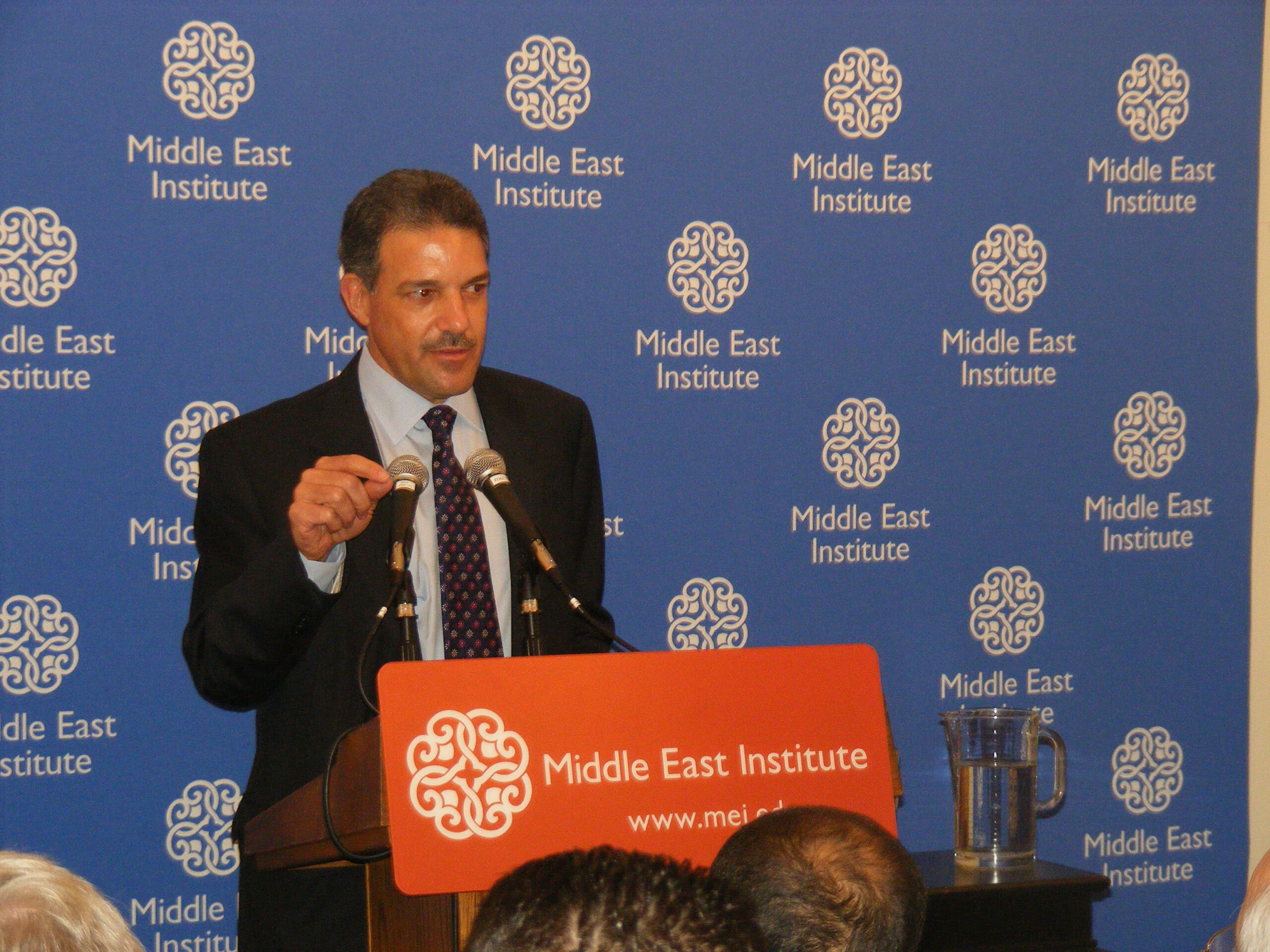
Join us for a discussion with Adel Abdellatif who, in his capacity as Chief of the UNDP's Regional Programme Division of the Regional Bureau for Arab States, oversees its flagship Arab Human Development Reports. Mr. Abdellatif will be discussing the dynamics of change in an Arab world undergoing seismic political transformations.
Yemen's Unhappy Ending
This Commentary was first published as an op-ed in Foreign Policy’s “Middle East Channel” on September 27, 2011
Strengthening Pakistan’s Indigenous Capacity for Evaluating Development Effectiveness
I. The Setting
The Death of Reconciliation in Afghanistan
*This Commentary first appeared in the National Journal online on September 22, 2011
Erdogan's Arab Spring Tour
When President Obama met with Turkish Prime Minister Recep Tayyip Erdogan on Tuesday, the two discussed cooperation on Syria, counter-terrorism and supporting the Arab spring. But a central theme of the talks, and what most concerns the U.S. at the moment, is a sharply deteriorating Turkish relationship with Israel that the U.S. hopes to reverse. Conversely, this deterioration was the source of much acclaim when Erdogan visited Arab spring countries last week.
U.N. Palestine Vote: Time to Exhale
This article first appeared as an Op-Ed on Politico.com on September 19, 2011
Palestinian President Mahmoud Abbas early this week will likely fulfill his longstanding vow to introduce in the U.N. Security Council a resolution to recognize Palestine as the 194th member state. No one should be the least bit surprised.
A View From the Gulf: A Discussion of Gulf Politics and Security
The Middle East Institute is proud to host Gulf Research Center experts Abdulaziz Sager, Mustafa Alani, and Christian Koch for an examination of recent developments in the Gulf in the wake of the Arab Spring. The speakers will address the crises in Yemen and Bahrain, US-Gulf relations and the question of reform in the region.
Speakers: Dr. Abdulaziz Sager, Dr. Mustafa Alani, Dr. Christian Koch, Amb. David Mack