This individual is a guest contributor. MEI is not able to assist with contact requests.
Rebecca Anne Proctor is an independent journalist, editor, author, and broadcaster based in Dubai and Rome, from where she covers the Middle East and North Africa. She is the former editor-in-chief of Harper’s Bazaar Art and Harper’s Bazaar Interiors.
Lebanon and Syria: The Challenge of an Evolving Relationship
The Middle East Institute is proud to host Andrew Tabler and Mona Yacoubian for a discussion about the current state of Lebanese-Syrian relations. Bitterly strained by the 2005 assassination of Lebanese Prime Minister Rafik Hariri, Lebanese-Syrian relations started to mend following French mediation leading to the exchange of ambassadors between Beirut and Damascus in 2009. Prime Minister Saad Hariri's visit to Damascus at the end of 2009 marked yet another phase in this evolving relationship.
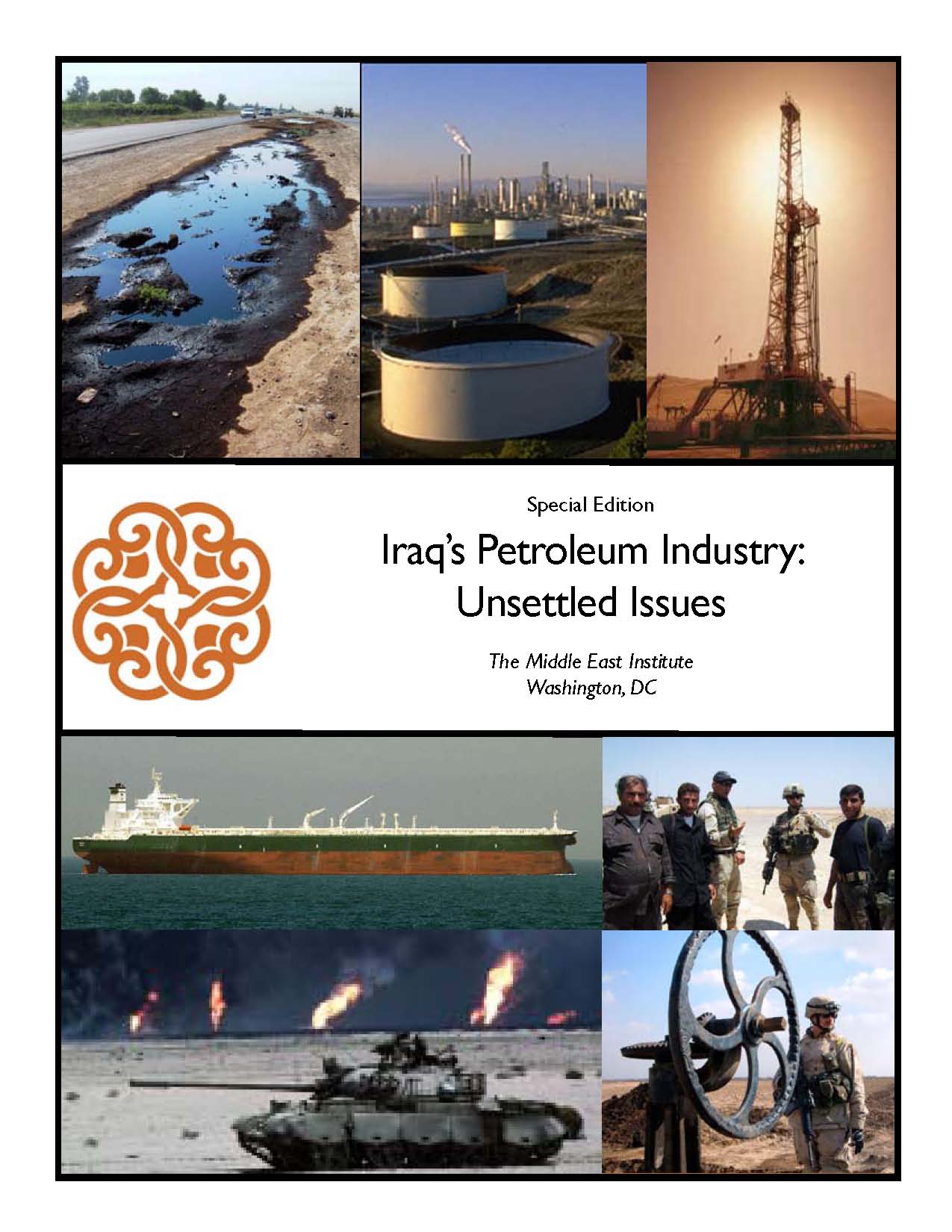
Iraq has the world’s third-largest oil reserves. However, the development of Iraq’s petroleum sector has been severely hampered by decades of war, sanctions, underinvestment, the exodus of scores of technocrats, and sabotage. Repairing Iraq’s oil infrastructure and expanding exploration, development, and production is of paramount importance to the country’s future. In June 2009, the Iraqi Oil Ministry embarked on an effort to help meet this challenge by offering service contracts to international oil companies (IOCs) in two rounds of tenders.
Since June 2009, the Government of Iraq (GoI) has secured nearly a dozen major oil field technical service agreements with international oil companies (IOCs) after two highly publicized bidding rounds. The deals are seen as the cornerstone of Iraq’s economic development in the coming years. While future oil production has been rather optimistically projected as high as 12 million barrels per day (bpd) by 2020, significant obstacles to the development of the oil and gas industry remain.
The Status of Forces Agreement and Investing in Iraq: Risky Business?
In spite of ongoing security and political instability, Iraq remains one of the most fertile yet volatile regions in the world for emerging business opportunities, specifically in the petroleum industry. Since the completion of the widely successful “surge” and implementation of the Status of Forces Agreement (SOFA), Iraq has experienced slow but steady improvements in security and economic opportunities in the petroleum sector. As a result, there has been an influx of international companies eager to engage Iraq’s ministries for access to these lucrative markets.
The Middle East Institute is proud to host Sean Foley, author of The Arab States: Beyond Oil and Islam (Lynne Rienner, 2010), for a discussion about the politics of the Gulf states and their role in the global economy. In the book, Foley presents a fresh picture of these states as cosmopolitan and tolerant societies that face many of the same socio-economic problems that other states do – including those that lack oil.
The Israel-Palestine Conflict: Views of a Palestinian-Israeli member of the Israeli Knesset
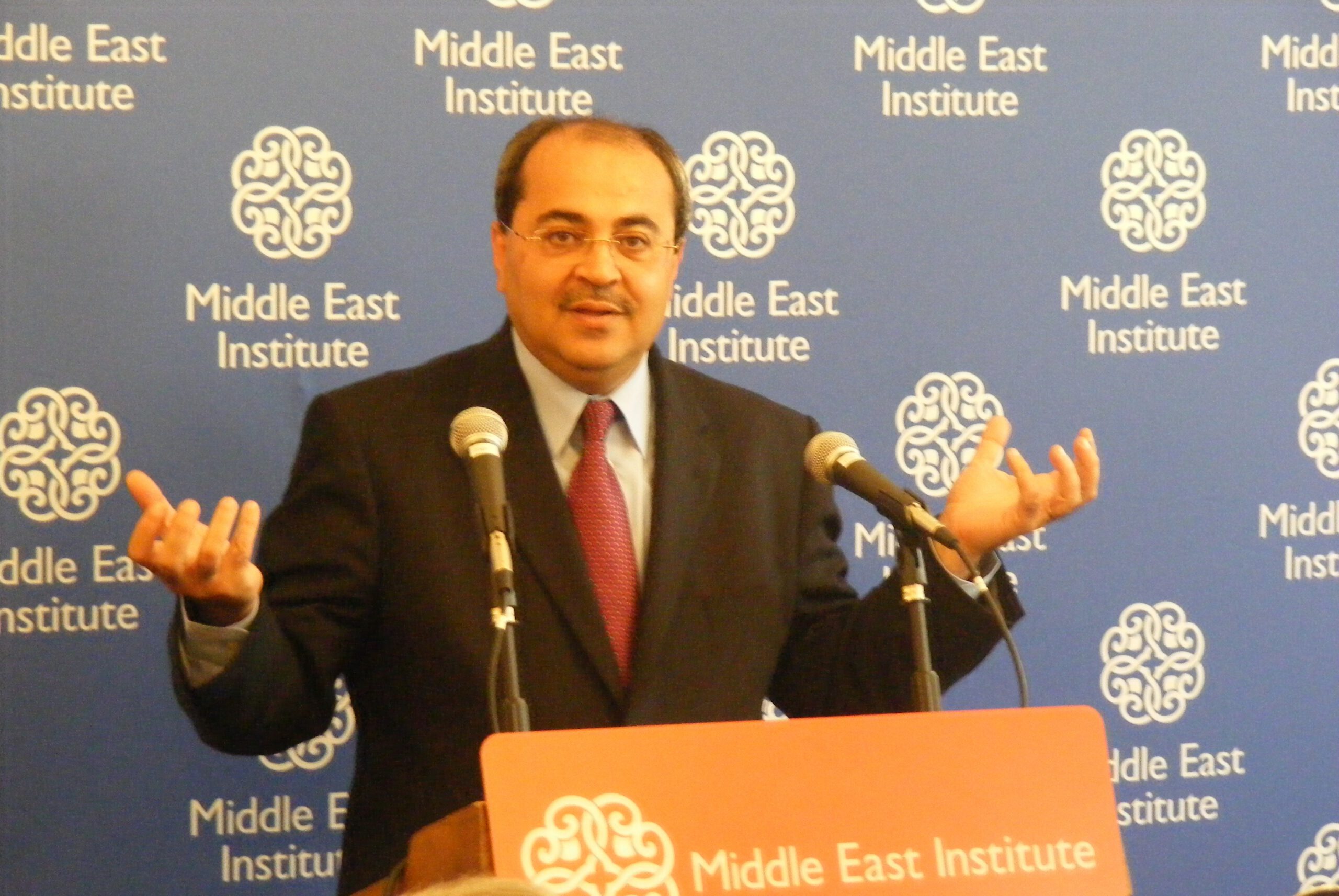
Dr. Ahmad Tibi is a member of the Arab Movement for Change and was first elected to the Israeli Knesset in 1999. He currently serves as Deputy Speaker of the Knesset and head of the parliamentary committee of inquiry, which seeks to accommodate Palestinians through integration into jobs in the public sector. He has played a key role in the politics of the Palestinian-Israeli community, which constitutes approximately one fifth of Israel's population. He has also played a key role in relations between Palestinian-Israelis and Palestinians in the occupied territories and Dr.
Transnational Networks and Local Challenges: Iraqis in Cairo
Originally posted March 2010
It is estimated that over four million Iraqi refugees have fled to neighboring countries in the region since the 2003 war began. While migration continued after the war, the peak of this influx was witnessed particularly in and after 2006 due to the acceleration of violence in central and southern Iraq. More particularly, the majority of these refugees fled due to direct threats to their lives and their immediate families.