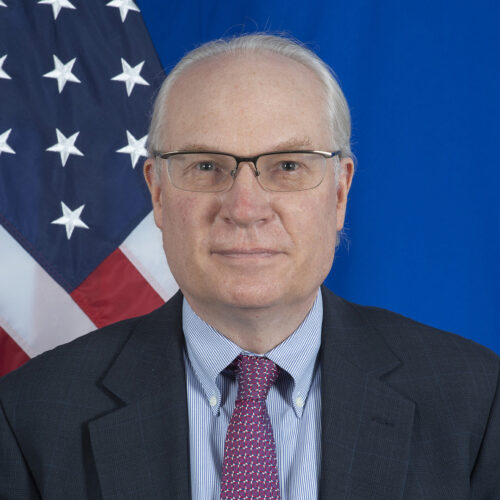
This individual is a guest contributor. MEI is not able to assist with contact requests.
Roie Yellinek earned his Ph.D. from Bar-Ilan University in Ramat-Gan, Israel. He is a researcher at the Begin-Sadat Center for Strategic Studies and an adjunct researcher at the IDF Dado Center. He was previously a non-resident scholar at the Middle East Institute and is a specialist in the growing relationship between the Middle East and China, especially in regards to the soft power component of Chinese diplomacy. He has written extensively on the China-Middle East relationship and is a frequently commentator in local and international media.
Will Israeli politicians prove their responsibility and flexibility?
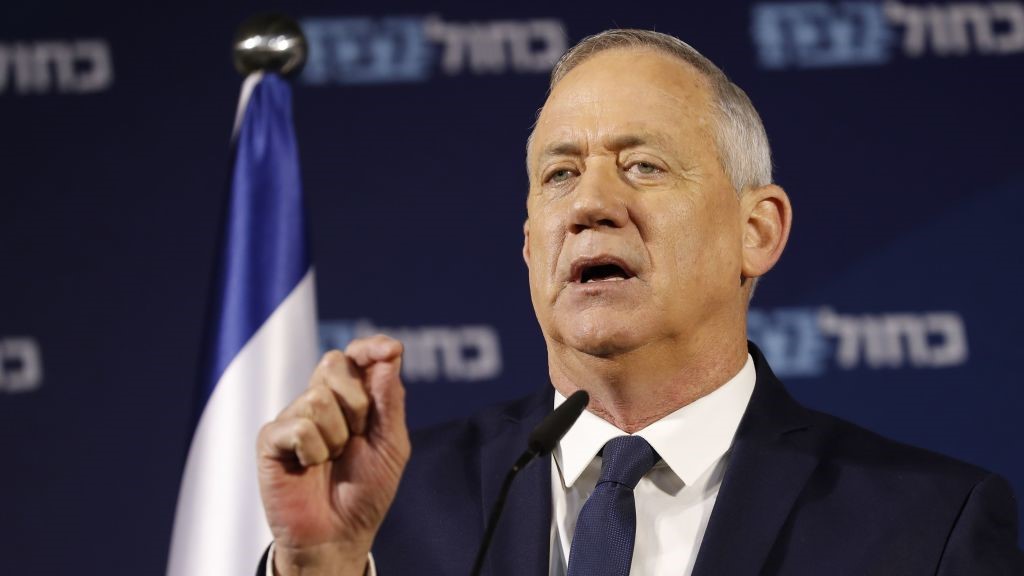
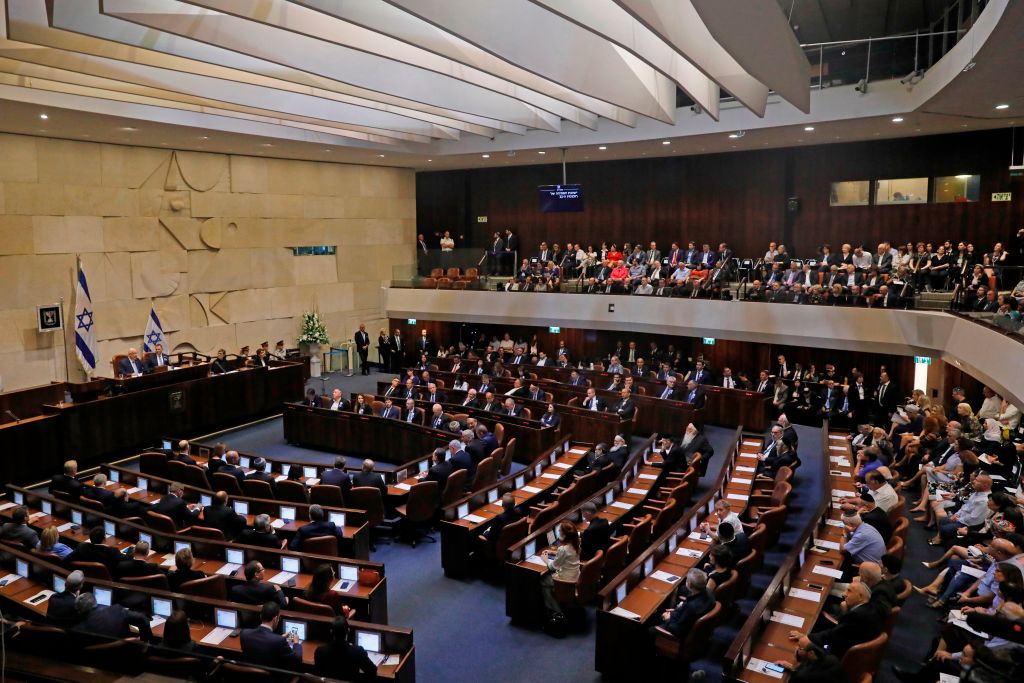
It is clear that the Israeli political system has reached a peak in terms of the challenges it faces: two elections campaigns to date this year have not led to conclusive results and a third round may be right around the corner.
There may not be any celebrations, but the Israeli-Jordanian peace agreement has endured for 25 years
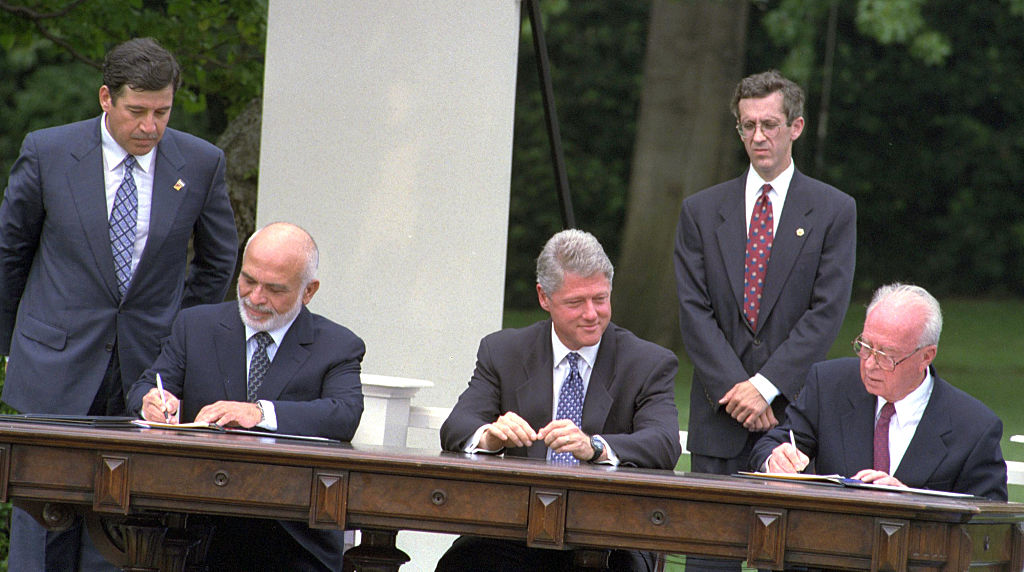
Oct. 26, 2019 marked the 25th anniversary of the signing of the peace treaty between the Hashemite Kingdom of Jordan and the State of Israel. A quarter-century on, relations between the two countries remain mired in disputes and difficulties, and no special celebrations were planned despite the significance of the event. While the challenges facing the two states are complex, both sides benefit from the agreement. The fact that the peace treaty has endured for two and a half decades amid the chaos and unrest afflicting the region is certainly a cause for celebration and gives grounds for optimism.
Why does Trump treat Iran and North Korea so differently?
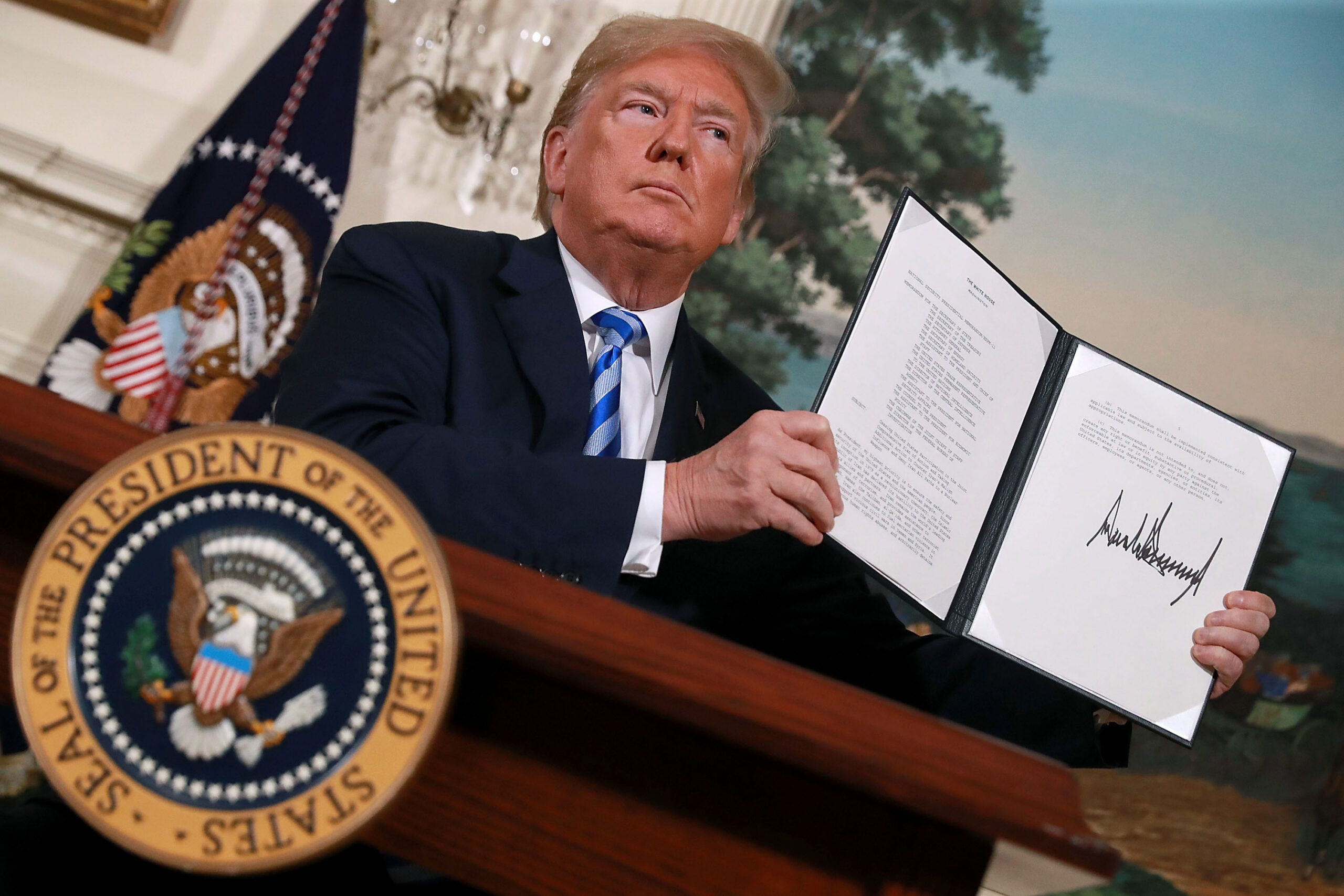
Iran and North Korea both get a great deal of attention from the international community — for all the wrong reasons. Yet while U.S. President Donald Trump and North Korean Supreme Leader Kim Jong-un have met several times now, shaking hands, smiling, and posing for photos, Trump has not once met with Iranian President Hassan Rouhani or other senior Iranian officials. What accounts for this difference?
The Gulf states, the “deal of the century,” and the Iranian threat
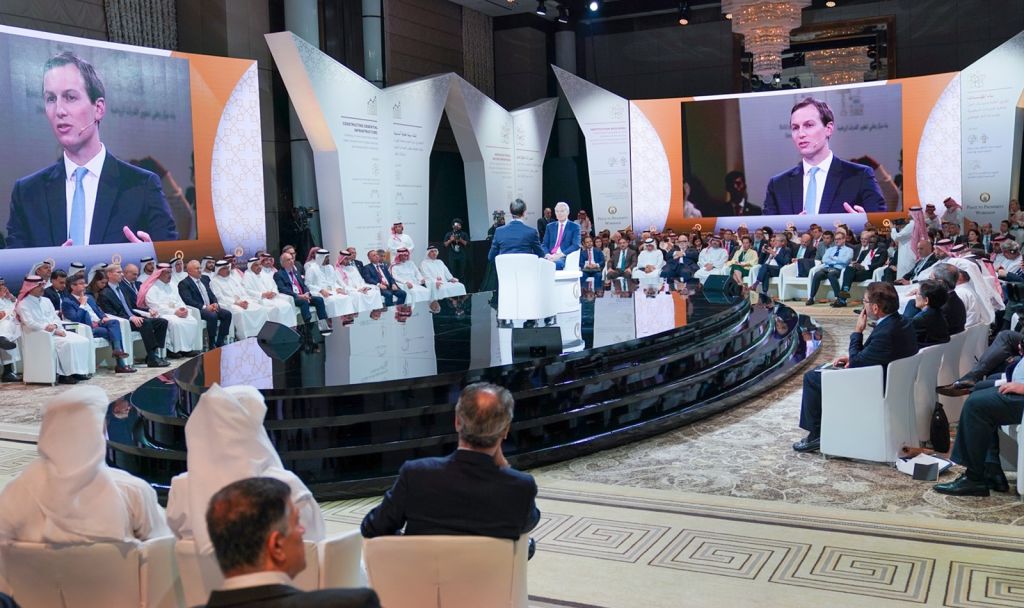
Many analysts have been dismissive of the plan’s prospects, but for Gulf states like Saudi Arabia, the UAE, and Bahrain, there’s at least one major reason to line up with Washington on the issue: Iran.
In this week’s Monday Briefing, MEI experts Paul Salem, Gonul Tol, Alex Vatanka, and Marvin G. Weinbaum provide analysis on recent and upcoming events including Iran’s announcement that it will increase uranium enrichment, Istanbul’s upcoming mayoral election, potential leadership shifts in Tehran, and a rise in political tensions following Pakistan’s anti-corruption crackdown.
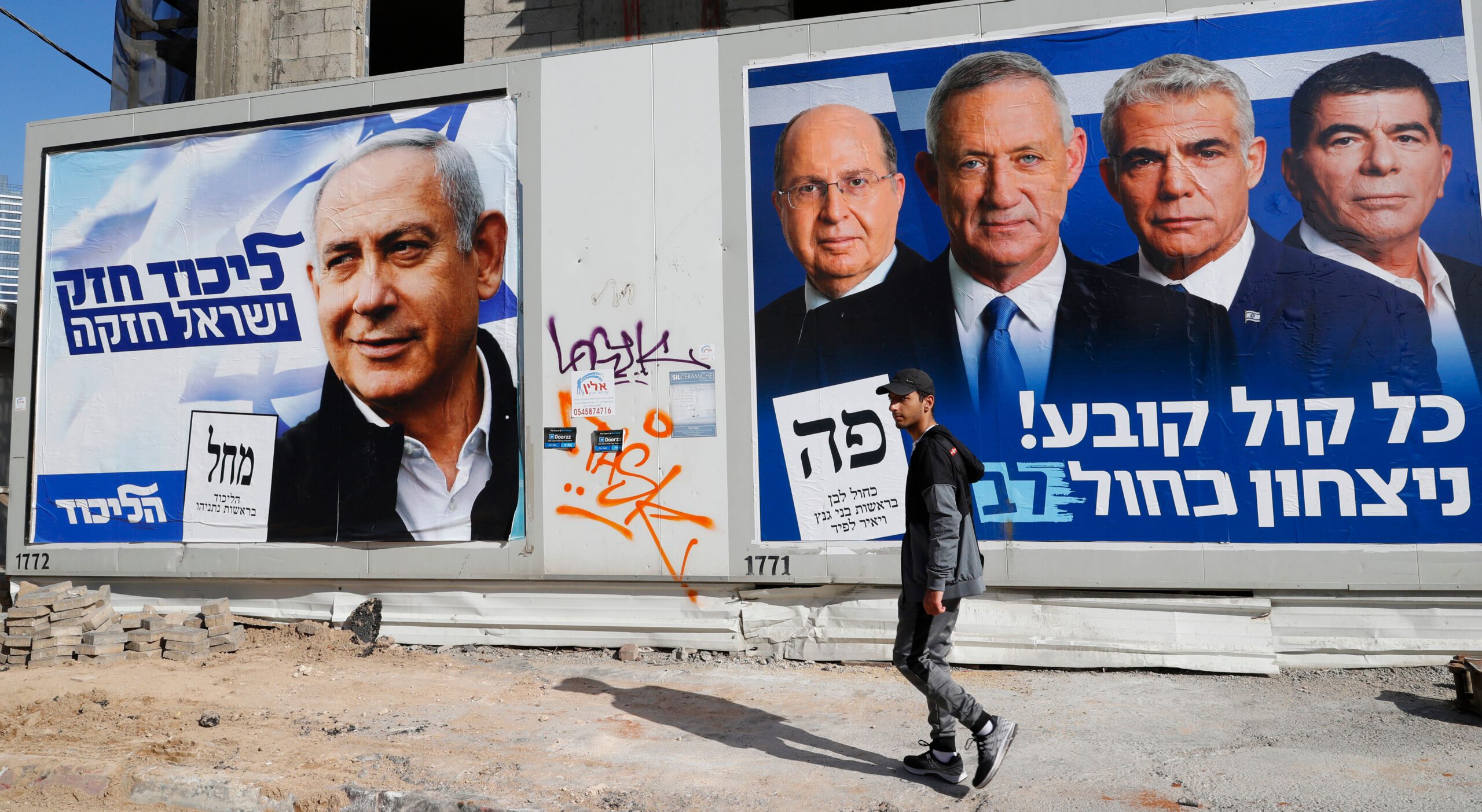
Israel’s general election, to be held next Tuesday, April 9, is full of even more sound and fury than usual, but it isn’t at all clear what it will signify.
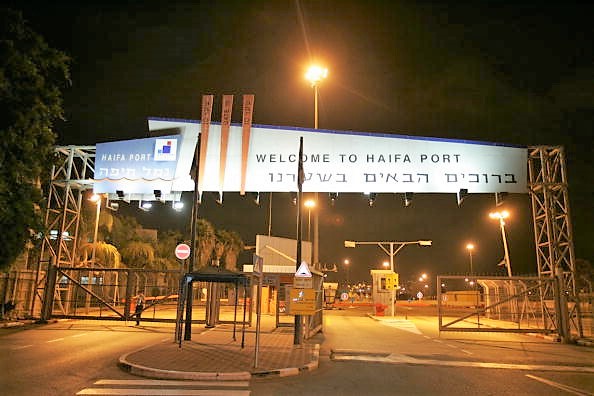
The Israel-China-U.S. Triangle and the Haifa Port Project
This essay discusses the Shanghai International Port Group (SIPG) contract to operate the northern port in Haifa in terms of Israel’s relations with China and the United States. The author urges greater caution by Israeli policy-makers and the public and closer cooperation between Israel and the U.S. in managing the risks associated with Chinese investment and commercial activities in critical sectors of the Israeli economy.
Middle Eastern Students and Young Professionals in China: A Mutual Investment in the Future
This article, based on personal interviews and conversations conducted in China with 14 men and women in their 20s and 30s from across the Middle East, is intended to shed light on a phenomenon that the author observed while living in China, namely the increasing number of young Middle Easterners who are relocating there in order to obtain academic and professional credentials and experience.