This individual is a guest contributor. MEI is not able to assist with contact requests.
Ruba Husari is an expert and analyst on Middle East energy issues with a special focus on Iraq and Iran. She is currently the managing director of OZME Consultants, which she founded in 2009, offering advisory and consulting on Iraq’s oil and gas sector out of Baghdad. She wrote extensively on Iraq’s energy sector in industry publications and on IraqOilForum.com. Her interests focus on IOC-NOC relations, fiscal terms, oil markets and OPEC, governance, and the geopolitics of oil.
Monday Briefing: Conflict is far from over in Syria
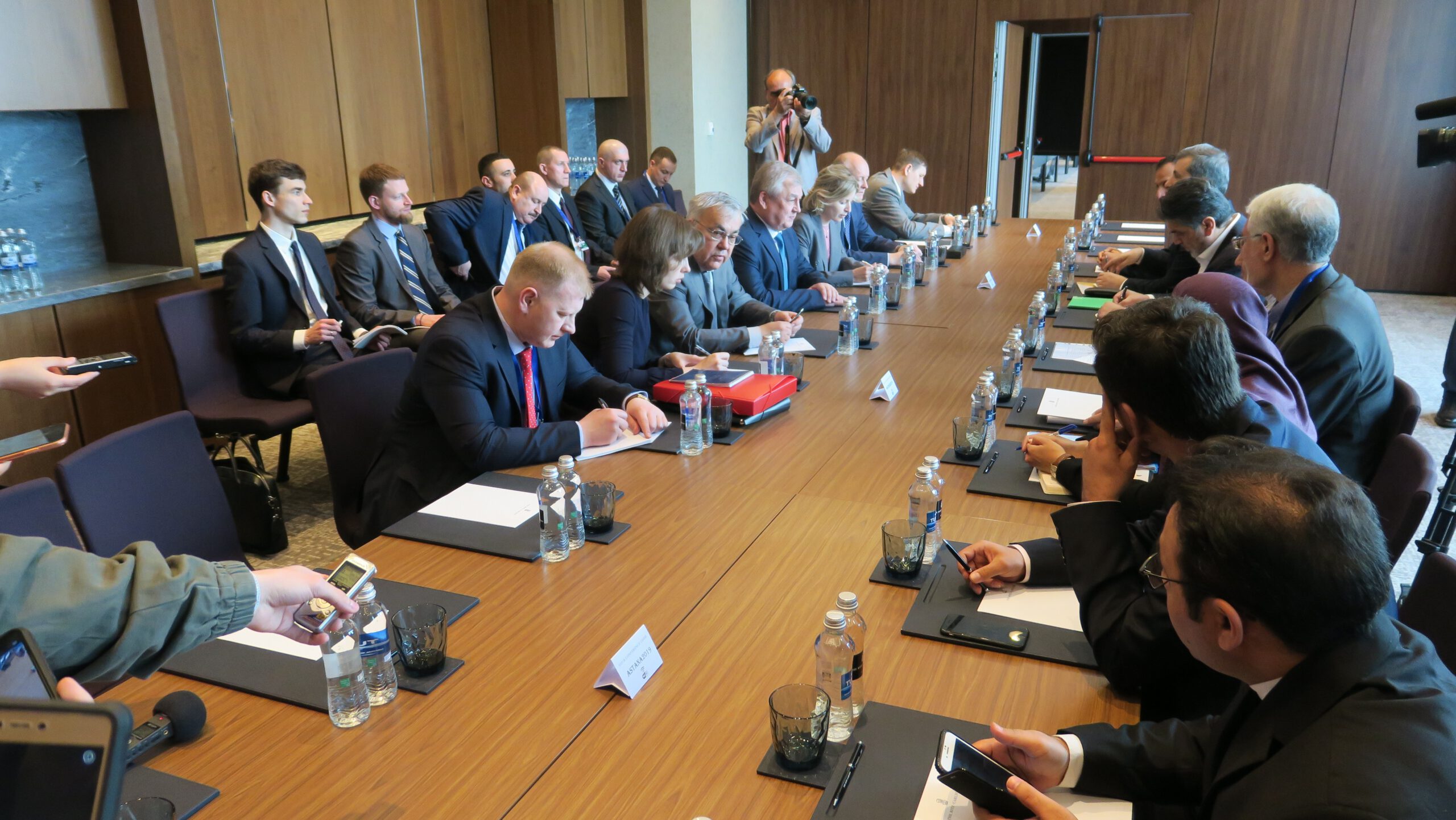
In this week’s Monday Briefing, contributors Charles Lister, Gerald Feierstein, Ruba Husari, Guney Yildiz, Mirette F. Mabrouk, and John Calabrese provide analysis on recent and upcoming events including the failure of the twelfth rounds of Syria peace talks in Astana, negotiations over Yemen’s strategic port of Hodeida, a new report on Iraq’s oil production potential, ongoing US-Turkey talks about a buffer zone in Syria, Egypt’s recently passed constitutional amendments, and Beijing’s second Belt and Road Forum.
Weekly Briefing: Failed Arab Economic Summit in Beirut underscores divisions
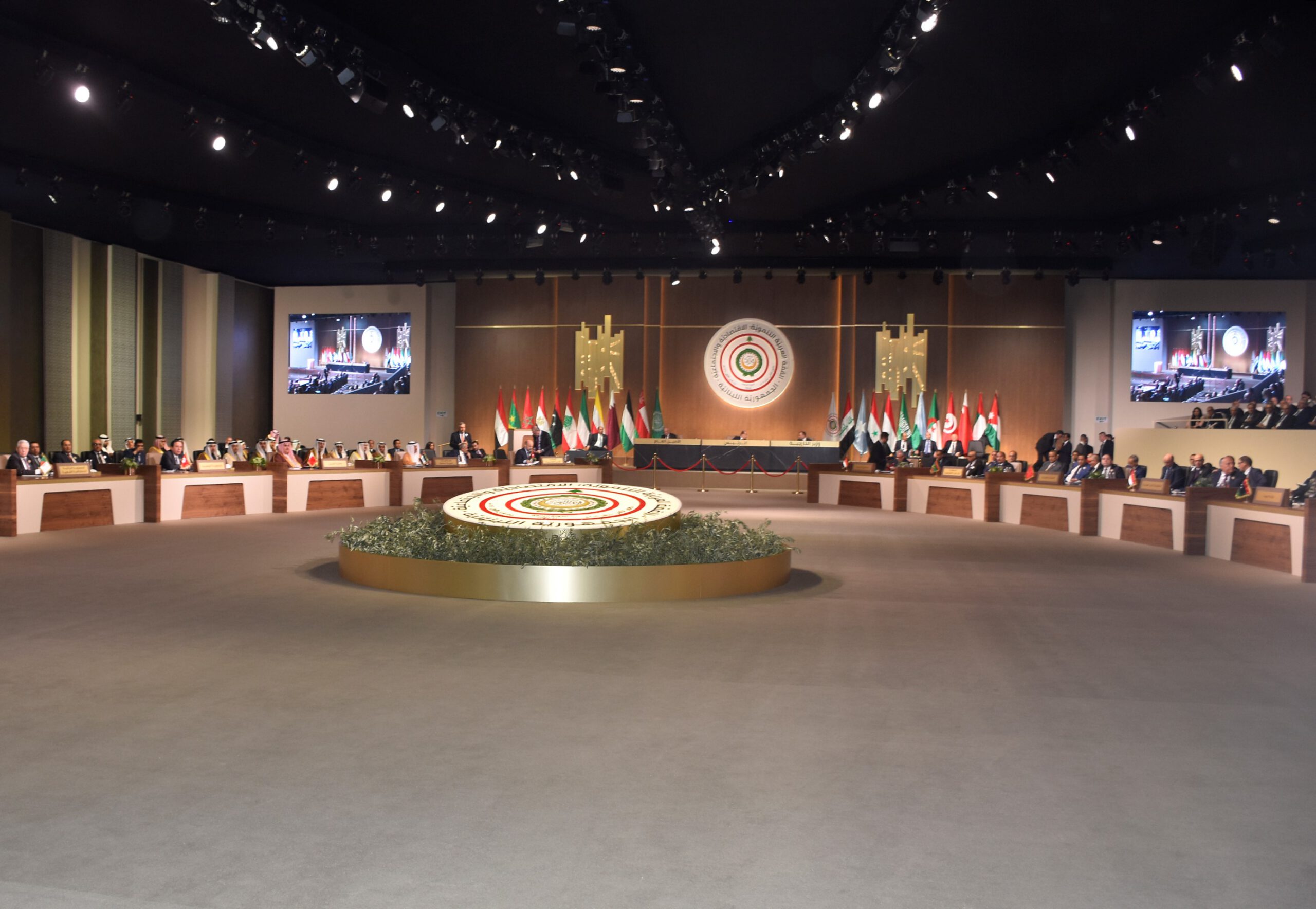
In this week’s Weekly Briefing, contributors Paul Salem, Marvin G. Weinbaum, William Lawrence, Ruba Husari, and Jean-François Seznec provide analysis on recent and upcoming events including the Arab Economic Summit held in Beirut this weekend, Afghanistan’s upcoming presidential elections, strikes in Tunisia, the Trump administration’s next steps on Iranian oil policy, and Saudi Aramco’s $10B bond issue.
Trump’s Jerusalem decision destabilizing West Bank and Gaza | Monday Briefing
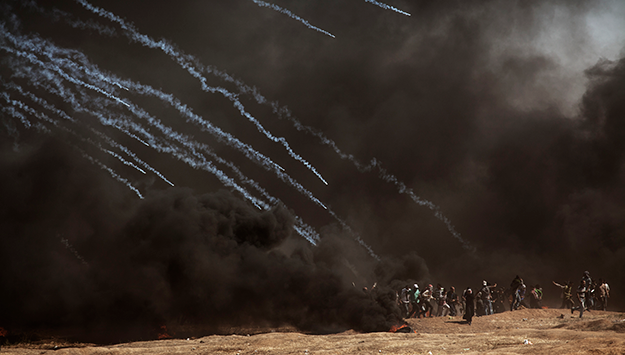
In this week’s Monday Briefing, MEI experts Nathan Stock, Alex Vatanka, Ruba Husari, and Gonul Tol provide analysis on recent and upcoming events including the fallout from President Trump’s decision to recognize Jerusalem as Israel’s capital, Iran’s diplomatic efforts with Europe to keep the nuclear deal alive, how Iran’s other trading partners are responding to U.S. warnings of sanctions, and Britain’s efforts to cultivate closer ties with Turkey.
Iraqi oil law puts elections before state-building
Since the ratification of Iraq’s constitution in 2005, Iraq has struggled to interpret clauses 111 and 112, which stipulate that oil is the property of the Iraqi people and its revenues should be shared equitably. Several draft laws on hydrocarbon management, energy sector regulation, and oil revenue distribution have remained stalled because of differences between the federal government and the Kurdistan region over the interpretation of those clauses.
Mohammed bin Salman’s High-Wire Act | Monday Briefing
In this week’s Monday Briefing, MEI experts Gerald Feierstein, Paul Salem, Ruba Husari, Amal Kandeel, and Gonul Tol provide analysis on recent and upcoming events including the arrests of numerous prominent Saudi government officials and leading businessmen on charges of corruption, Lebanese Prime Minister Hariri’s resignation, oil prices in the Middle East hitting new highs, the threat to MENA due to rising temperature levels in the region, and the Turkish prime minister’s visit to Washington.
Can the Trump Admin get its Act Together on G.C.C. Crisis? | Monday Briefing
In this week’s Monday Briefing, MEI experts Gerald Feierstein, Robert S. Ford, Alex Vatanka, and Ruba Husari provide analysis on the Trump administration’s handling of the G.C.C. crisis, how Iran and energy markets have responded to it, and the escalating conflict in eastern Syria.
Weekly Briefing: Confirmation Hearings, Syria Peace Talks, and OPEC
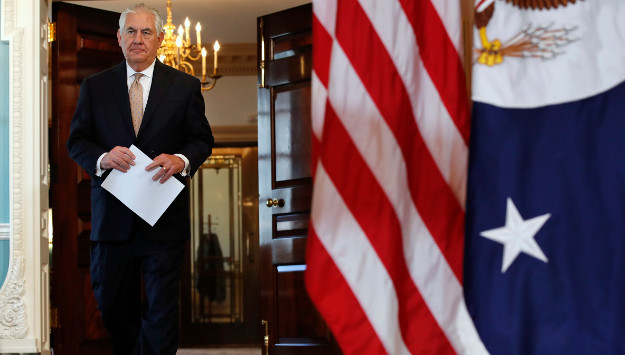
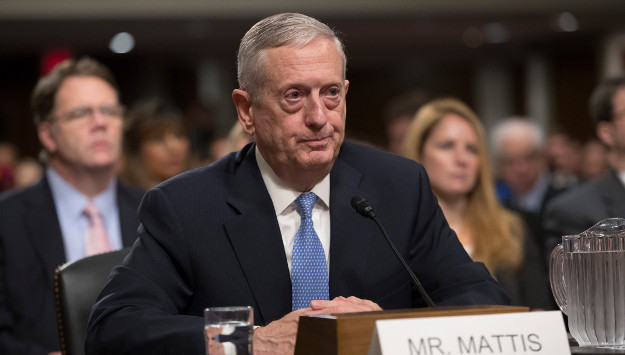
In this week’s briefing, MEI experts Gerald Feierstein, Robert S. Ford, Yousef Munayyer, Eran Etzion, and Ruba Husari provide analysis on recent and upcoming events including the ongoing confirmation hearings for key members of the incoming administration’s foreign policy team, the upcoming Syria talks, the recently convened Paris talks on Israel and Palestine, and OPEC’s assessment of its agreement to cap oil output.
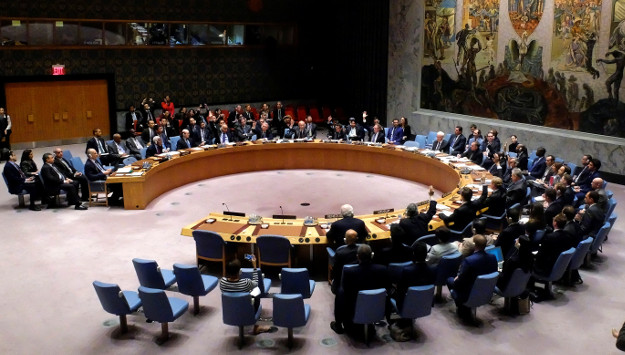
In this Weekly Briefing, MEI experts Robert S. Ford, Gonul Tol, and Ruba Husari provide analysis on issues including the UNSC’s inability to administer diplomatic solutions in Syria, the rebuilding of diplomatic ties between Russia and Turkey, and OPEC’s ongoing consideration of how to control member state oil production.
Monday Briefing: This Week's OPEC Meeting, and the Latest on Aleppo and Yemen
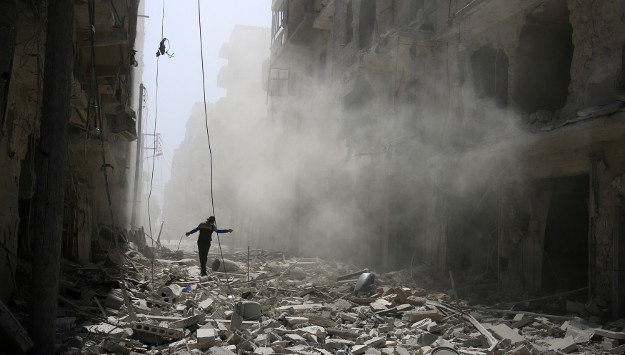
In this week’s Monday Briefing, MEI experts Ruba Husari, Charles Lister, and Charles Schmitz provide analysis on events including OPEC’s upcoming meeting to discuss production rates and a potentil freeze, Russia’s bombardment of Aleppo following the collapse of the latest cease-fire, and the worsening humanitarian disaster in Yemen.
Iraq’s Shrinking Revenues, the I.M.F. and the Oil Dilemma
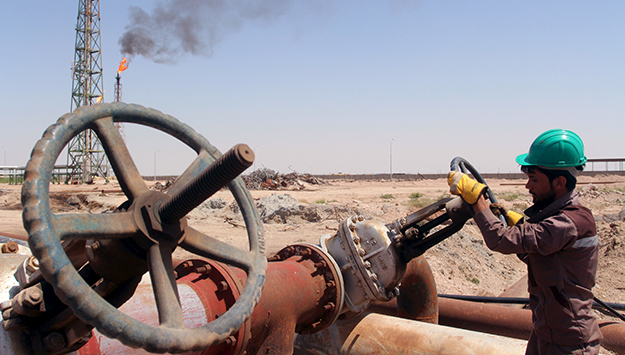
The International Monetary Fund announced in July that it has approved a three-year, $5.34 billion loan for Iraq under the Stand-By Arrangement facility, which it said was focused on “implementing economic and financial policies to help the country cope with lower oil prices and ensure debt sustainability.” The promised financial assistance was made conditional on—among other things—Baghdad settling all debts to international oil companies (IOCs) without adding new debts.