The Latest from Salam Kawakibi
Up for Debate: US Yemen policy
Now in its sixth year, the war in Yemen shows no signs of abating. The country faces what is widely considered the world’s worst humanitarian crisis — a situation that has only been exacerbated by the global coronavirus pandemic. As a new administration prepares to take over in Washington, it is a natural time to assess U.S. policy toward the country. We asked 9 experts to provide their perspective and answer the following question: How should the Biden administration approach Yemen?

The US and China: Getting Beyond the COVID-19 Blame Game
As the world grapples with the devastation being wrought by the COVID-19 pandemic, US and Chinese officials have seemed unable to resist hurling accusations at one another. The purpose of this article is to show that even a nascent understanding of what unites both cultures, in the way ideas are passed down and how thought progresses through the centuries in both the West and the East, can be most helpful in adopting the concept of “scientific globalism,” through which nations can join together to overcome this emergency and those to come.
Cyber War and Cyber Peace in the Middle East
Richard A. Clarke, the first US “Cyber Czar”, joins guest host Patrick Howell O’Neill, cybersecurity senior editor for MIT Technology Review, to discuss the state of defensive and offensive cyber capabilities across the Middle East, how it is impacting conflicts in the region, and steps the incoming Biden administration can take to reinvigorate US cyber programs.
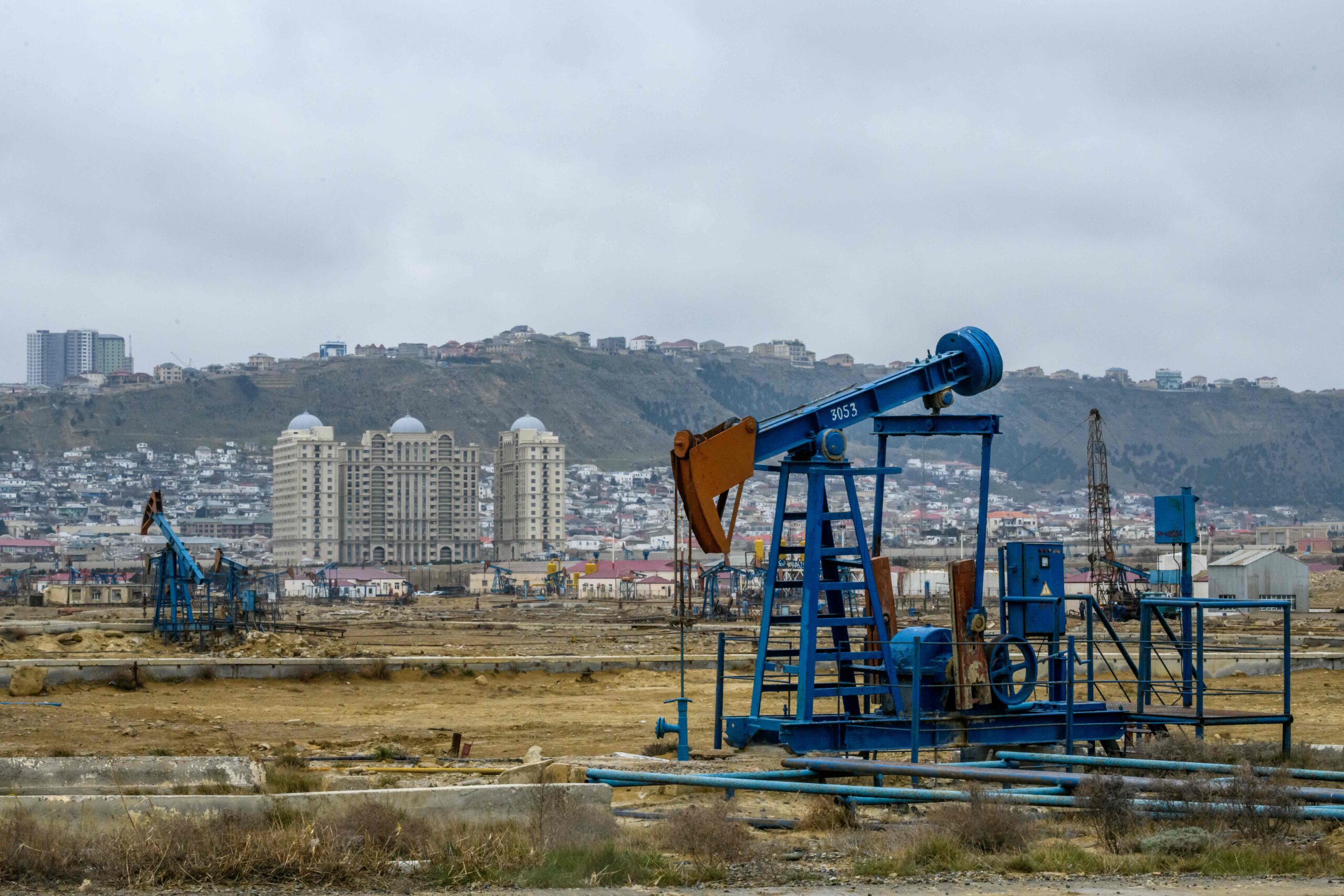
NATO's Energy Security Rests on a Fragile Ceasefire
There is a lot riding on the success of the recent cease-fire agreement between Azerbaijan and Armenia. NATO’s energy security is now intertwined with the fragile deal. Fueled by Russian arms and military training, the Armenia-Azerbaijan conflict threatens to shake confidence in Europe’s drive to reduce its energy reliance on Moscow.
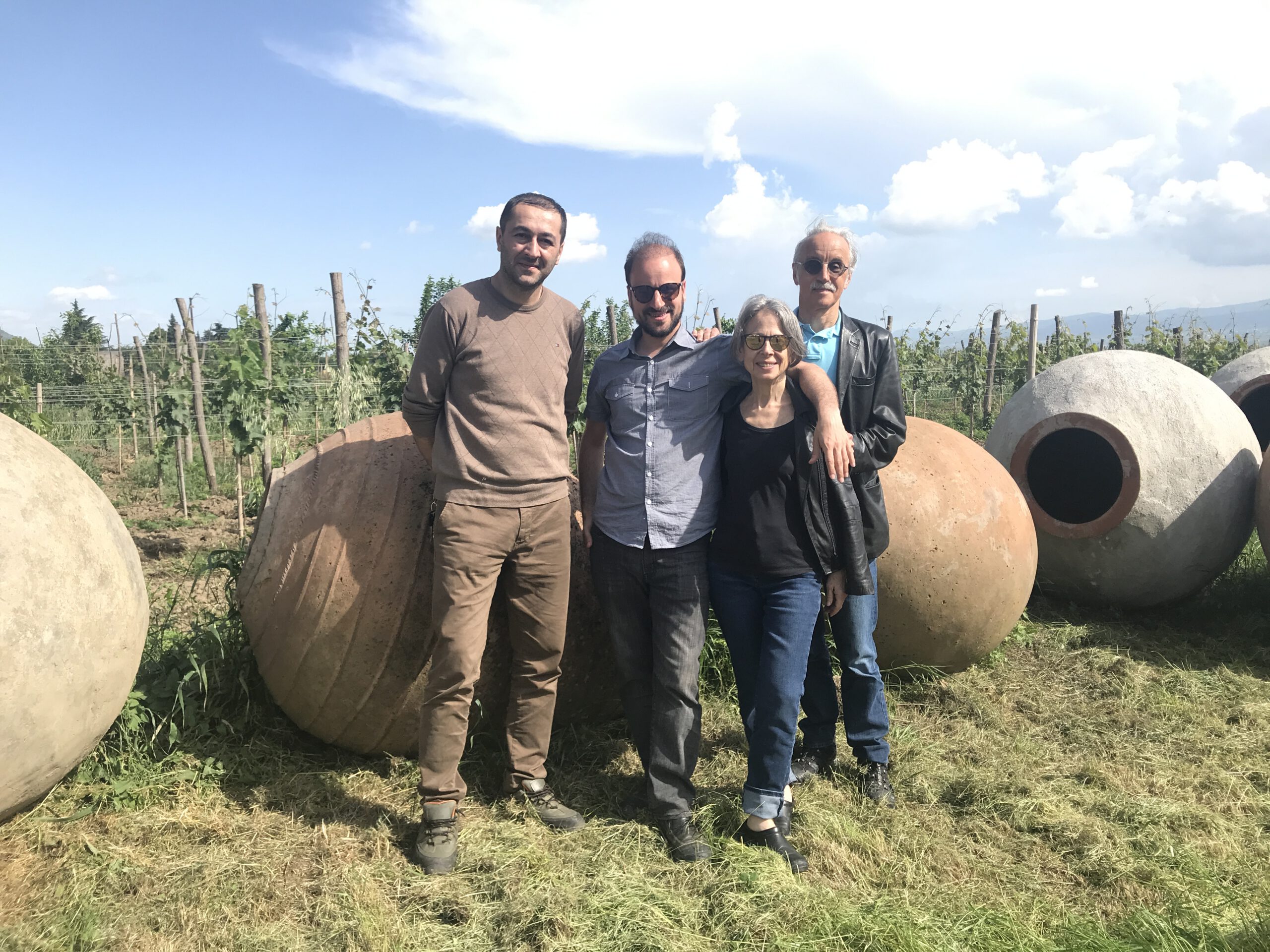
Our Shared Humanity, Middle Eastern Hospitality, and Authentic Georgian Wine Reinterpreted for Our Covid Christmas
Therefore, this holiday season – dear reader – might I suggest a return to the essentials? The greater Middle East is the birthplace of Christianity, Judaism, and wine. This year, why not return to basics with some Georgian wine at the holiday table? Wine is central to Judeo-Christian rituals. It is a requirement for the Eucharist – as well as for Shabbat and Passover. A more secular property of wine is its ability to encapsulate a sense of place and epitomize the traditions of a culture.
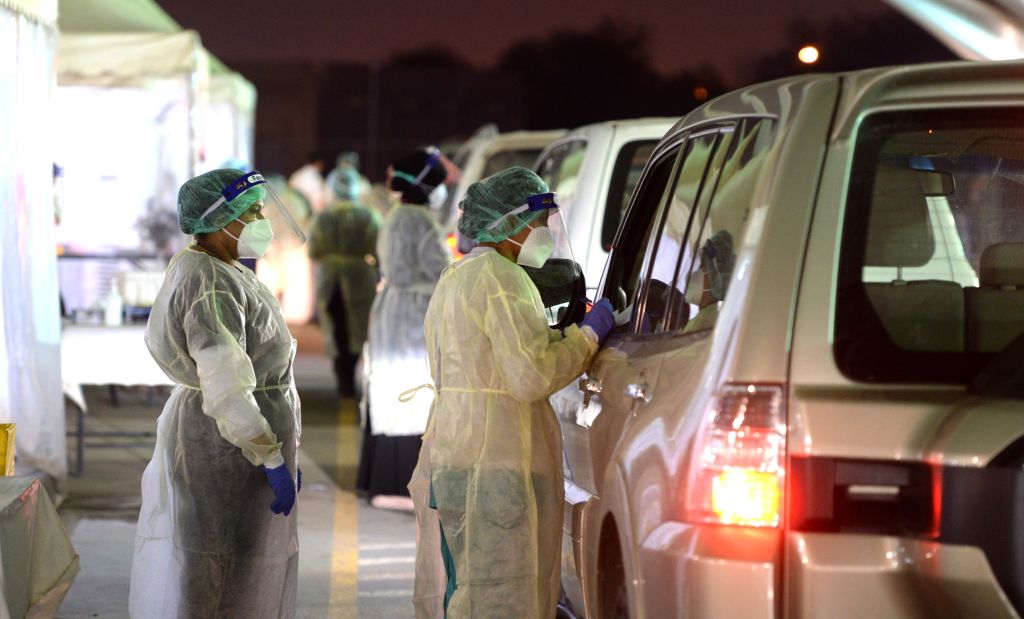
2020 Year in Review
A look back at the year’s most important developments with analysis from Paul Salem, Alex Vatanka, Randa Slim, Gerald Feierstein, Gonul Tol, Jonathan M. Winer, Khaled Elgindy, Marvin G. Weinbaum, Mirette F. Mabrouk, Grace Wermenbol, Syed Mohammad Ali, Robert S. Ford, and Khaldoun Khelil.
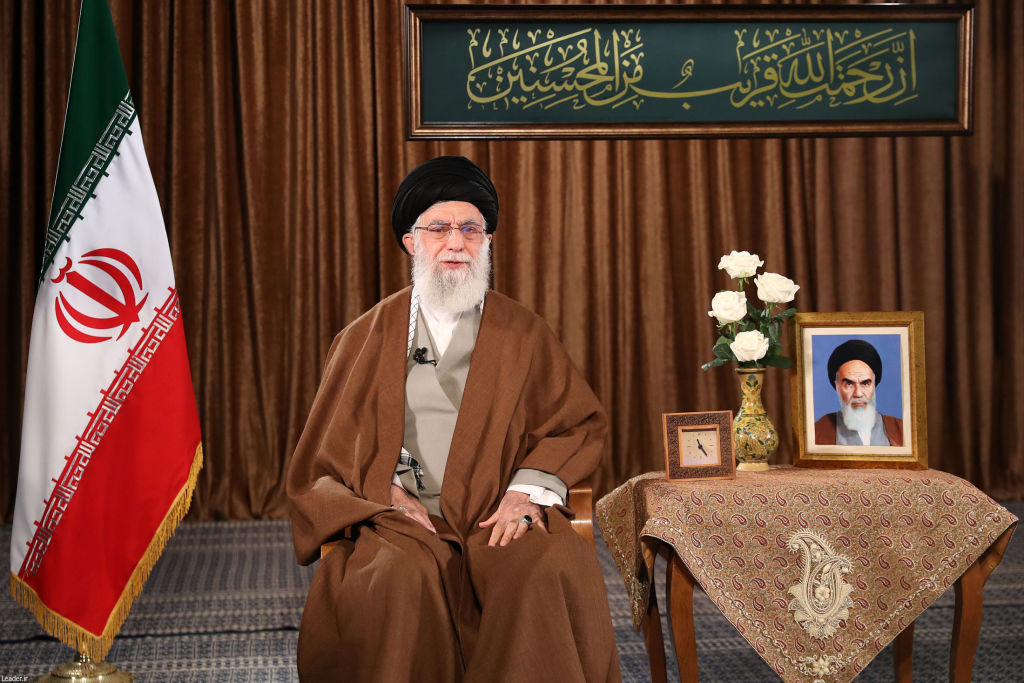
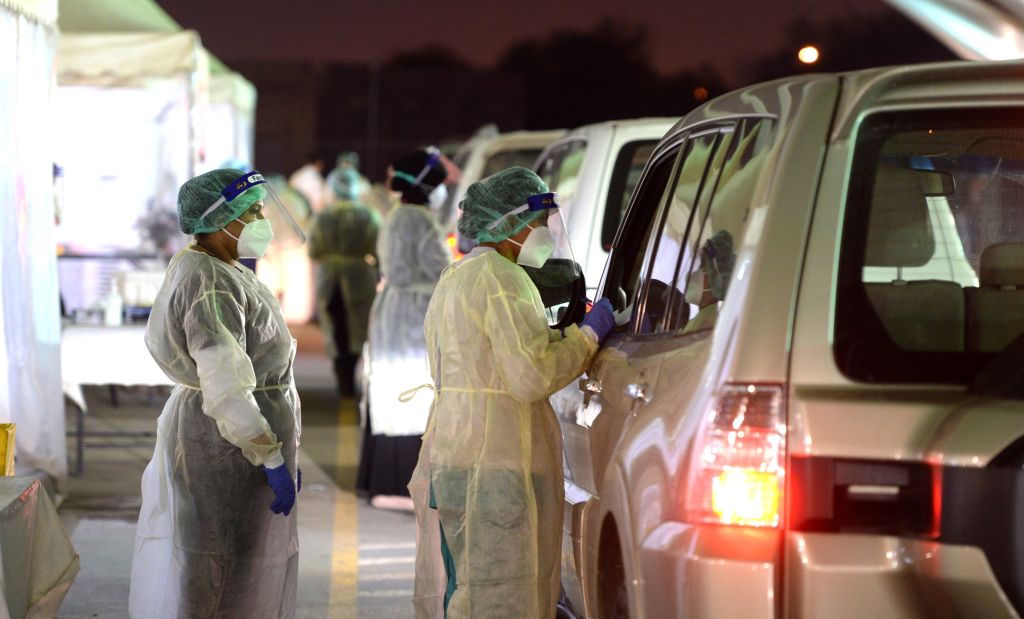
الجائحة والانكماش الاقتصادي والتحولات الجيوسياسية
تميز عام 2020 في الشرق الأوسط بجائحة كوفيد-19، والتكلفة الاجتماعية والاقتصادية العميقة التي تتسبب فيها. والتحولات الإقليمية التي أحدثها تطبيع العلاقات بين إسرائيل وعدد من الدول العربية.

Shatter the web: Internet fragmentation in Iran
Iran’s internet shutdown last year was an exercise of its digital power that had been years in the making. Since 2013, the Iranian government has invested heavily in developing its domestic internet known as the National Information Network (NIN). With critical internet infrastructure under its control, the Iranian government can isolate its citizens from the global internet by filtering content, restricting communications, and controlling which platforms they can use.

Black Sea Gas Campaigning 2020
Less widely reported are other offshore discoveries in the Black Sea being made by various regional players, some more overtly than others. Given the not insignificant hurdles posed by limitations of technical capacity, a bounty of market supply, and unresolved conflicts leaving borders and exclusive economic zones (EEZs) in question, many are asking who’s campaigning for new Black Sea gas, and why? And just as importantly, whose national security interests stand best to gain?

Webinar Series | Ten Years After the Arab Spring: Middle East Writers Reflect on the Arab Uprisings
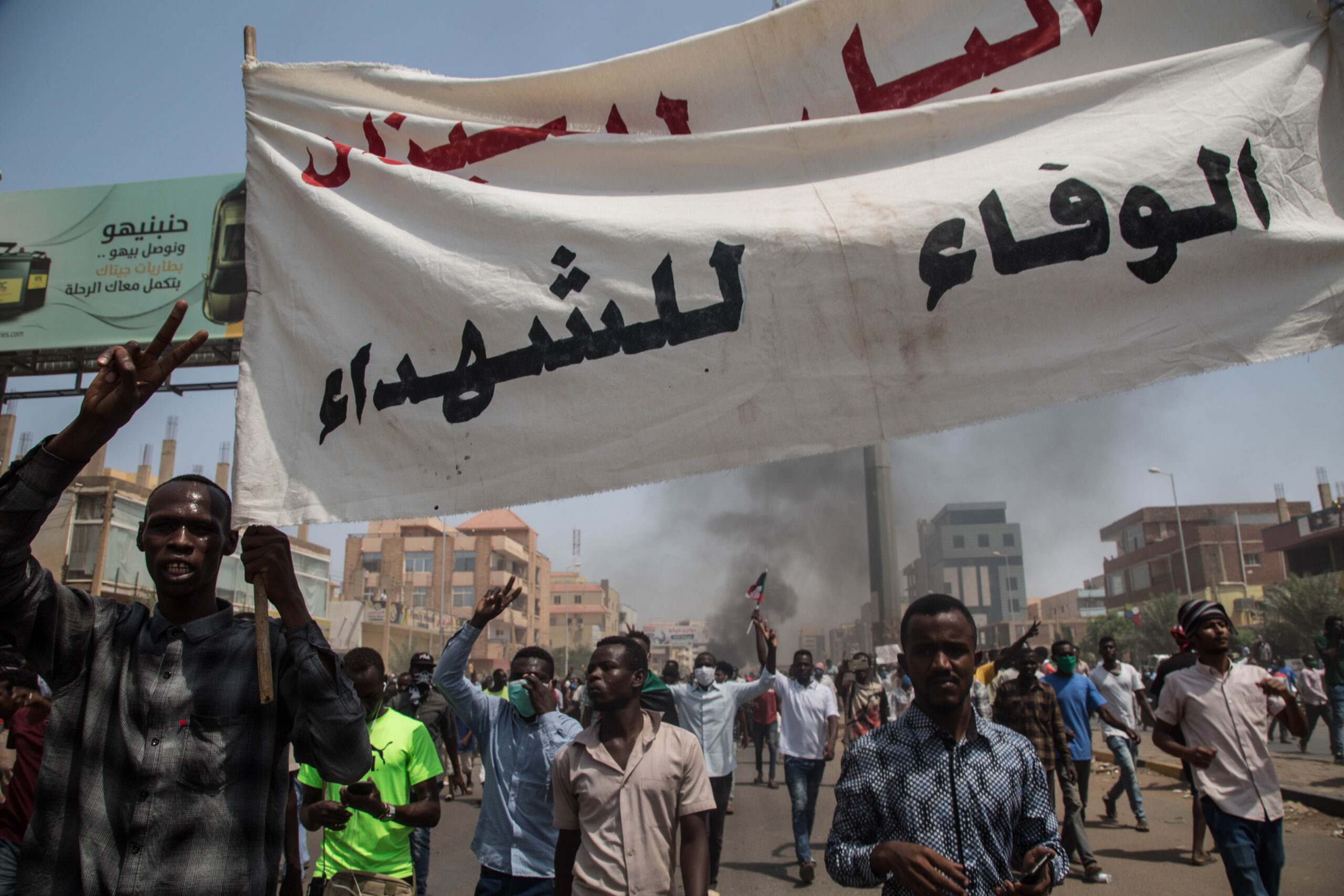
After Flood and Revolution: Sudanese Responses to a Lagging Transitional Government
Covid-19 in India and Sri Lanka: New Forms of Islamophobia
In recent years, Islamophobia has been on the rise both in India and Sri Lanka. The spread of the Covid-19 pandemic in South Asia has also produced new forms of Islamophobia in New Delhi and Colombo. While governments around the world have played the blame game and typecast one ethnic group or community as the “super spreaders,” the stigmatization of the Muslim community in India and Sri Lanka has become normalized, cutting across different demographics.



