Rival Afghan leaders strike a power-sharing deal, but there are plenty of other obstacles on the road to peace
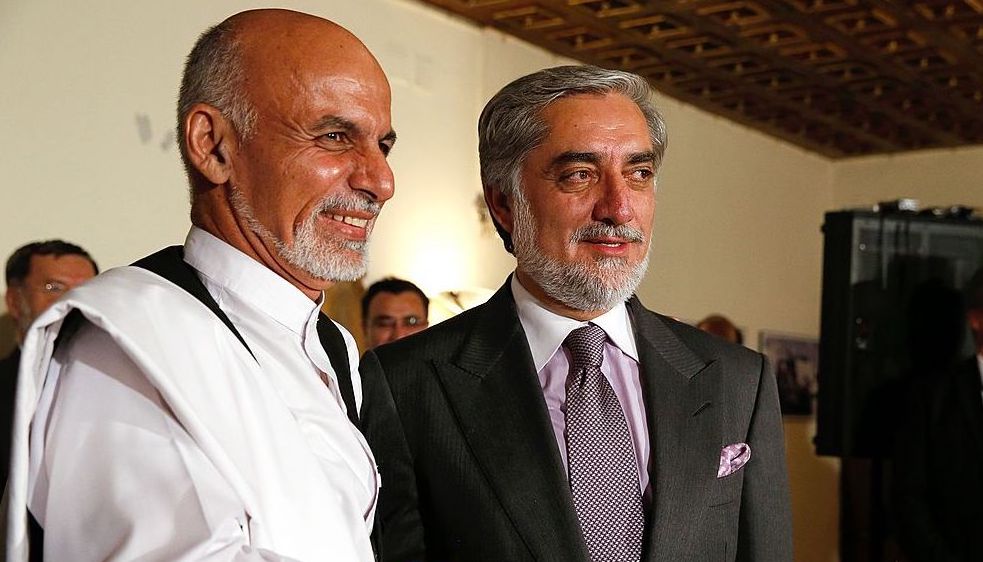
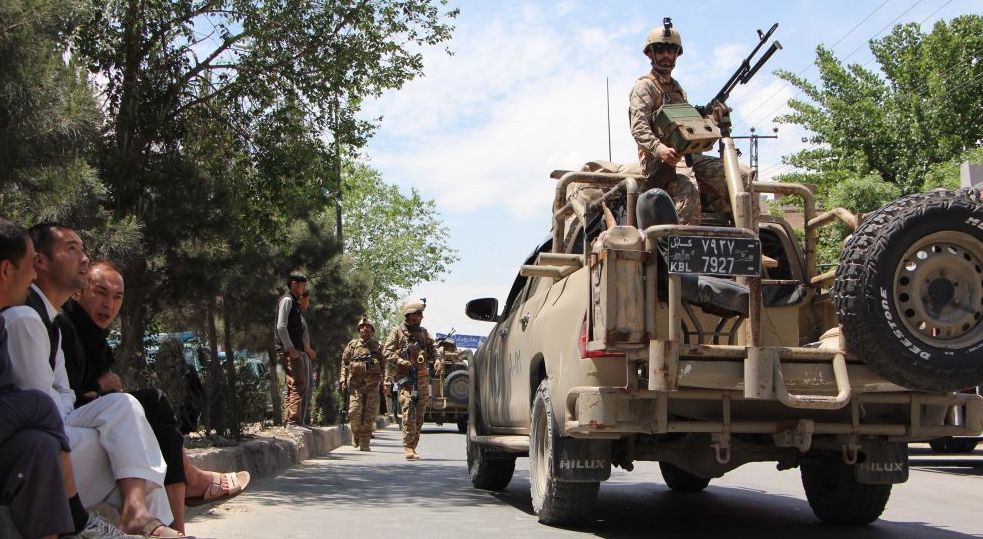
There was no other way to end the political logjam in conflict-ridden Afghanistan than to make current President Ashraf Ghani and the outgoing Chief Executive Abdullah Abdullah agree to share power. The deal announced on May 17 has been widely welcomed by the international community because the political tensions between the two rivals were viewed as one of the major hurdles to the advancement of an intra-Afghan reconciliation process. The political jockeying in Kabul is far from the only impediment to reconciliation though and there are deeper obstacles to the peace process.
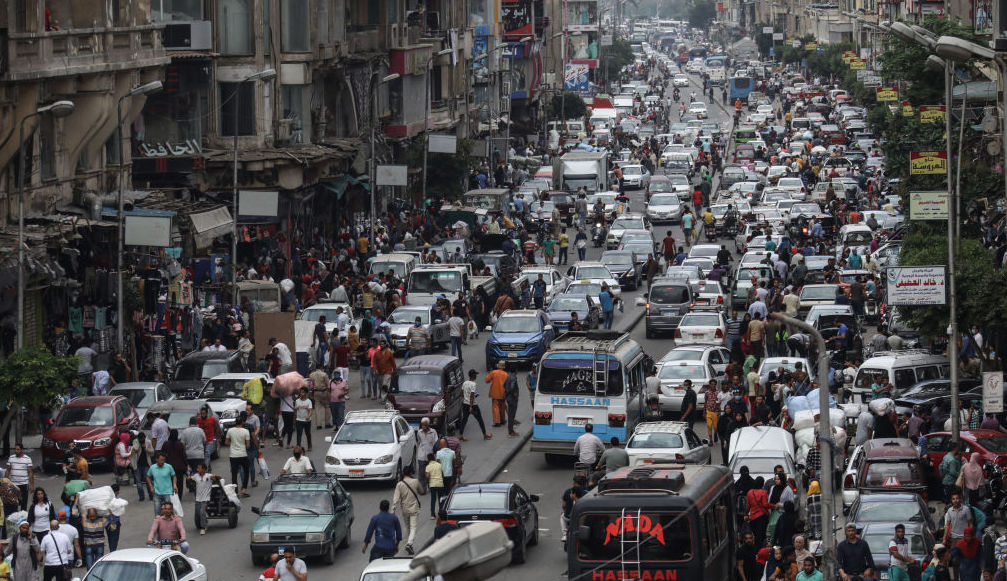
Mirette Mabrouk and Dr. Sherif Kamel join host Alistair Taylor to discuss Egypt’s economy and the role of entrepreneurship. Like countries across the Middle East and North Africa, Egypt has been hit hard by the coronavirus pandemic and the economic fallout is likely to be severe.
China’s Maritime Silk Road and the Middle East: Tacking Against the Wind
The momentum of the BRI has lately slackened due to a variety of setbacks and disruptions. Until now, China has made headway in executing BRI-related projects in the Middle East despite such problems. Plummeting oil prices coupled with the onset of the worldwide public health and economic crises triggered by the covid-19 pandemic could result in scaled back plans and delayed implementation of BRI projects in the region. But China is not about to abandon the effort to extend the Maritime Silk Road to the Middle East — nor are its most avid regional partners.
Israel finally has a government, but for how long?
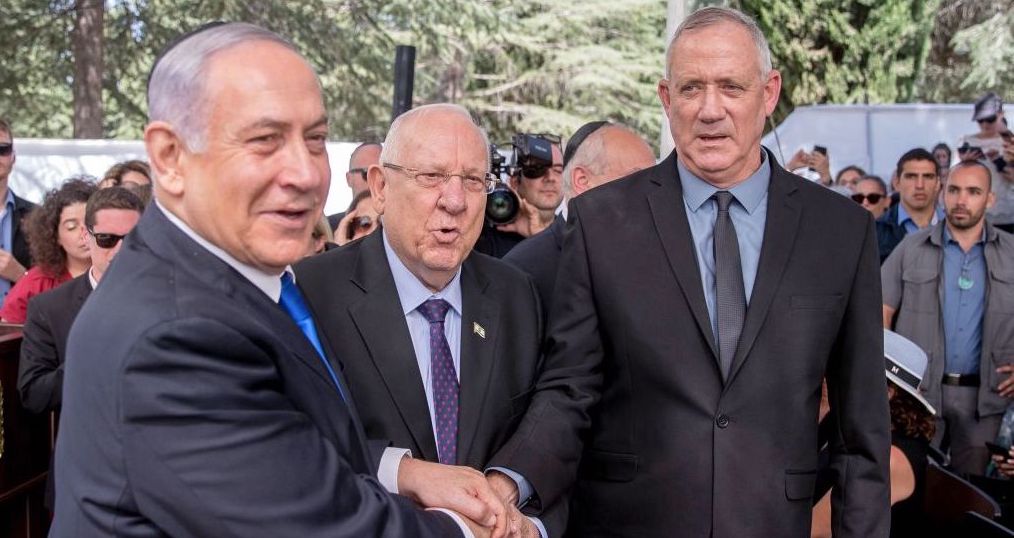
Israel’s 17-month ordeal without a functioning government has mercifully come to an end. An unlikely coalition that agrees on little has given birth to a monstrosity that is the largest government in Israel’s history, with 34 cabinet positions (some reports say 36) plus 16 deputy ministers.
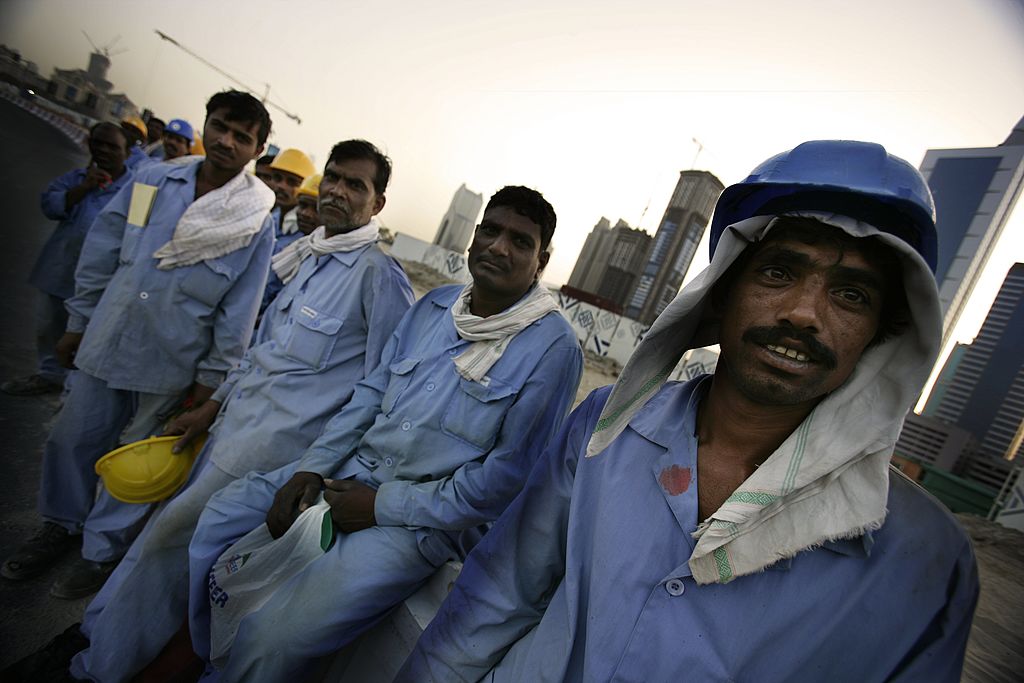
Egypt’s potential perfect storm: Pandemic, recession, returnees, and remittance losses
A possible influx of returnees from the Gulf swelling the ranks of the unemployed is bad enough, but it also comes with a serious complication — the possible loss of remittances.
Gulf Partners Can No Longer Afford To Stay The Course With U.S. Iran Policy
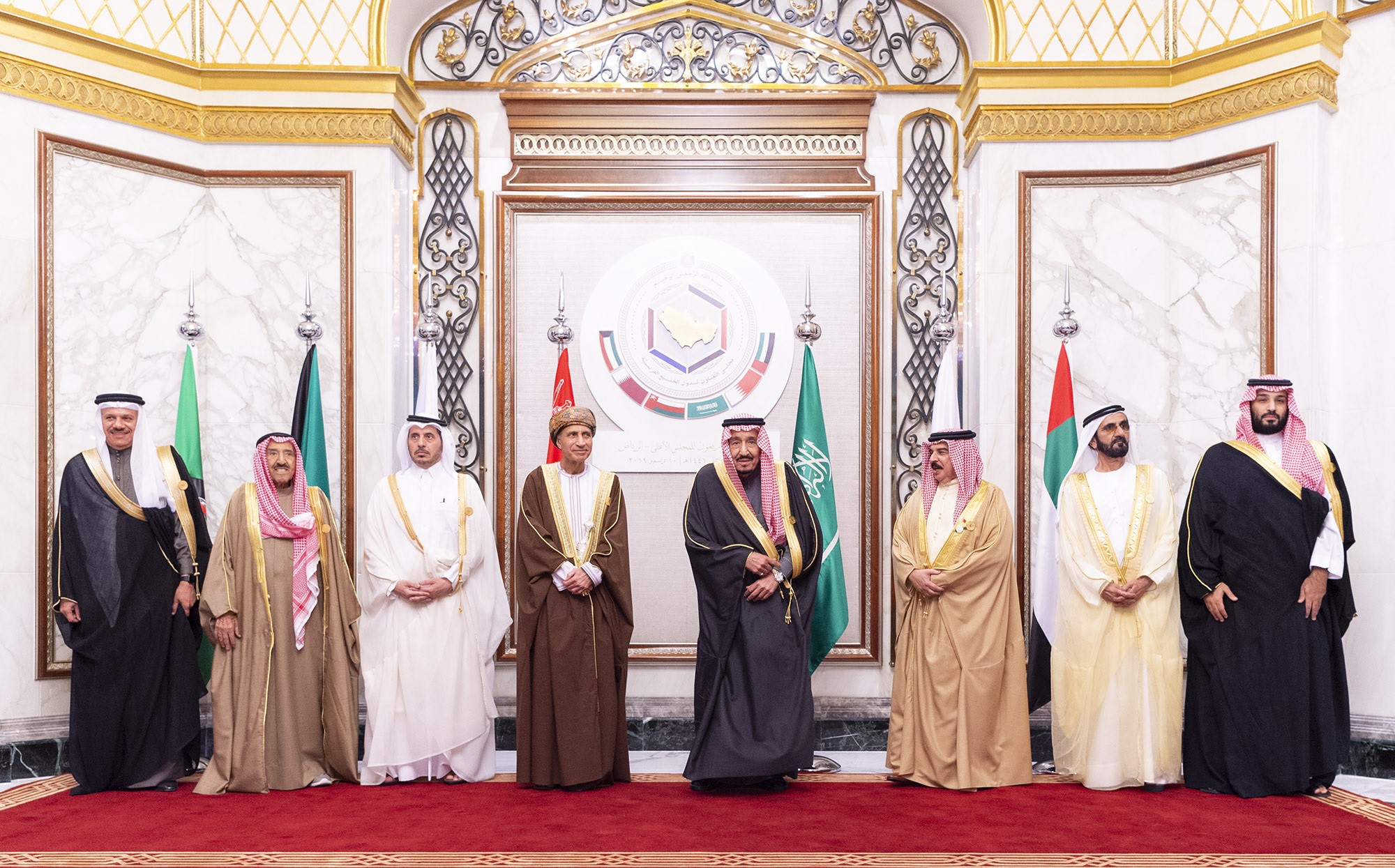
To help prevent a U.S.-Iran war in their neighborhood, the countries of the Gulf Cooperation Council have called for diplomacy. They have reached out to Iranian officials to de-escalate. And they have provided Tehran with humanitarian assistance to deal with the coronavirus pandemic.
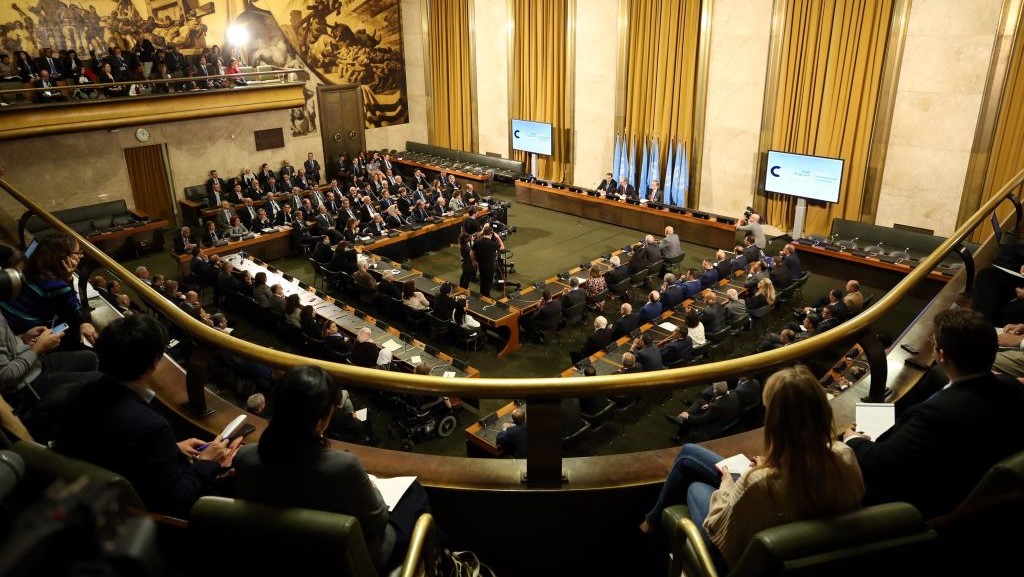
The Syrian constitution will only be words on paper until power is devolved to the local level
Syria faces long-standing economic problems that have been greatly exacerbated by its nine-year-long war. The cost of rebuilding the country will be enormous. But before there can be any discussion of sanctions relief or economic assistance, key political and economic reforms must be implemented. First and foremost among these is the devolution of power to the most local level of governance.
Hafsa Halawa, Shahla Al-Kli, and Yesar Al-Maleki join host Alistair Taylor to discuss the challenges facing Iraq’s new prime minister, Mustafa al-Kadhimi, from COVID-19 and the fall of oil prices, to long-standing issues in governance and foreign relations.
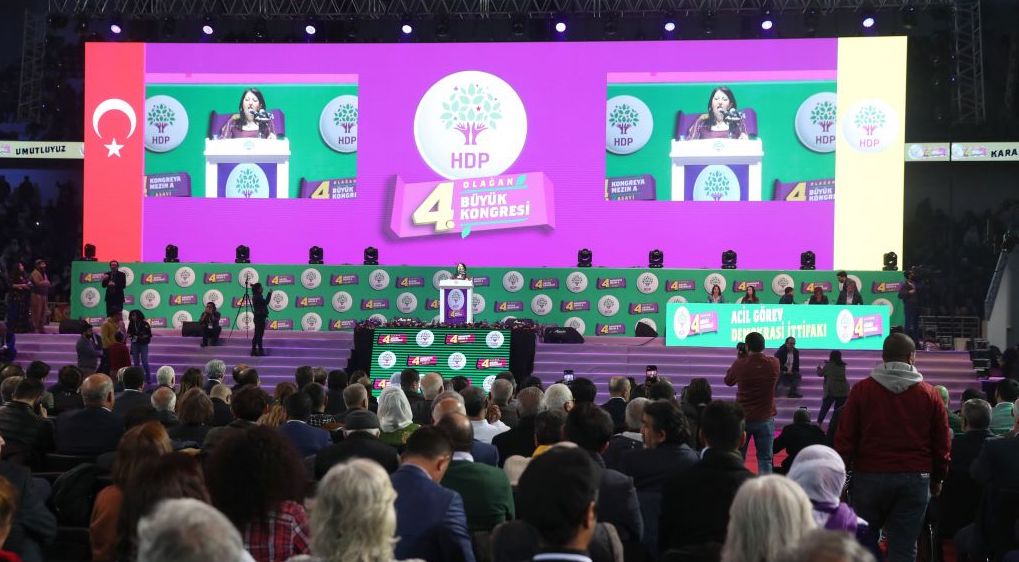
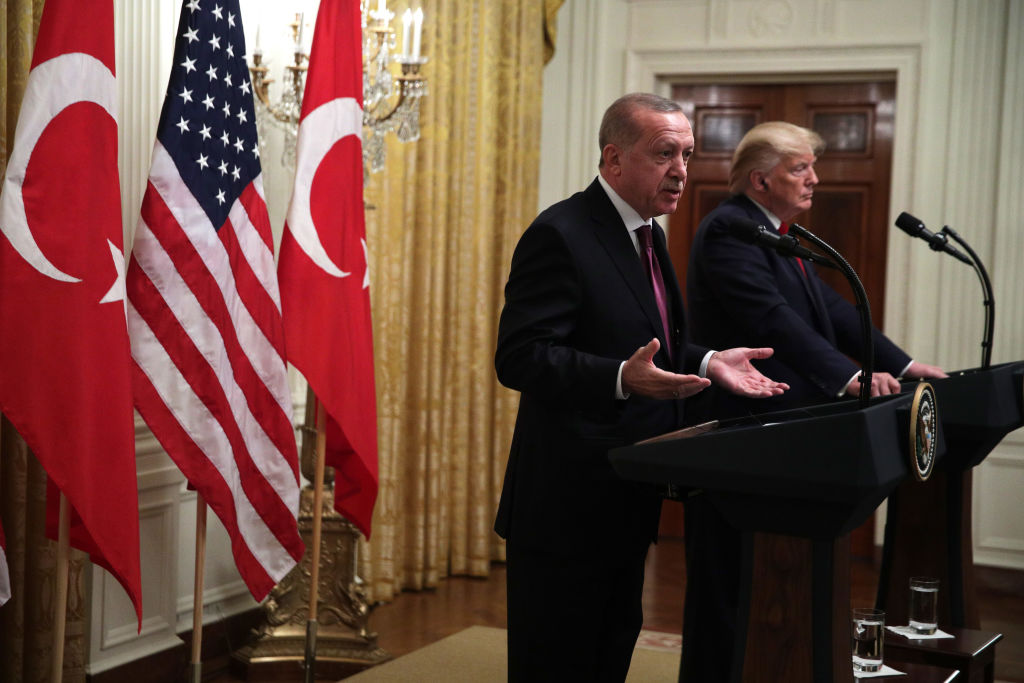
Arguably the time is now ripe to begin accumulating such nuances in regard to Turkey. The difficulties of dealing with Turkey and President Recep Erdogan are incontestable and well-known. Nevertheless, Turkey’s geopolitical significance is equally indisputable and far-reaching. Many of the major issues in European security – migration, Libya’s civil war, confronting Syria’s civil war (the equivalent in our time of the Spanish Civil War in the 1930s), stabilizing the Balkans, defending the Black Sea, European energy security, and in particular accessing the energy in the Eastern Mediterranean – would benefit from the restoration of a true and ongoing strategic dialogue with Turkey. Indeed, neither we nor Turkey can make progress on them without such a dialogue.
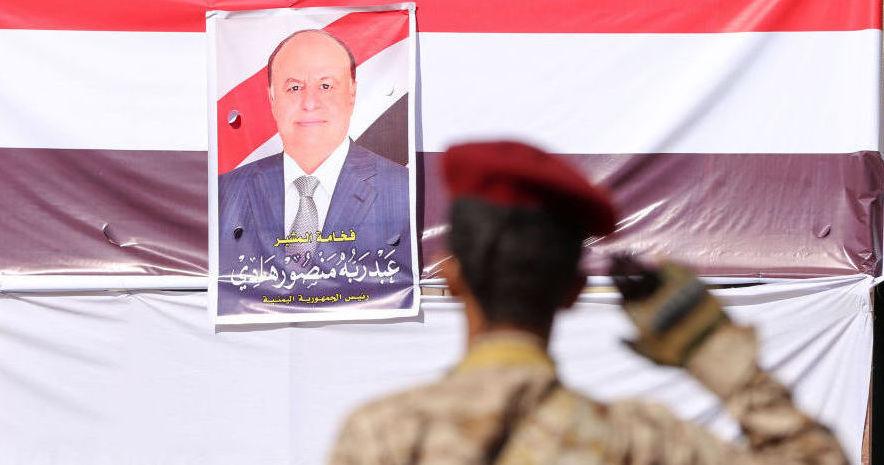
President Hadi and the future of legitimacy in Yemen
What is the future of legitimacy in Yemen? The question of what would happen if President Abed Rabbo Mansour Hadi were to die has been an unspoken concern for the past several years. It is important to address the question of legitimacy after Hadi because the constitutional rules on how to transfer his authority to a successor and how to avoid a presidential vacuum are impractical given the ongoing conflict.