Iranian leaders say “axis of resistance” will retaliate against Israel for Syria strikes
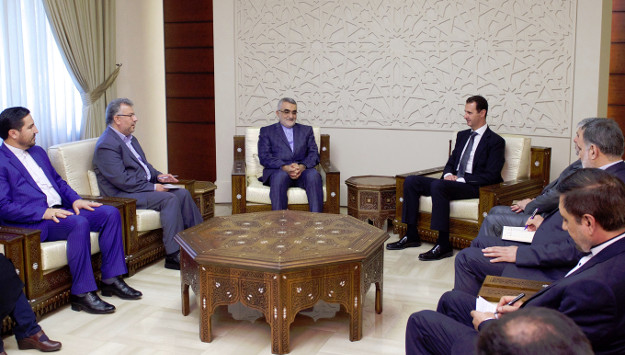
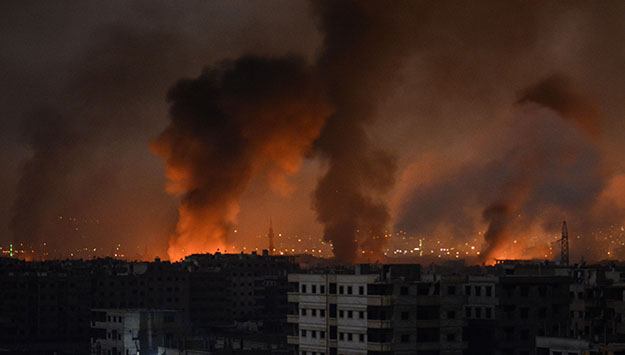
On an official visit to Damascus this week, the chairman of the Iranian Parliament’s National Security and Foreign Policy committee said that the Islamic Republic would retaliate against Israel for last month’s strikes on an air Syrian military base that killed several Iranian nationals. “We will respond to any aggression on Iran at the appropriate time and place,” Alaeddin Boroujerdi said at a news conference in the Syrian capital on Tuesday. The senior Iranian lawmaker made the remarks after meeting with President Bashar al-Assad and top Syrian officials and parliamentarians.
Iran-backed Fateh Alliance seeks to win or play kingmaker in upcoming Iraqi elections
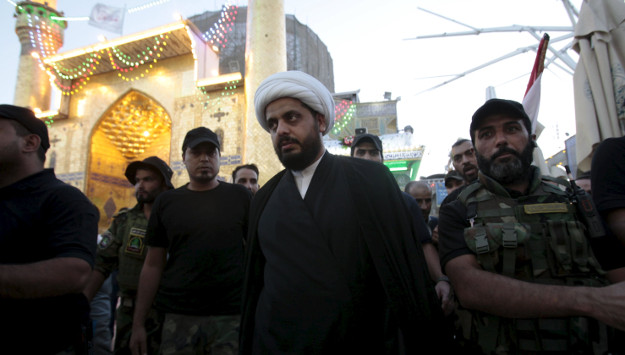
With Iraq’s May 12 parliamentary elections nearing, the coalition of Iranian-supported militia groups called Fateh Alliance is confident that it can translate its military gains into a political victory by either winning the premiership or playing kingmaker in the post-election government formation process, according to Tasnim News Agency, an outlet affiliated with Iran’s Revolutionary Guards.
Morocco cuts ties with Tehran, accusing Iran and Hezbollah of arming Polisario Front
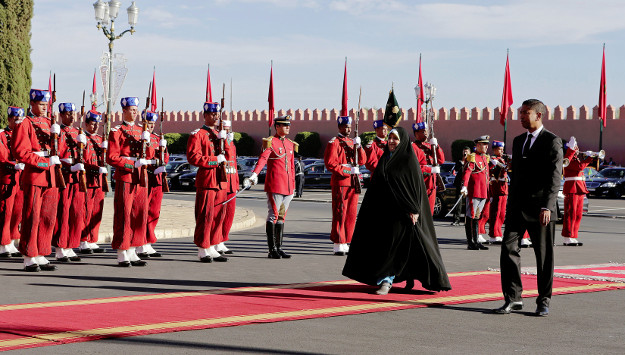
The Moroccan government announced yesterday that it has severed its diplomatic relations with Iran over Tehran’s support for the Polisario Front, a separatist movement in Western Sahara,
Conflicting reports on suspected Israeli strikes targeting Iranian-backed Afghan militia in Syria
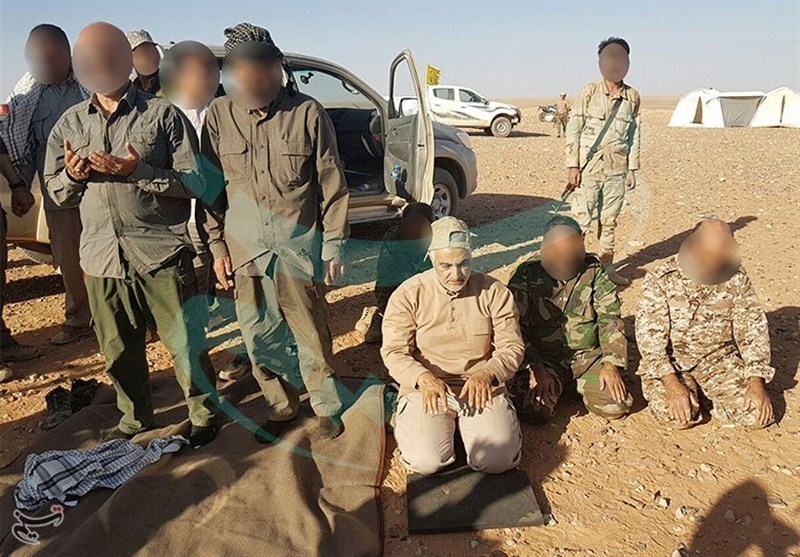
The commander of the Fatemiyoun Division, an all-Afghan militia unit fighting under the Iranian Revolutionary Guards’ leadership in Syria, has rejected media reports that missiles hit its military base near Syria’s northwest over the weekend. “The military base of this Division is near the city of Aleppo. No combatants from this force have been martyred by an attack as reported in the media,” Tasnim News Agency, a Revolutionary Guards mouthpiece, quoted the Afghan Shiite commander as saying in an exclusive interview, without disclosing his name.
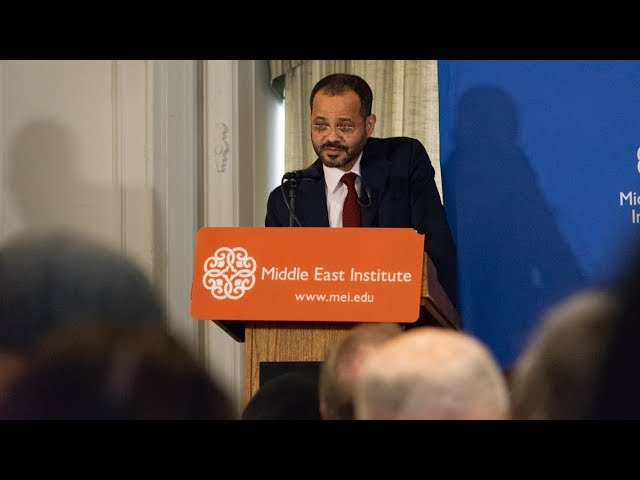
In the midst of a series of diplomatic crises in the Gulf region, Oman stands out as a widely-respected regional mediator. The small country has remained neutral and facilitated economic transactions between Qatar and other GCC countries. The Sultanate has used its balanced relationships with all of the major parties both within and outside Yemen to work towards resolving the Yemen conflict. While managing these delicate diplomatic tensions, Oman has also led working groups in China and India on bilateral economic ties as well as maintained cordial relations with Iran.
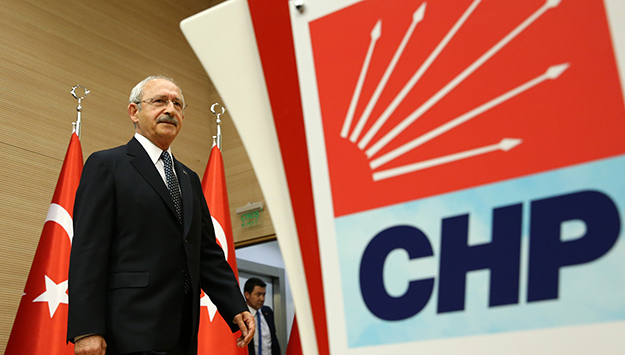
Turkey is going to the polls, again. On Apr. 18, President Recep Tayyip Erdogan called for snap elections, bringing forward presidential and parliamentary polls scheduled for November 2019 to this June. The vote will seal the country’s transition from a parliamentary system to a supercharged executive presidency. If Erdogan wins, many think it will be the final nail in the coffin of Turkish democracy. Should Erdogan lose, he will lose more than his grip on power. Stakes are high and all parties are bent on fighting tooth and nail.
In this week’s Monday Briefing, MEI experts Charles Lister, Gerald Feierstein, W. Robert Pearson, and Marvin G. Weinbaum provide analysis on recent and upcoming events including the escalating deterrence between Israel and Iran, Pompeo’s pressure to resolve the Gulf crisis, Turkey’s increasing isolation, and the Pashtun protests in Pakistan.
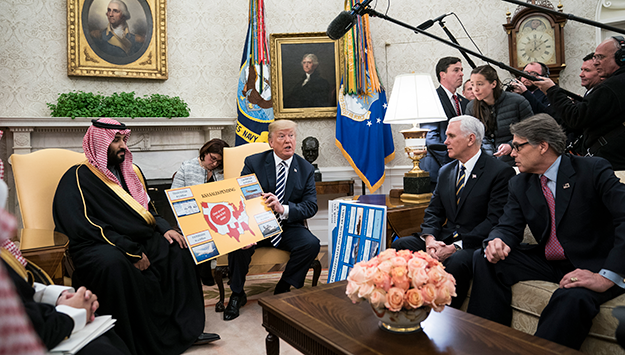
The White House last week released a new plan—called “Buy American”—to shore up U.S. arms sales to global friends and allies. It’s borne out of President Donald Trump’s desire, which he articulated during his presidential campaign, to sell more American weapons as a means to boost the U.S. economy and create more jobs.
Iran’s regional allies threaten Saudi Arabia and US after Houthi leader’s death
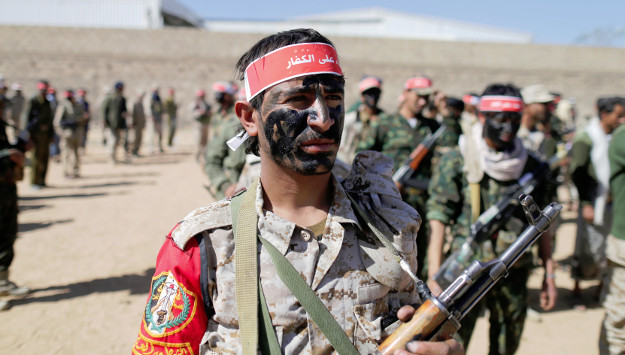
Iran’s regional militia allies have vowed retaliation for the death of Houthi leader Saleh al-Sammad in Yemen, the Iranian media reported. The Houthi rebels as well as Iran’s regional militia proxies said they would hold not only Saudi Arabia but also the United States accountable for the killing of al-Sammad. The Iraqi Hezbollah said the Houthi leader’s assassination will open a new chapter in the fight against Saudi Arabia, which it said is “mired in the Yemeni quagmire.” It also accused Washington of complicity.
European-US cooperation on nuclear deal unnerves Tehran
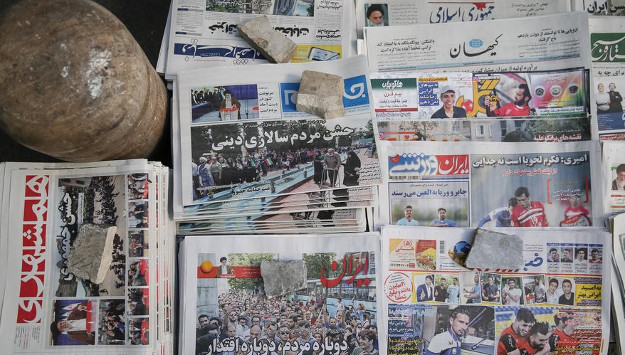
French President Emanuel Macron’s proposal to his US counterpart Donald Trump for a “new deal” with Iran has caused a great deal of anxiety in Tehran. Headlines in the Iranian media today, most in conservative outlets, accused France and Europe of betraying Tehran and siding with Washington. “Europe kneeled down,” read the headline of Vatan-e Emrooz. The paper wrote that the French president was the last ray of hope to save the nuclear accord and convince Trump to stick to the deal rather than scrap it.
Turkey’s snap elections and issues in U.S. relations
MEI’s Gonul Tol and Amb. Robert Pearson join Paul Salem to discuss the domestic political scene heading into Turkey’s snap presidential and parliamentary elections in early June and the state of its relations with the United States after the departure of Secretary of State Rex Tillerson and pending arrival of Mike Pompeo.
Iraqi oil law puts elections before state-building
Since the ratification of Iraq’s constitution in 2005, Iraq has struggled to interpret clauses 111 and 112, which stipulate that oil is the property of the Iraqi people and its revenues should be shared equitably. Several draft laws on hydrocarbon management, energy sector regulation, and oil revenue distribution have remained stalled because of differences between the federal government and the Kurdistan region over the interpretation of those clauses.
Iran revokes Telegram license as authorities step up Internet crackdown
In the latest measure to restrict Internet and disrupt foreign messaging apps, the Iranian government today announced that it has revoked Telegram’s license to host servers inside the country, the Iranian media reported. The Supreme Cyberspace Council, an agency tasked with monitoring and filtering Internet in Iran, said the license cancellation means Telegram, used by more than a half of Iran’s 80 million population, has to transfer all its servers outside Iran, and that all incoming traffic will now have to be channeled through Iran’s gove
Iran threatens to leave NPT and resume high-level enrichment as US and Europe mull "new deal"
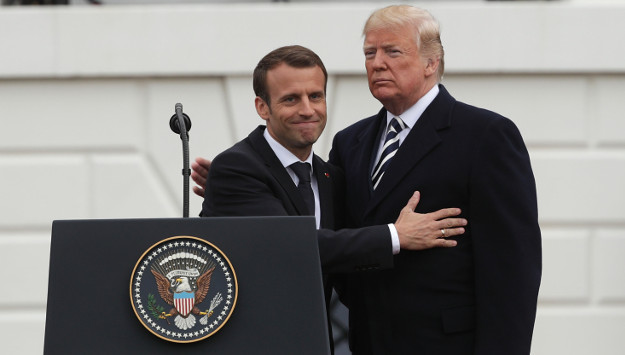
On Tuesday, President Donald Trump and his French counterpart Emmanuel Macron signaled that they will work on a “new deal” to supplement the 2015 Iran nuclear agreement and address the Islamic Republic’s ballistic missile program and destabilizing role in the region. Tehran’s response was loud and clear: The Islamic Republic will defy Western pressure and will not renegotiate the nuclear deal or make any compromises over its defense programs and regional posture.