Iran Discussing Joint Counterterrorism Measures with Regional States
The deputy chief of staff of Iran’s Armed Forces has revealed that the country has started discussions with certain states to joint fight terrorist in West Asia, the Iranian media reported. “The Islamic Republic of Iran is trying to uproot terrorism completely in the region in cooperation with other West Asian states; therefore, it has started contacts with the countries which herald establishment of tranquility in the sensitive West Asia region,” Brigadier General Massoud Jazzayeri said.
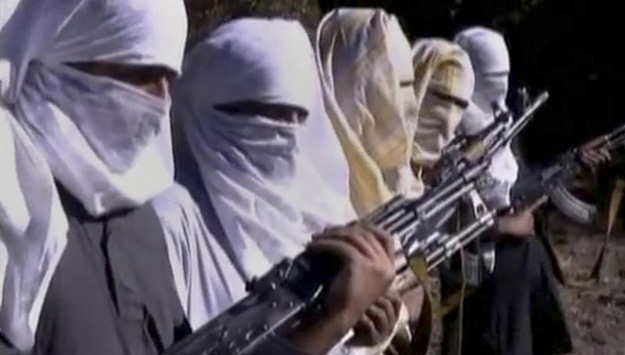
Al-Qaeda appears set to make a comeback in Pakistan, with battle-hardened militants returning from Syria and Iraq and eyeing for the resurrection of al-Qaeda in Pakistan.[i] A new terror group, Jamaat ul Ansar al-Shariah Pakistan, surfaced in June 2017, and is comprised of fighters who have returned from the Middle East.
Bahrain Says It Dismantled Terrorist Cell with Links to Iran’s I.R.G.C.
The Bahraini government said today that the country’s security forces have arrested seven members of a cell suspected of carrying out acts of terrorism in the island country, the Bahraini and Iranian media reported.
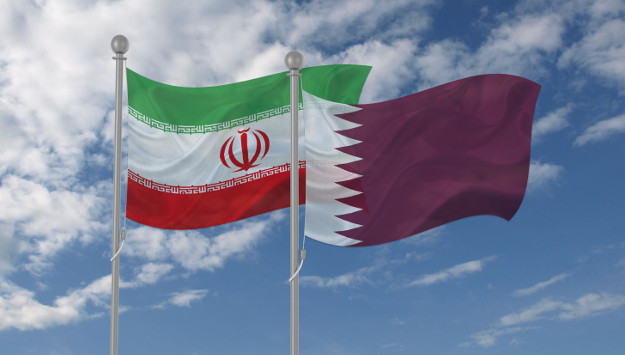
Iran Welcomes Qatar’s Decision to Return Its Ambassador to Tehran
Iran has welcomed the Qatari government’s decision to send its ambassador back to Tehran and restore full diplomatic relations between the two countries, the
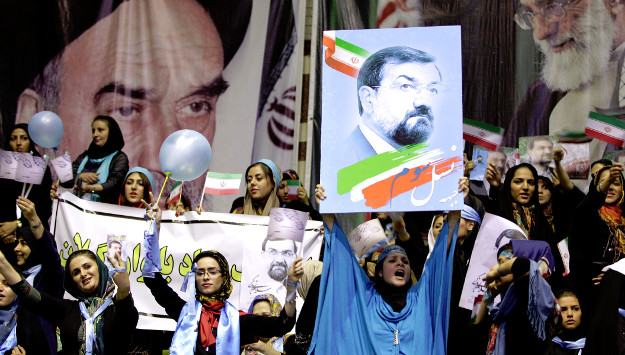
Senior Iranian Official: U.S. Has Waged Economic War against Iran
A senior Iranian official has cautioned that the Trump administration has waged an economic war against the Islamic Republic, particularly targeting the country’s Islamic Revolution Guards Corps (I.R.G.C.). “If the Americans were able to attack Iran, they would have done so a few years ago,” Mohsen Rezaei, the Secretary of Iran’s Expediency Council, said at a gathering of members of the I.R.G.C. and Basij Force in Hamadan Province on Thursday. The former I.R.G.C.
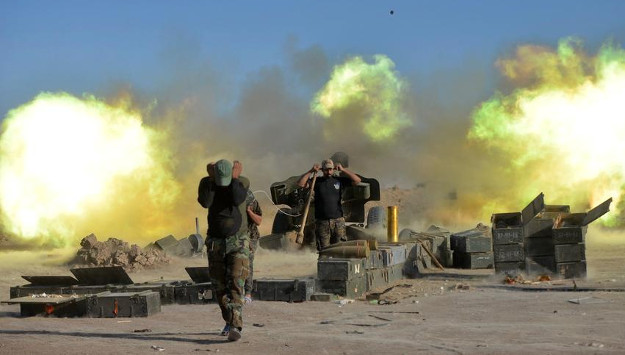
Iran-Backed Al-Hashd al-Turkmani Group Playing Major Role in Tal Afar
A senior commander of the Iraqi Popular Mobilization Force (P.M.F.) has announced that forces from al-Hashd al-Turkmani will play a major role in the military operation to liberate the city of Tal Afar from the Islamic State, Iran’s Fars News Agency reported today. Abu Mahdi al-Muhandis, the chief operational commander and deputy head of the P.M.F., made the statement after meeting with the leaders of Hashd al-Turkmani, a P.M.F. unit close to Iran and strongly anti-American.
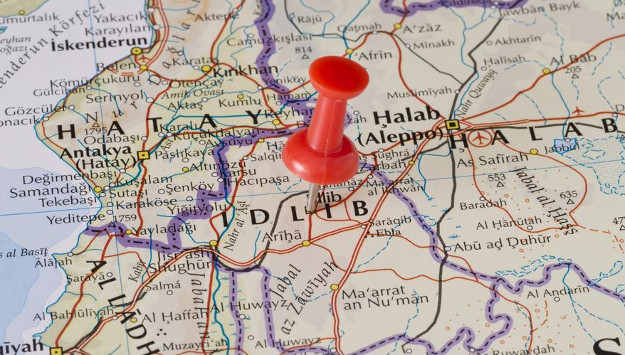
Turkey’s “Three Options” in Idlib amid Growing Tehran-Ankara Cooperation
Turkey has three options to tackle a looming threat to its national security emanating from the situation in Syria’s Idlib Province, according to an an
The Middle East Dialogue, a regional Track 1.5 group in which officials and non-officials from the region and beyond meet to discuss current issues in their personal capacities, met May 12-13 in Malta. Read the full report (PDF).
Tehran Raises Concern about Haley's Vienna Visit, Rules Out Inspection of Military Sites
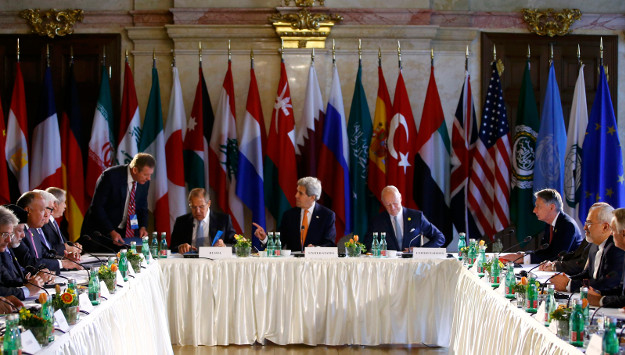
Iran’s Foreign Minister Javad Zarif has warned that U.S. Ambassador to U.N. Nikki Haley’s visit to Vienna is aimed at undermining the Joint Comprehensive Plan of Action (J.C.P.O.A.) – the nuclear deal Iran signed with world powers two years ago. In a letter to International Atomic Energy Agency (I.A.E.A.) Director-General Yukiya Amano, Zarif asked the international watchdog not to disclose any sensitive and secretive information about Iran’s nuclear activities to Haley or any other third party.
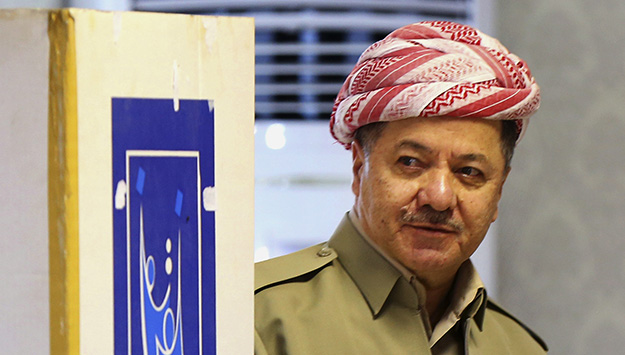
Iraqi Kurdistan’s democratic future and stability is at risk, and one party and family is especially closely linked to the crisis. In recent years, the Barzani family and the Kurdistan Democratic Party (K.D.P.) have consolidated power while displaying indifference to rule of law when facing critics or uncooperative minorities. This creeping autocracy should urgently concern those hoping to see a stable new democracy in a troubled region. On September 25, the Kurdish region is due to hold its independence referendum.
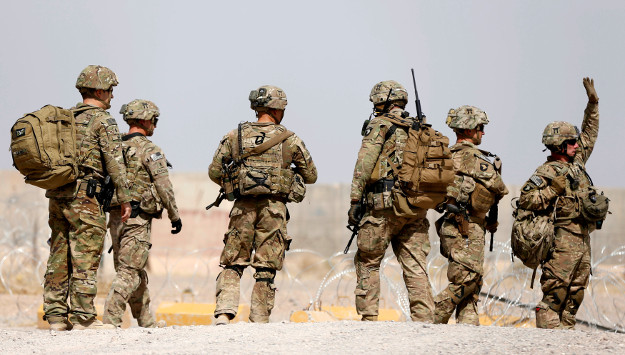
Last night Donald J. Trump became the third consecutive U.S. president to ensure that his successor will also need to wage war in Afghanistan. This is justifiably frustrating to the American public, but unfortunately appropriate to the threats at hand.
Online and Traditional Forms of Protest Mobilization: Morocco’s Rif Protests and Beyond
When investigating the relative role that social media and other factors can play in the mobilization of popular demonstrations, the recent Rif protests, which some have perceived as having the potential to spark a “second Arab Spring” in Morocco, are interesting to look at. These protests suggest that large-scale popular demonstrations might often result from a combination of both online mobilization and much more traditional mobilization strategies employed by charismatic movement leaders. In this sense, the Rif protests also contradict assumptions about the presumed role of “diffuse leadership,” which emerged in the context of the Arab Spring.