The Latest from Salam Kawakibi

Fighting Hepatitis C in Egypt
It seemed like an ordinary demonstration. Clusters of banner-waving youths marched along the sun-drenched main street of Damanhour, in the heart of Egypt’s Nile Delta, on March 6. But the banners they held, featuring a large cartoonish drop of red blood beside an emphatic “No!,” were directed not at political figures but at Hepatitis C (HCV), a blood-transmitted virus attacking the liver that counts nearly 12 million Egyptians as its victims.

An Insider's Perspective on Egypt's Economy Featuring Ashraf El-Araby
Comments by KRG President Massoud Barzani at Middle East Dialogue in Erbil
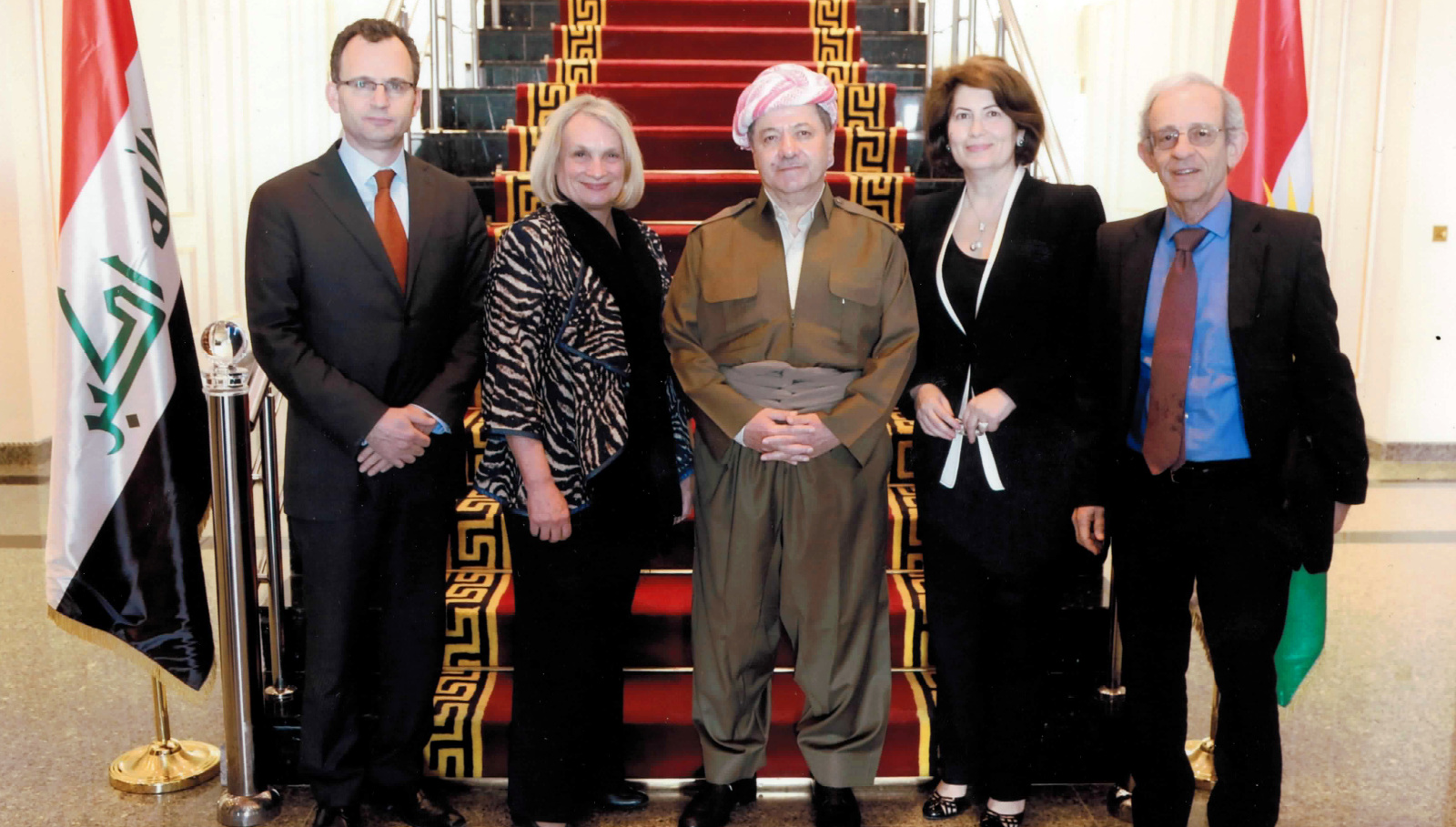
The Middle East Dialogue is a Track II forum focusing on emerging political and security trends in the region that meets twice a year, bringing together current and former officials and senior experts from Egypt, Saudi Arabia, the UAE, Iraq, Iran, Turkey, Jordan, Lebanon, Kuwait, the United States, Russia, China, and the EU. Members of the delegation, led by The Middle East Institute’s president, Wendy Chamberlin, met March 31 with Kurdistan Regional Government (KRG) President Massoud Barzani in Erbil, the capital of Iraqi Kurdistan.
Shifting Allegiances: The Israel-Gaza-Egypt Triangle
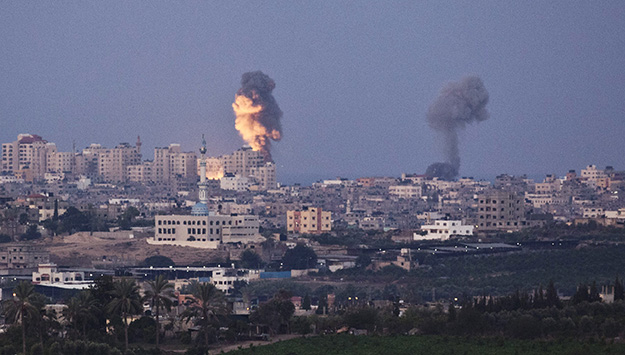
U.S. diplomatic efforts to resolve the conflict between Israel and the Palestinians have in the last year focused on relations between Israel and the Ramallah-based Palestinian Authority, led by PLO chairman Mahmoud Abbas. Yet there is arguably a far more dynamic and perilous front: one that encompasses Israel, Egypt’s lawless Sinai Peninsula, and the Gaza Strip, the latter of which is run by Hamas.
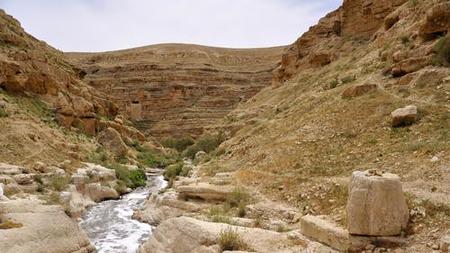
Israeli-Palestinian Environmental Cooperation: The Kidron Valley/Wadi Nar Master Plan
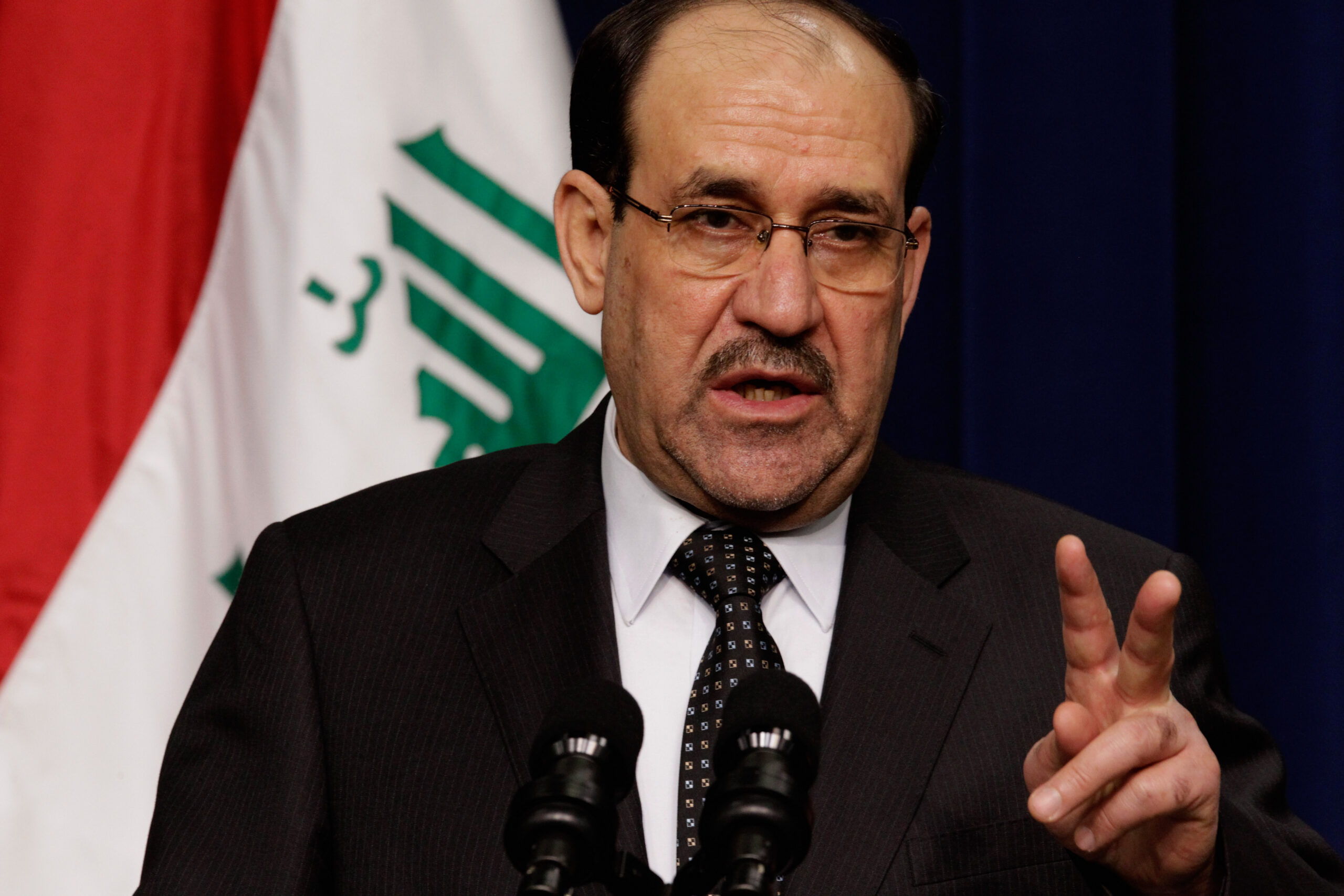
Maliki and the Security Sector in Iraq
It would be unfair to argue that democracy fails to provide stability in divided societies or that democracy cannot work in Iraq. Instead, the term “democracy” should be redefined to take free market principles into consideration. As the Iraq case shows, any political group, party, or figure can manipulate the democratic system if the state apparatus controls the distribution of economic resources. If, as in the case of Iraq, a political arrangement, constitution, or power-sharing formula results in a specific group gaining control of the distribution of economic resources, this imbalance will be reflected in the composition of the security forces as well as in their mission and activities, and it will likely result in the emergence of (armed) actors in opposition to them.
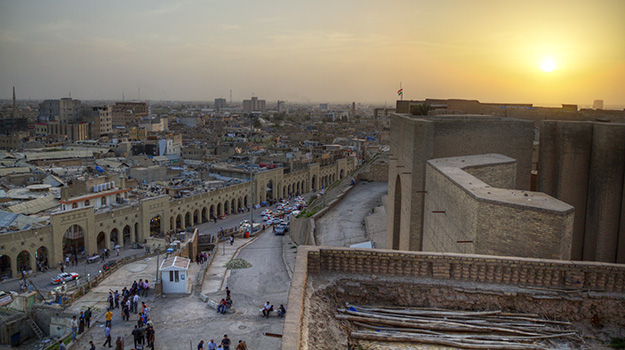
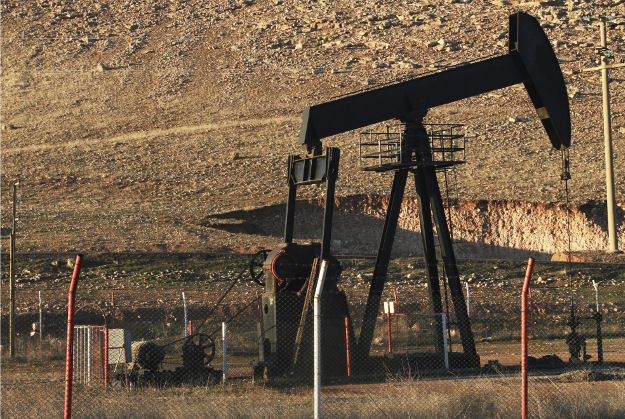
Erbil, Baghdad, and Implications of the Oil Dispute
Erbil—the capital of Iraqi Kurdistan—was once a chaotic and dusty backwater. Today, it is well on its way to becoming an attractive and orderly commercial and government center. A decade ago there were virtually no trees, as they had all been cut down for firewood to heat Kurdish hearths during the 1990s wars among Kurds and between Kurds and Saddam Hussein’s army. A magnificent wooded park now graces the mile or so from the high-rise hotel district to the Kurdistan Regional Government’s parliament and offices.
Challenges to State Building after the Fall of Qaddafi
The fall of the Qaddafi regime and the loss of the state monopoly on violence gave way to a duopoly of power in Libya whereby rudimentary “national” forces—under the control of the National Transitional Council (NTC) from March 2011 to August 2012—were established in competition with the non-state “Revolutionary Brigades,” which had borne the brunt of the military struggle against Qaddafi’s forces. Since then, the Revolutionary Brigades have increasingly sought to assert themselves in the political arena.
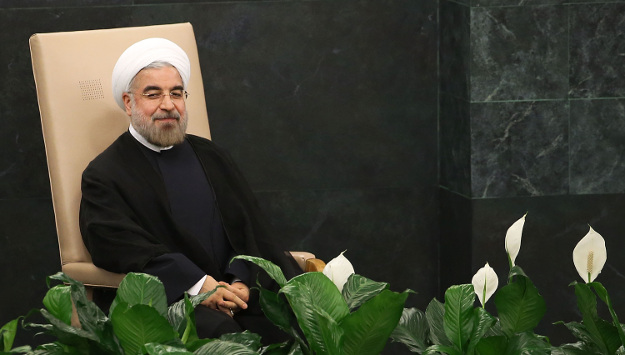
The Caucasus and the American-Iranian Nuclear Deal
This article first appeared in the Winter 2014 issue of the Caspian Report.
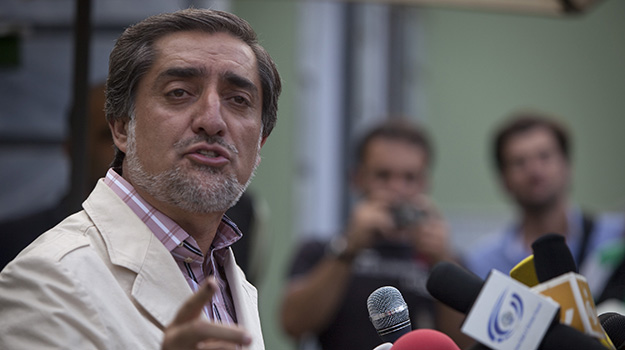
Ethnic Divisions and Alliances in the Afghan Elections
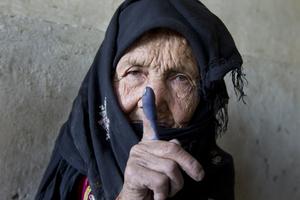
As the April 5 Afghan presidential elections draw closer, there is a growing consensus among most analysts that there will be a runoff vote and that ethnic groups will firmly ally themselves with a particular candidate in this second round of voting.
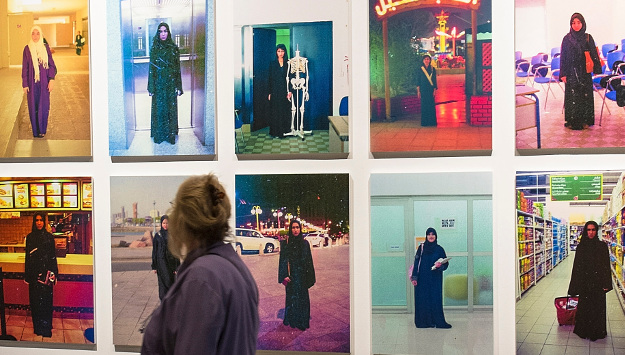
After the Spring, Arab Art Blossoms
In a historic first, three Arab films—all dealing with the political and social challenges faced by Arab youth—were nominated for Academy Awards this past March for best foreign language film (Omar, Palestine), best documentary feature (The Square, Egypt), and best documentary short (Karama Has No Walls, Yemen).
Democratization and Building a Democratic Army: Lessons from South Korea
Democratization in a country is not just about electing new leaders through free, fair, and competitive elections; it entails a much more comprehensive political overhaul, including deposing ruling elites from the previous autocratic regime, building workable democratic institutions with a new constitution, reaping support from pro-democracy civil society groups, and managing national security and order. Possibly the most significant factor in the success or failure of a state’s democratic transition and subsequent consolidation is establishing a firm and democratic control over the armed forces. Without depoliticizing the once-politically dominant military and making top military officials politically neutral and subordinated under democratically elected leaders, the post-democratization political process of a nation is destined to be highly unstable and most likely will derail from the route to democratic consolidation.
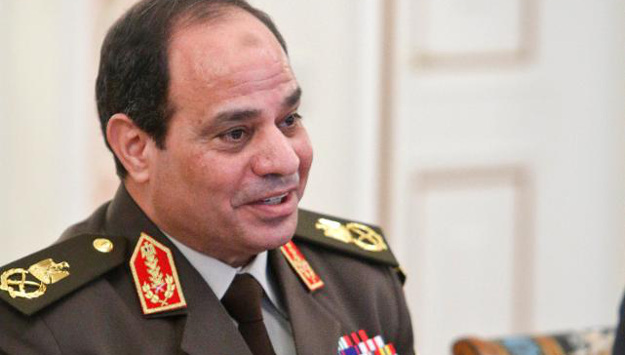
Sisi's Bid for the Egyptian Presidency
On March 26, Egyptian Field Marshal Abdul-Fattah el-Sisi resigned from the military and announced his presidential bid. What do we know of Sisi’s platform, and what kind of military leadership does he leave behind? MEI spoke with resident scholar Mohamed Elmenshawy about these and other issues.
Will any challengers take on the enormously popular Sisi?