The Latest from Salam Kawakibi

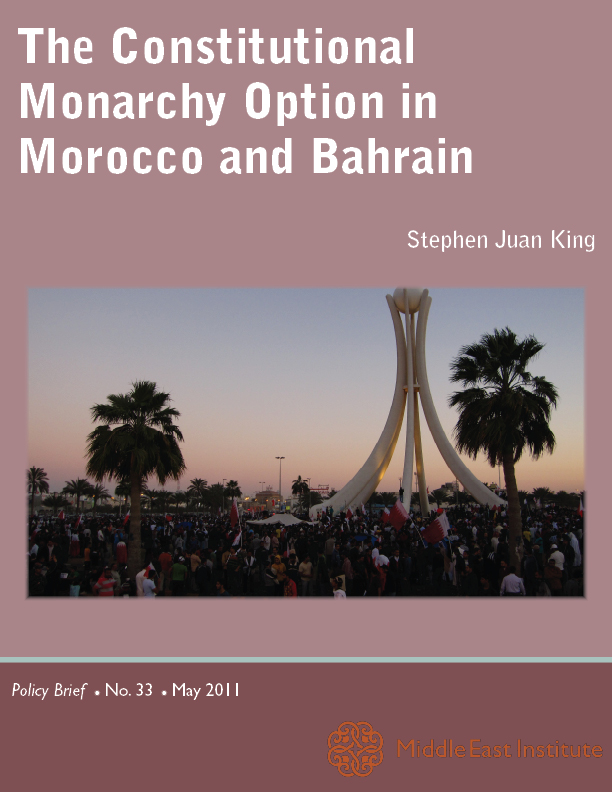
The Constitutional Monarchy Option in Morocco and Bahrain
Originally posted May 2011

Syria: Working from an Old Play Book?
Developments in Syria have been growing more disturbing. The Assad regime seems to be reacting to the unrest as if it believes it can contain it with much the same approach used against the Syrian Muslim Brotherhood roughly 30 years ago, particularly during 1980-1982. Some have credited Tehran with coaching Damascus on how to contain its current popular challenge.
The Libyan Quagmire
American policy toward conflict in Libya is bearing disappointing fruit. The conflict there seems to be settling in to a stalemate with the likely prospect of becoming an extended civil war. In the face of this prospect, John McCain and other Senators are calling for greater US involvement. That goes against the grain of American public opinion. It raises in sharp relief the question: Will our current limited engagement policy work? And if so, when?
A Rift in Time: Travels with my Ottoman Uncle
Raja Shehadeh is a Palestinian lawyer, author and founder of the pioneering, nonpartisan human rights organization Al-Haq. He has authored several books about international law, human rights, and the Middle East including Palestinian Walks: Forays into a Vanishing Landscape, for which he won the UK Orwell Prize.
Joining the Global Oil Sector: Challenges and Opportunities for Iraq
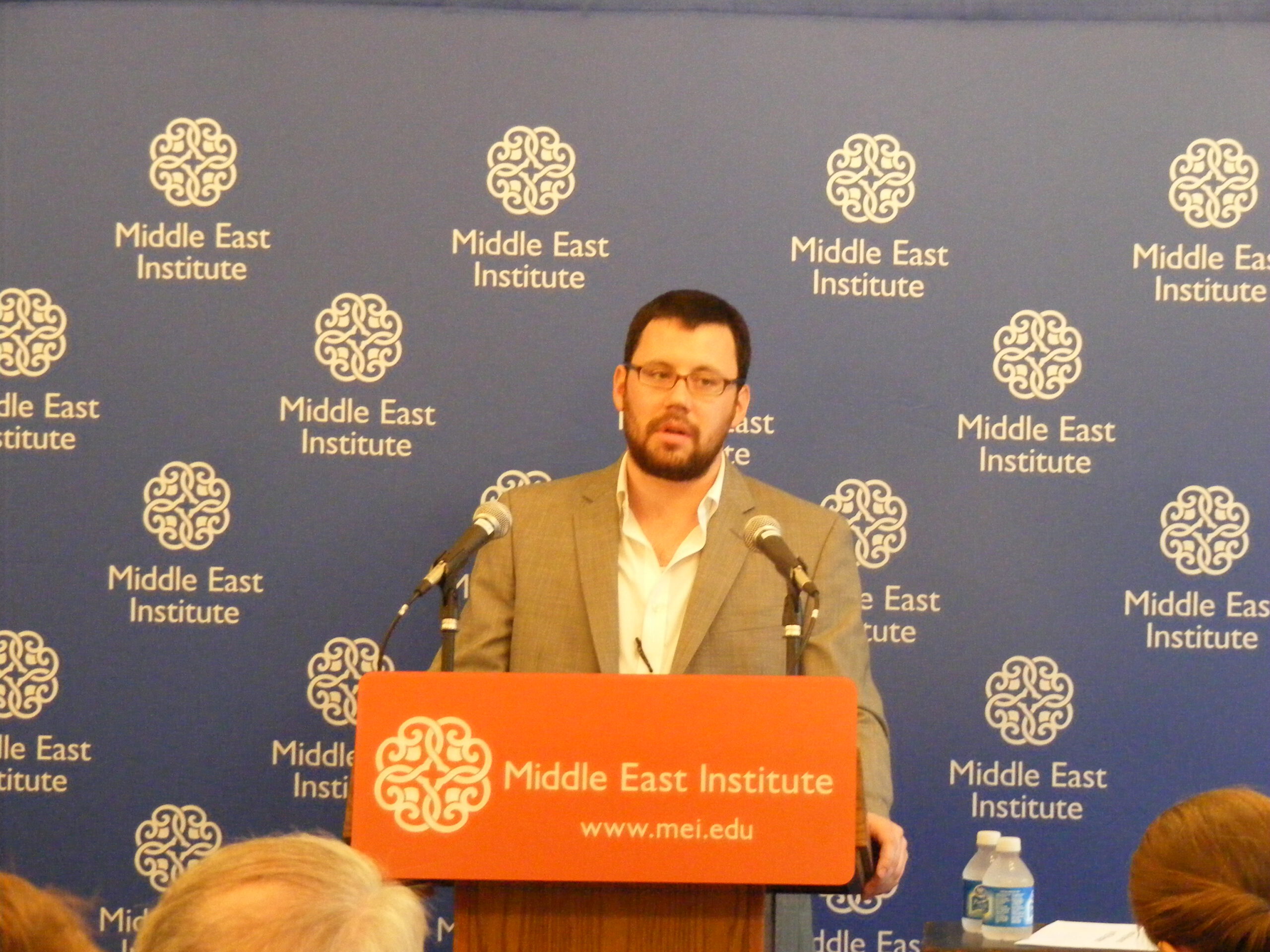
The Middle East Institute is proud to host Ben Lando, Iraq Bureau Chief of the Iraq Oil Report, which provides business, political and security analysis on Iraq. Lando will discuss Iraq's potential within the global oil sector, as well as the political and security concerns that could affect oil supply, growth, security and policy in Iraq now and in the future. Lando will also touch upon relations between Iraq and its neighbors, as well key domestic issues such as the Arab-Kurdish conflict.
Speaker: Ben Lando
Joining the Global Oil Sector: Challenges and Opportunities for Iraq
The Middle East Institute is proud to host Ben Lando, Iraq Bureau Chief of the Iraq Oil Report, which provides business, political and security analysis on Iraq. Lando will discuss Iraq's potential within the global oil sector, as well as the political and security concerns that could affect oil supply, growth, security and policy in Iraq now and in the future. Lando will also touch upon relations between Iraq and its neighbours, as well as key domestic issues such as the Arab-Kurdish conflict.
Joining the Global Oil Sector: Challenges and Opportunities for Iraq
Joining the Global Oil Sector: Challenges and Opportunities for Iraq
The Middle East Institute is proud to host Ben Lando, Iraq Bureau Chief of the Iraq Oil Report, which provides business, political and security analysis on Iraq. Lando will discuss Iraq's potential within the global oil sector, as well as the political and security concerns that could affect oil supply, growth, security and policy in Iraq now and in the future. Lando will also touch upon relations between Iraq and its neighbors, as well key domestic issues such as the Arab-Kurdish conflict.
The Price of Failure in Afghanistan
This article originally appeared in the National Interest online under the title "Collapse Imminent in Afghanistan" on April 21, 2011
The Fight for Egypt's Soul
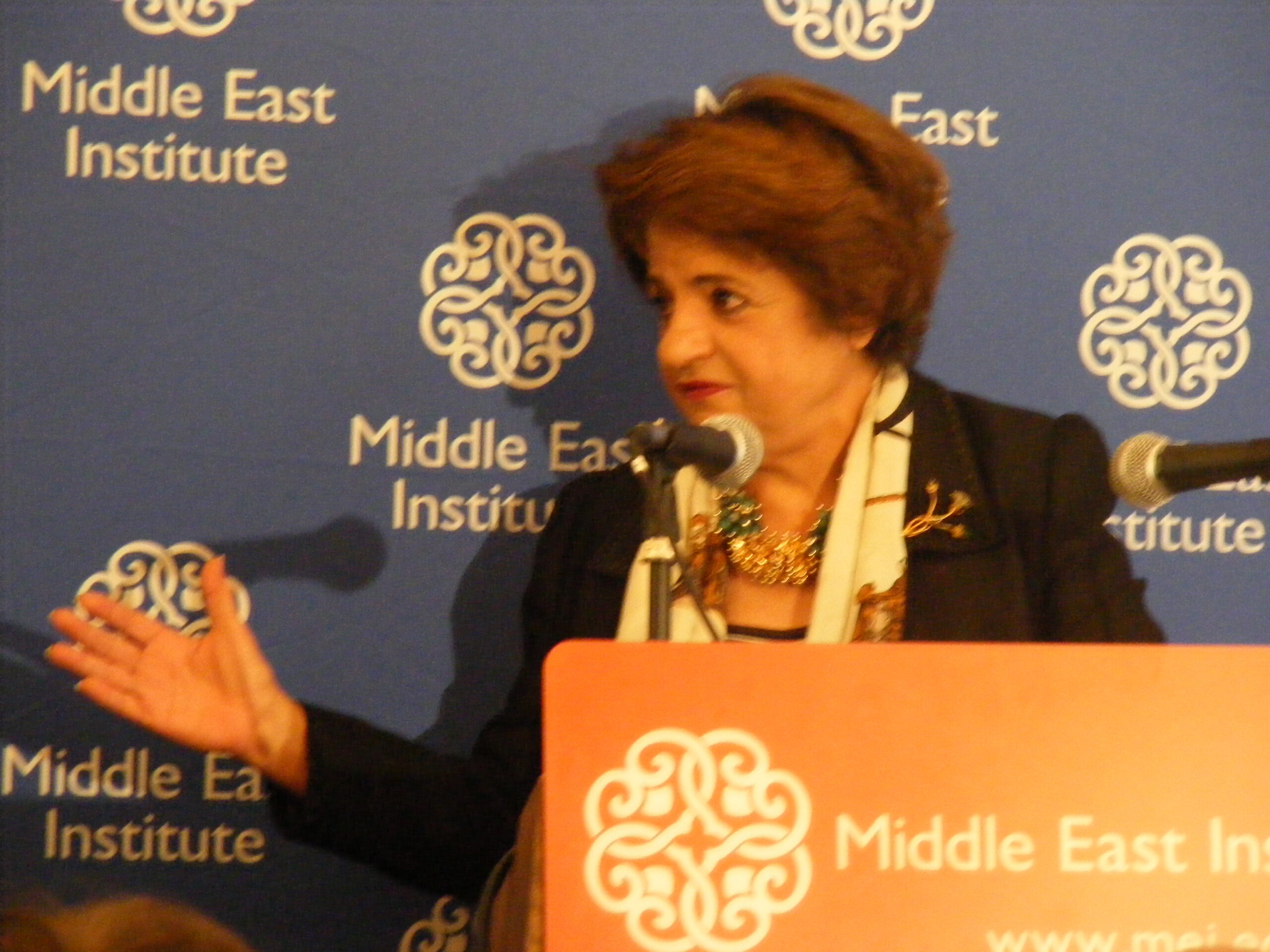
The Middle East Institute is proud to host Dr. Mona Makram-Ebeid, Professor of Political Science, American University of Cairo, and former Egyptian Parliamentarian, for an examination of the unprecedented changes that have taken place in Egypt over the last three months. Dr. Makram-Ebeid will analyze the current situation in Egypt, as well as expectations for upcoming parliamentary and presidential elections.
The Fight for Egypt's Soul
The Middle East Institute is proud to host Dr. Mona Makram-Ebeid, Professor of Political Science, American University of Cairo, and former Egyptian Parliamentarian, for an examination of the unprecedented changes that have taken place in Egypt over the last three months. Dr. Makram-Ebeid will analyze the current situation in Egypt, as well as expectations for upcoming parliamentary and presidential elections.
Speaker: Mona Makram-Ebeid
Iran's Pan-Islamic Vision
*A longer version of this article was first published in Volume 11 of Current Trends in Islamist Ideology.
Reform and Development in Egypt: U.S. Goals and Priorities
The Middle East Institute is proud to host Hady Amr of USAID and Thomas Garrett of IRI for a discussion about shifting U.S. funding goals and priorities in Egypt in the wake of the January 25 revolution. Egyptian NGOs and nascent political parties face multiple challenges as Egypt transitions toward democracy, including a lack of resources and a democratic system. Egypt is also facing new economic challenges and calls from some quarters for a Western-backed Marshall Plan. Amr and Campbell will explore the role the U.S.



