This individual is a guest contributor. MEI is not able to assist with contact requests.
Sara Sadek is an affiliated researcher and coordinator at the Center for Migration and Refugee Studies (CMRS) at the American University in Cairo. She obtained an MA in Refugee Studies from the University of East London. Since 2005, she has worked on various research projects on Iraqi and Sudanese communities in Egypt, contributing to a report on Iraqis in Egypt and recently producing a paper on challenges of integration for Iraqis in Arab states for the Henry L. Stimson Center’s forthcoming volume Transnational Challenges.
Karen Young, director of MEI’s Program on Economics and Energy, is joined by Emily Stromquist and Colby Connelly for a discussion on gas and energy developments in the Eastern Mediterranean.
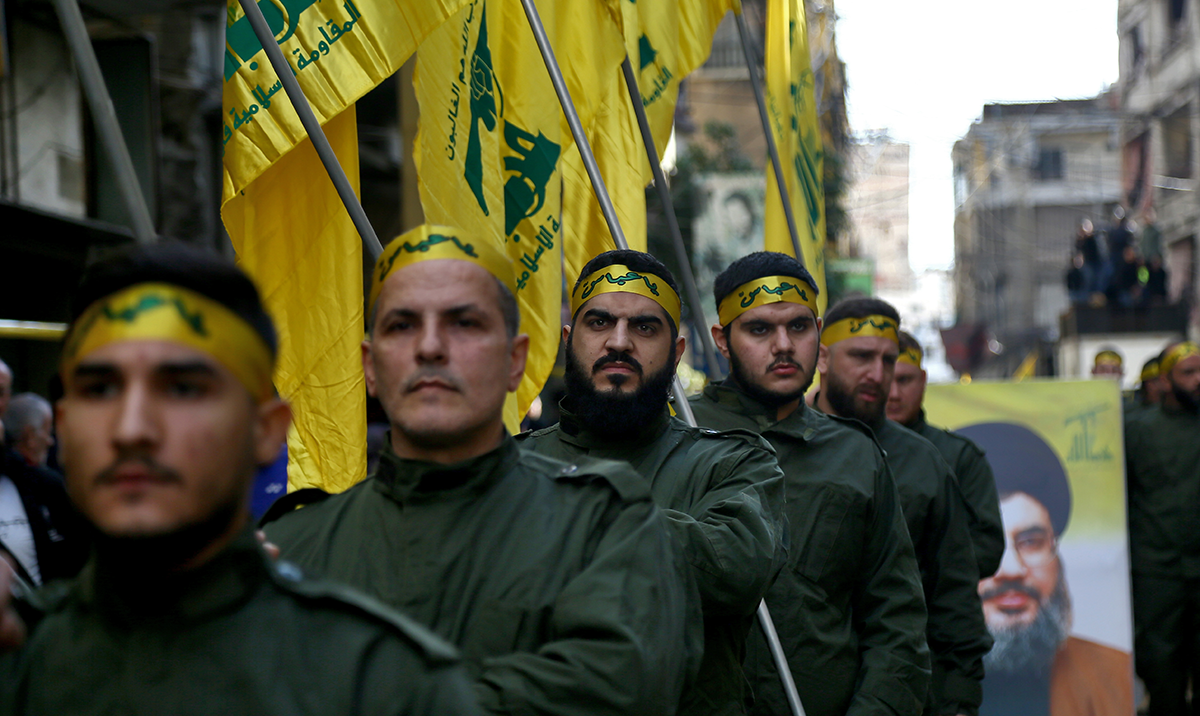
هزینه سنگین حمایت حزب الله برای اقتصاد و امنیت ایران
در جمهوری اسلامی ایران, این فرضیه وجود دارد که حمایت از سازمان حزب الله در لبنان, امنیت و قدرت بازدارندگی ایران را افزایش داده است. در عین حال, شواهد و قرائنی وجود دارند که نتایج انان برعکس این فرضیه را نشان می دهند.
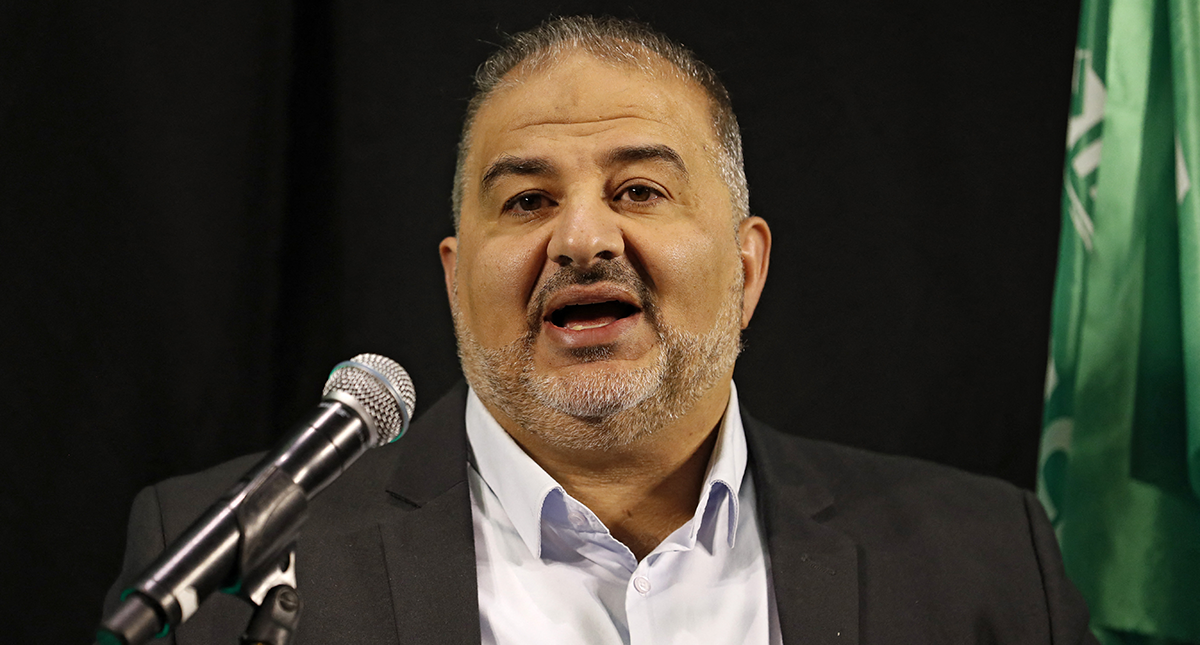
What’s driving Mansour Abbas and Ra’am’s strategy?
The United Arab List (Ra’am) political party and its chairperson, Knesset Member Mansour Abbas, have come under fire recently from Hamas Gaza head Yahya Sinwar and other Palestinian leaders for supporting Israel’s governing coalition, particularly in light of the violence at al-Aqsa Mosque over the past month. What accounts for the party’s position and what is it hoping to achieve?
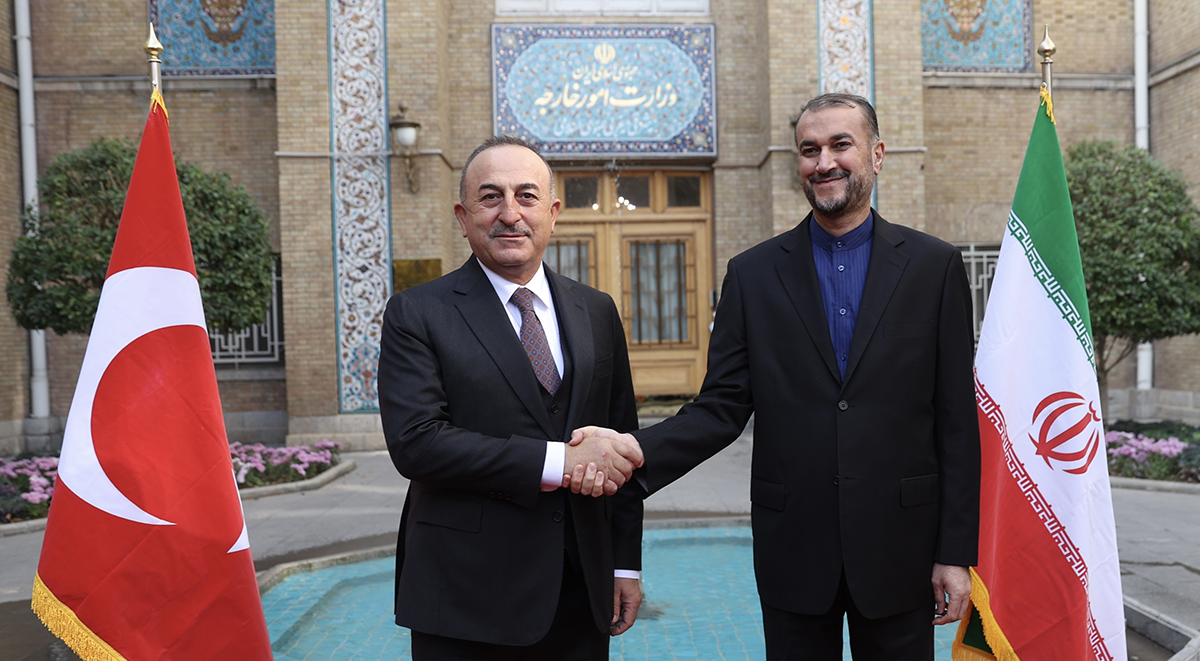
Iran, Turkey, and the future of the South Caucasus
Since late September 2021, Tehran and Baku have engaged in a process of de-escalation, largely focused on economic cooperation and regional transportation links. Such efforts should be welcomed, but underlying geopolitical tensions, especially the Iranian-Turkish competition for influence in the South Caucasus, can still derail them at any moment.
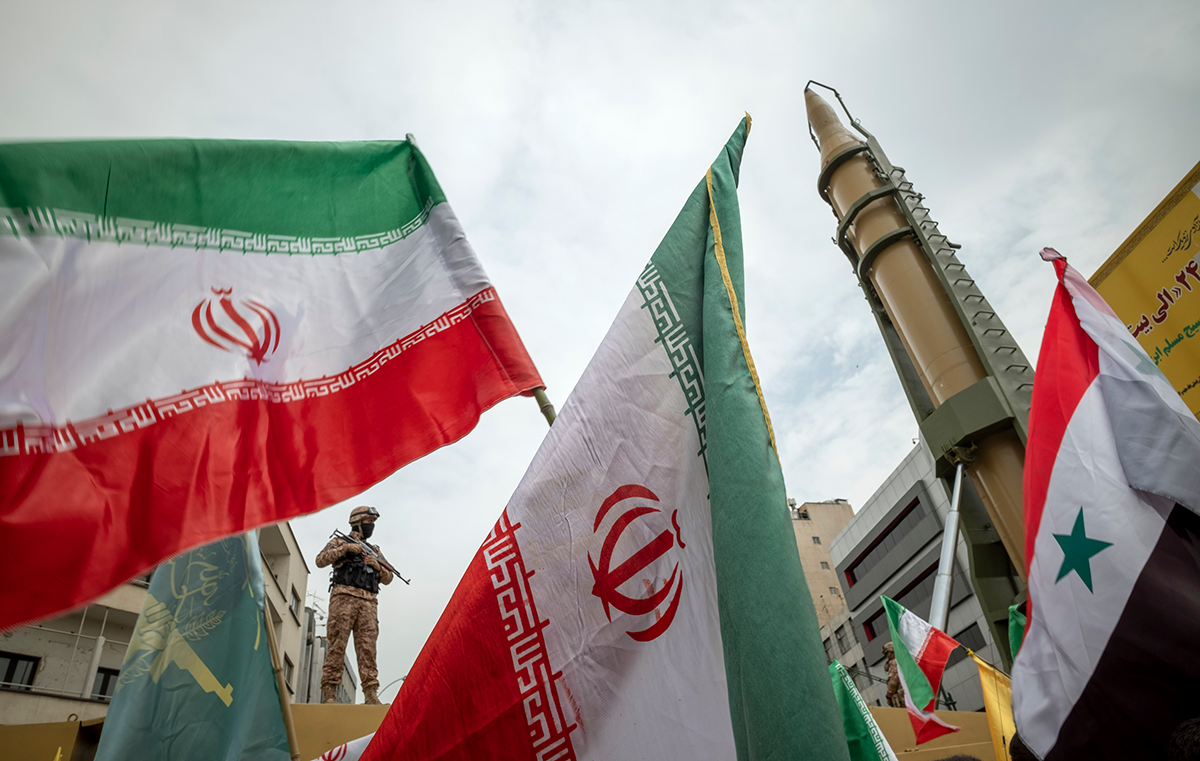
Iran’s Revolutionary Guard and the Rising Cult of Mahdism: Missiles and Militias for the Apocalypse
As the U.S. administration considers whether to remove Iran’s Islamic Revolutionary Guard Corps as a foreign terrorist organization, understanding its nature, development, and ideology is essential to making an informed decision. There is much about it that differentiates it from a conventional armed force. One fundamental aspect of its ideology that until now has been overlooked is the doctrine of Mahdism.
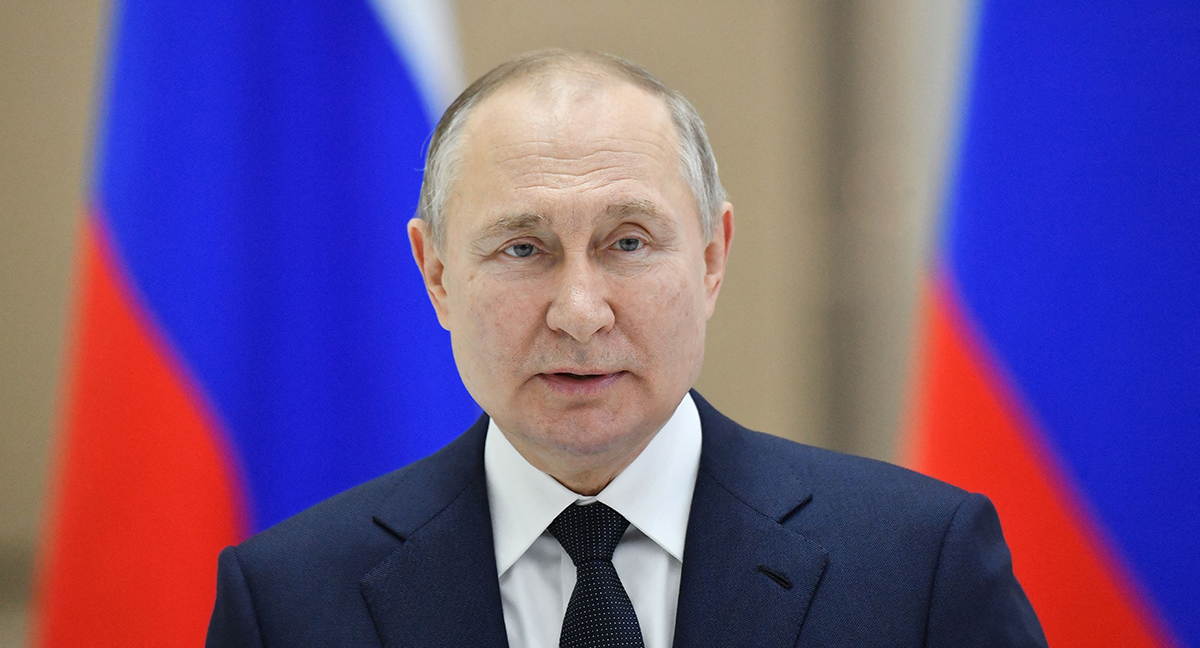
As the conventional war in Ukraine continues and military operations intensify, Russian President Vladimir Putin is wrestling with the need to maintain his fight in Ukraine while demonstrating to the Russian people that he is winning in the following three key areas: land, security, and identity.
Iran is learning from Russia’s use of missiles in Ukraine
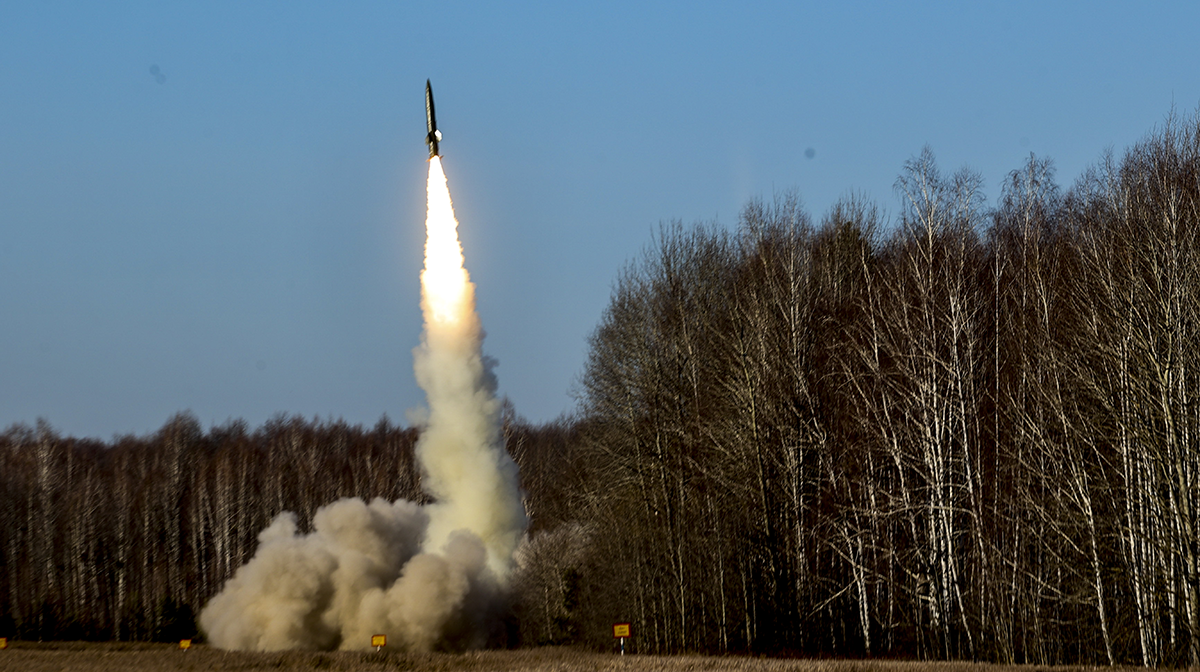
Russia’s invasion of Ukraine has turned into the largest testing ground for ballistic and cruise missiles in modern warfare. Militaries around the world are watching carefully, and Iran is certainly no exception. With its military doctrine heavily dependent on ballistic missile forces, Iran has a particular interest in the war in Ukraine and is taking notes on Russia’s use of missiles.
Former Iraqi Prime Minister Dr. Haider al-Abadi joins the program to discuss the country’s fight against ISIS, Iraqi politics and the challenges of reform. Dr. al-Abadi has a new book out, entitled “Impossible Victory: How Iraq Defeated ISIS” (Biteback Publishing, April 2022).
We cannot ignore Syria’s emergence as a narco-state
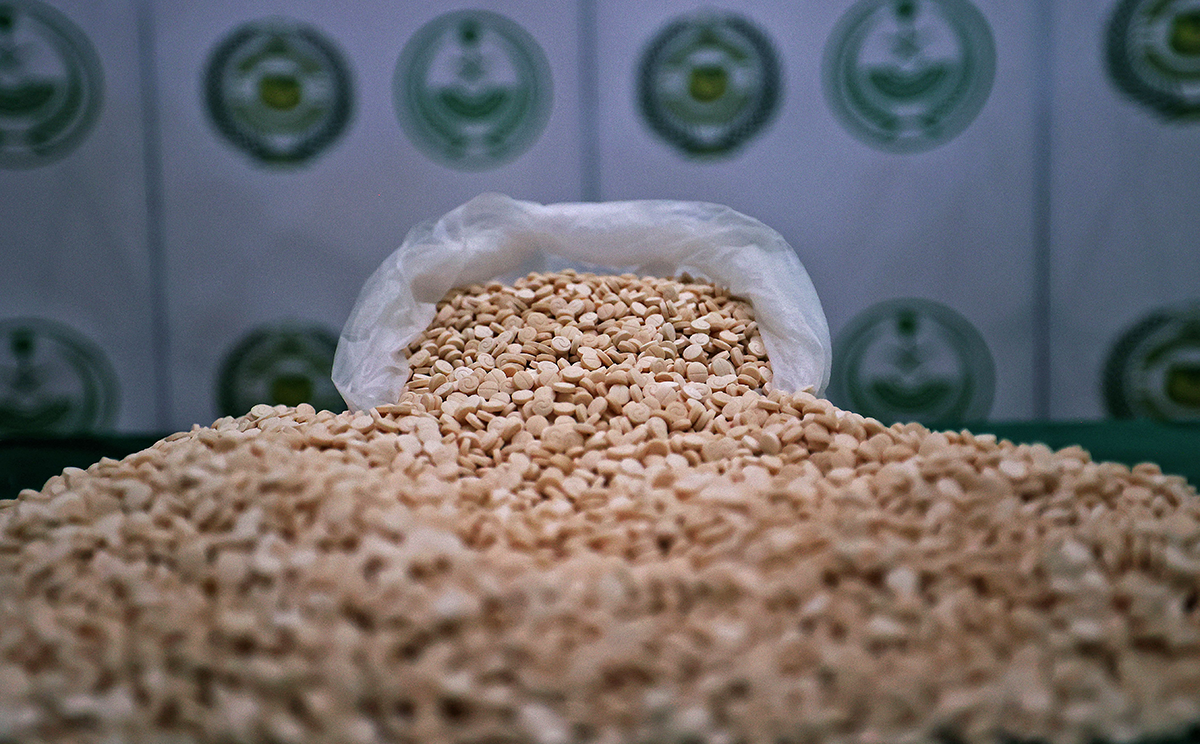
Syria has emerged in recent years as a narco-state of regional and possibly global significance. Having destroyed much of the country, crippled the national economy, and reduced itself to pariah status, Syria’s regime and core components of its security apparatus have fronted a secretive industrial complex for the manufacture of a popular amphetamine known as Captagon.
Tunisia’s food shortages shine a spotlight on its core economic failings
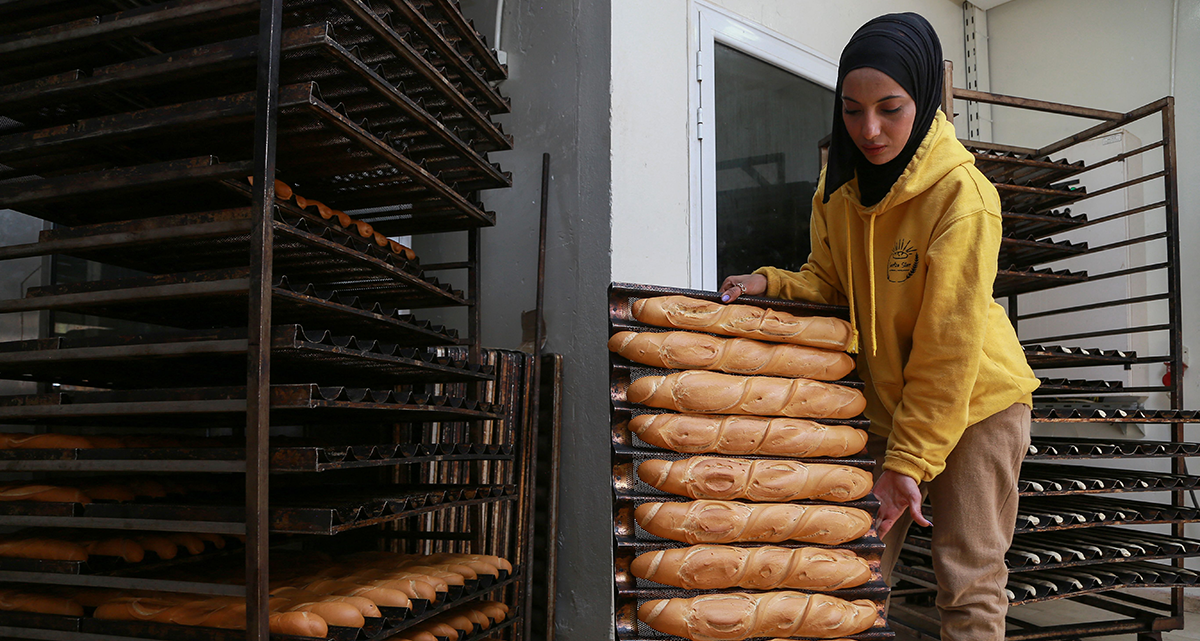
President Kais Saied’s war on speculation is attempting to direct the focus of people’s anger about food shortages onto speculators. A recent emergency importation of grain has stayed off the emptying of shelves, but as the country’s treasury empties and eventually products begin to disappear from stores again, the people’s patience and faith in his new political project will wear very thin. For now, he is profiting from national exhaustion, but how long till hunger becomes anger and anger becomes a movement?
Bringing loyalist and opposition factions together: The prospects for reconciliation in new Syria
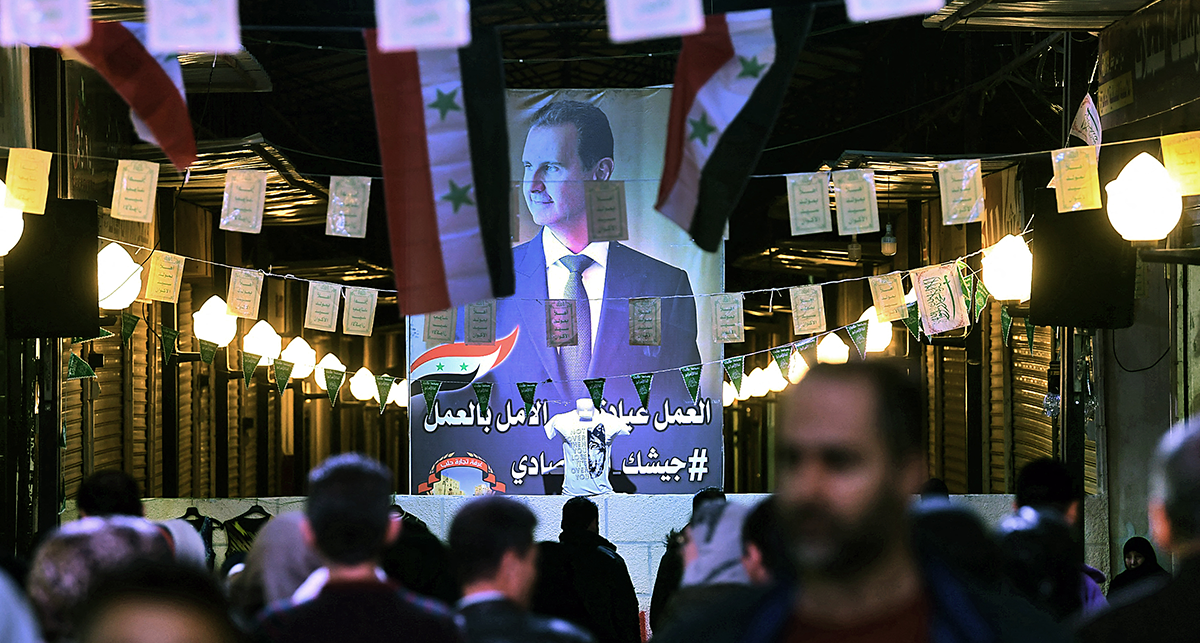
Western visions for a post-war Syria often entail the creation of disarmament and reintegration programs oriented toward members of Islamist groups and militias. However, there is less discussion about how the legacies of state authoritarianism in regime-controlled or otherwise loyalist areas will likely hinder any type of post-war reconciliation.
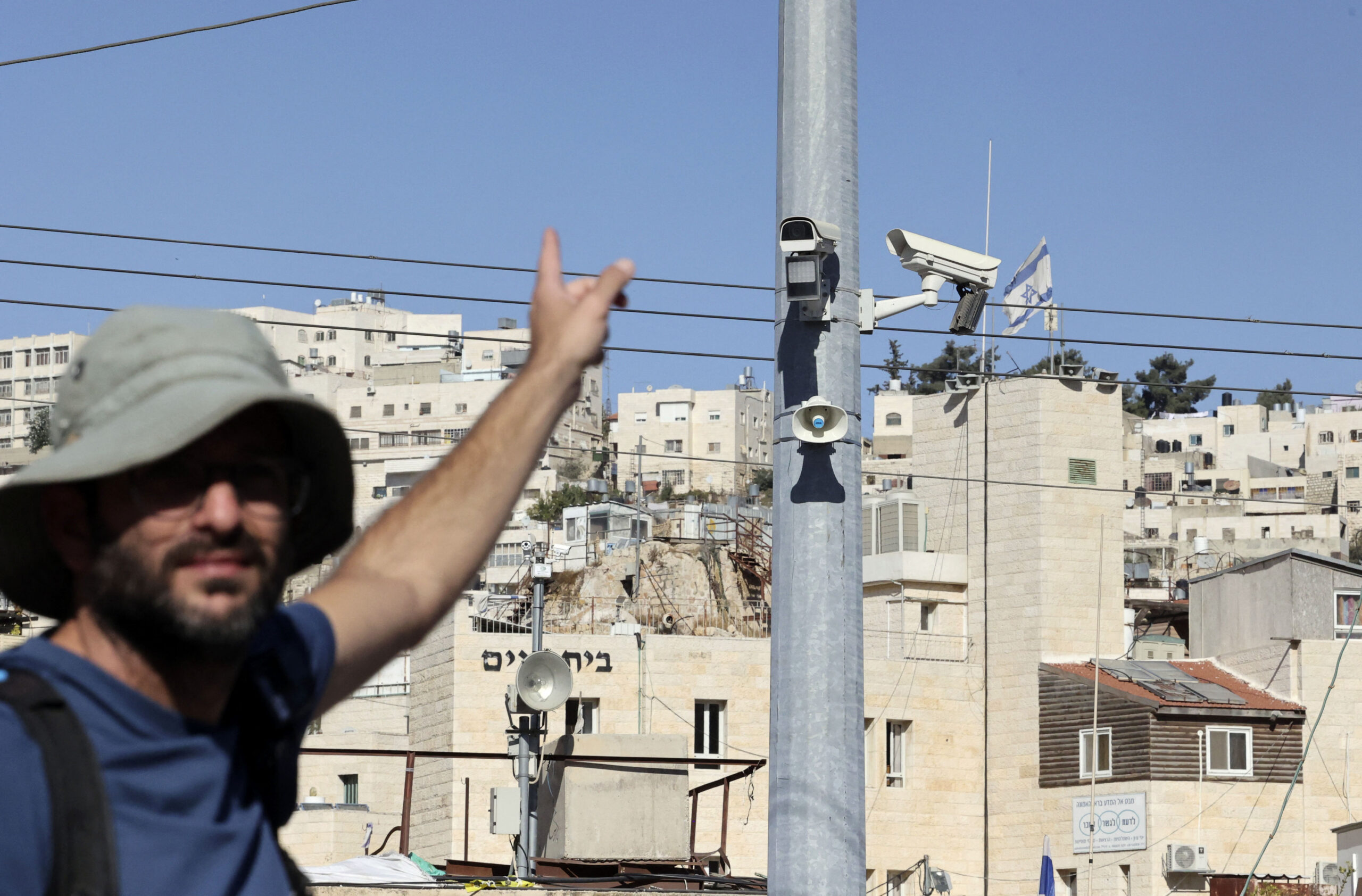
Nowhere to hide: The impact of Israel's digital surveillance regime on the Palestinians
Over the course of 2020 and 2021, groundbreaking investigations revealed in stark detail Israeli authorities’ intensifying use of surveillance and predictive technologies to police and control Palestinians. Subjecting Palestinians to such scrutiny from security and military apparatuses narrows their expressive spaces and plunges them into a state of constant anxiety. This practice also carries out a commercial purpose: Occupied Palestine effectively functions as an open-air laboratory for Israel to test techniques of espionage and surveillance before selling them to repressive regimes around the world.
Intissar Fakir, Cinzia Bianco, and Perla Srour-Gandon discuss the results of the recent French presidential election and what they mean for France’s foreign policy and the Middle East.