Skip to Content

Sara Sadek

Affiliated Researcher and Coordinator

Expertise

Egypt, Iraq, Sudan

This individual is a guest contributor. MEI is not able to assist with contact requests.

Sara Sadek is an affiliated researcher and coordinator at the Center for Migration and Refugee Studies (CMRS) at the American University in Cairo. She obtained an MA in Refugee Studies from the University of East London. Since 2005, she has worked on  various research projects on Iraqi and Sudanese communities in Egypt, contributing to a report on Iraqis in Egypt and recently producing a paper on challenges of  integration for Iraqis in Arab states for the Henry L. Stimson Center’s forthcoming volume Transnational Challenges.

The Latest from Sara Sadek

Filter by
9991 Results
الأسد لن يتزحزح وإليكم السبب
  • Commentary
  • الأسد لن يتزحزح وإليكم السبب

    تضغط الدول الغربية وبعض دول الخليج وتركيا وبدرجة أقل حتى واحدة من مؤيديه الرئيسيين، روسيا، على رئيس الدولة السوري بشار الأسد ليكون أكثر مرونة بشأن قبول تسوية سياسية للصراع السوري. لكن الأسد رفض التزحزح شبرًا واحدًا.

    في الوقت الحالي، تريد معظم الدول المعارضة للنظام السوري من الأسد قبول قرار الأمم المتحدة رقم 2254، الصادر في عام 2015، والذي يدعو، من بين أمور أخرى، إلى انتخابات نزيهة ودستور وحكم ذي مصداقية يتسم بالشمول واللاطائفية.

    لفهم سبب عدم تراجع الأسد، عليك أن تفكر في الخيارات التي يواجهها.

    June 14, 2021

    حلقة 33: آراء (14) محادثات سعودية-إيرانية في العراق
  • Podcast
  • حلقة 33: آراء (14) محادثات سعودية-إيرانية في العراق

    في هذه الحلقة من ‘آراء من واشنطن’، يستعرض إبراهيم الأصيل رأي لأليكس فاتانكا حول المحادثات السعودية-الإيرانية في العراق واحتمال تحسّن العلاقات بين البلدين، وكيف تنظر كل من الدولتين للصراع في اليمن.

    June 11, 2021

    حلقة 34: آراء (15) محادثات بين أنقرة والقاهرة
  • Podcast
  • حلقة 34: آراء (15) محادثات بين أنقرة والقاهرة

    في هذه الحلقة من ‘آراء من واشنطن’، يستعرض إبراهيم الأصيل رأي لميريت مبروك حول المحادثات التركية-المصرية وأولويات كل من البلدين.

    June 11, 2021

    حلقة 35: تاريخ وواقع مراكز الأبحاث — مع بول سالم
  • Podcast
  • حلقة 35: تاريخ وواقع مراكز الأبحاث — مع بول سالم

    يحتفل معهد الشرق الأوسط بذكرى تأسيسه الـ 75 هذا العام، ويناقش إبراهيم الأصيل مع رئيس المعهد د. بول سالم تاريخ المعهد وبرامجه بالإضافة إلى نظرة عامة على تاريخ مراكز الأبحاث في الولايات المتحدة وواقعها في واشنطن وفي الشرق الأوسط. — Ibrahim Al-Assil Paul Salem

    June 11, 2021

    حلقة 36: آراء (16) – أسباب تجدّد المواجهات في القدس وغزة
  • Podcast
  • حلقة 36: آراء (16) – أسباب تجدّد المواجهات في القدس وغزة

    واقع الفلسطينيين في القدس الشرقية وغزة وأسباب تجدّد المواجهات بشكل دوري مع إسرائيل هو موضوع هذه الحلقة من ‘آراء من واشنطن’، ويستعرض فيها إبراهيم الأصيل رأياً لخالد الجندي. هل تتفقوا مع خالد؟ — Ibrahim Al-Assil Khaled Elgindy

    June 11, 2021

    حلقة 37: آراء (17) – انتخابات الرئاسة وسيطرة المتشدّدين في إيران
  • Podcast
  • حلقة 37: آراء (17) – انتخابات الرئاسة وسيطرة المتشدّدين في إيران

    انتخابات الرئاسة في إيران وازداد نفوذ المتشدّين هو موضوع هذه الحلقة من ‘آراء من واشنطن’، ويستعرض فيها إبراهيم الأصيل رأياً لنازيلا فتحي. هل تتفقوا مع نازيلا في طرحها؟ – Ibrahim Al-Assil Nazila Fathi

    June 11, 2021

    Iran's upcoming elections
    Middle East Institute
  • Podcast
  • Iran's upcoming elections

    Alex Vatanka joins host Alistair Taylor to discuss Iran’s upcoming presidential election on June 18. The election comes at a pivotal time for the country, as it faces a serious economic crisis and growing popular dissatisfaction at home, as well as a changing regional environment and ongoing talks over the revival of the 2015 nuclear deal.

    June 11, 2021

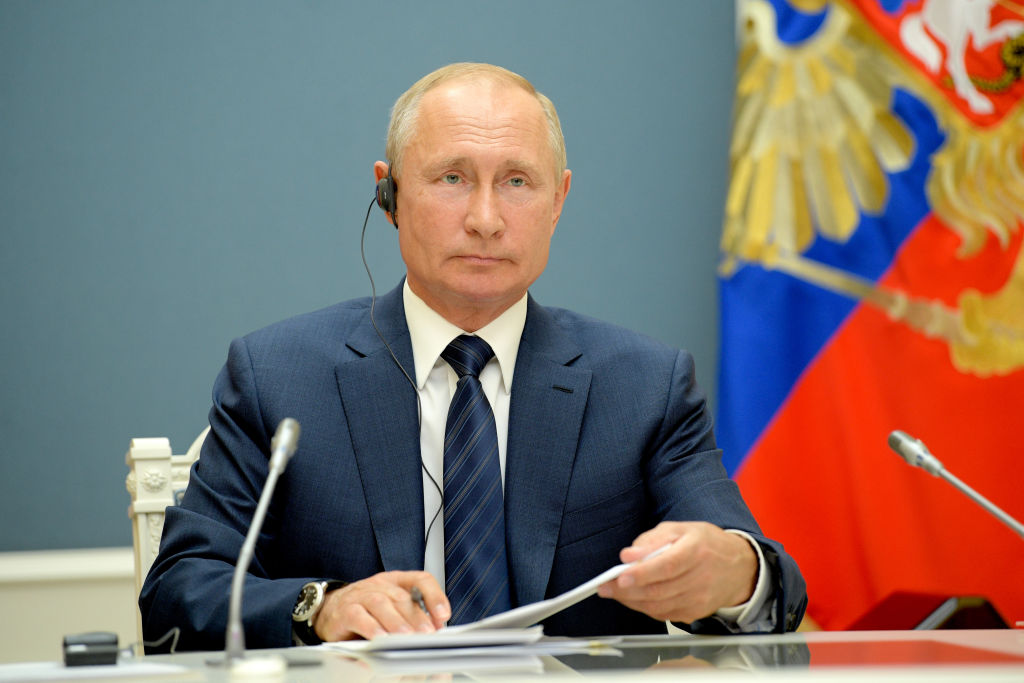
    Assad won’t budge and here’s why
    Photo by ALEXEY NIKOLSKY/SPUTNIK/AFP via Getty Images
  • Commentary
  • Assad won’t budge and here’s why

    Western countries, some Gulf states, Turkey, and to a far lesser extent even one of his own key backers, Russia, have been pressuring Syrian head of state Bashar al-Assad to be more flexible about accepting a political settlement to the Syrian conflict. But Assad has refused to budge an inch.

    June 10, 2021

    After eight years as Iran’s president, what is Rouhani’s record on women’s rights?
    ATTA KENARE/AFP via Getty Images
  • Analysis
  • After eight years as Iran’s president, what is Rouhani’s record on women’s rights?

    Today, as we approach the end of Rouhani’s government, how should historians and scholars evaluate the economic, political, and social situation over the last eight years? The issues of women’s political participation and social freedom, which were promised by Rouhani, especially during his first campaign, are of particular importance in this regard.

    June 10, 2021

    Defense Rapid Reaction: The threat of armed drones
    Photo by ARIS MESSINIS/AFP via Getty Images
  • Analysis
  • Defense Rapid Reaction: The threat of armed drones

    As unmanned aerial vehicle (UAV) technology becomes ever cheaper and more accessible, the threat of armed and GPS-guided drones is becoming a serious problem for U.S. forces in theater. In the past few months, Iranian-backed Iraqi militias have used small drones armed with explosives to attack Iraqi military bases housing U.S. forces several times, and the threat posed by such UAVs is only likely to grow in the months and years to come. Experts from MEI’s Defense & Security Program weigh in with their thoughts on how the U.S. should respond to this emerging threat, as part of the new Defense Rapid Reaction series.

    The EU in the Black Sea is absent, but highly desired
  • Analysis
  • The EU in the Black Sea is absent, but highly desired

    The Memorandum of Understanding signed recently by Georgia, Moldova, and Ukraine on enhanced cooperation toward European Union (EU) membership highlights both progress and overall shortcomings of the EU’s Eastern policy. Despite the Union enlarging to the East in 2004 and 2007 – and the fact that Russian aggression has long been felt on EU territory – the bloc’s Eastern policy still does not reflect realities on the ground. However, the recent buildup of Russian military in Ukraine, as well as the deployment of Russian ‘peacekeepers’ in Nagorno-Karabakh, has created momentum for an urgently needed rethink of the Union’s Eastern neighborhood policy.