This individual is a guest contributor. MEI is not able to assist with contact requests.
Sara Sadek is an affiliated researcher and coordinator at the Center for Migration and Refugee Studies (CMRS) at the American University in Cairo. She obtained an MA in Refugee Studies from the University of East London. Since 2005, she has worked on various research projects on Iraqi and Sudanese communities in Egypt, contributing to a report on Iraqis in Egypt and recently producing a paper on challenges of integration for Iraqis in Arab states for the Henry L. Stimson Center’s forthcoming volume Transnational Challenges.
As the Western Sahara conflict reaches its fifth decade, the territorial dispute remains unresolved and largely unknown. MEI’s Intissar Fakir unpacks the Western Sahara’s complex history and the rival claims by Morocco and the Sahrawi Arab Democratic Republic. She examines recent developments, such as President Trump’s recognition of Moroccan sovereignty over the territory and the collapse of a 30-year cease-fire, as well as the core questions that remain unanswered after half a century.
The monarchical Arab Gulf states emerged on the other side of last June’s Israeli and US attacks on Iran largely unscathed, with the important exception of a limited, retaliatory Iranian missile strike on the American airbase in Qatar. However, in a larger sense, this short war, part of the broader regional conflict that began with the Hamas attack on Israel in October 2023, reinforced the precariousness of the Gulf monarchies’ security situation.
The current Israeli-Palestinian nightmare is a result of multiple failures of leadership
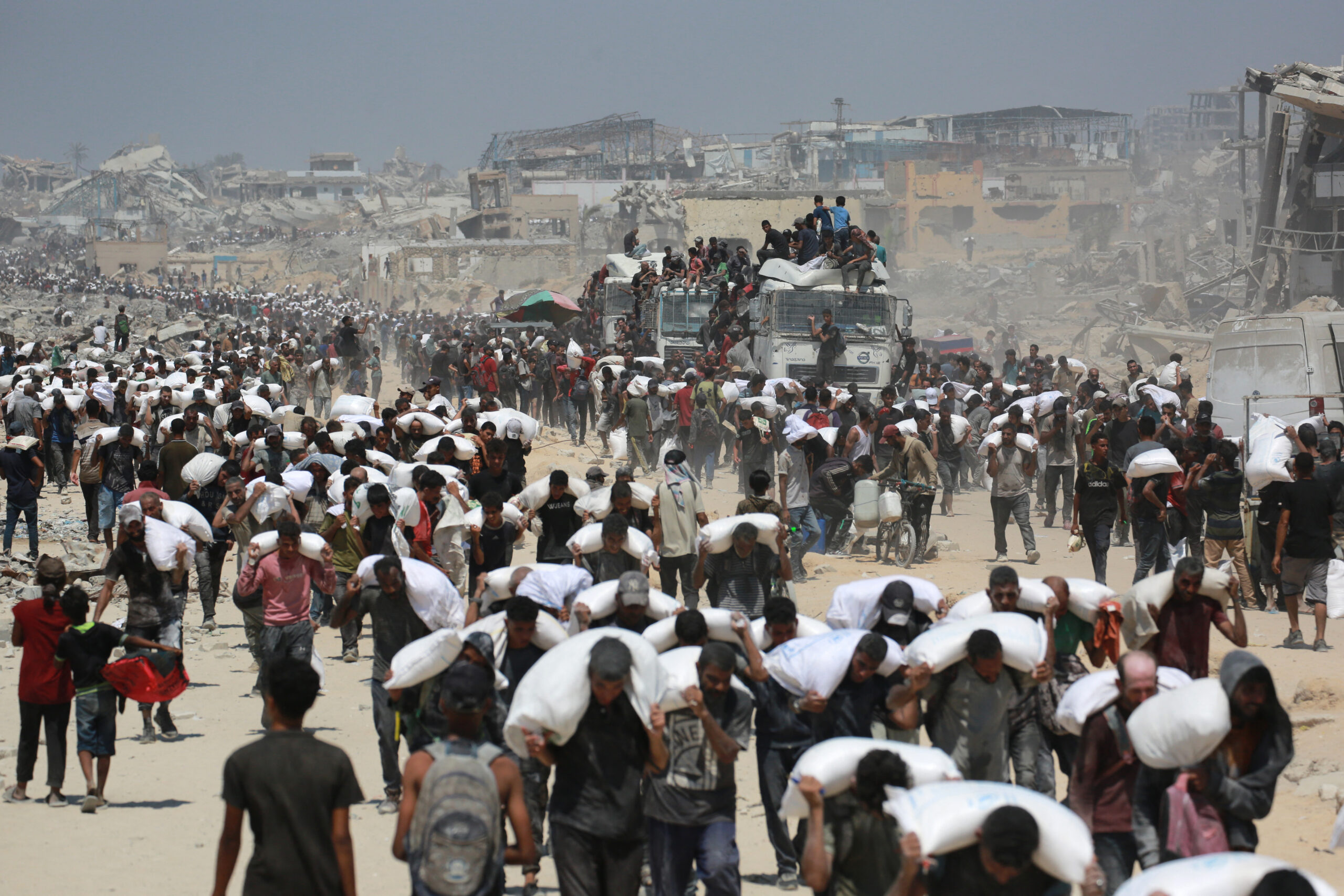
The unresolved crises unfolding on the Israeli-Palestinian front — a growing humanitarian disaster inside of Gaza, the horrific images of emaciated Israelis held hostage by terrorists in the coastal strip, and ongoing tensions in Jerusalem and the West Bank fueled by religious extremists of all stripes — represent one of the biggest strategic challenges to stability facing the Middle East. With Israel now openly contemplating a full occupation of Gaza, this set of issues serves as an obstacle to broader regional peace and normalization efforts.
Whatever you think about events since October 2023, a fundamental shift in the balance of power has occurred in the Middle East.
The dilemma for Washington and its regional partners is what to do now to bring lasting security for all those who in the past were compelled to live in the shadow of threats and violence by Iran and its Arab proxies. That next phase could be even harder.
Digital frontlines: What the 12-day war revealed about the evolution of Iran’s cyber strategy
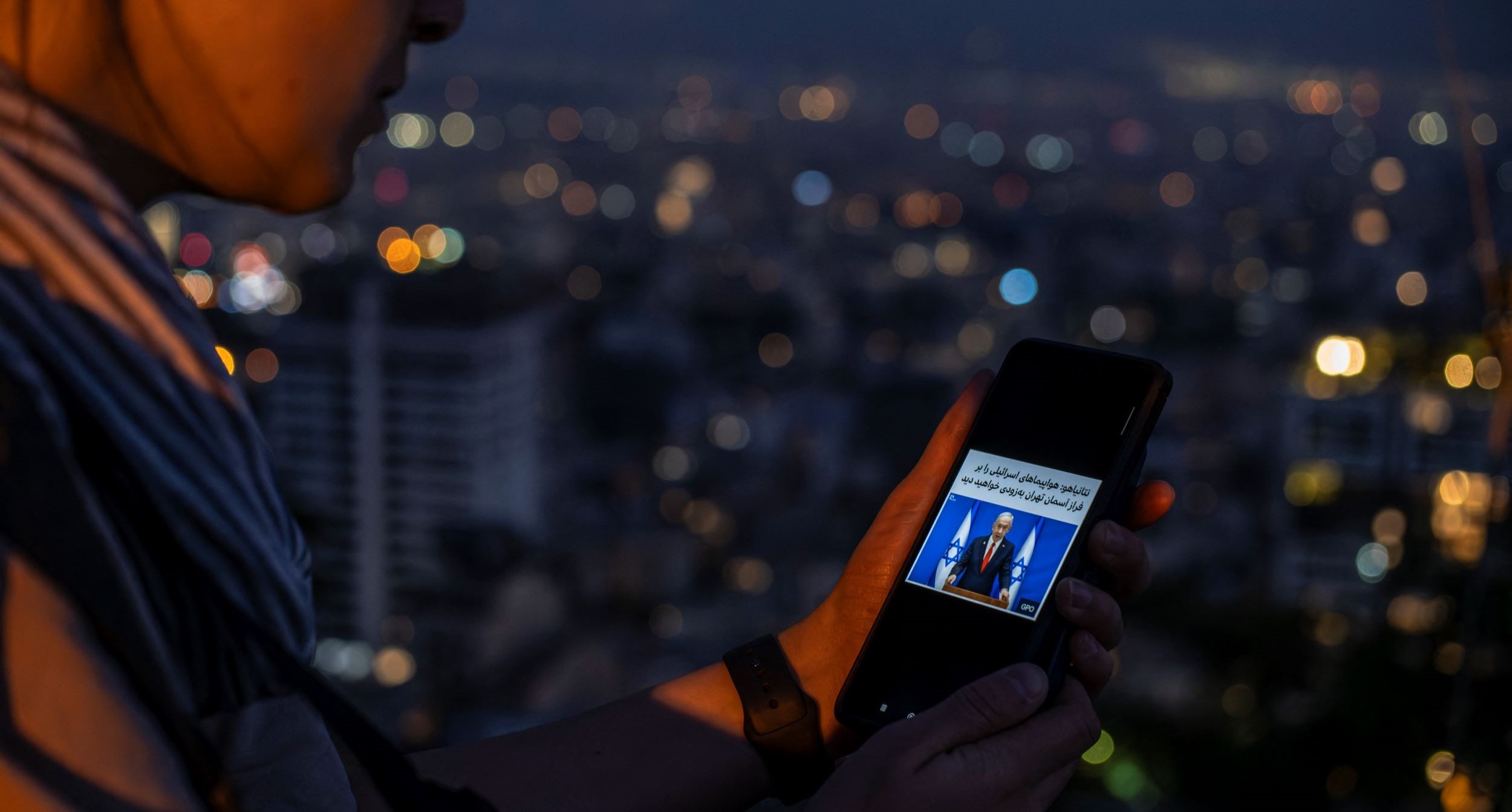
During June’s Israel-Iran war, a quieter but significant battle played out in cyberspace, highlighting how Tehran has refined its use of digital tools to shape the battlespace, control domestic narratives, and project influence abroad. While largely ineffective in operational terms, Iran’s cyber response marked a new phase in its strategic evolution.
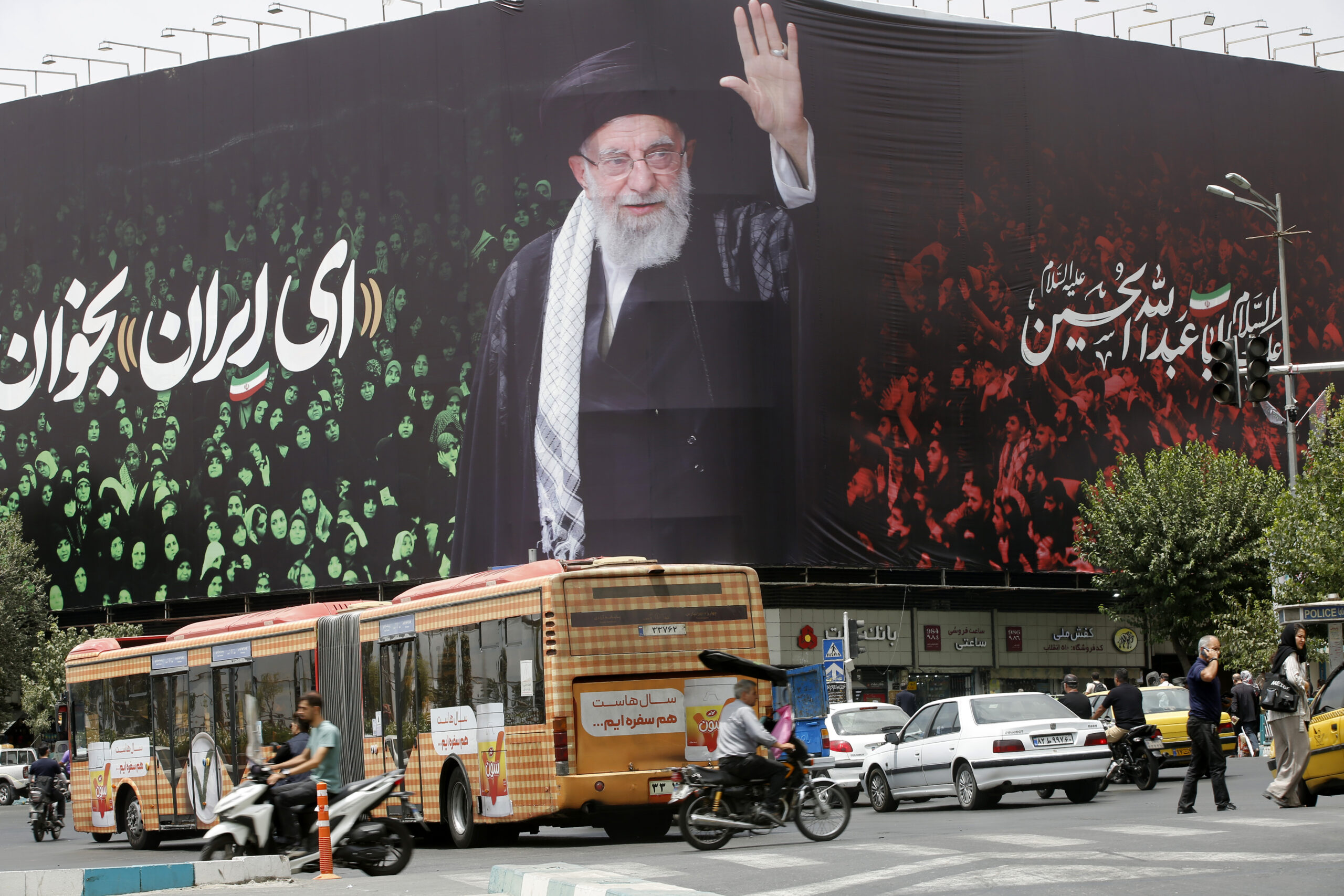
President Masoud Pezeshkian’s first year in office has been defined by Iran’s familiar political structural constraints, external crises, and a moderate-reformist base forever frustrated with his cautious pragmatism and unfulfilled promises. His July 2024 election was undeniably a setback for hardliners. Yet one year later, the assessment is sobering: While Pezeshkian has in some ways perhaps helped in slowing the hardline march, he has not made any fundamental difference in how the Islamic Republic is run. Every decision requires second-guessing Supreme Leader Ali Khamenei’s next move, and even as a president boxed in by the system with limited powers, he is constantly under the sword of Damocles.
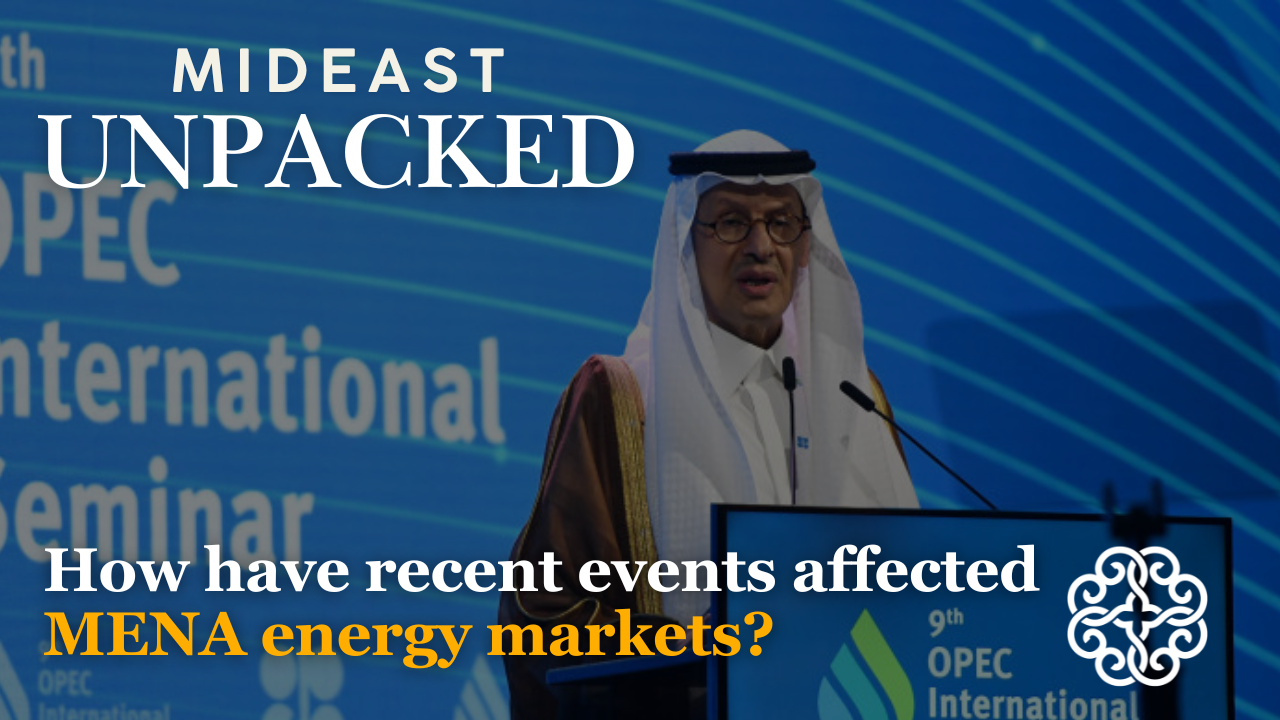
How have recent events affected MENA energy markets?
“The first half of 2025 has been a whirlwind for global energy markets,” says MEI Senior Fellow Colby Connelly. The 12-day war between Israel and Iran this past June briefly sent oil prices into the $80 per barrel range, while growing uncertainty around trade policy under President Trump has greatly complicated Middle Eastern actors’ investment decisions. Connelly breaks down these developments and outlines what to watch in the months ahead.
US Policy in the Middle East: Second Quarter 2025 Report Card
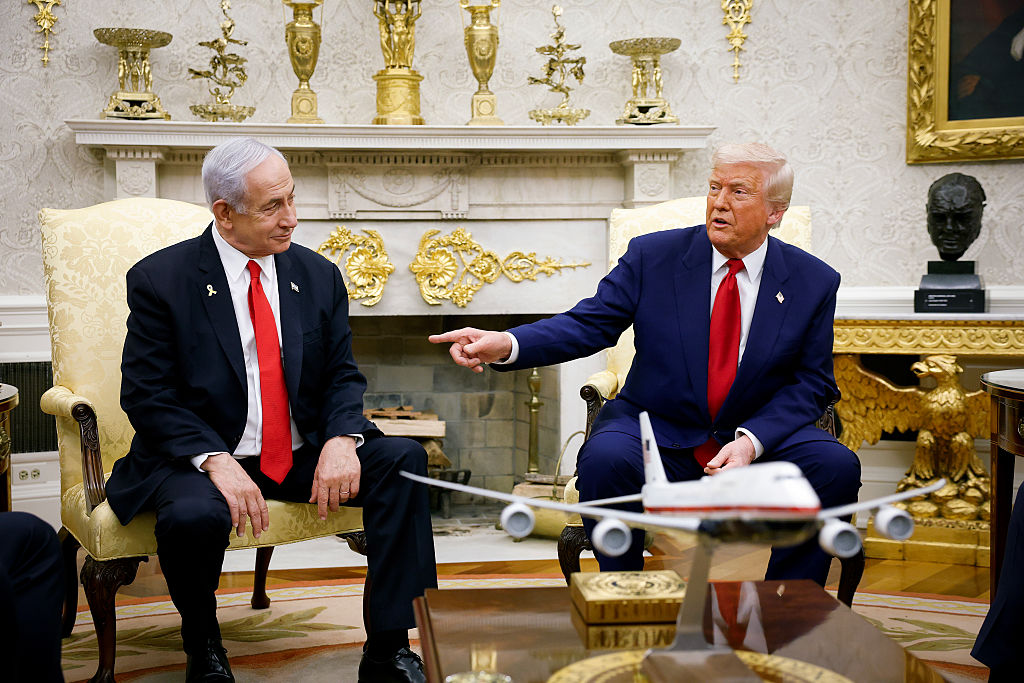
Six months into his second term, President Donald Trump remains in search of a major, concrete foreign policy win. Trump 2.0’s foreign policy is still struggling to produce a major positive outcome from its frenetic activity trying to end kinetic wars while prosecuting an unprecedented economic war with much of the rest of the world. The whirlwind of uncertainty since Trump returned to office in January has yet to improve America’s overall strategic position in the world. The following report assesses the US government’s actions over the past three months from May to mid-July 2025.
Egypt and Gaza: Conflict, Crisis, and the Path to a Ceasefire
With the dire humanitarian crisis in Gaza in the global spotlight, Egypt faces mounting pressure both at home and abroad. In this episode of Middle East Focus, hosts Alistair Taylor and Matthew Czekaj speak with MEI Senior Fellow Mirette Mabrouk about how Cairo is handling the crisis in the neighboring coastal strip. What are the Egyptian government’s main concerns as conditions there continue to deteriorate? How is Egypt responding to domestic outrage and changing international dynamics?
Daniel Silverberg and Elisa Ewers—two veterans of Capitol Hill and the executive branch—join Brian for a candid conversation about the shifting politics of US Middle East policy inside the Democratic Party. Drawing on decades of experience shaping national security strategy, they unpack why so many debates remain trapped in a post-Iraq War mindset, how October 7th transformed bipartisan dynamics, and what’s at stake when values, strategy, and political reality collide. From Iran and Gaza to the role of Arab partners and the rise of populism, the trio explores how America’s approach to the region must evolve—and how the next generation can lead that charge with clarity, humility, and purpose.
As the dog days of August approach, we are pleased to share a curated summer reading list featuring some of VP for Policy Ken Pollack’s favorite books on the region. Covering a variety of timely and engaging topics, the list offers recommendations for anyone interested in deepening their understanding of the Middle East.
Inflection point or continuing spiral in the Middle East?
After almost two years of fighting in Gaza, and after the decimation of Hizballah, the fall of Bashar al-Assad’s regime in Syria, and the 12-day Israeli-American war on Iran, the Middle East is in new strategic and political territory. Two pathways lie ahead: the first is one in which the gains and changes brought about by war are turned, through intense diplomacy and negotiation, into new international and political arrangements that bring about a period of security and stability in the region; the second is one in which that corner is not turned, and the wars in Gaza, Iran, and potentially Yemen, Syria, and Lebanon, continue indefinitely. The trajectory will depend on the choices of key actors — above all Iran, Israel, and the United States.
Former MEI Board Member John Hurley Confirmed as Treasury Under Secretary for Terrorism and Financial Intelligence
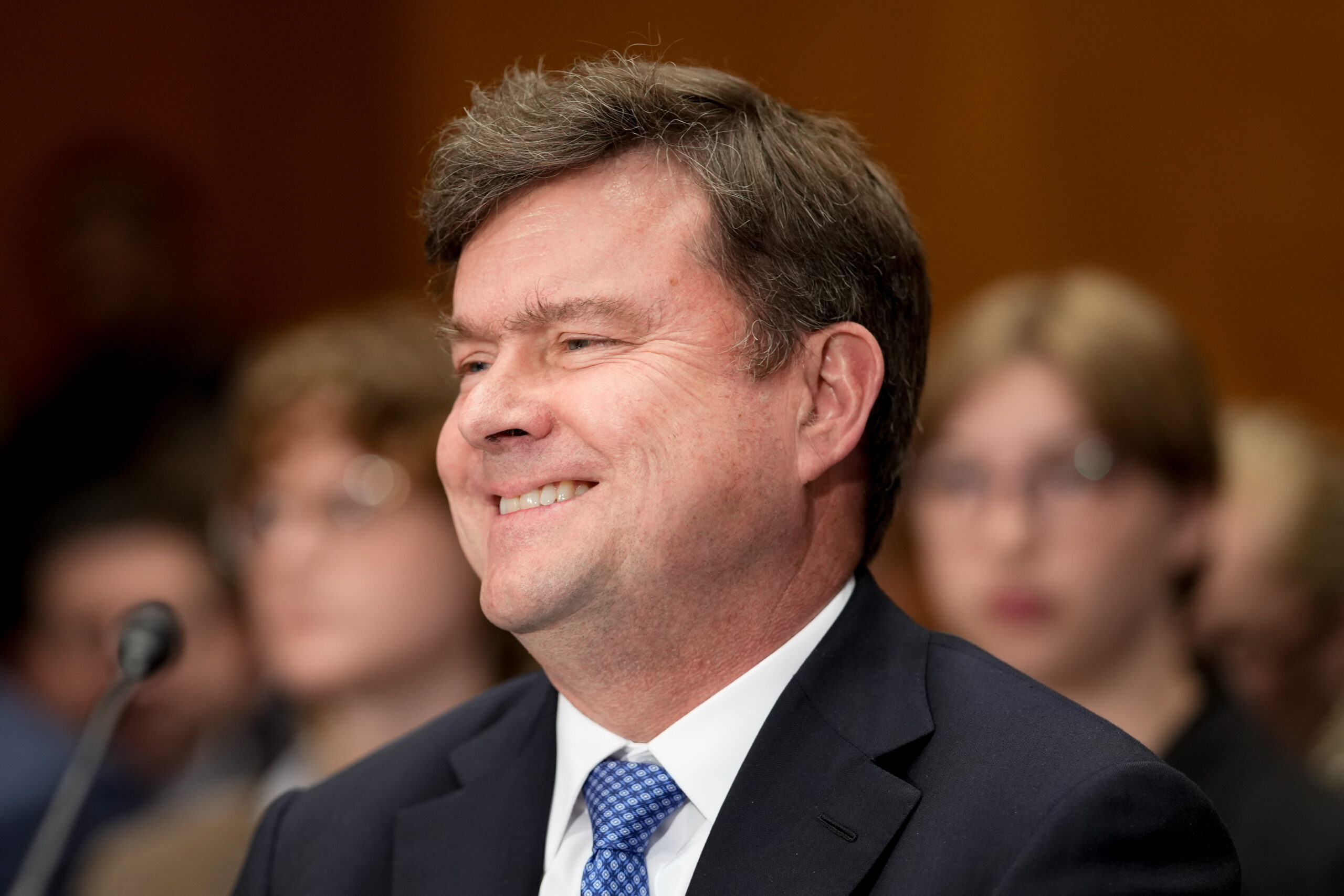
(Washington, DC, July 25, 2025) – The Middle East Institute (MEI) congratulates former Board of Governors member John K. Hurley on his confirmation by the US Senate to serve as Under Secretary for Terrorism and Financial Intelligence at the US Department of the Treasury.
The Regional and Domestic Elements of Erdoğan's Grand Strategy
In this episode of Middle East Focus, hosts Alistair Taylor and Matthew Czekaj are joined by MEI Senior Fellow Gönül Tol to discuss how shifting regional dynamics — from the Israel-Iran war to renewed violence in southern Syria — are reshaping Turkey’s foreign policy and President Recep Tayyip Erdoğan’s domestic agenda. They unpack Ankara’s ties with the US under the Trump administration, its strained relations with Israel, the implications of Turkey’s peace process with the PKK, and Erdoğan’s bid to maintain his hold on power. The conversation also explores how Turkey is positioning itself as Western engagement grows more uncertain and what this means for the future of democracy in the country.