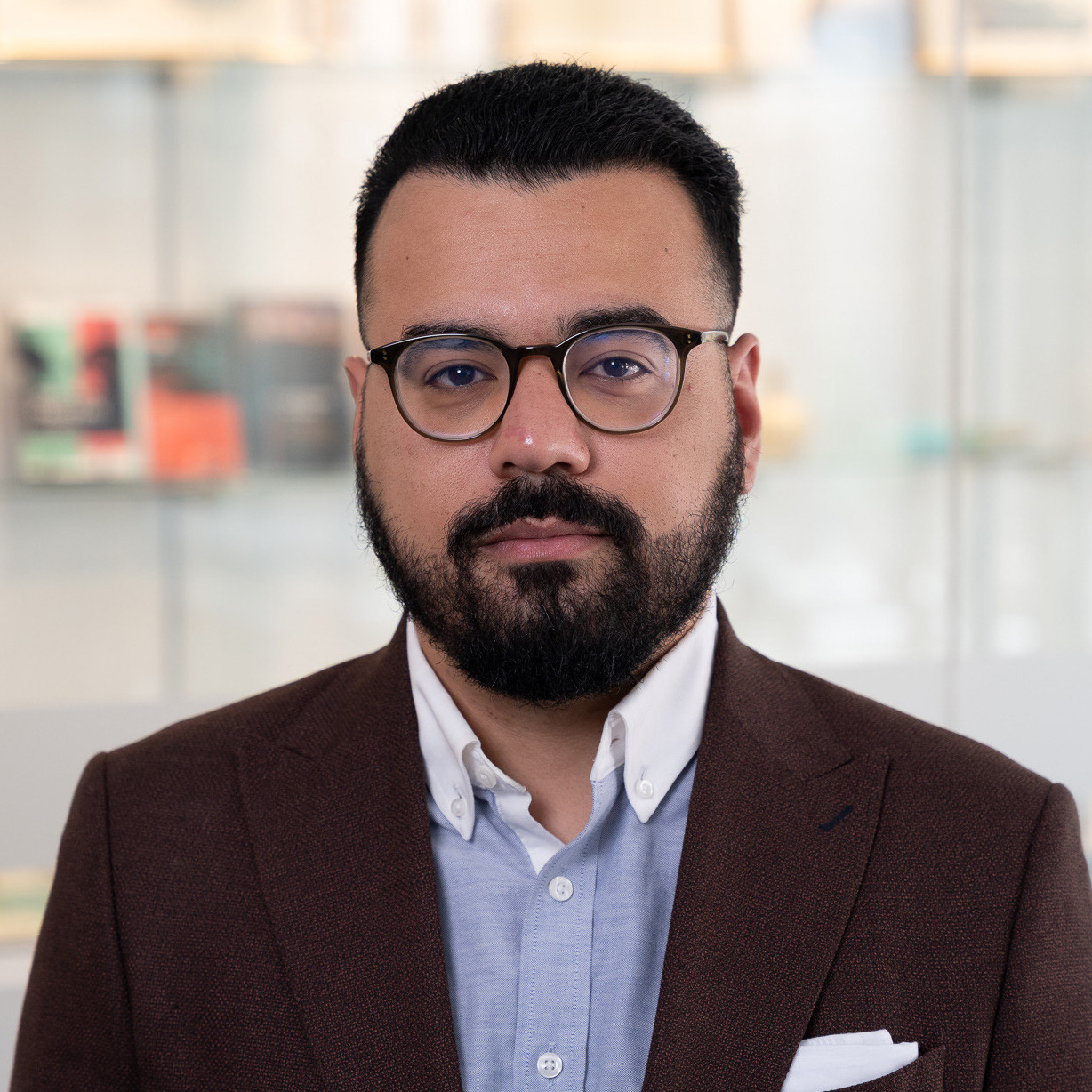
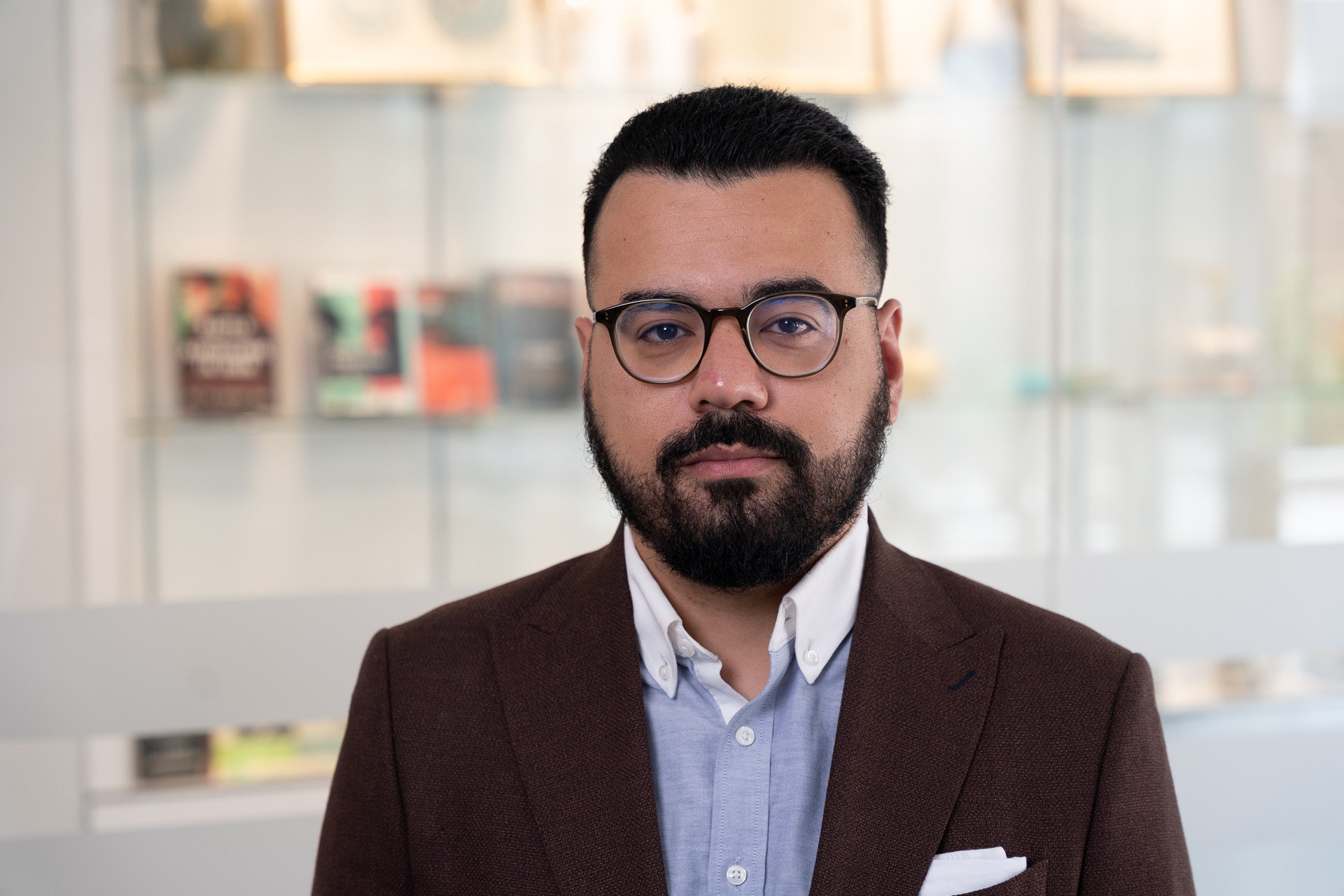
Mohammed Soliman is a senior fellow at the Middle East Institute (MEI), where he focuses on the intersection of technology, geopolitics, and business in the Middle East and other emerging markets. He is the author of the book West Asia: A New American Grand Strategy in the Middle East (Polity Press, January 2026). A trained engineer, he is a director at McLarty Associates, a global advisory firm, where he advises on strategic and policy matters at the intersection of technology, AI, finance, and energy. In addition, he is a non-resident senior fellow at the Foreign Policy Research Institute and a visiting fellow with the National Security Program at Third Way.
Prior to joining MEI, Mr. Soliman held research and policy roles at institutions including the Peace Tech Lab at the US Institute of Peace, as well as Georgetown University’s Institute for the Study of Diplomacy and School of Foreign Service, where he was a Junior Centennial Fellow. He began his career in Cairo as an engineer and consultant, advising both local and international businesses on strategy and operations.
Mr. Soliman is a frequent media commentator, with his work featured in The Financial Times, The Wall Street Journal, The Economist, Foreign Policy, Foreign Affairs, Newsweek, and USA Today. He has appeared on outlets such as CNN, BBC, France 24, and Deutsche Welle and regularly speaks at international conferences. His scholarly work includes numerous journal articles and book chapters on geopolitics, emerging technologies, and global economic trends.
Mr. Soliman serves on the board of advisors for Ideas Beyond Borders and the Advisory Council of the Indian Society of Artificial Intelligence and Law (ISAIL). He is a member of the Expert Advisory Group of the Global Commission on Responsible Artificial Intelligence in the Military Domain (GC REAIM) and a David Rockefeller Fellow of the Trilateral Commission.
He holds a Master of Science in Foreign Service with distinction from Georgetown University and a Bachelor of Engineering from the Egyptian Aviation Academy.
A native Arabic speaker, he also has reading and speaking knowledge of German, Persian, Spanish, and Turkish.
Gulf AI: The War as a Catalyst for Deepening Regional-US Strategic Tech Cooperation
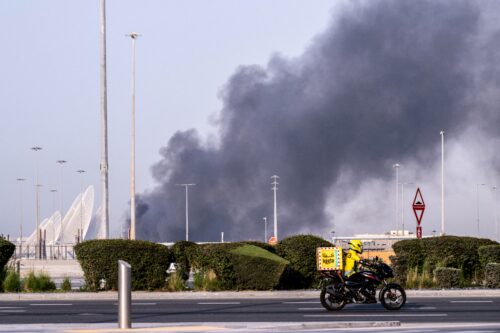
When Iranian drones struck two Amazon Web Services data centers in the UAE on March 1, 2026, and damaged a third in Bahrain the same morning, many thought this could spell the end of the Gulf’s AI ambitions. Whatever the intent, the attacks highlighted the new reality that data centers have now become targets in inter-state wars.
The Impact of the Iran War on the Gulf’s Grand AI Plans
When Iranian drone strikes hit two of Amazon’s data centers in the United Arab Emirates and Bahrain in early March, amid the ongoing US-Israeli war with Iran, much of the media’s reflex was to declare it the end of the Gulf’s artificial intelligence (AI) ambitions. That read is misguided, and it misses why what Iran was trying to accomplish failed.
The Gulf states are betting big on artificial intelligence (AI). Their motive is simple: While hydrocarbons will remain part of the energy mix for the foreseeable future, the revenue and influence tied to crude are already beginning to diminish. AI is not just about technology; it is a hedge, and potentially a new foundation for sustaining and even increasing their power in the rapidly shifting world order.
From the Middle East to West Asia: Redefining America’s Global Strategy
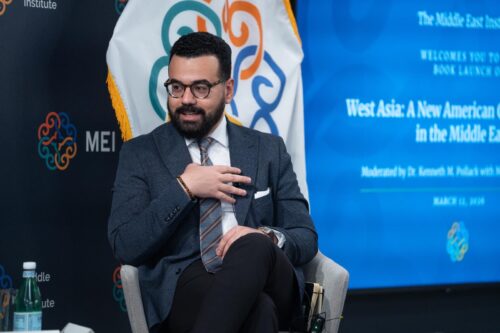
MEI Senior Fellow Mohammed Soliman joins hosts Alistair Taylor and Matthew Czekaj to discuss his new book, West Asia: A New American Grand Strategy in the Middle East. The book argues that it is time for the United States to move decisively away from nation-building and focus instead on order-building, outlining a framework for a new regional order that links Europe to the Indo-Pacific. Soliman also shares how he conceived of the core ideas behind his book and explains why his thesis is especially relevant in today’s geopolitical, economic, and technological landscape.
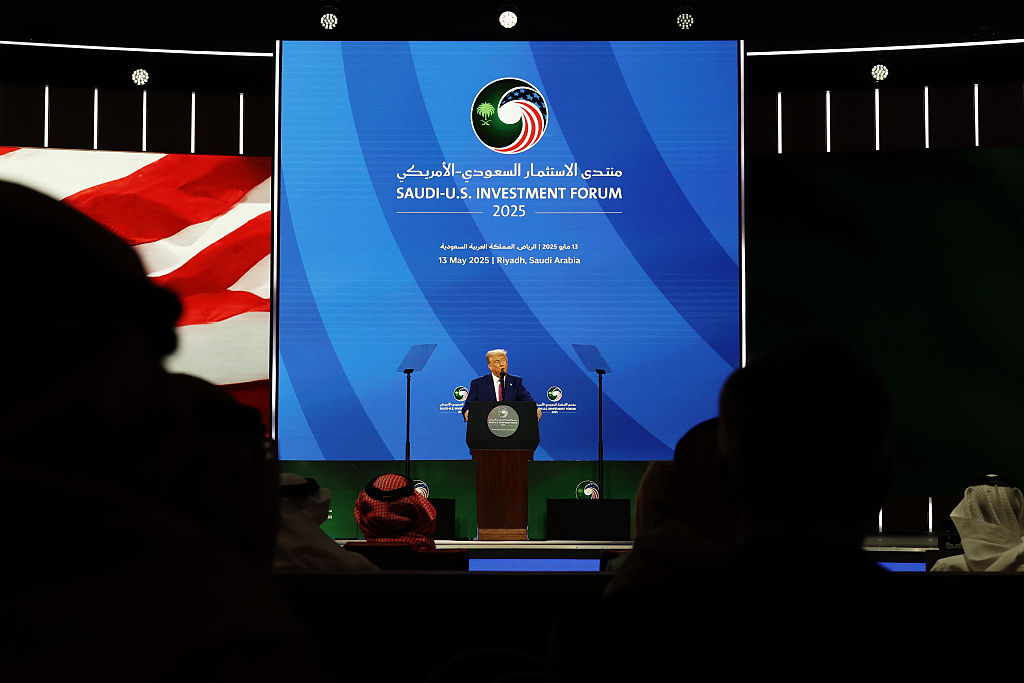
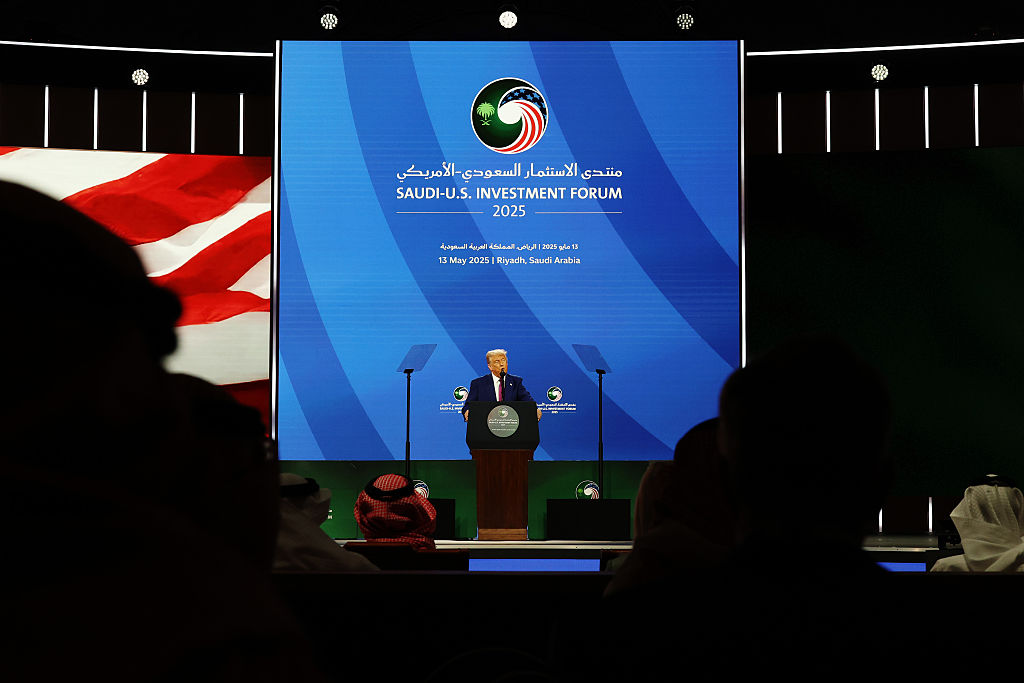
The US Commerce Department announced on November 19, 2025, that it had authorized the export of advanced American semiconductor chips to HUMAIN of Saudi Arabia and G42 of the United Arab Emirates. The approval enables both companies to purchase up to 35,000 Blackwell chips (GB300s). This sale is a core component of a broader “Compute Diplomacy” approach under the second administration of President Donald J. Trump, which was solidified following his May 2025 visit to the Gulf, where a series of multibillion-dollar artificial intelligence (AI) infrastructure agreements were signed.
Why the US should build data centers in Dubai and Riyadh
Together, the UAE and Saudi Arabia, and the broader Gulf region, are positioning themselves as potential backends of AI for emerging markets across Asia and Africa, laying the groundwork for a U.S.-aligned model of AI partnerships that could, over time, outpace China in the global AI race.
The US enters Israel’s war with Iran — MEI experts react
The United States struck three nuclear facilities in Iran on the evening of June 21, in the midst of the ongoing Israel-Iran conflict. MEI scholars provide real-time analysis to help make sense of what this escalation means and what might come next.
Saudi Arabia’s AI ambition, and what it means for the United States
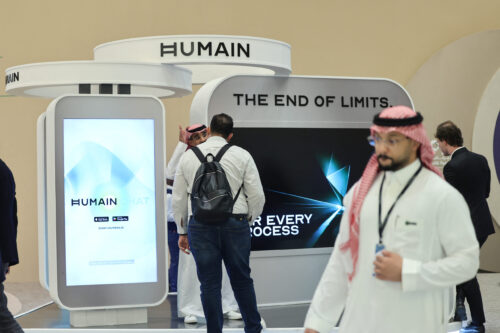
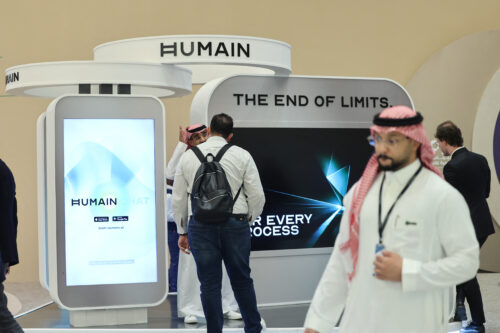
A day before Air Force One touched down in Riyadh to kick off US President Donald Trump’s three-country tour of the Gulf, Saudi Arabia made a pivotal announcement. The kingdom, long synonymous with oil, revealed a major investment in artificial intelligence (AI) through its newly launched company, HumAIn. This pivot, explicitly timed to coincide with Trump’s visit starting on May 13, and in anticipation of the signing of multiple tech deals between US and Gulf firms during the trip, signaled a profound shift in US-Saudi relations — from a traditional oil-for-security alliance to a partnership centered on AI and digital infrastructure.
As Saudi Arabia accelerates its transformation into a global technology powerhouse, the United States has a pivotal opportunity to redefine its partnership with the kingdom. Moving beyond the traditional oil-for-security framework, a new partnership centered on artificial intelligence and digital infrastructure can anchor US-Saudi relations in the 21st century.
Sheikh Tahnoon in Washington: UAE-US relations reimagined for the 21st century with technology at the core
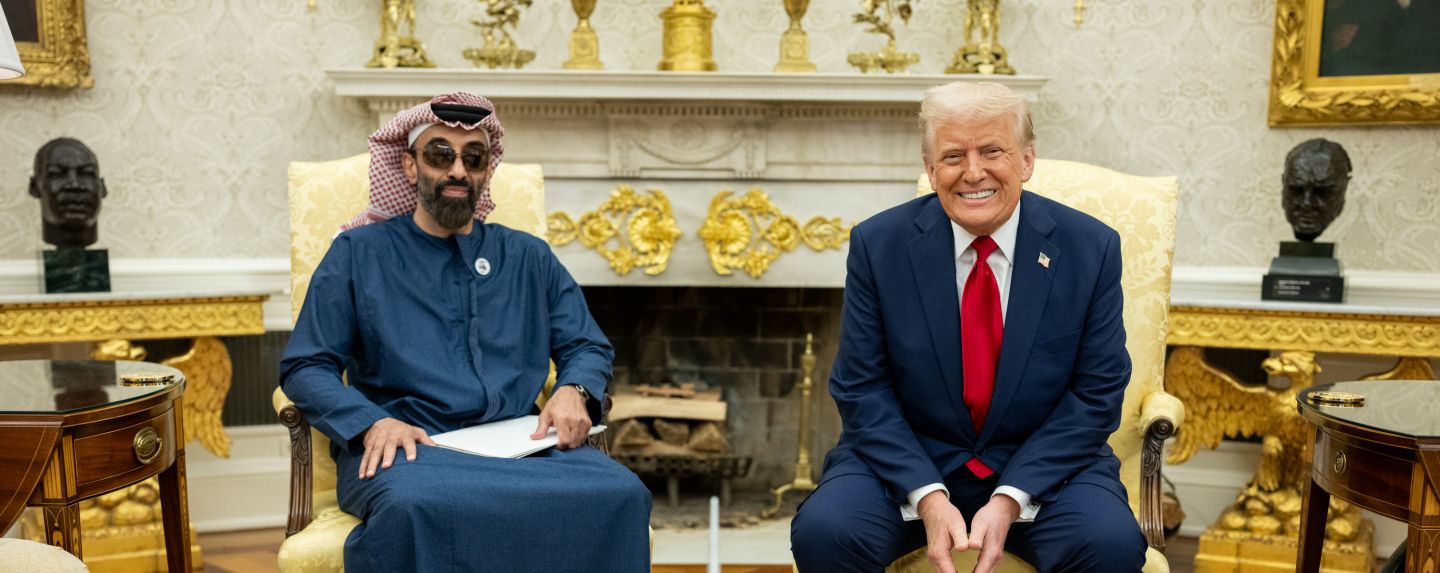
Sheikh Tahnoon bin Zayed, the United Arab Emirates’ national security adviser and a central figure in its tech and security landscape, visited Washington for high-level engagement with President Donald Trump’s team late last month, signaling a transformative shift in UAE-US relations.