Skip to Content

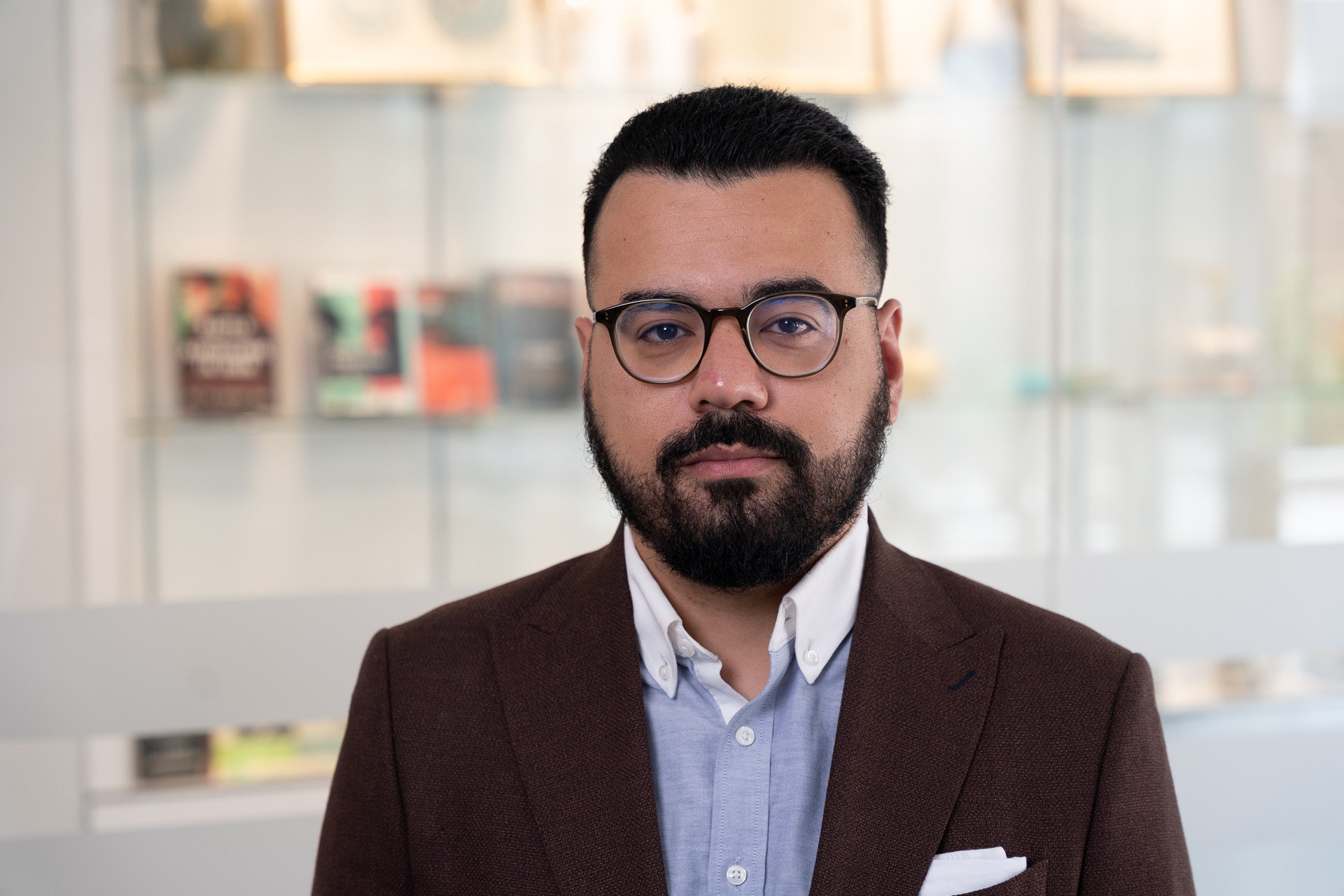
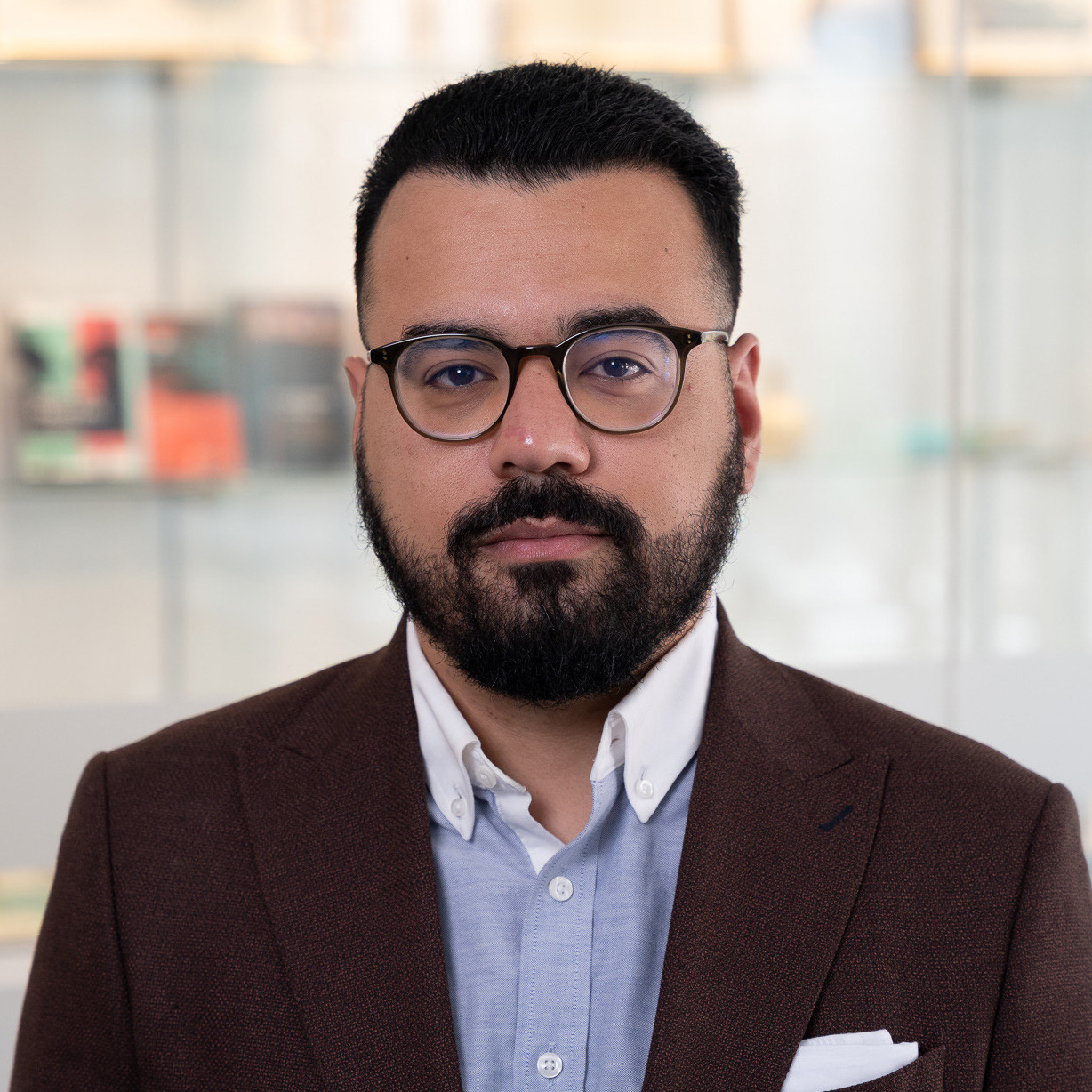
Mohammed Soliman is a senior fellow at the Middle East Institute (MEI), where he focuses on the intersection of technology, geopolitics, and business in the Middle East and other emerging markets. He is the author of the book West Asia: A New American Grand Strategy in the Middle East (Polity Press, January 2026). A trained engineer, he is a director at McLarty Associates, a global advisory firm, where he advises on strategic and policy matters at the intersection of technology, AI, finance, and energy. In addition, he is a non-resident senior fellow at the Foreign Policy Research Institute and a visiting fellow with the National Security Program at Third Way.

Prior to joining MEI, Mr. Soliman held research and policy roles at institutions including the Peace Tech Lab at the US Institute of Peace, as well as Georgetown University’s Institute for the Study of Diplomacy and School of Foreign Service, where he was a Junior Centennial Fellow. He began his career in Cairo as an engineer and consultant, advising both local and international businesses on strategy and operations.

Mr. Soliman is a frequent media commentator, with his work featured in The Financial TimesThe Wall Street JournalThe EconomistForeign PolicyForeign AffairsNewsweek, and USA Today. He has appeared on outlets such as CNN, BBC, France 24, and Deutsche Welle and regularly speaks at international conferences. His scholarly work includes numerous journal articles and book chapters on geopolitics, emerging technologies, and global economic trends.

Mr. Soliman serves on the board of advisors for Ideas Beyond Borders and the Advisory Council of the Indian Society of Artificial Intelligence and Law (ISAIL). He is a member of the Expert Advisory Group of the Global Commission on Responsible Artificial Intelligence in the Military Domain (GC REAIM) and a David Rockefeller Fellow of the Trilateral Commission.

He holds a Master of Science in Foreign Service with distinction from Georgetown University and a Bachelor of Engineering from the Egyptian Aviation Academy.

A native Arabic speaker, he also has reading and speaking knowledge of German, Persian, Spanish, and Turkish.

The Latest from Mohammed Soliman

Filter by
80 Results
To counter China, Trump’s administration should build on Biden AI memo
1251758719
  • Commentary
  • To counter China, Trump’s administration should build on Biden AI memo

    Across both the Biden and Trump administrations, the US has consistently viewed China as the primary global rival, particularly in the fast-evolving field of artificial intelligence. President Biden’s administration recently underscored this stance with the first-ever National Security Memorandum (NSM) on AI, which set a firm foundation for addressing the AI challenge posed by Beijing.

    The Role of the Middle East in the US-China Race to AI Supremacy
    Photo by Jakub Porzycki/NurPhoto via Getty Images
  • Analysis
  • The Role of the Middle East in the US-China Race to AI Supremacy

    AI is a pivotal catalyst for global innovation, with the United States at the forefront of the development of this transformative technology amid its ongoing great power rivalry with China. This report aims to define the concept of AI supremacy and to revise the US’ AI strategy in accordance with a more comprehensive understanding of it. The report also looks at how the competition has affected actors from the Middle East, namely the UAE and Saudi Arabia, attempting to steer the conversation on the global AI race toward a comprehensive conception of AI supremacy that is anchored in the realities of international affairs and US-China great power competition.

    Beyond oil: Google’s big bet on Saudi Arabia’s AI future
    Photo by Fayez Nureldine/AFP via Getty Images
  • Analysis
  • Beyond oil: Google’s big bet on Saudi Arabia’s AI future

    In a landmark move signaling the growing importance of the Middle East in the global tech landscape, Google has entered into a strategic partnership with Saudi Arabia’s Public Investment Fund (PIF), the kingdom’s sovereign wealth fund. The partnership underscores the “growing interlink” between AI and energy, as Saudi Arabia — along with the United Arab Emirates and other Gulf states — uses its energy surplus to power data centers, a critical pillar of AI infrastructure.

    The UAE and US elevate tech to a cornerstone of their relationship
    Photo by Kevin Dietsch/Getty Images
  • Analysis
  • The UAE and US elevate tech to a cornerstone of their relationship

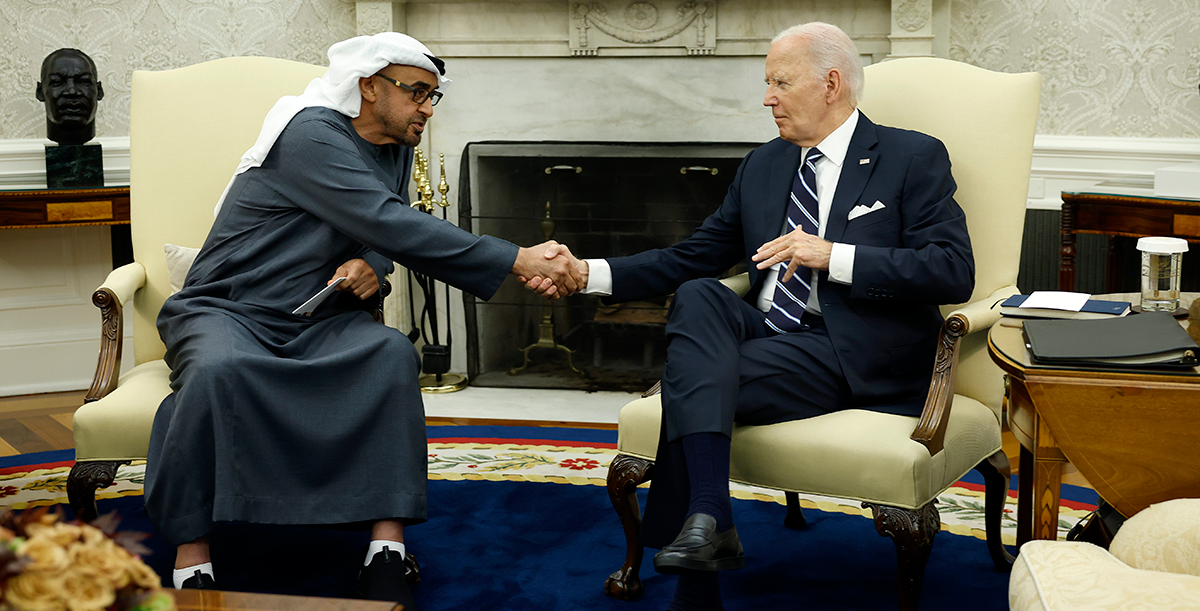
    When President Mohamed bin Zayed Al Nahyan (MbZ) of the United Arab Emirates visited the White House on Sept. 23, the joint US-UAE statement was one of the most extensive yet covering pledges to cooperate on nearly every technological sector and signaling a clear goal to shift the bilateral relationship away from hydrocarbons.

    China, the US, and the battle for Middle Eastern technology
    Photo by Waleed Zein/Anadolu via Getty Images
  • Analysis
  • China, the US, and the battle for Middle Eastern technology

    The US is changing its approach to dealing with China’s technology statecraft in the Middle East. The recent Microsoft-G42 deal offers a new model for technology competition that helps to secure American technologies while accommodating its partners’ aspirations.

    Transformational implications of moving toward smart cities in the Gulf
    Photo by Tyson Paul/Loop Images/Universal Images Group via Getty Images
  • Analysis
  • Transformational implications of moving toward smart cities in the Gulf

    As Gulf nations embrace the opportunities presented by developing smart cities, challenges such as cybersecurity and infrastructure sustainability must be addressed through strategic policies and trusted partnerships to ensure a secure and sustainable digital transition.

    AI global governance regime gradually taking shape
    Photo by Alastair Grant - WPA Pool/Getty Images
  • Analysis
  • AI global governance regime gradually taking shape

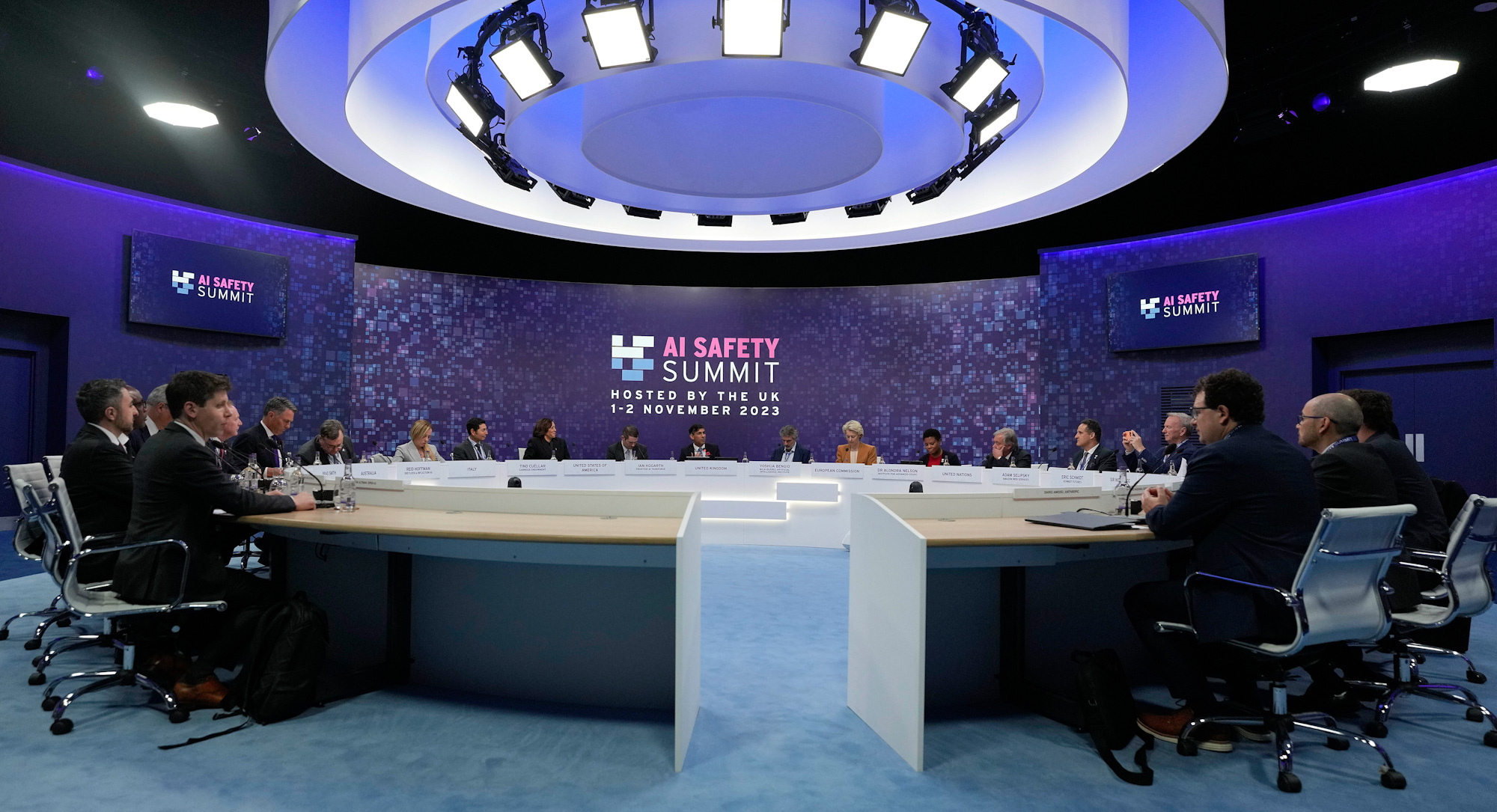
    In recent years, the international community has witnessed a surge in momentum toward the development of standards for artificial intelligence (AI) governance. The AI Safety Summit, convened last month by Prime Minister Rishi Sunak, marked a diplomatic milestone and a definite step in the right direction. However, its impact is contingent on the ability of the global community to navigate the multiparty landscape of AI governance.

    Bytes and Beltways: Decoding Beijing’s Tech-Centric Geopolitics in the Gulf
  • Commentary
  • Bytes and Beltways: Decoding Beijing’s Tech-Centric Geopolitics in the Gulf

    As China pursues a grand strategy aimed at displacing the US-led global order, technology has emerged as a fourth pillar alongside the political, military, and economic elements of its plans. A test case is the Arabian Gulf. Since the 2010s, China has been strategically enhancing its influence in West Asia, with a particular focus on the Gulf states, leveraging technology as a potent tool. This approach involves the deployment of Chinese software and hardware, coupled with joint technology and cyber initiatives.

    The US Cyber Workforce and Education Strategy: A blueprint for building cyber talent in the Gulf
    Photo by Sean Gallup/Getty Images
  • Analysis
  • The US Cyber Workforce and Education Strategy: A blueprint for building cyber talent in the Gulf

    In July 2023, the White House released the National Cyber Workforce and Education Strategy. The strategy is designed to address the cybersecurity workforce shortage by emphasizing skills-based hiring and lifelong learning. It also provides guidance for other nations, particularly in the Gulf region, as they undergo their own digital transformation and work toward gender equality in their workforces.