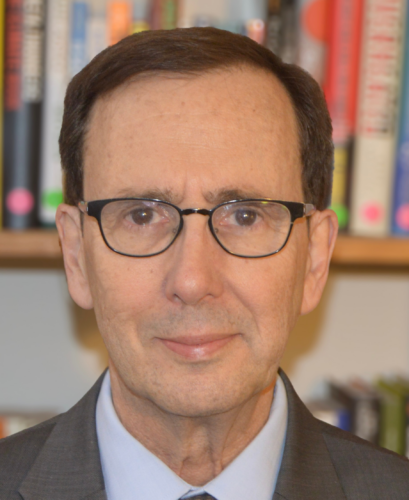
This individual is a guest contributor. MEI is not able to assist with contact requests.
Shahmahmood Miakhel is the Country Director in Afghanistan for the US Institute of Peace (USIP). Prior to that he was a Governance Advisor for the United Nations Assistance Mission in Afghanistan (UNAMA), and, from 2003–2005, a Deputy Minister of the Interior in the Government of Afghanistan. In 1994–1995 he worked for the United Nations Development Programme (UNDP) and United Nations Office for Project Services (UNOPS) in South and Southeast Afghanistan helping to establish District Rehabilitation Shuras (DRS). He also worked as a reporter for the Pashto service of the Voice of America from 1985–1990.
Charles Lister and Mick Mulroy discuss the dramatic Feb. 3rd U.S. special operations raid that killed ISIS leader Abu Ibrahim al-Hashimi al-Qurayshi, the group’s late January attack on the al-Sina prison, and ISIS’s broader trajectory in both Syria and Iraq.
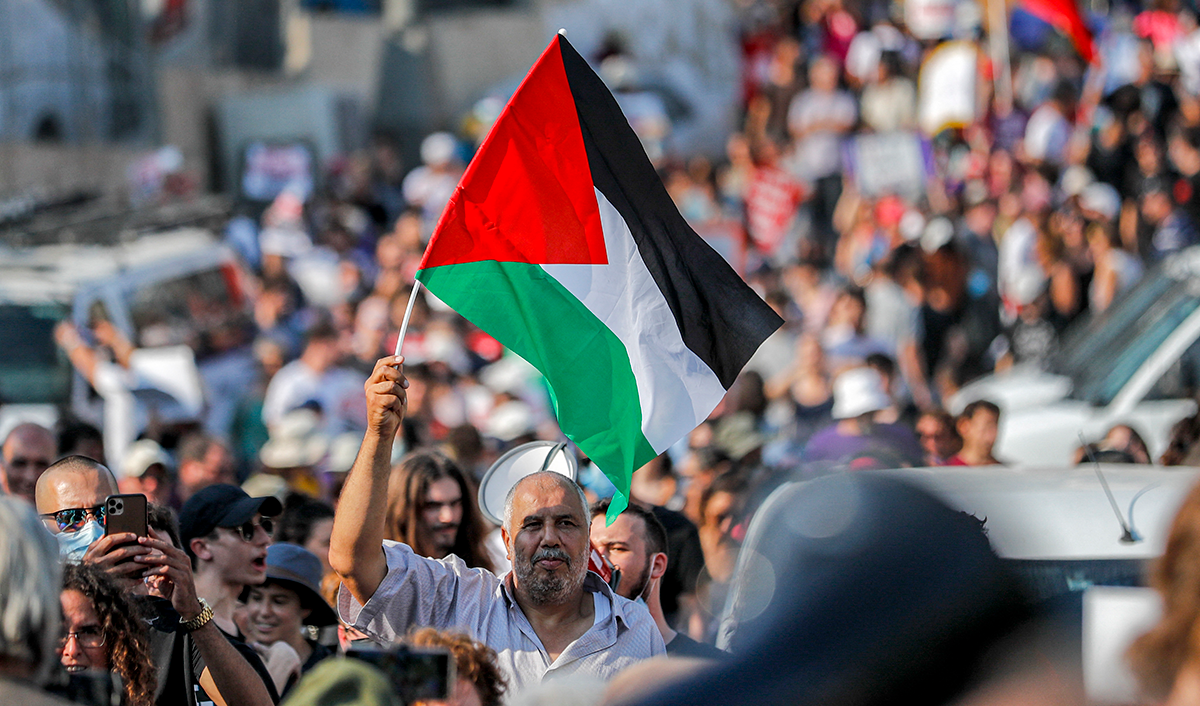
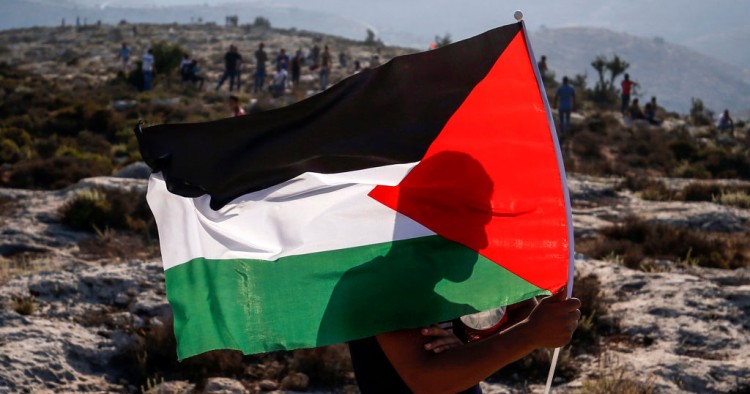
How the War on Terror paved the way for online censorship of Palestinians
In May 2021, the world watched in horror, as Israeli police evicted the Palestinian residents of Jerusalem’s Sheikh Jarrah neighborhood against their fervid resistance. Meanwhile, another fight was raging: that of narrative power. As journalists, citizen activists, and human rights organizations attempted to document Israel’s brutal crackdown, many found their communications subject to overzealous content moderation. Key social media posts were removed from influential platforms, including Twitter, Facebook, and Instagram, precisely when those posts were most crucial.
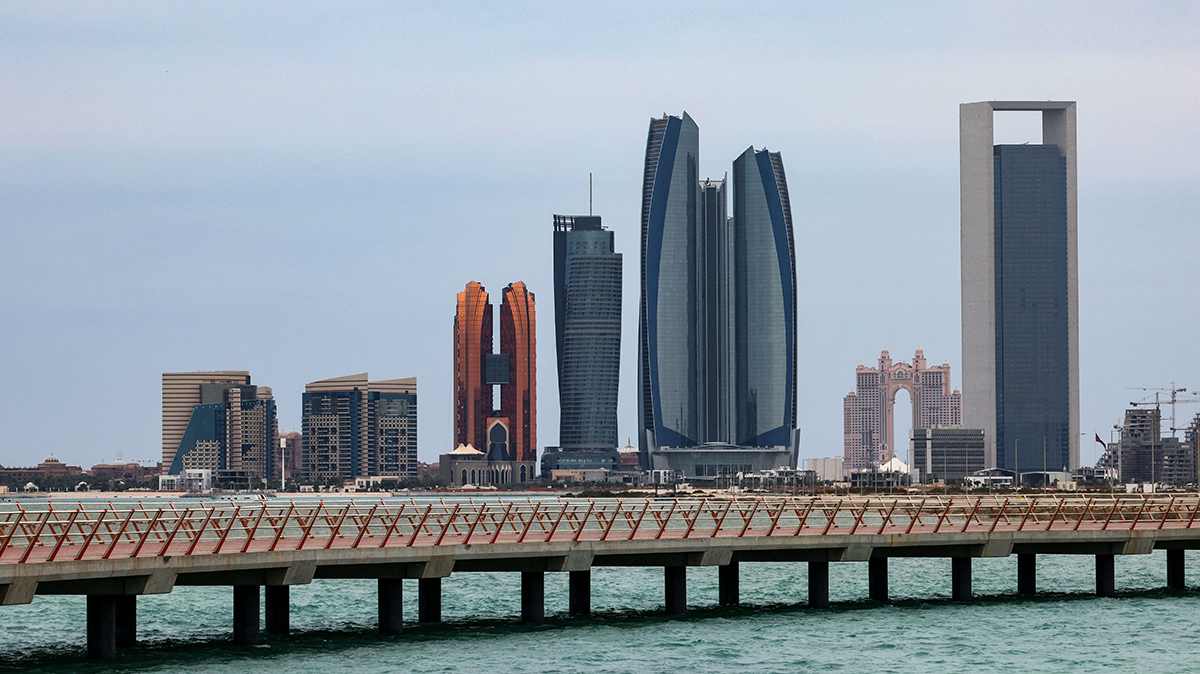
Pro-Palestine solidarity in the UAE: A view from Emirati activists
When the normalization agreement between the UAE and Israel was announced in August 2020, the response from the heavily policed and surveilled Emirati population was — understandably — muted. Social media accounts tied to government officials, or those thought to be close to the regime, were quickly vocal and aggressive online in support of the new policy, threatening retribution for anyone who might disagree. Opposition to the policy has come from within the Emirati exile community instead.
في 24 يناير/كانون الأول، أصدرت القيادة المركزية الأمريكية (CENTCOM) بيانًا أكدت فيه أن “القوات الأمريكية في قاعدة الظفرة الجوية، بالقرب من أبو ظبي في دولة الإمارات العربية المتحدة، اعترضت صاروخيين متجهين للداخل بالاستعانة بعدة صواريخ باتريوت اعتراضية بالتزامن مع جهود القوات المسلحة الإماراتية في الساعات الأولى من صباح 24 يناير 2022. نجحت الجهود المشتركة في منع كلا الصاروخين من إصابة القاعدة.
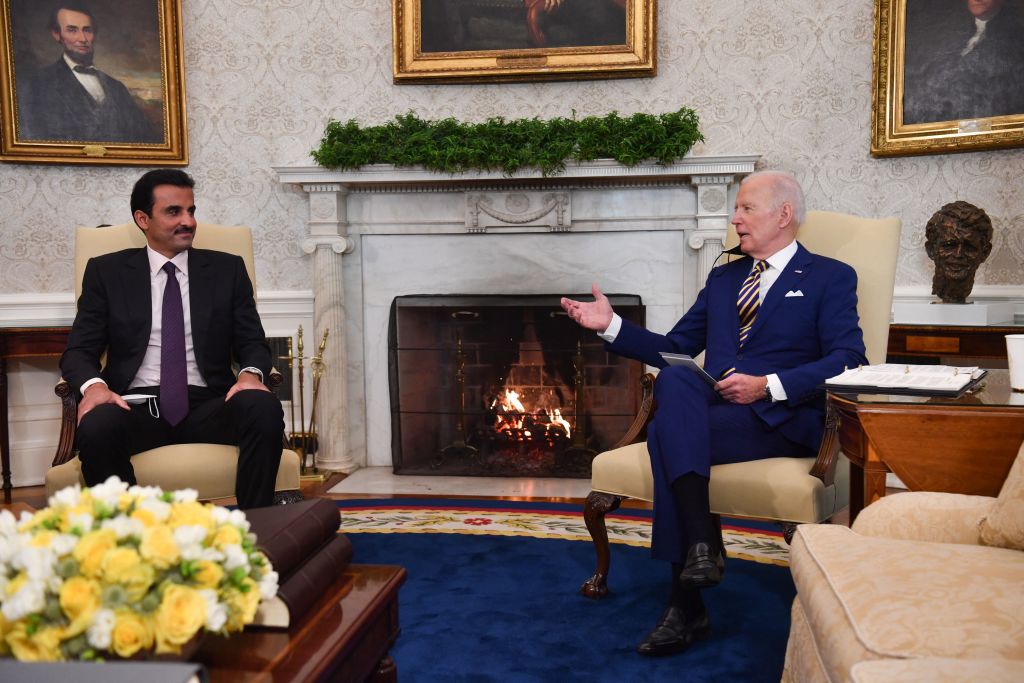
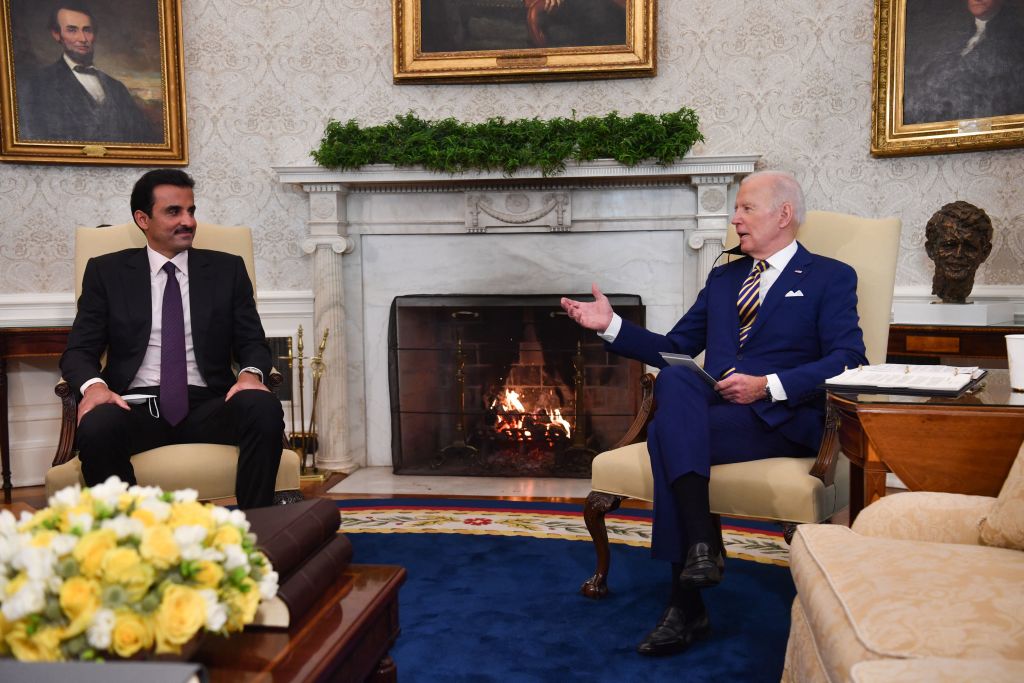
أمير قطر الشيخ تميم يصبح أول زعيم خليجي يزور البيت الأبيض في عهد بايدن
عندما يزور أمير قطر الشيخ تميم بن حمد آل ثاني الرئيس جو بايدن في 31 يناير/كانون الثاني، وعلى عكس العديد من القادة الآخرين الذين تلقوا دعوات إلى المكتب البيضاوي، هناك جدول أعمال جاد وحافل بالقضايا العالمية المُلحِّة للمناقشة بين الزعيمين. فعلى المدى القريب والعاجل، سيُطلب من الشيخ تميم التزام قطر بمساندة الجهود المبذولة لمعالجة احتمال انقطاع إمدادات الطاقة الروسية إلى أوروبا الغربية، وخاصة ألمانيا، في حالة إذا واصل الرئيس الروسي فلاديمير بوتين التهديدات بمهاجمة أوكرانيا.
Brian Katulis and Randa Slim join the program to discuss the Biden administration’s Middle East policy one year in, and look ahead to the challenges it will face in the region in the year ahead.
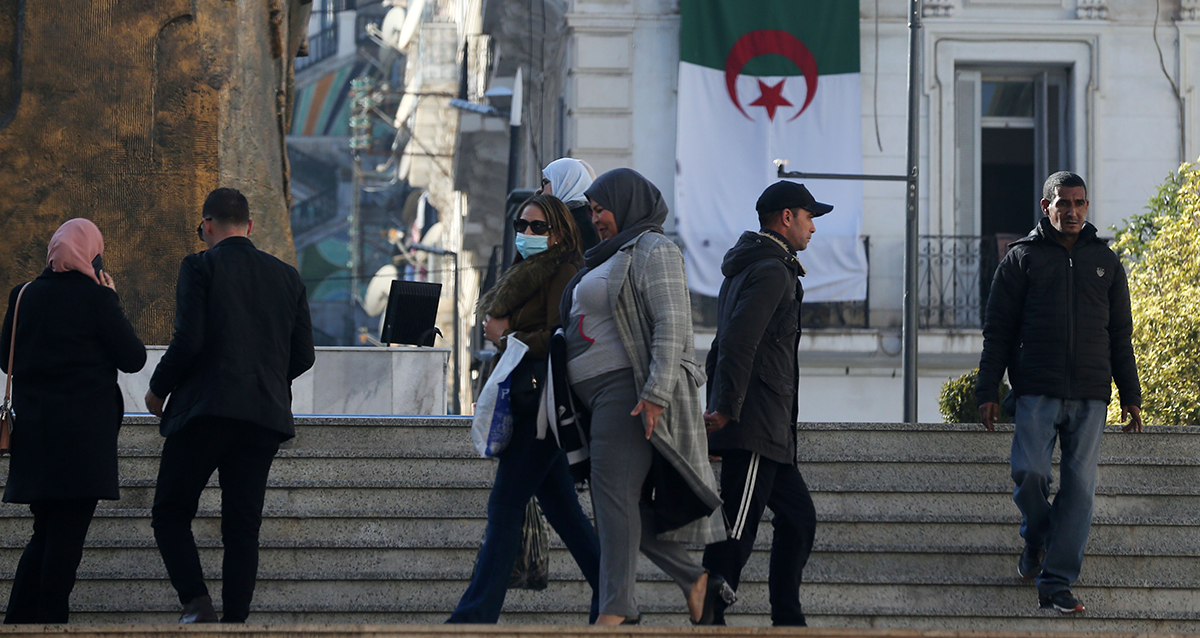
Algeria’s recurring food crises: The sign of an ailing economy
Beset by severe socioeconomic grievances, Algeria is now facing the most challenging economic situation since the 1988 October Riots, when thousands of young people took to the streets to protest an economic crisis caused by the decline in oil prices, austerity measures, and a youth bulge that led to mass unemployment. The latest food shortages are not the first, however, and given the administration’s current approach, they are unlikely to be the last. While the authorities have blamed business owners and even consumer behavior for the crisis, the underlying drivers are more systemic and structural.
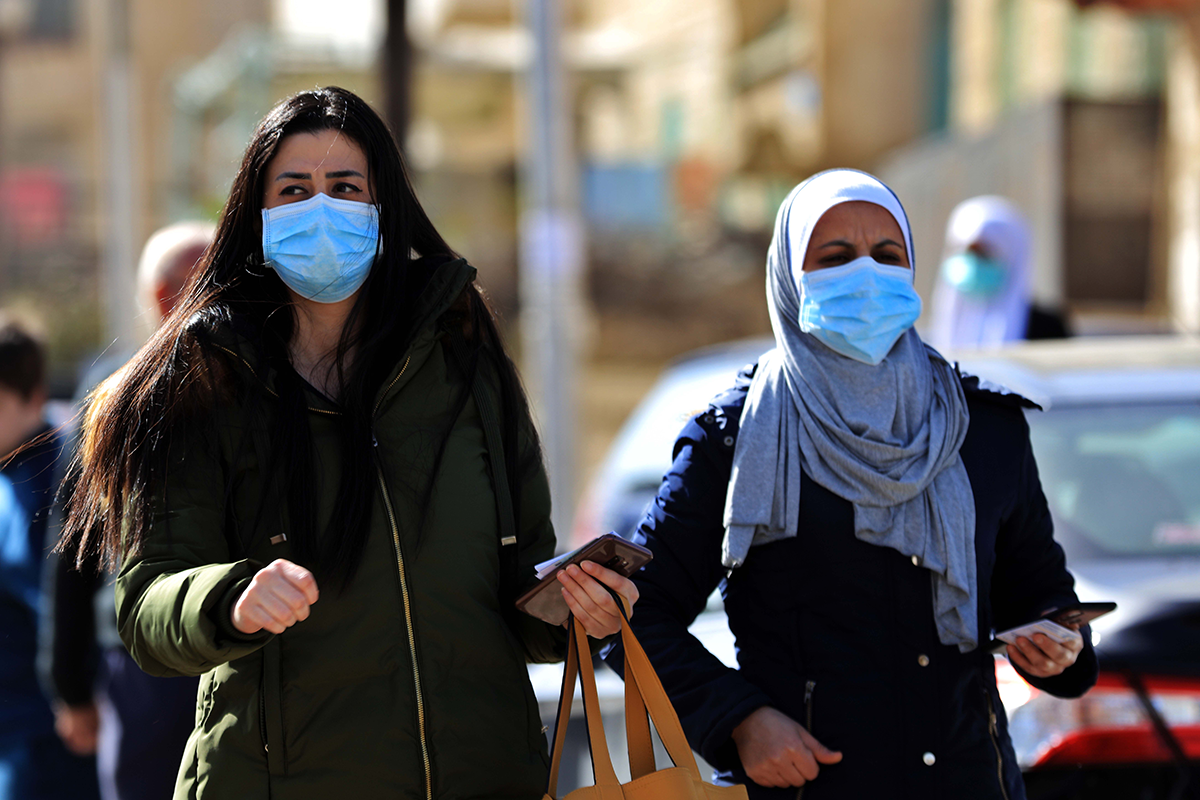
Women’s labor force participation and COVID-19 in Jordan
Jordan has the lowest rate of women’s economic participation of any country not at war. According to the ILO, the kingdom’s female labor force participation rate is below 15%, while that of men is about 60%. This is lower than rates of female labor force participation in neighboring Lebanon (23%), Saudi Arabia (22%), and the West Bank and Gaza (18%). As the COVID-19 pandemic stretches on, the government of Jordan should take the opportunity to expand the accessibility of remote work and corresponding opportunities for Jordanian women who aim to play a role in their nation’s economy.
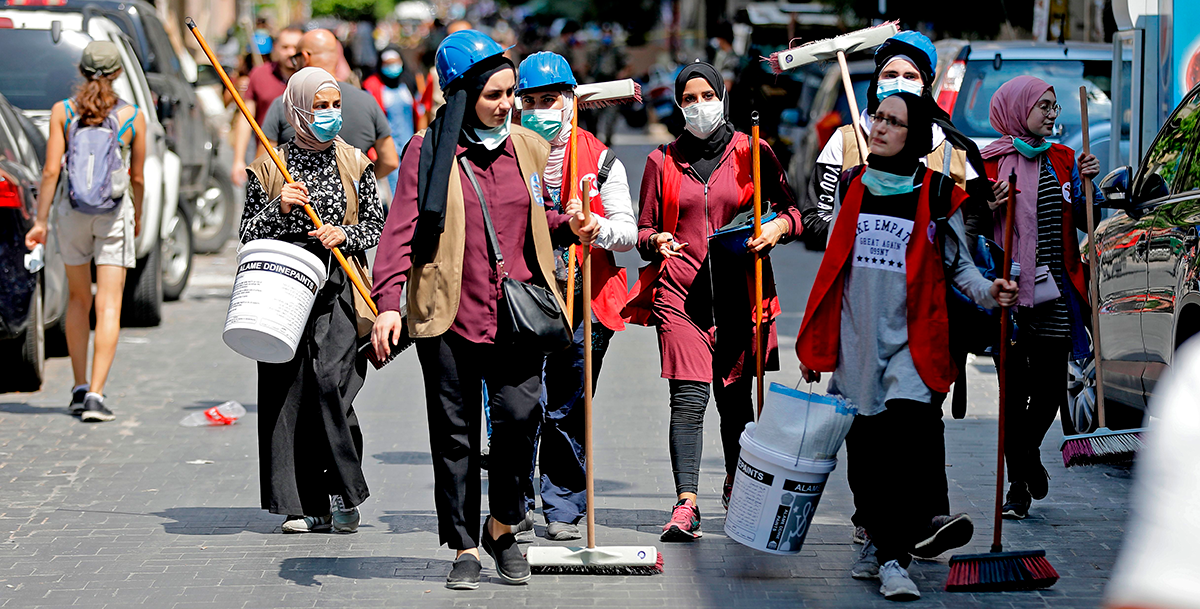
Helping the Lebanese People Move Toward Recovery: Recommendations for US Policy
Lebanon is currently at a crossroads as the government faces the daunting tasks of rebuilding the economy, restoring public trust, and clearing the way for free and fair parliamentary elections in May of 2022. The country finds itself spiraling downward — an agreement with the IMF is yet to be realized, poverty and emigration are increasing, and there are growing threats to stability due to a failing economy and widespread corruption. Given this critical situation, it is worthwhile to review U.S. interests in Lebanon’s survival and consider key recommendations for U.S. policy to help Lebanon avoid complete collapse and help the Lebanese people move toward economic recovery, political legitimacy, and a more capable, transparent, and sovereign state.
Reassessing women’s role in peace and security in the Middle East
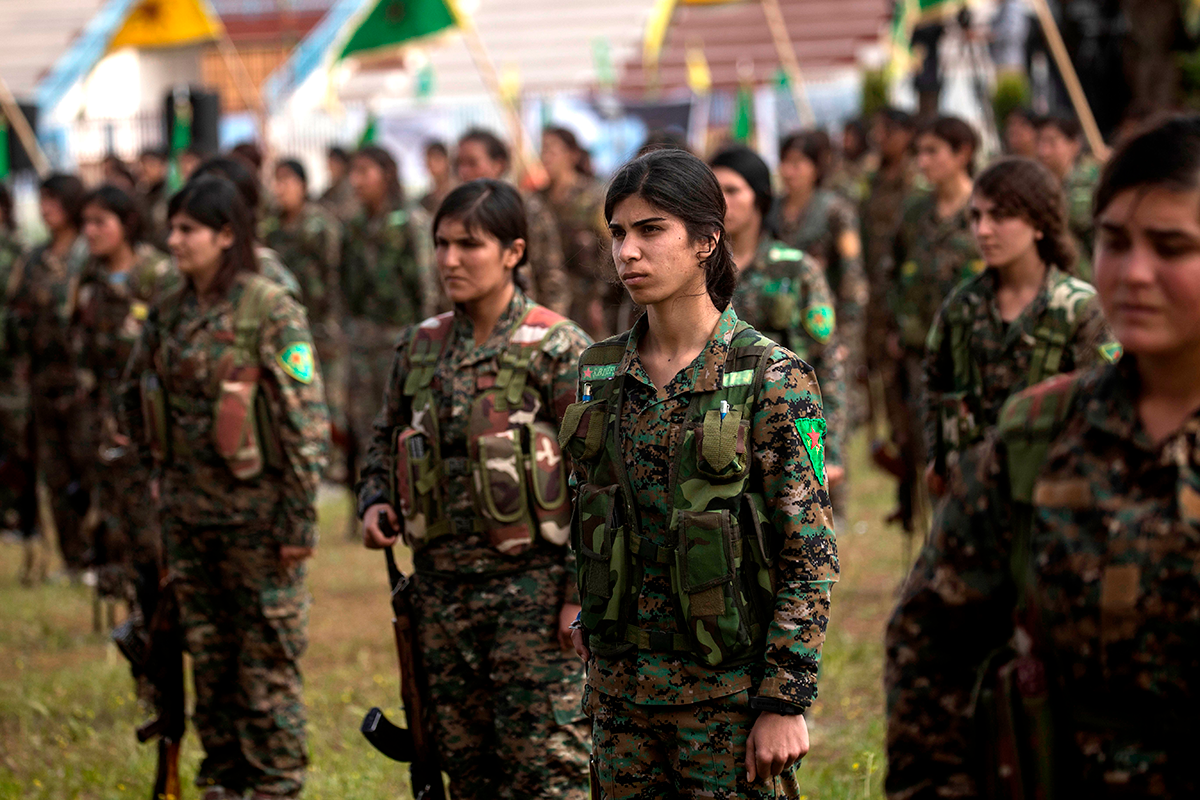
When addressing security challenges in the Middle East, the United States must re-examine how it engages with and views women’s potential security contributions.
For Gulf producers, decarbonization does not mean zero oil production
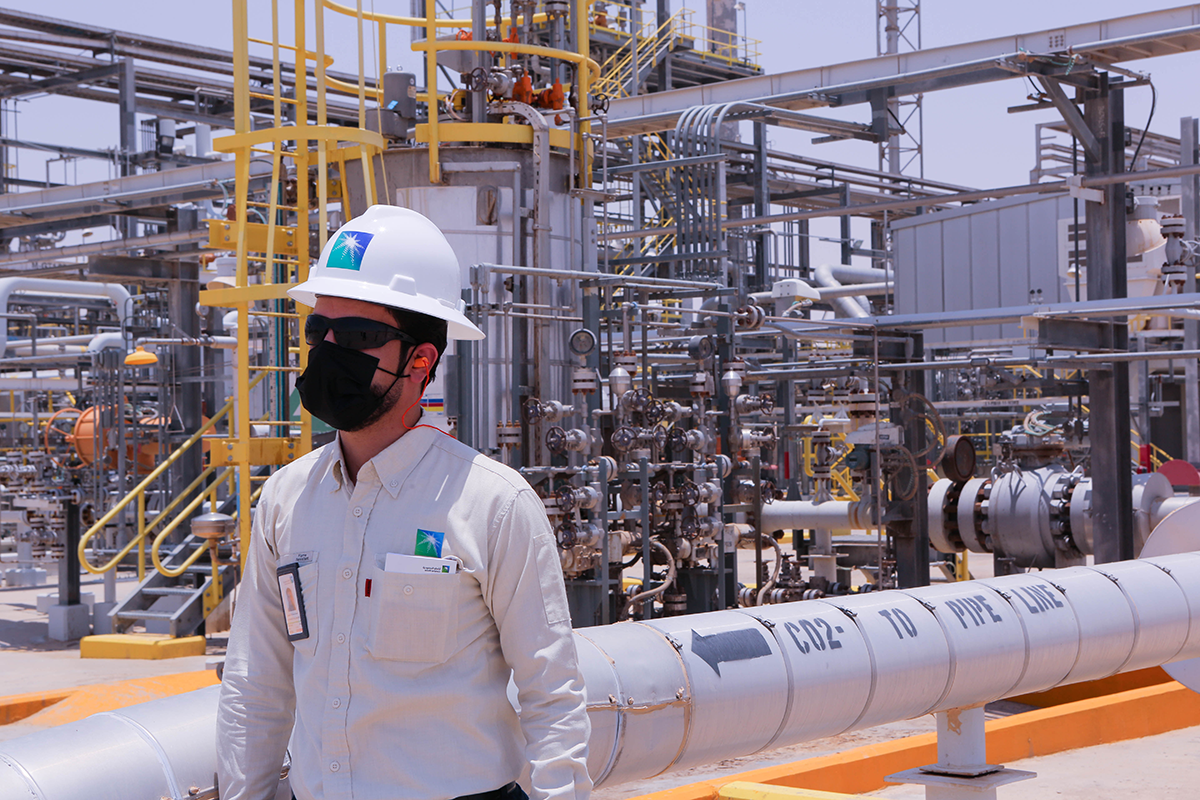
Gulf oil producers do not envisage a post-2050 world devoid of hydrocarbons, even though two of the region’s biggest producers, the UAE and Saudi Arabia, have committed to net-zero carbon emissions by 2050 and 2060, respectively. Reconciling their future environmental commitments with their current reliance on hydrocarbons is going to be an arduous and expensive journey that starts with decarbonizing their oil and gas production to reduce their carbon footprint and increasing their domestic green energy production. With demand for oil and gas forecast to continue post-2050 — albeit at lower levels than now — their net-zero target does not equate to zero oil and gas production. Instead, their transition will differ from that of other countries and will happen at a different pace.
The UAE paves way for Syria’s return to the Arab fold, but plenty of hurdles remain
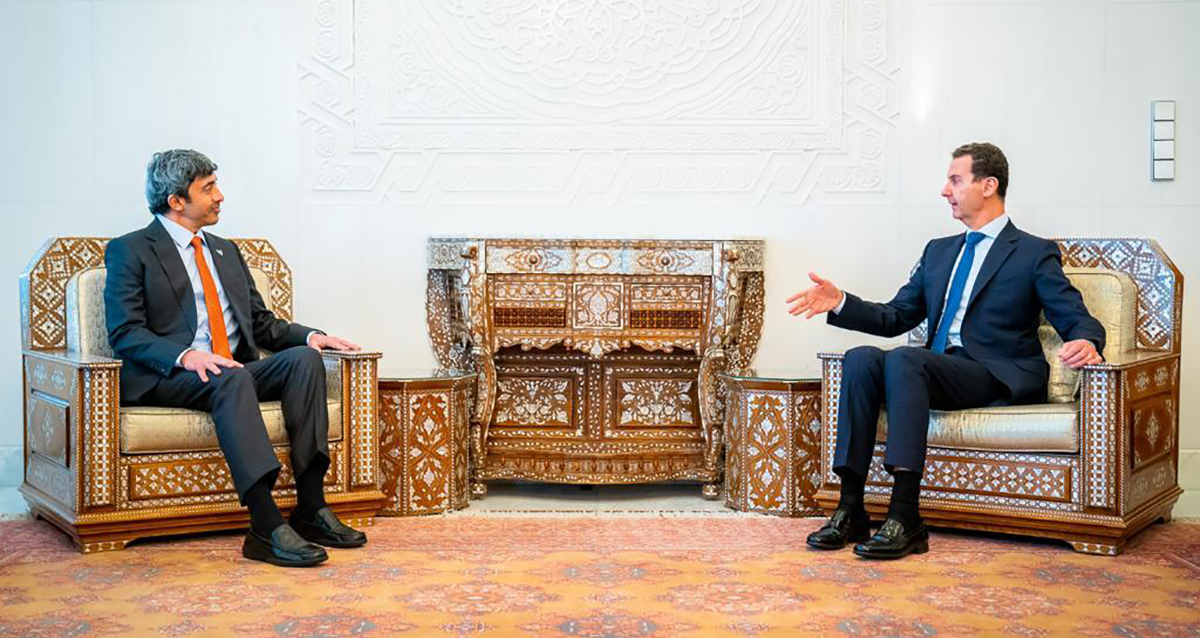
The UAE has made bold strides to normalize relations with embattled Syrian President Bashar al-Assad, opening itself up to criticism as many countries remain reluctant to reconcile with Damascus. Despite this measured reintegration of Assad into the Arab fold, many serious complications and challenges lie ahead. The most important of these is the lack of support from a hesitant Saudi Arabia, which would impede the crucial next step of Syria’s restoration to full membership in the Arab League before its upcoming summit.
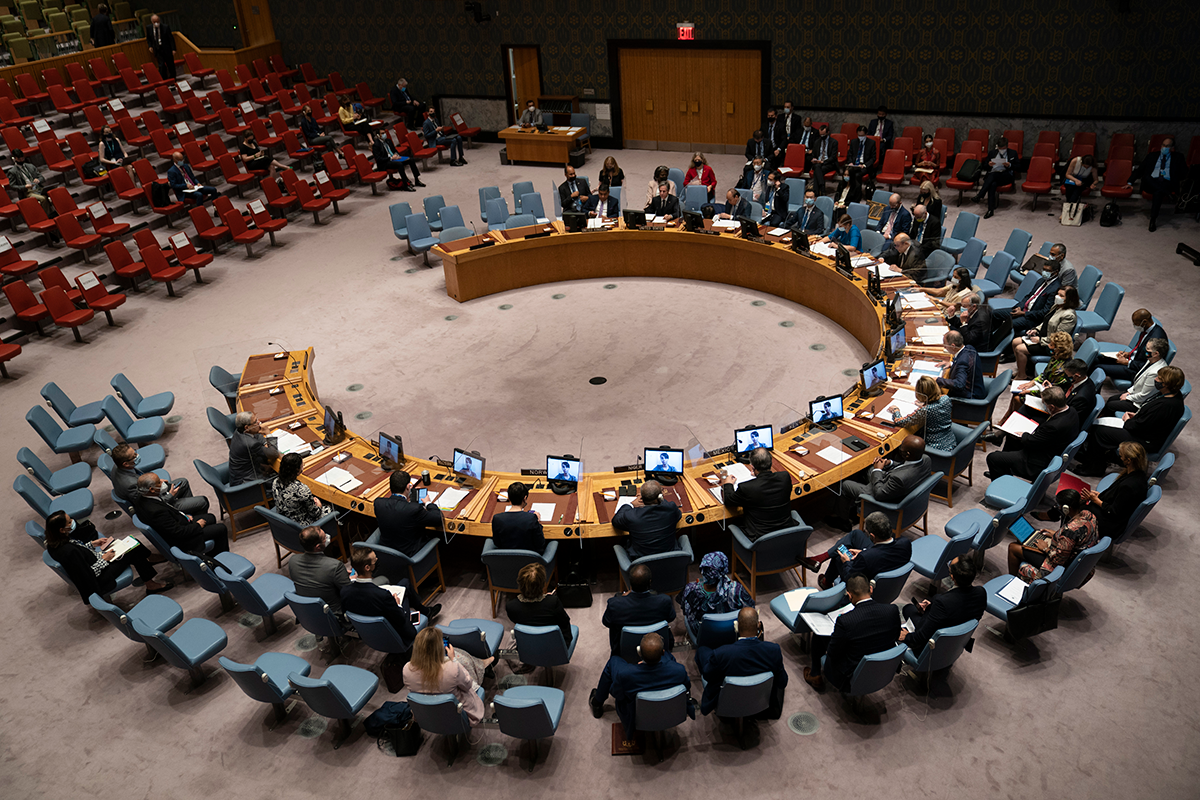
On Dec. 13, 2021, at a United Nations Security Council (UNSC) meeting, a draft resolution that would have recognized climate change as a security threat was rejected. The resolution, co-sponsored by Niger and Ireland, would have incorporated climate change as a security risk within the U.N. framework of conflict prevention strategies. What are the potential implications of this and what comes next? We asked seven experts to weigh in with their thoughts.