Skip to Content

Shahmahmood Miakhel

Country Director, Afghanistan

Expertise

Afghanistan

This individual is a guest contributor. MEI is not able to assist with contact requests.

Shahmahmood Miakhel is the Country Director in Afghanistan for the US Institute of Peace (USIP). Prior to that he was a Governance Advisor for the United Nations Assistance Mission in Afghanistan (UNAMA), and, from 2003–2005, a Deputy Minister of the Interior in the Government of Afghanistan. In 1994–1995 he worked for the United Nations Development Programme (UNDP) and United Nations Office for Project Services (UNOPS) in South and Southeast Afghanistan helping to establish District Rehabilitation Shuras (DRS). He also worked as a reporter for the Pashto service of the Voice of America from 1985–1990.

The Latest from Shahmahmood Miakhel

Filter by
9989 Results
Three signs of impending famine in Syria absent immediate action
Photo by Muhammed Said/Anadolu Agency via Getty Images
  • Analysis
  • Three signs of impending famine in Syria absent immediate action

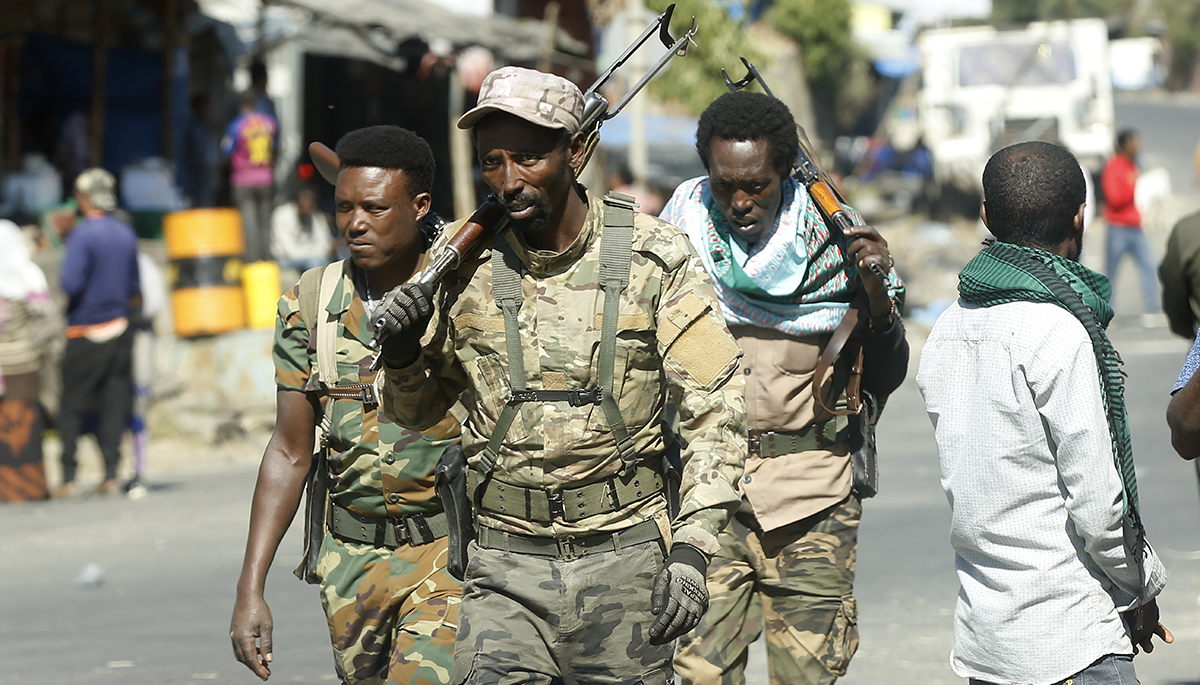
    The pace of military action in Syria has plateaued. With the assumption of a frozen conflict comes the attendant assumption that humanitarian conditions are also likely to be stable. This could not be further from the truth. Humanitarian conditions continue to deteriorate, driven by three factors, and urgent action is now needed to avoid a famine.

    December 10, 2021

    Georgia’s thorny path to NATO
    Photo by VANO SHLAMOV/AFP via Getty Images.
  • Analysis
  • Georgia’s thorny path to NATO

    Amid heightened tensions between the U.S. and Russia over Ukraine, the issue of Georgia’s path to NATO membership is once again in the spotlight. While Tbilisi has made real progress in its military reform efforts, the major hurdle is political, not military, in nature and until the Alliance can achieve consensus, the future of Georgia’s relationship with NATO will remain uncertain.

    December 9, 2021

    OPEC+: Locked in a Russia-US-Saudi triangle
    Photo by Omar Marques/SOPA Images/LightRocket via Getty Images
  • Analysis
  • OPEC+: Locked in a Russia-US-Saudi triangle

    The events of recent months, including a series of critical statements by international players about the reluctance of OPEC+ to raise output beyond its established quotas, have clearly demonstrated the changing realities in the oil market. In addition to global uncertainty, the dynamics between Saudi Arabia, Russia, and the U.S., as well as the actions of Asian oil consumers, have become other key factors shaping the cartel’s behavior.

    India’s search for a new role in Afghanistan
    Photo by Arvind Yadav/Hindustan Times via Getty Images
  • Analysis
  • India’s search for a new role in Afghanistan

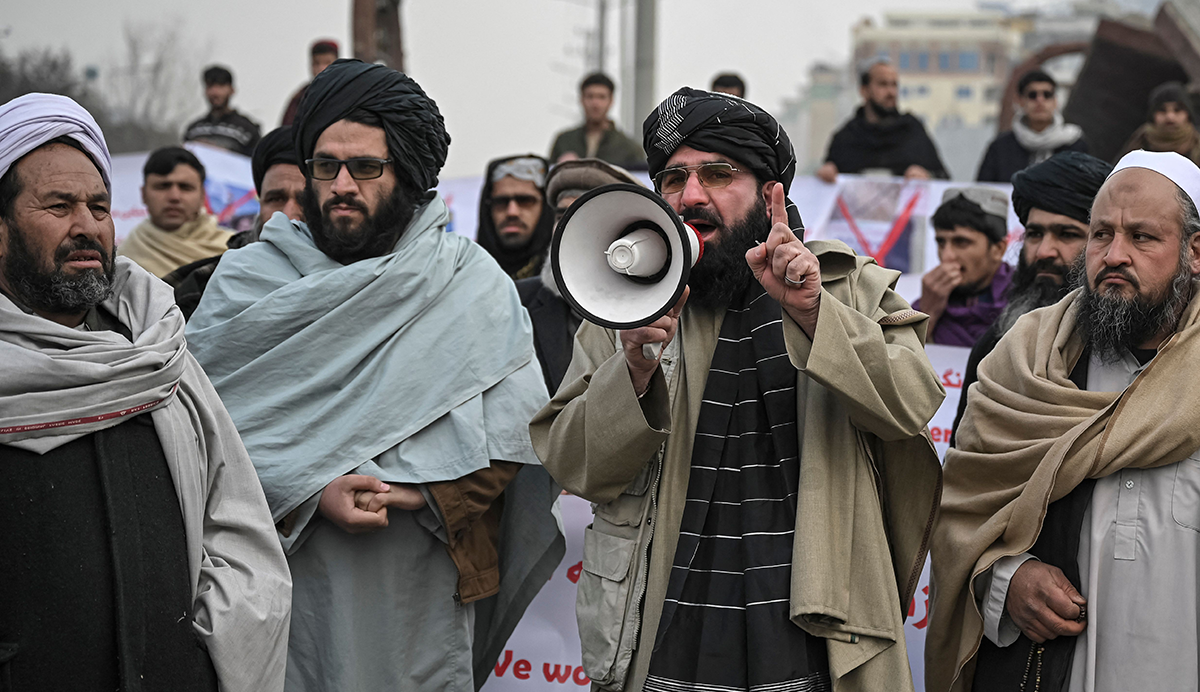
    As the humanitarian situation in Afghanistan grows increasingly dire, Pakistan has informed India that it will allow the transportation of wheat and life-saving medicines from India to Afghanistan through its territory, on the condition that only Afghan trucks are used to carry it. The Taliban regime has praised Pakistan for the move, but will it arrest the decline in India’s fortunes in Afghanistan?

    December 8, 2021

    The case for COVID-19 public inquiries for the Arab world
    Photo by THOMAS SAMSON/AFP via Getty Images.
  • Analysis
  • The case for COVID-19 public inquiries for the Arab world

    The COVID-19 pandemic has revealed a number of weaknesses in government response, including a fragmentation of the decision-making process, inadequate consultation with experts, opacity of epidemiological data, as well as a lack of health care capacity, collective action, and general preparedness. Perhaps above all though, the pandemic has highlighted the inadequacy of communication with the public and their lack of involvement in the decision-making process. While the novel coronavirus caught all governments by surprise, some governments, especially those that enjoy high levels of trust (and not necessarily the wealthiest ones), have fared better than others. This has prompted some countries to hold public hearings to gain more insight into decision-making during the pandemic and rebuild trust in institutions. Strikingly but unsurprisingly, no country in the Arab world has yet called for a public inquiry into COVID-19. While this is even more relevant for countries that have traditionally enjoyed democratic governance and for countries that have suffered disproportionately rom the pandemic, this exercise could be useful for all Arab countries in regaining the trust needed to better respond to future crises.

    December 7, 2021

    أوبك بلس تواجه اختبارات جديدة لاستراتيجيتها لموازنة السوق في عام 2022
  • Commentary
  • أوبك بلس تواجه اختبارات جديدة لاستراتيجيتها لموازنة السوق في عام 2022

    عندما أعلن البيت الأبيض في عهد الرئيس جو بايدن أنه قد نجح في ضم العديد من الدول الرئيسية المستهلكة للنفط في محاولة لتنسيق عمليات الإفراج عن احتياطيات البترول الاستراتيجية (SPRs) حول العالم، بدا أن هذا سيكون العامل الرئيسي الوحيد في أسواق النفط التي ستناقشه أوبك بلس في

    أزمة العملة في تركيا هي صناعة ذاتية
  • Commentary
  • أزمة العملة في تركيا هي صناعة ذاتية

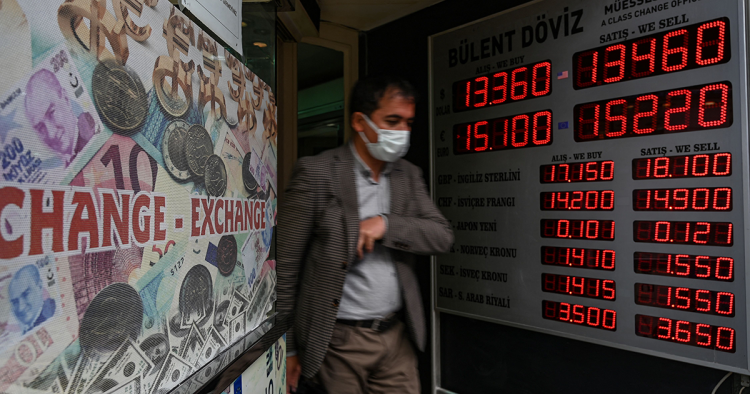
    عقب استقالة وزير المالية واستبداله بأحد الموالين للرئيس رجب طيب أردوغان في الثاني من ديسمبر/كانون الأول، واصلت الليرة التركية تراجعها المطرد أمام الدولار، لتصل خسائرها خلال العام إلى قرابة 50٪. من جديد تقع العملة التركية تحت وابل من المضاربات، على غرار الحلقات السابقة في يوليو/تموز 2018 وأكتوبر/تشرين

    December 7, 2021

    تشكيل الحكومة العراقية الجديدة: تحولات استراتيجية وتغييرات تكتيكية
  • Commentary
  • تشكيل الحكومة العراقية الجديدة: تحولات استراتيجية وتغييرات تكتيكية

    أحدثت انتخابات 10 أكتوبر/تشرين الأول 2021 ثلاث تحولات استراتيجية رئيسية في العملية السياسية العراقية، والتي على الرغم من أنها لم تسفر بعد عن تغييرات جوهرية في عملية تشكيل الحكومة الحالية، إلا أنها تتمتع بإمكانية هائلة لإحداث المزيد من التغييرات الجوهرية في المستقبل. أولاً، تعرضت الفصائل الموالية لإيران عبر القوائم والأحزاب السياسية العراقية، سواء داخل الكتل الكردية أو السنية أو الشيعية، لخسارة ثقيلة. ثانيًا، فازت الأحزاب التي انبثقت عن الاحتجاجات الشعبية في أكتوبر/تشرين الأول 2019، “امتداد وإشراقات كانون”، بتسعة مقاعد وستة مقاعد على التوالي في منافستها الانتخابية الأولى.

    December 7, 2021

    The UAE at 50
    Middle East Institute
  • Podcast
  • The UAE at 50

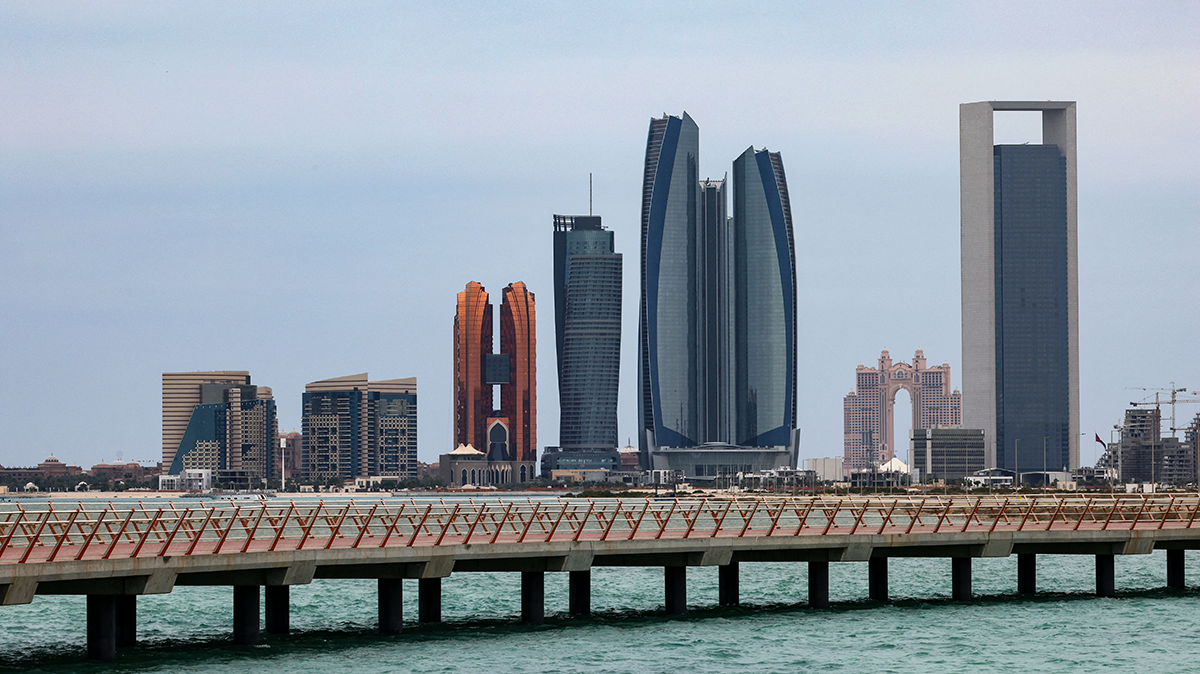
    Gerald Feierstein, Afshin Molavi, and Courtney Freer discuss the state of the United Arab Emirates as the country celebrates its 50th anniversary, including its history, economic development, and domestic and regional policy objectives.

    December 7, 2021

    A stranger among us: Iran's tightening grip on religious minorities
    Photo by ATTA KENARE/AFP via Getty Images
  • Analysis
  • A stranger among us: Iran's tightening grip on religious minorities

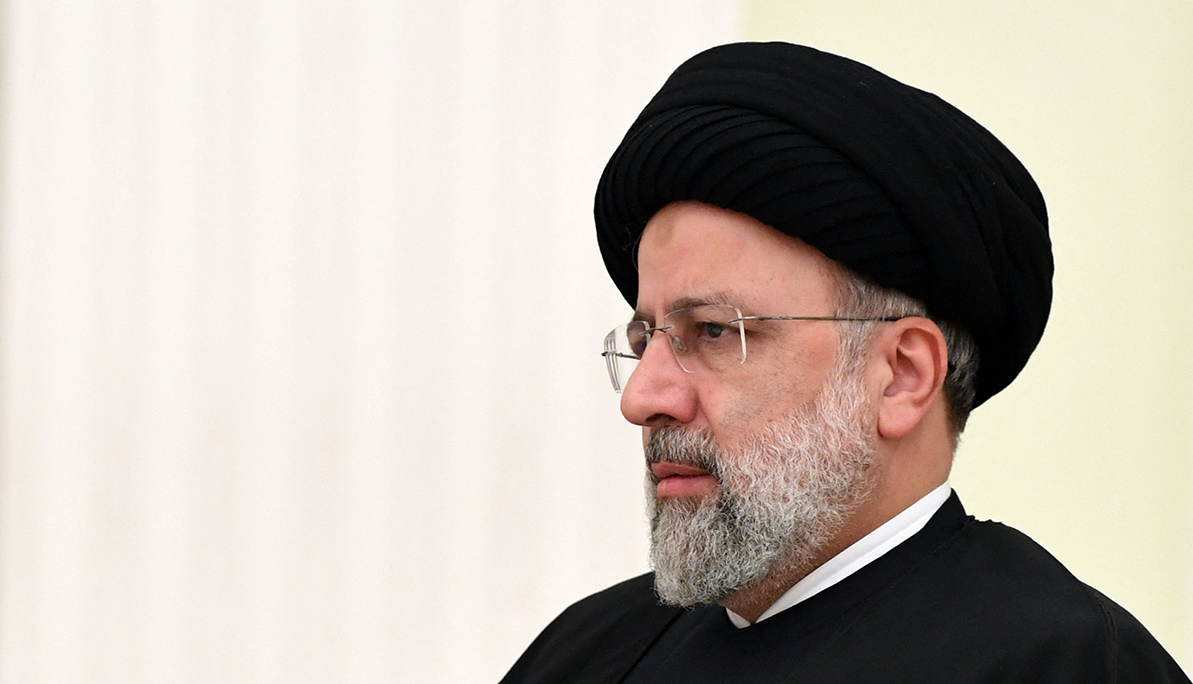
    For thousands of years, Iran has stood out as a culture that prized diversity and a place where religious minorities have flourished as independent communities. The Islamic Republic now seeks to change that, however, by implanting its own leaders inside different faith groups to protect and advance its interests.

    December 7, 2021

    Diplomacy Is the Key to Reducing US Forces in the Mideast
    Photo by U.S. ARMY NATIONAL GUARD / SGT. KYLE BURKS
  • Commentary
  • Diplomacy Is the Key to Reducing US Forces in the Mideast

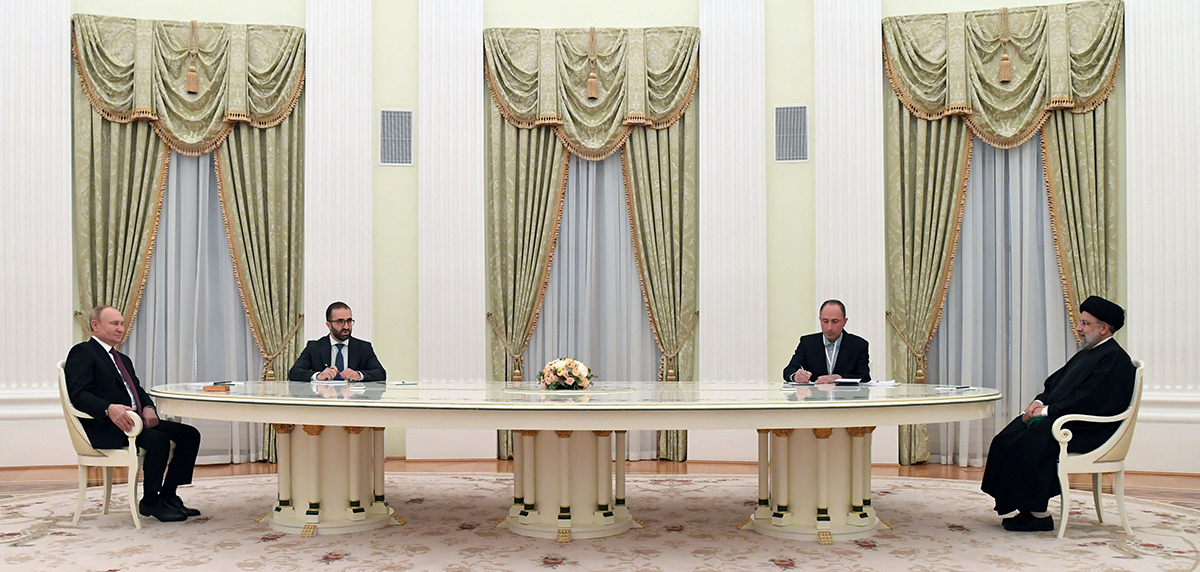
    U.S. military posture is a perfect example of the interdependence between defense strategy and foreign policy. Defense professionals in the Pentagon can come up with the best ideas for where and how the United States should station its troops and military assets overseas, but without the necessary U.S. diplomacy to secure security agreements or understandings with global allies and partners, those concepts will not be implementable.

    December 6, 2021

    Khamenei’s concerns over the future of the Iranian clergy (Part 2)
    Photo by Fatemeh Bahrami/Anadolu Agency via Getty Images
  • Analysis
  • Khamenei’s concerns over the future of the Iranian clergy (Part 2)

    In recent years, numerous analyses have been published on the increasing influence of the IRGC within the Iranian regime. Nevertheless, the rise in the power of the military should not overshadow the fact that in the Islamic Republic, not only the paramount position of supreme leader, but also many other key roles are held exclusively by clerics. Moreover, many of these clerics, including the highest-ranking ones, must be appointed by the supreme leader. This system was designed to ensure the loyalty of key officials, but over time has given rise to growing concerns over the reliability of the next generation of clerics and the transfer of power.

    December 6, 2021