This individual is a guest contributor. MEI is not able to assist with contact requests.
Shahmahmood Miakhel is the Country Director in Afghanistan for the US Institute of Peace (USIP). Prior to that he was a Governance Advisor for the United Nations Assistance Mission in Afghanistan (UNAMA), and, from 2003–2005, a Deputy Minister of the Interior in the Government of Afghanistan. In 1994–1995 he worked for the United Nations Development Programme (UNDP) and United Nations Office for Project Services (UNOPS) in South and Southeast Afghanistan helping to establish District Rehabilitation Shuras (DRS). He also worked as a reporter for the Pashto service of the Voice of America from 1985–1990.
Although foresight on the Middle East and North Africa (MENA) is having a heyday today, this was far from always the case. A survey shows that in the early 2000s, a mere 14 foresight studies on the region came out — more than half of which were undertaken in the United States, and a quarter in Europe.
The world is changing and priorities are changing with it. The 2020 global pandemic has reshaped our evaluation of risks and rewards. The capacity of governments to manage crises and safeguard the well-being of populations has become the new metric by which citizens measure their success. The potential for global phenomena outside the management capacity of any governing institution to produce political and economic upheaval has become a reality.
The Future of Regional and International Dynamics in the Middle East
Amid the troubling imagery of a Taliban victory in Afghanistan, teetering governments in Lebanon and Iraq, and ongoing civil wars in Syria, Yemen, and Libya, it is hard to defend the view that the future of the Middle East will be better than the present. Pessimism about the region’s future has become accepted as a truism among those of us who observe and analyze this troubled part of the world. But pessimistic projections that the region will remain mired in its current state of turmoil cloud our ability to properly analyze the future as much as, or even more than, naïve and gratuitous optimism.
Biden’s White House meeting with the Ecumenical Patriarch offers a unique opportunity
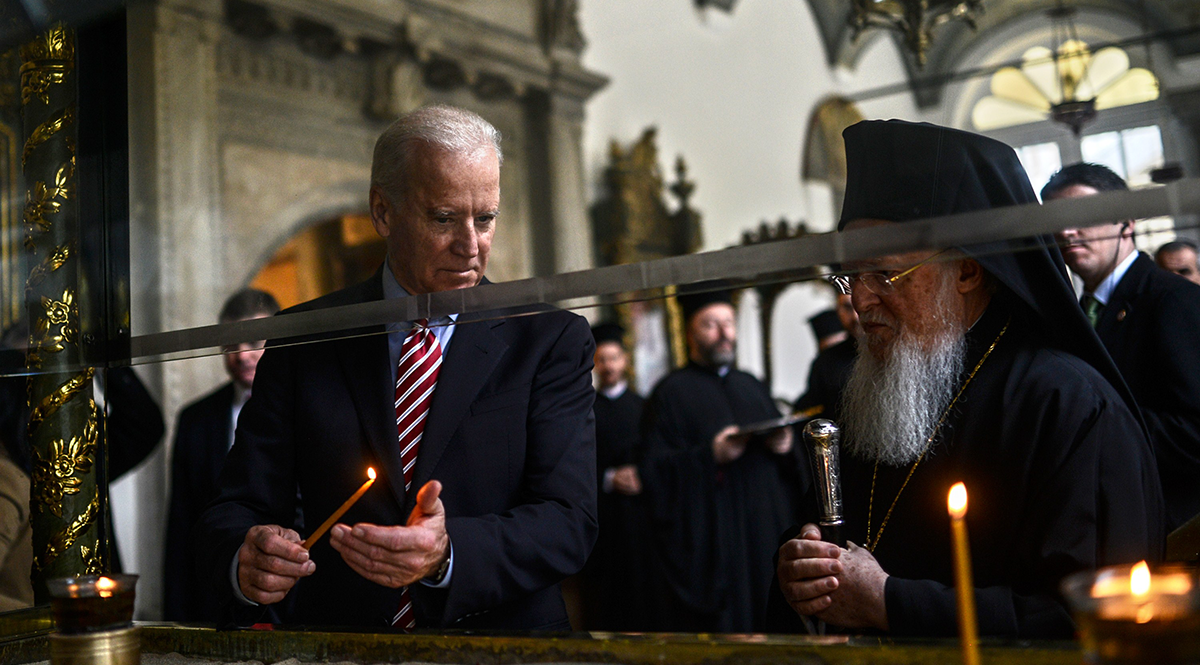
Bartholomew I, the Ecumenical Patriarch of Constantinople and spiritual leader of nearly 300 million Orthodox Christians globally, will visit the United States between Oct. 23 and Nov. 3. He will inaugurate the centennial celebration of the founding of the Greek-Orthodox Archdiocese of America in his first U.S. visit in 12 years. The Ecumenical Patriarch’s first stop will be Washington, DC, where he is due to meet with President Joe Biden at the White House. This in-person meeting provides the Biden administration a unique opportunity not only to raise human rights and religious freedom issues in Turkey but also to push back against Russian attempts to undermine the Ecumenical Patriarchate, which the Kremlin sees as a threat and targets with disinformation campaigns.
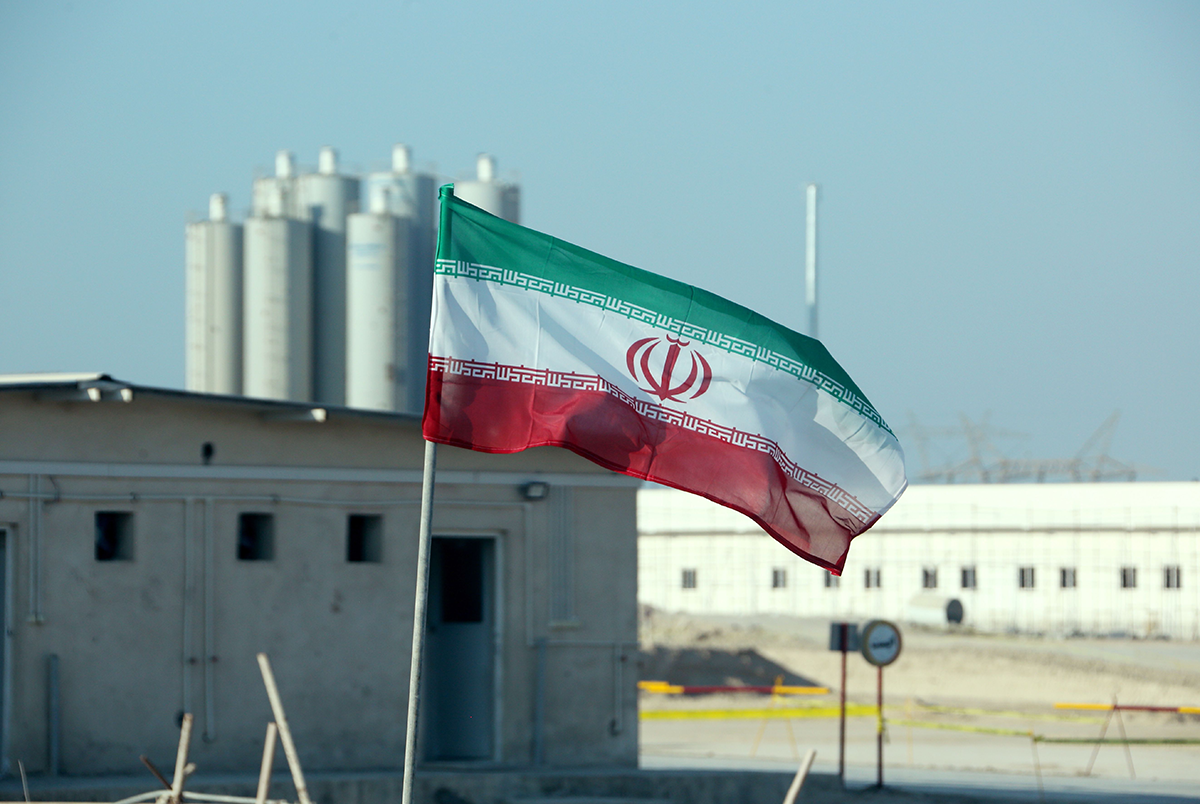
The government of President Ebrahim Raisi has been in place since early August and yet Tehran is still unsure about when and how it should resume the nuclear talks with world powers in Vienna.
What do hardliner women make of Iran’s new government?
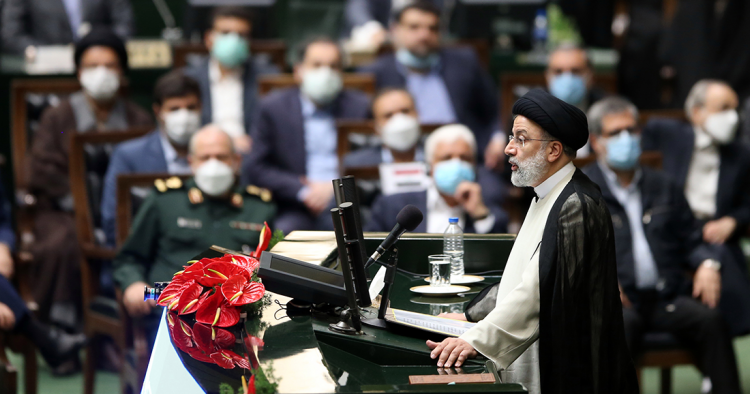
Women in higher positions within the Iranian state who are loyal to the system of the Islamic Republic and Supreme Leader Ayatollah Ali Khamenei’s leadership are dissatisfied with the new government under President Ebrahim Raisi, and especially with its composition. They had expressed their hopes that with women accounting for half of Iran’s population, they could be responsible for at least one of the ministries in the cabinet. Instead, Raisi’s government, approved by parliament at the end of August, is made up of conservatives and includes not a single woman. What impact is that likely to have on support among women who back the system? Will these women fight for greater political participation within the government or become disillusioned with it? And what consequences might that have for the Iranian state in the longer run?
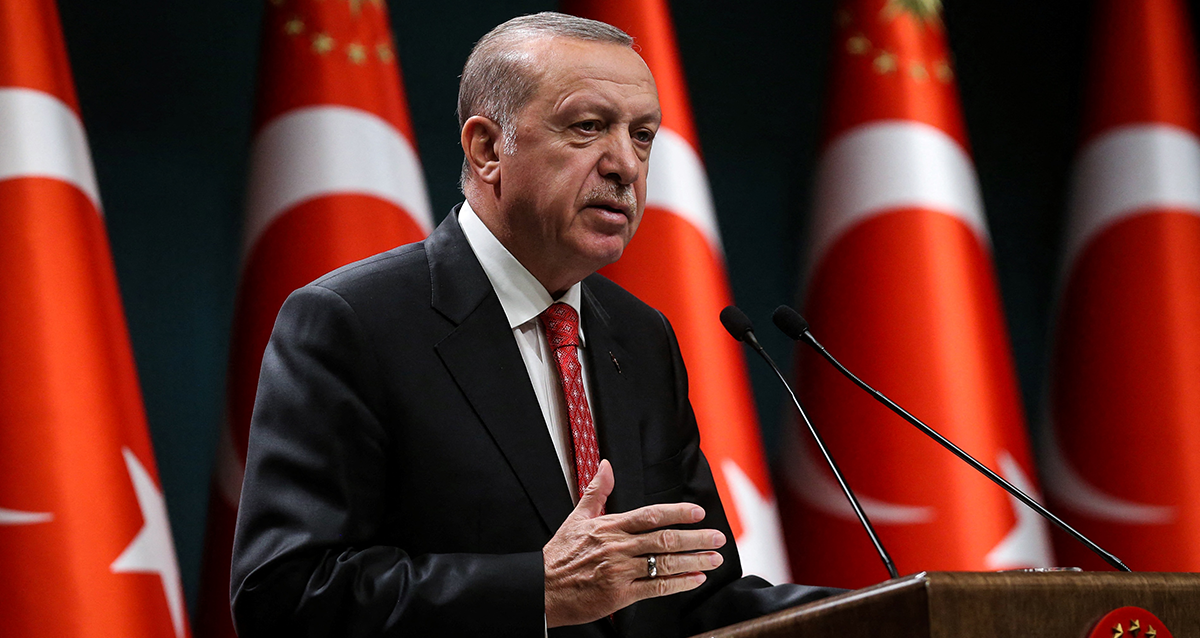
The perils of personalizing power: Erdoğan’s one-man rule has made him increasingly vulnerable
Turkish President Recep Tayyip Erdoğan long believed that establishing one-man rule would end all his headaches. Instead, the system he created has only caused him more trouble. So great is Erdoğan’s remorse that he is now said to be thinking of amending the executive presidency to strengthen the role of parliament.
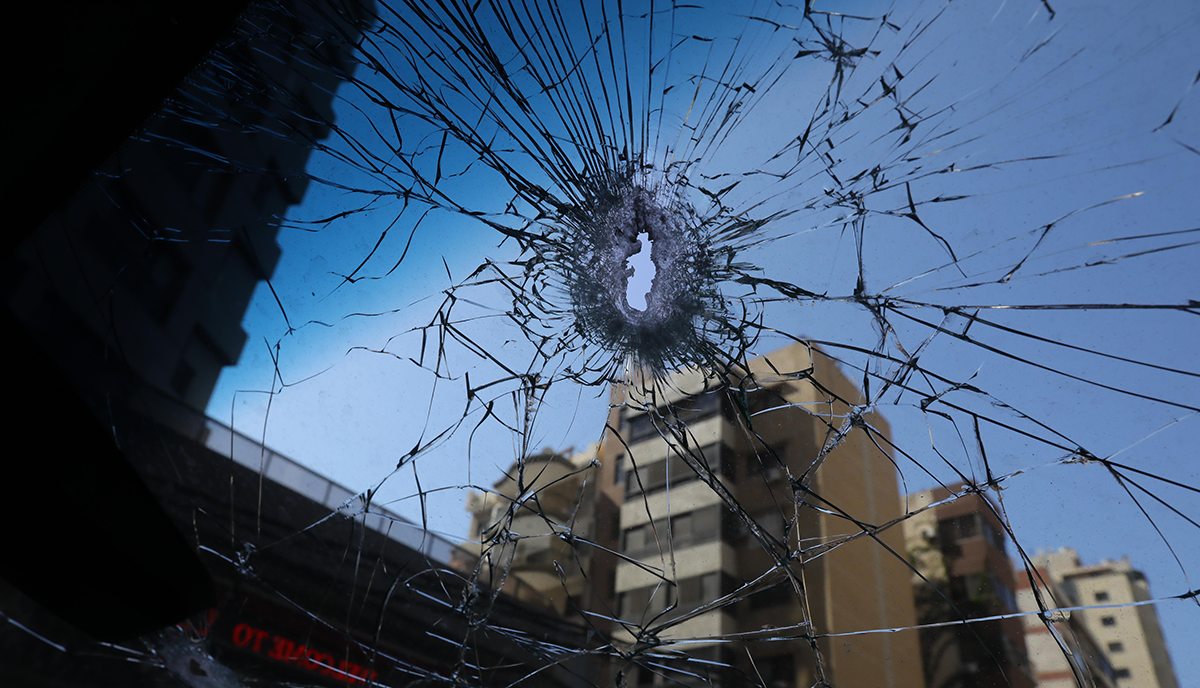
Memories of the Lebanese civil war resurfaced this week as images appeared of children hiding in hallways and behind cars while deadly sectarian clashes unfolded outside their schools in Beirut’s Tayouneh neighborhood. Protests organized by Hezbollah and the Amal Movement to demand the removal of the judge investigating the August 2020 Beirut port blast quickly went south when as yet unidentified snipers opened fire on the crowds, eventually killing seven and wounding dozens. The “peaceful” protesters seemingly retaliated with gunfire and rocket-propelled grenades. The two sides turned Tayouneh and its surrounding areas into a war zone, terrorizing citizens and destroying property at a time of unprecedented socio-economic hardship.
أرسل الشباب العراقي رسالة حازمة في الانتخابات، وأعطت المقاعد العشرة جرعة من الأمل لحركة تشرين رغم تركيز عناوين الأخبار على المالكي والصدر. يستعرض إبراهيم الأصيل رأياً لحفصة حلاوة حول الانتخابات العراقية ونتائجها.