Ross Harrison is a senior fellow and book series editor at the Middle East Institute (MEI). He is also a faculty member in the Political Science Department at the University of Pittsburgh, where he teaches courses on Middle East politics and US foreign policy in the Middle East. From 2004 to 2020, he was the Professor in the Practice of International Affairs at Georgetown University’s Walsh School of Foreign Service.
He has been quoted in the New York Times and interviewed during the 2025 and 2026 Iran wars by Al Jazeera, BBC, NPR, NBC News among other outlets. In 2026 he traveled to Doha to work with Al Jazeera English on its coverage of the war and Iran.
Iran’s Strategic Thinking: Lessons Learned and What Comes Next
The major wars Iran fights become the prism through which its leaders interpret future threats and opportunities. For four decades, Iranian foreign policy has reflected lessons learned from the Iran-Iraq war of 1980-88. Similarly, the US-Israeli wars of 2025 and 2026 will shape how Tehran thinks about deterrence, diplomacy, regional relationships, and the use of military power.
Wars don’t just end. They get interpreted, reinterpreted, and turned into strategic doctrine. That is what happened after the Iran-Iraq War of the 1980s, a conflict that saw the United States back Tehran’s Iraqi adversaries. The war taught Tehran three lessons it never unlearned: that Washington wants the Islamic Republic gone, that Iran stands essentially alone in the world, and that it cannot survive a direct, overt fight with the U.S. and Israel.
Two’s a Crowd: The Strategy of Forward Defense in the Middle East
The Middle East is in a state of suspended animation, neither plunged into total war nor buoyed by enduring peace. Within this uneasy equilibrium, all await the next moves by the protagonists—the United States, Israel, and Iran—as the dust settles on the 12-Day War of June 2025, in which they all took part. Also waiting are Syria and Lebanon, where Iran’s fading footprint could presage a more viable future.
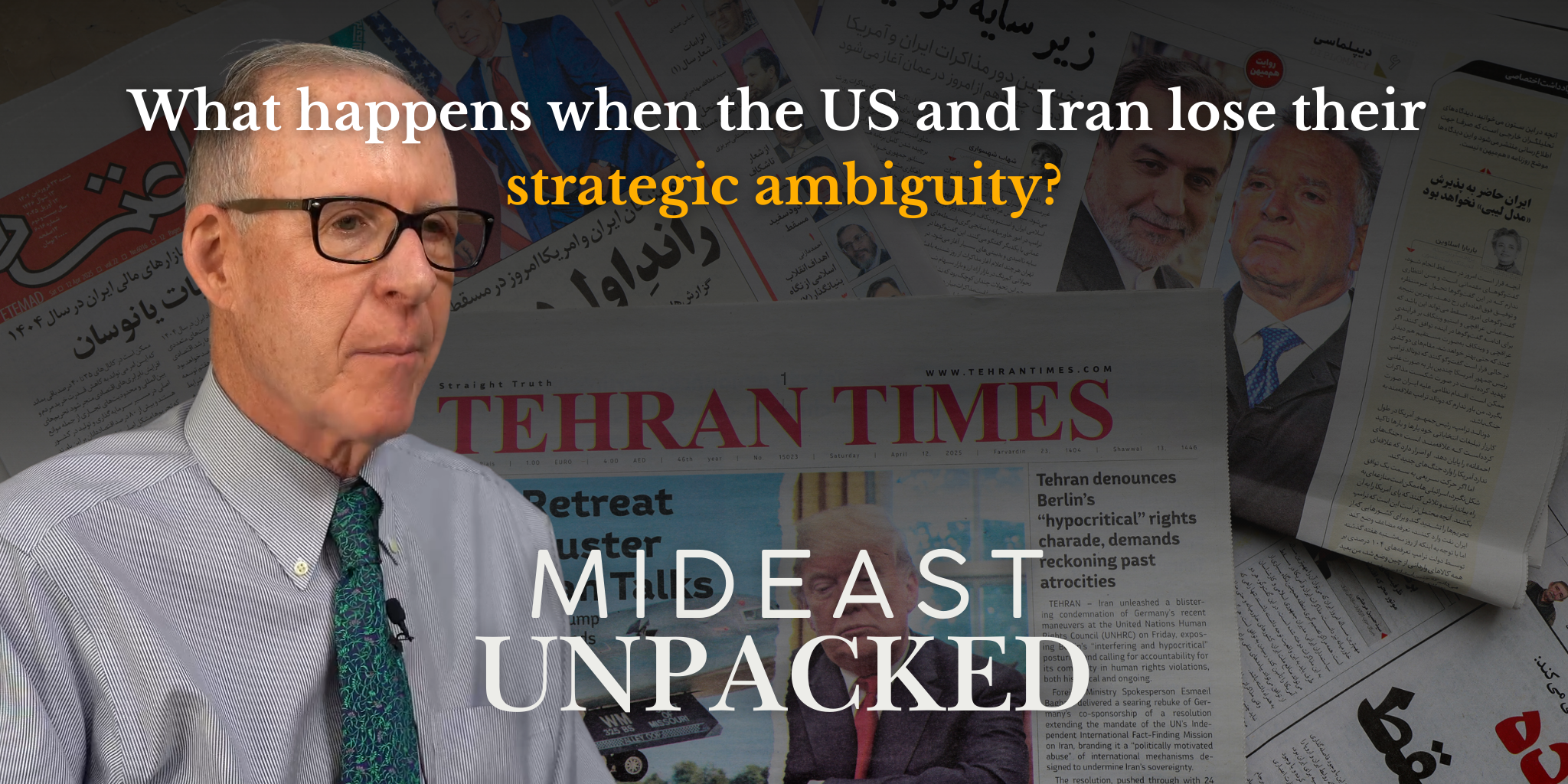
What happens when the US and Iran lose their strategic ambiguity?
MEI Senior Fellow Ross Harrison breaks down how this foreign policy approach can help mitigate conflict—and how both Washington and Tehran may have undermined their own ambiguity during the recent 12-day war, with potentially lasting consequences for regional stability.
The US enters Israel’s war with Iran — MEI experts react
The United States struck three nuclear facilities in Iran on the evening of June 21, in the midst of the ongoing Israel-Iran conflict. MEI scholars provide real-time analysis to help make sense of what this escalation means and what might come next.
This week, US President Donald Trump makes his inaugural visit to the Middle East since the start of his second term, traveling to Saudi Arabia, Qatar, and the United Arab Emirates on May 13-16. Amid the heightened focus on US policy toward the Middle East, MEI’s experts take stock of Trump’s trip to the Gulf, how his administration has shaped its approach to the wider region in its first several months, and how regional actors are responding to the policies coming out of Washington.
Thinking the unthinkable: Improved US-Iran relations under Trump?
It is no surprise that both Iran and the United States have approached their first diplomatic engagement in four years with wariness. There are plenty of reasons to be skeptical about the probability of the negotiations culminating in a deal. But it would be a mistake to assume that the conditions in 2025 are the same as existed in 2015. Time is not on the Iranians’ side now and changes afoot in the Middle East and the broader global community give Iran an incentive to move toward an agreement, assuming that Washington is sincere and realistic in its negotiations with Tehran.
Expert Views: How should we navigate the new rules of the game in the Israel-Iran conflict?
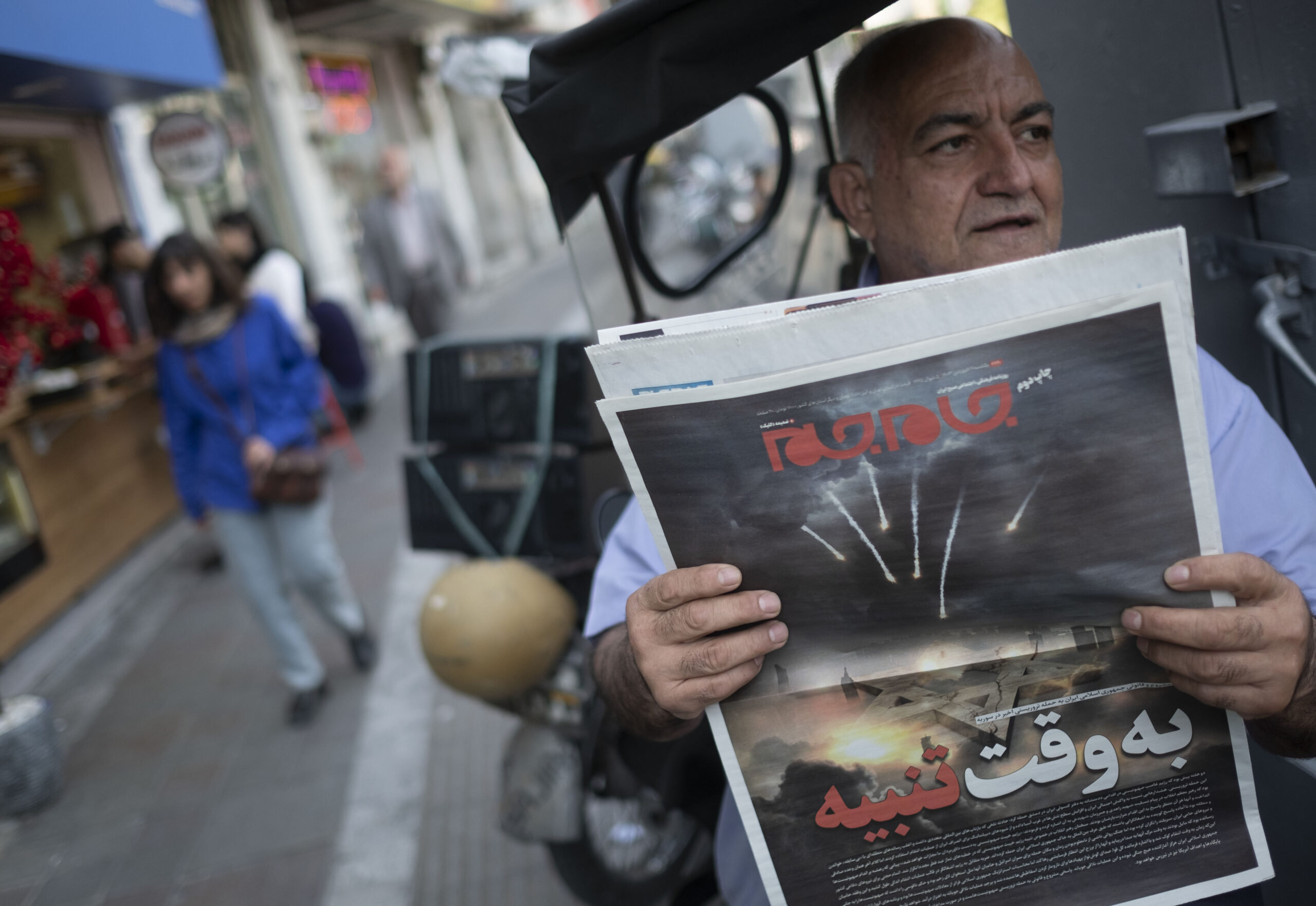
The month of April saw a series of unprecedented escalations in the long-simmering Iranian-Israeli conflict, with both countries launching missile and drone attacks against the other’s territory for the first time in history.
In the wake of these strikes, what will be the impact on the regional security and political environment going forward, what is needed to stabilize the new rules of the game, and how can US diplomacy help to facilitate that process? MEI has asked its experts to weigh in.
After the Gaza War: The Risks of Deterrence and the Chances of Peace
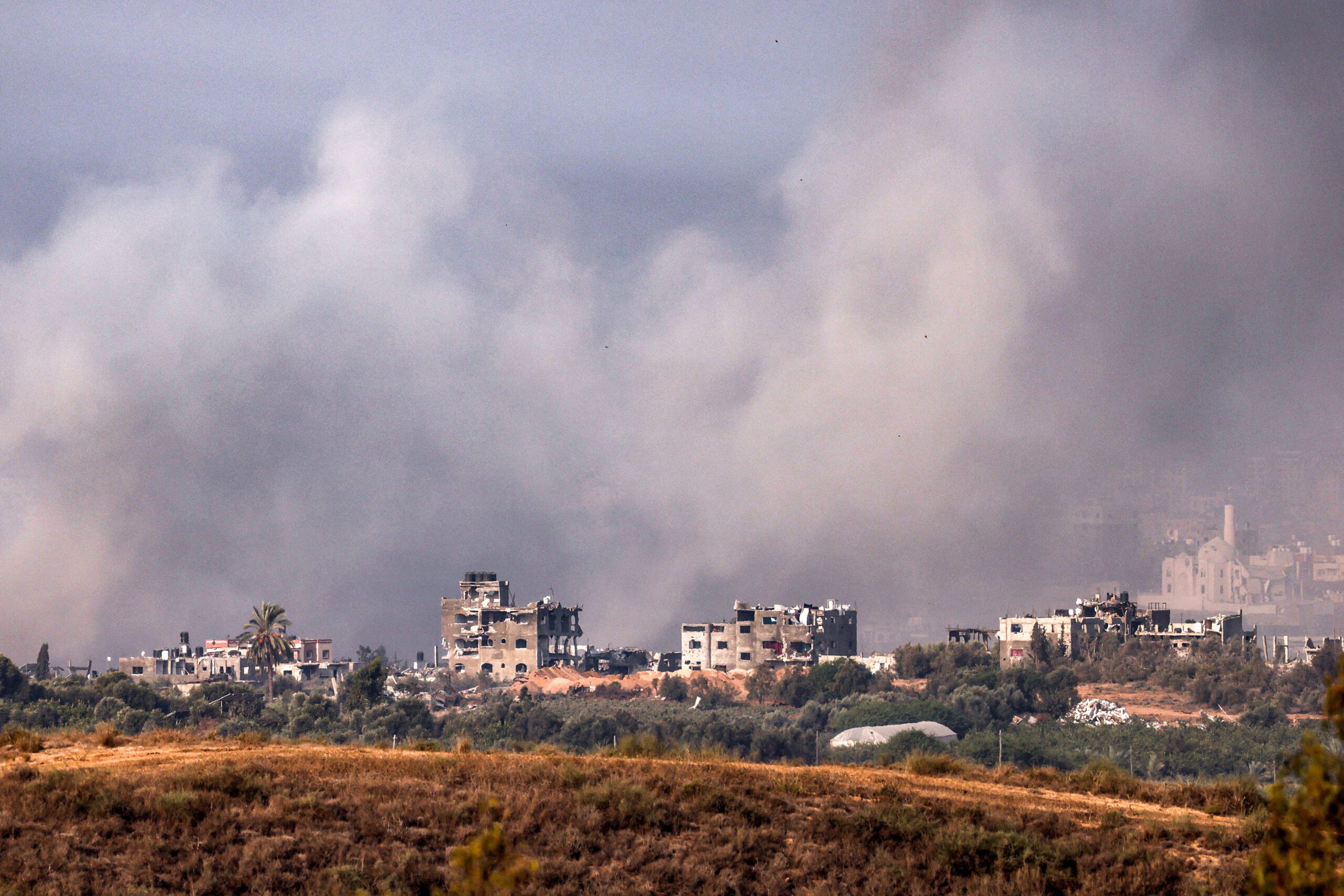
Policymakers in the United States, Europe, and the Middle East are rightly focused on where the current crisis in Gaza is headed. The humanitarian disaster hovering over the region since Hamas’ October 7 attacks on Israel has resulted in countless lives lost and now threatens regional and global security. Among many of the issues occupying policymakers is the concern that new fronts in the war will open, potentially involving the West Bank, Hezbollah, the Houthis, and even Iran.
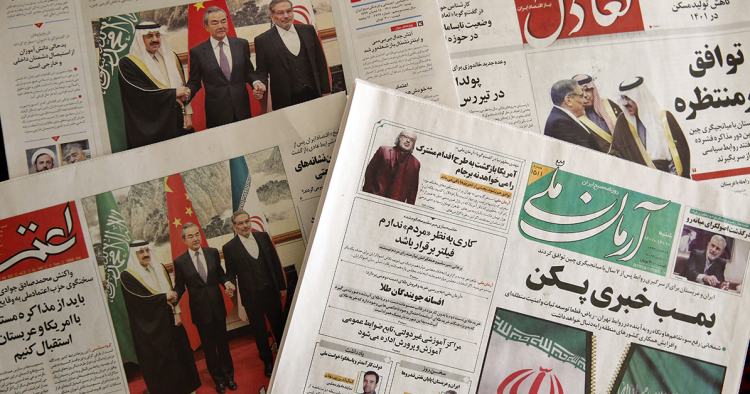
Several foreign ministers gathered in an Asian capital to negotiate an end to regional turmoil. One of the countries represented at the meeting brokered an agreement to end hostilities between the others.