Ross Harrison is a senior fellow and book series editor at the Middle East Institute (MEI). He is also a faculty member in the Political Science Department at the University of Pittsburgh, where he teaches courses on Middle East politics and US foreign policy in the Middle East. From 2004 to 2020, he was the Professor in the Practice of International Affairs at Georgetown University’s Walsh School of Foreign Service.
He has published extensively on Middle Eastern regional dynamics in leading journals such as Foreign Affairs, Foreign Policy, and The National Interest. Harrison is the author of Strategic Thinking in 3D: A Guide for National Security, Foreign Policy and Business Professionals (Potomac Books, 2013), as well as the co-editor of From Chaos to Cooperation: Toward Regional Order in the Middle East (Middle East Institute, 2017) and Escaping the Conflict Trap: Toward Ending Civil Wars in the Middle East (IB Tauris/Bloomsbury, 2023). Most recently, Harrison published Decoding Iran’s Foreign Policy: Strategic Interests, Power and Influence (Bloomsbury 2025) outlining the strategic thinking behind Iran’s foreign policy. For this book, Harrison met with two Iranian Presidents, four Foreign Ministers, Prime Ministers from neighboring countries, and dozens of lower level officials in Iran and the broader region.
He has been quoted in the New York Times and interviewed during the 2025 and 2026 Iran wars by Al Jazeera, BBC, NPR, NBC News among other outlets. In 2026 he traveled to Doha to work with Al Jazeera English on its coverage of the war and Iran.
The Latest from Ross Harrison
The Future of Regional and International Dynamics in the Middle East
Amid the troubling imagery of a Taliban victory in Afghanistan, teetering governments in Lebanon and Iraq, and ongoing civil wars in Syria, Yemen, and Libya, it is hard to defend the view that the future of the Middle East will be better than the present. Pessimism about the region’s future has become accepted as a truism among those of us who observe and analyze this troubled part of the world. But pessimistic projections that the region will remain mired in its current state of turmoil cloud our ability to properly analyze the future as much as, or even more than, naïve and gratuitous optimism.

Thinking MENA Futures: The Next Five Years and Beyond
The Middle East and North Africa (MENA), for a variety of reasons, are unrivaled in their need for bold, creative thinking about their future. But that is precisely why creative thinking about the future of the region — why strategic foresight — is essential. Produced in conjunction with MEI’s Strategic Foresight Initiative, Thinking MENA Futures aims to map out some of the possible futures for the region, as envisioned by thoughtful innovators working today to realize them.
The Biden Administration and the Middle East: Policy Recommendations for a Sustainable Way Forward
In a new policy briefing book, entitled The Biden Administration and the Middle East: Policy Recommendations for a Sustainable Way Forward, MEI scholars tackle a large number of country-specific and region-wide issue areas, laying out both the abiding U.S. interests and specific recommendations for Biden administration policies that can further U.S. interests amid a region in turmoil.
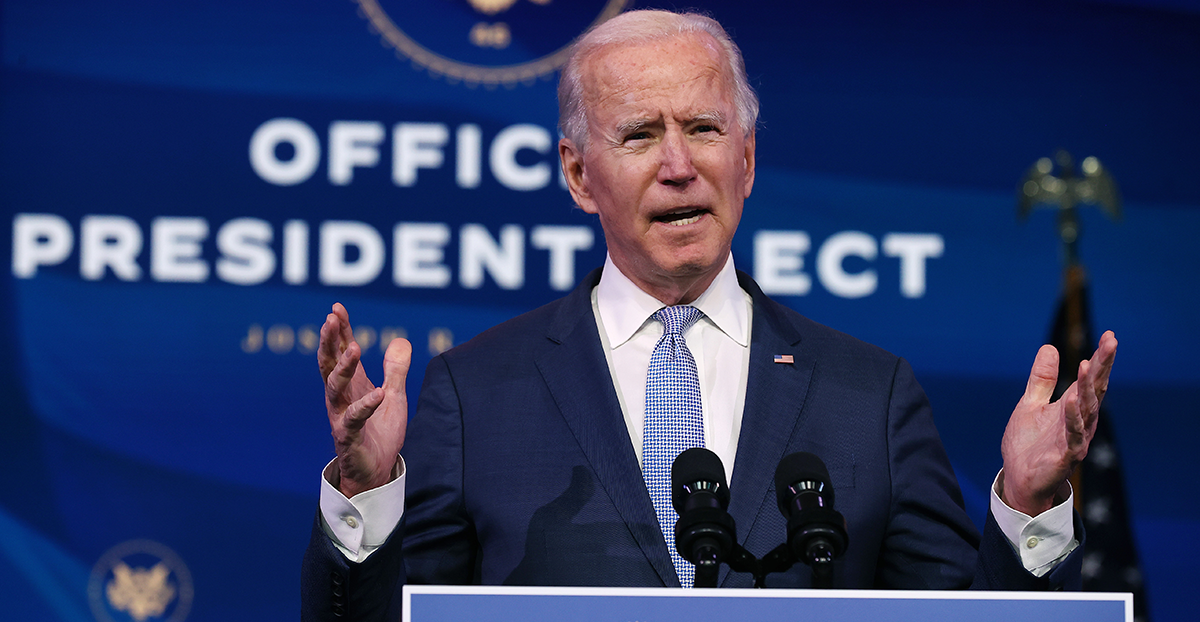
The Biden administration and the Middle East: Four-year policy goals
The Biden administration will face a number of major challenges in the Middle East over the next four years, from great power competition and climate change to cybersecurity and refugees and migration. But what realistically can it achieve in that time on the policy front? To better understand what’s possible, we asked 10 experts from across MEI to weigh in with their thoughts.
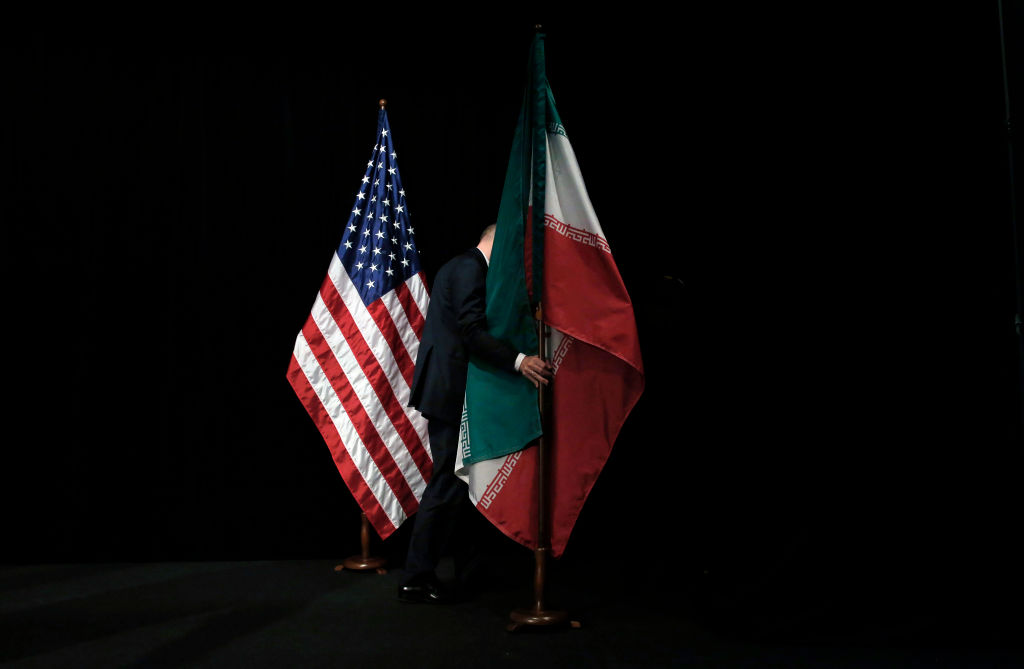
China’s plan to dominate the Middle East centers around Iran
The agreement with Iran could end up being the first major foray of many that gave Beijing a long reach into the Middle East at the expense of the United States, and even Russia.
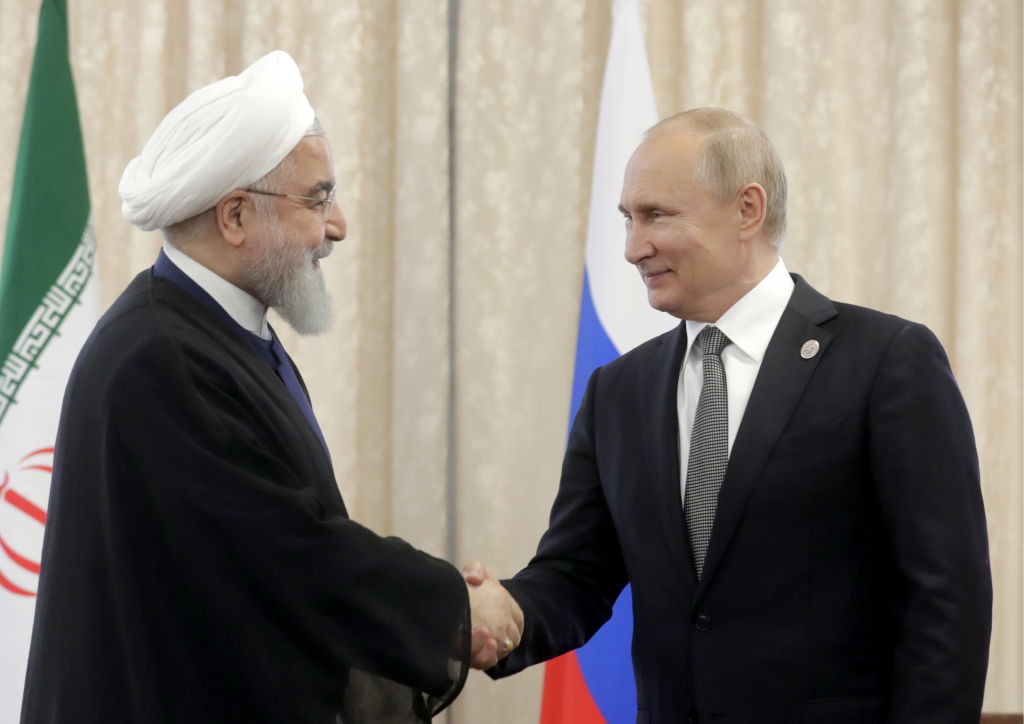
The Layers and Limits of Diplomacy With Iran
While the relationship between Iran and Saudi Arabia is important for de-escalating some tensions in the region, is not the decisive conflict involving Iran in the region.
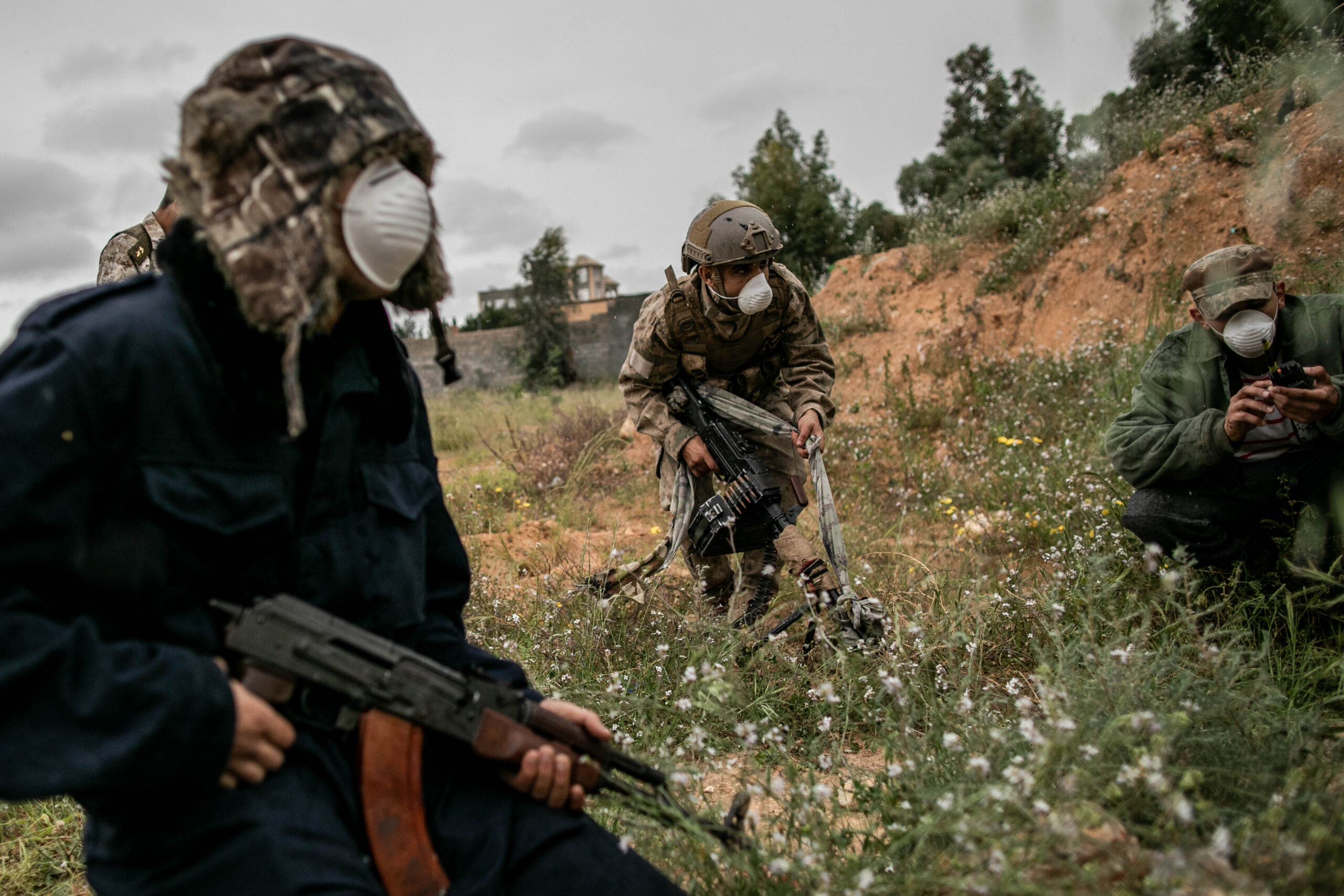
Middle East Conflict and COVID-19 – A View from 2025
Conflict and instability have been constant features of the Middle East for decades. Over the most recent decade, four civil wars and fraught relationships between the major regional powers have been pushing the region toward a potentially perilous political and economic future. We know that the COVID-19 crisis is disrupting the status quo on nearly everything, including regional conflict. What we do not know is how that disruption today might worsen — or improve — the trendlines of those conflicts as we head toward 2025. In this MEI Strategic Foresight Initiative paper we employ a scenario-based methodology to explore this question.
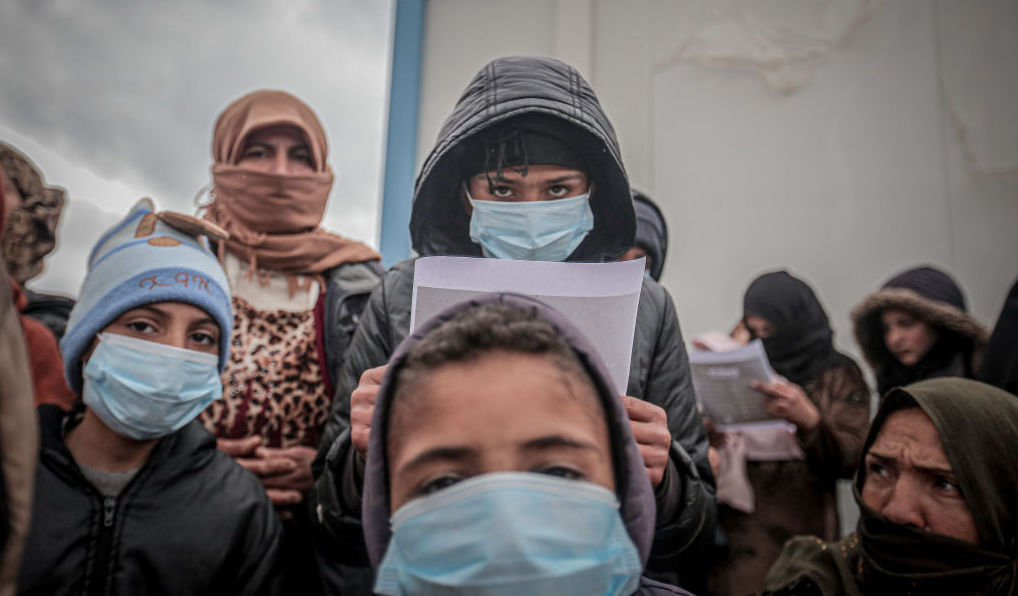
In Brief: Middle East Conflict and COVID-19 – A View from 2025
Our ongoing analysis in MEI’s Strategic Foresight Initiative examines scenarios built around different combinations of drivers of change related to the COVID-19 pandemic. We used the scenarios to analyze what conflict in the region could look like in 2025, as we believe that how these drivers change the dynamics of the Iran-Saudi Arabia rivalry and the civil wars could be a primary determinant of what the region is like in that timeframe and beyond. Our study posited differences in the health response of governments, the economic response from governments, and the social dynamics of populations to the COVID-19 crisis. Rather than consider them as independent forces of change, our foresight analysis focuses on the interaction between these drivers.
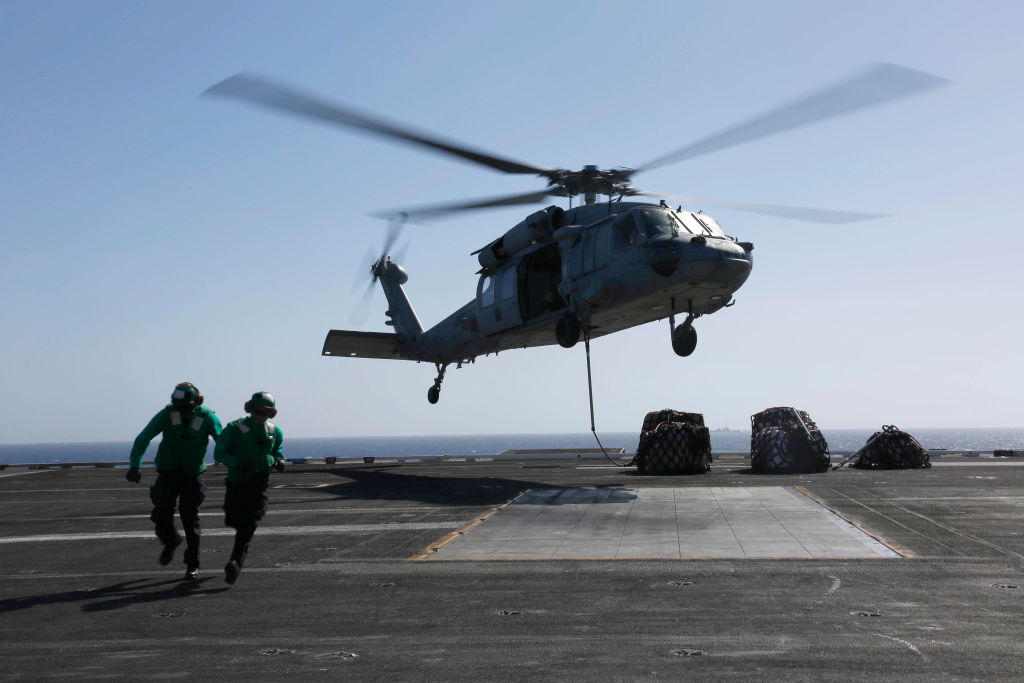
The U.S.-Iran showdown: Clashing strategic universes amid a changing region
The United States and Iran are poised for a showdown. Understanding where we are today with this conflict and where we are likely to go in the future requires that we look at the conflicting strategic doctrines between the United States and Iran against a backdrop of a shifting Middle East.
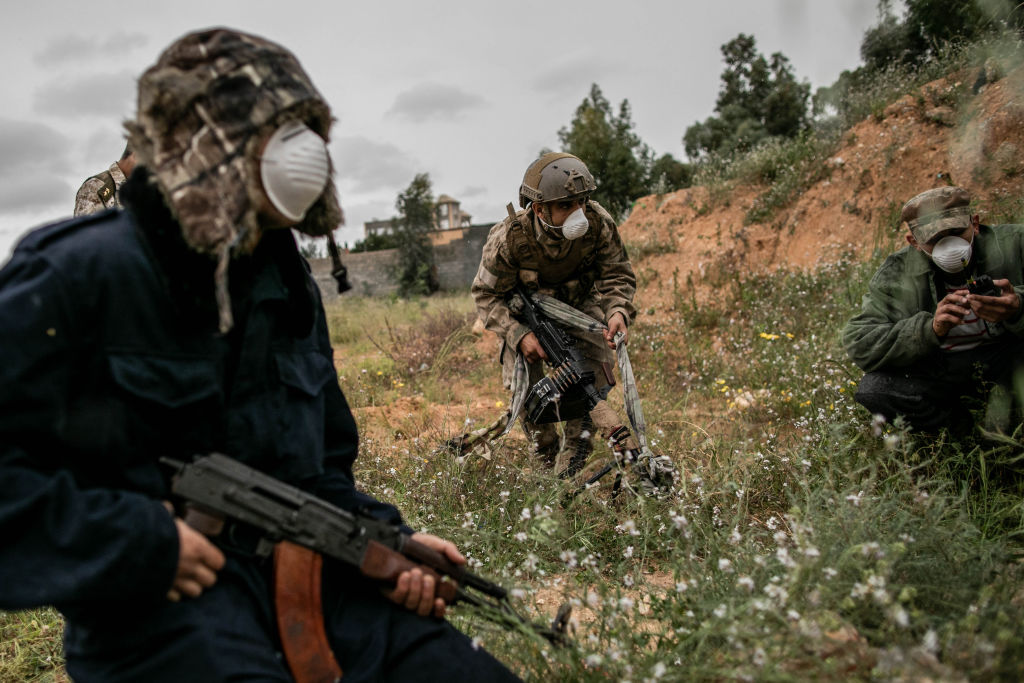
Coronavirus and the civil wars in the Middle East
Although press coverage may have shifted almost totally to the worsening global pandemic, the conflicts in Iraq, Syria, Yemen, and Libya are anything but frozen.
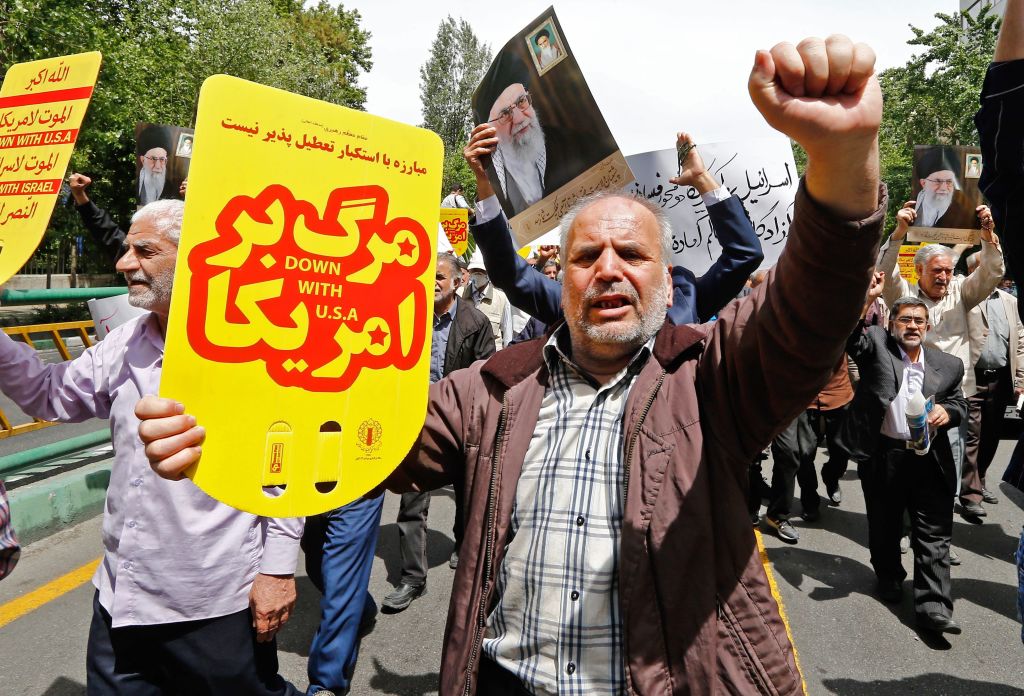
Iran and the United States Remain Mired in the Past
Iranians view the Trump administration as another iteration of American duplicity in seeking regime change.
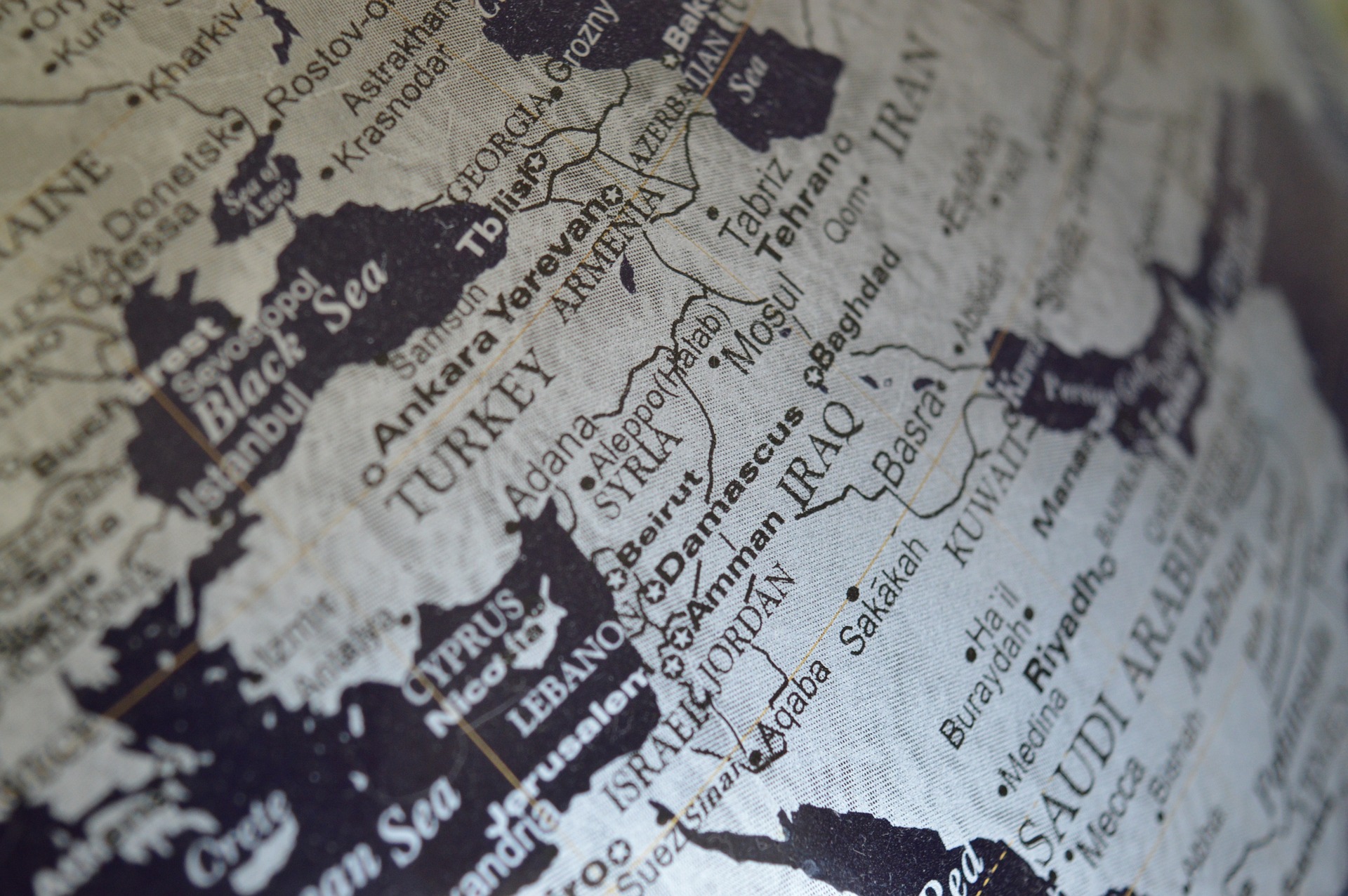
US foreign policy towards the Middle East: Pumping air into a punctured tire
Theorizing the future of the Arab Gulf states and the broader Middle East requires a proper assessment of the state of power distribution in the region. Is there a new balance of power emerging in the Middle East, or is the distribution of power heading in a more dangerous direction?
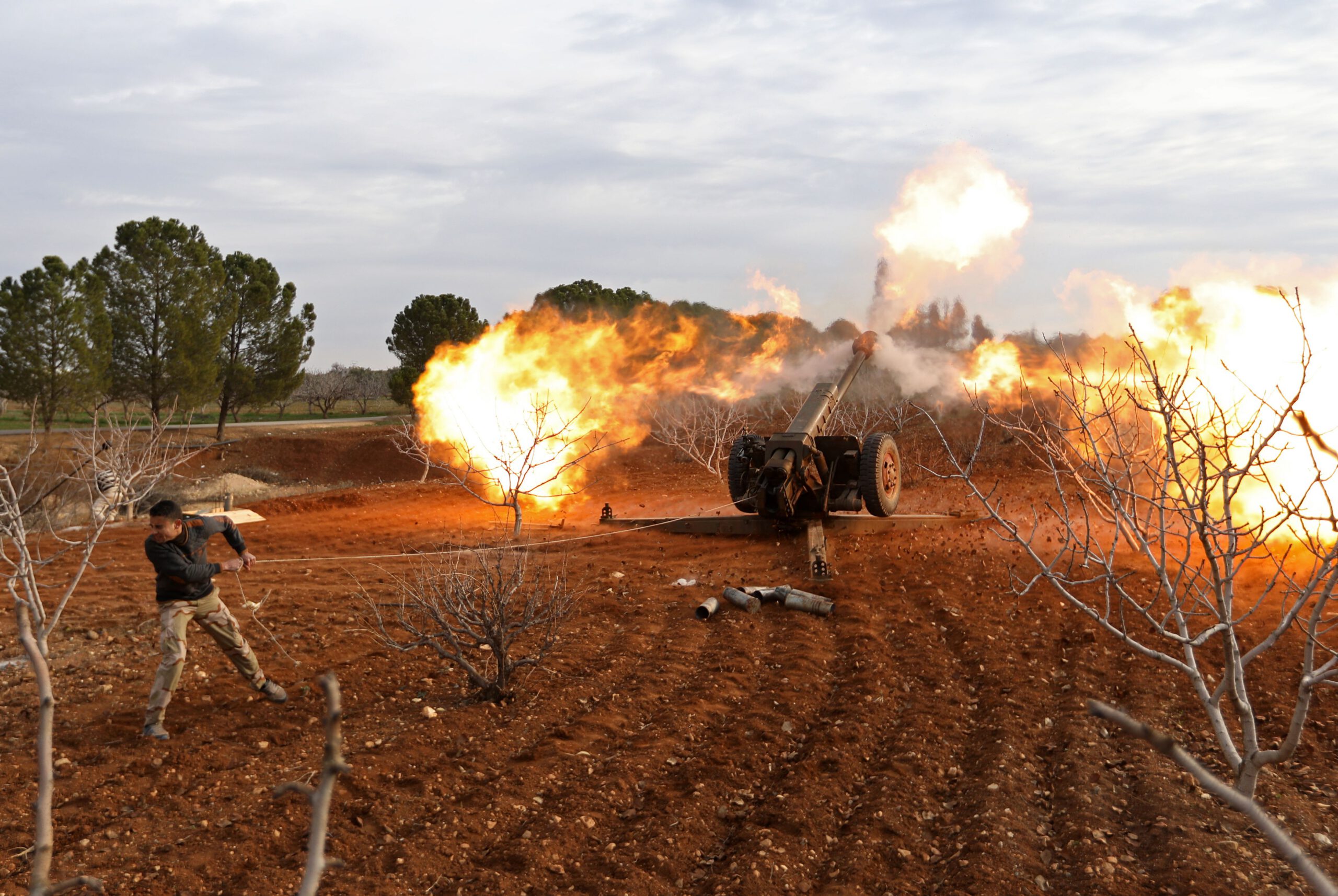
The Global and Regional Geopolitics of Civil War in the Middle East
Power dynamics between the major global and regional powers have indirectly influenced the civil wars currently plaguing the Middle East. The distribution of power caused by end of the Cold War facilitated the creation of two opposing camps that later competed for regional primacy in the civil wars of Iraq, Syria, and Yemen.
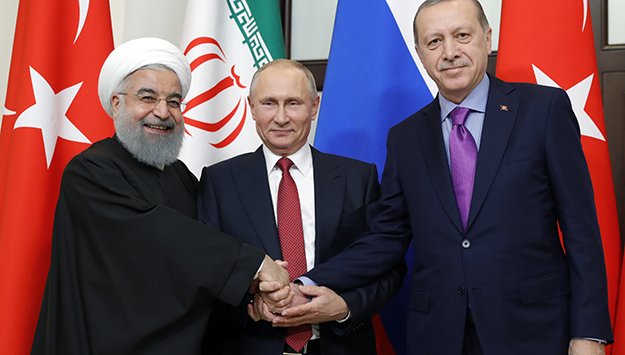
Shifts in the Middle East balance of power: An historical perspective
Read the full report on Al Jazeera Centre for Studies.
The Middle East has undergone several geopolitical transformations over the decades since World War II. While these in part were driven by political and economic realities indigenous to the region, the most profound changes have come about through the actions of outside actors, first by the Europeans and later by the United States and the Soviet Union.



