This individual is a guest contributor. MEI is not able to assist with contact requests.
Shahmahmood Miakhel is the Country Director in Afghanistan for the US Institute of Peace (USIP). Prior to that he was a Governance Advisor for the United Nations Assistance Mission in Afghanistan (UNAMA), and, from 2003–2005, a Deputy Minister of the Interior in the Government of Afghanistan. In 1994–1995 he worked for the United Nations Development Programme (UNDP) and United Nations Office for Project Services (UNOPS) in South and Southeast Afghanistan helping to establish District Rehabilitation Shuras (DRS). He also worked as a reporter for the Pashto service of the Voice of America from 1985–1990.
It's Now or Never: Lebanon Policy Conference Key Takeaways
Over the course of two weeks in May and June, the Middle East Institute hosted its inaugural Lebanon policy conference in collaboration with the American Task Force on Lebanon (ATFL) and LIFE. This series of events brought together leading diplomats, policymakers, economists, development practitioners, and think tank professionals from the U.S., Europe, the Middle East, and Lebanon to discuss the urgency and viable paths forward for the country’s political, financial, and humanitarian crises.
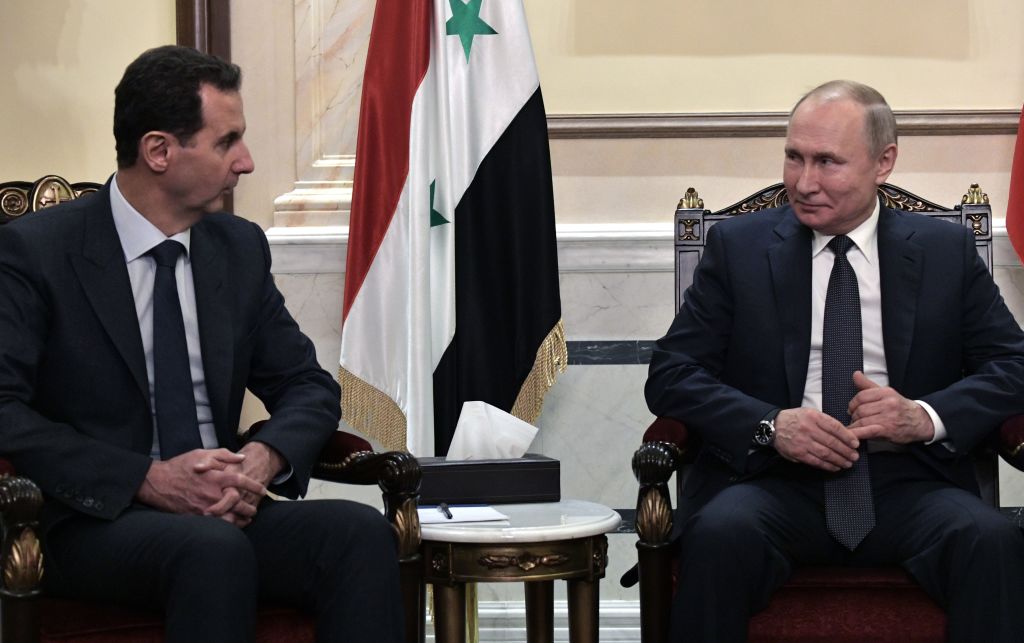
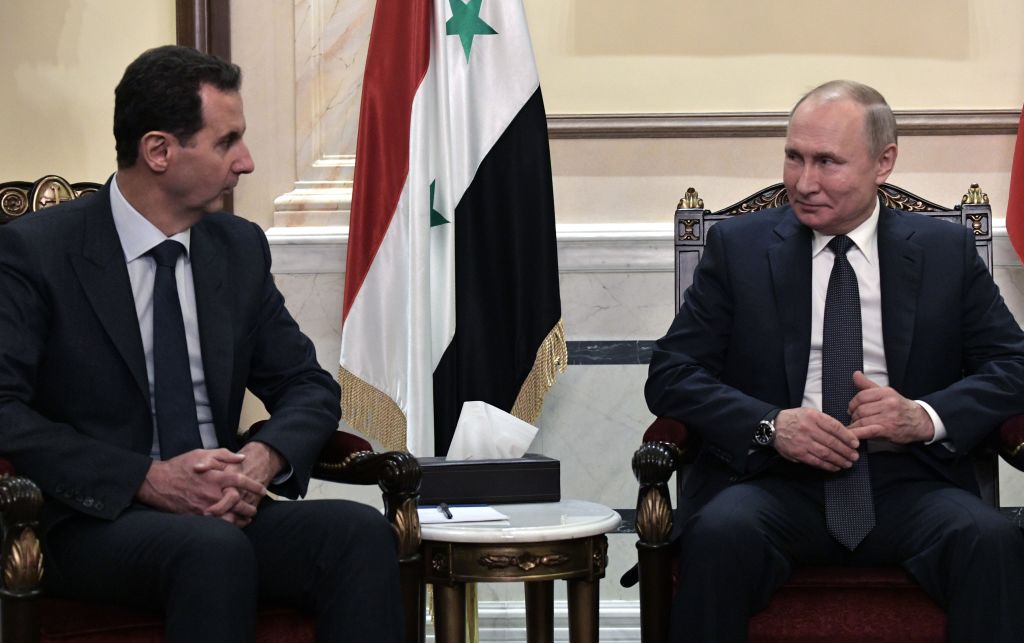
تضغط الدول الغربية وبعض دول الخليج وتركيا وبدرجة أقل حتى واحدة من مؤيديه الرئيسيين، روسيا، على رئيس الدولة السوري بشار الأسد ليكون أكثر مرونة بشأن قبول تسوية سياسية للصراع السوري. لكن الأسد رفض التزحزح شبرًا واحدًا.
في الوقت الحالي، تريد معظم الدول المعارضة للنظام السوري من الأسد قبول قرار الأمم المتحدة رقم 2254، الصادر في عام 2015، والذي يدعو، من بين أمور أخرى، إلى انتخابات نزيهة ودستور وحكم ذي مصداقية يتسم بالشمول واللاطائفية.
لفهم سبب عدم تراجع الأسد، عليك أن تفكر في الخيارات التي يواجهها.
حلقة 33: آراء (14) محادثات سعودية-إيرانية في العراق
في هذه الحلقة من ‘آراء من واشنطن’، يستعرض إبراهيم الأصيل رأي لأليكس فاتانكا حول المحادثات السعودية-الإيرانية في العراق واحتمال تحسّن العلاقات بين البلدين، وكيف تنظر كل من الدولتين للصراع في اليمن.
يحتفل معهد الشرق الأوسط بذكرى تأسيسه الـ 75 هذا العام، ويناقش إبراهيم الأصيل مع رئيس المعهد د. بول سالم تاريخ المعهد وبرامجه بالإضافة إلى نظرة عامة على تاريخ مراكز الأبحاث في الولايات المتحدة وواقعها في واشنطن وفي الشرق الأوسط. — Ibrahim Al-Assil Paul Salem
حلقة 36: آراء (16) – أسباب تجدّد المواجهات في القدس وغزة
واقع الفلسطينيين في القدس الشرقية وغزة وأسباب تجدّد المواجهات بشكل دوري مع إسرائيل هو موضوع هذه الحلقة من ‘آراء من واشنطن’، ويستعرض فيها إبراهيم الأصيل رأياً لخالد الجندي. هل تتفقوا مع خالد؟ — Ibrahim Al-Assil Khaled Elgindy
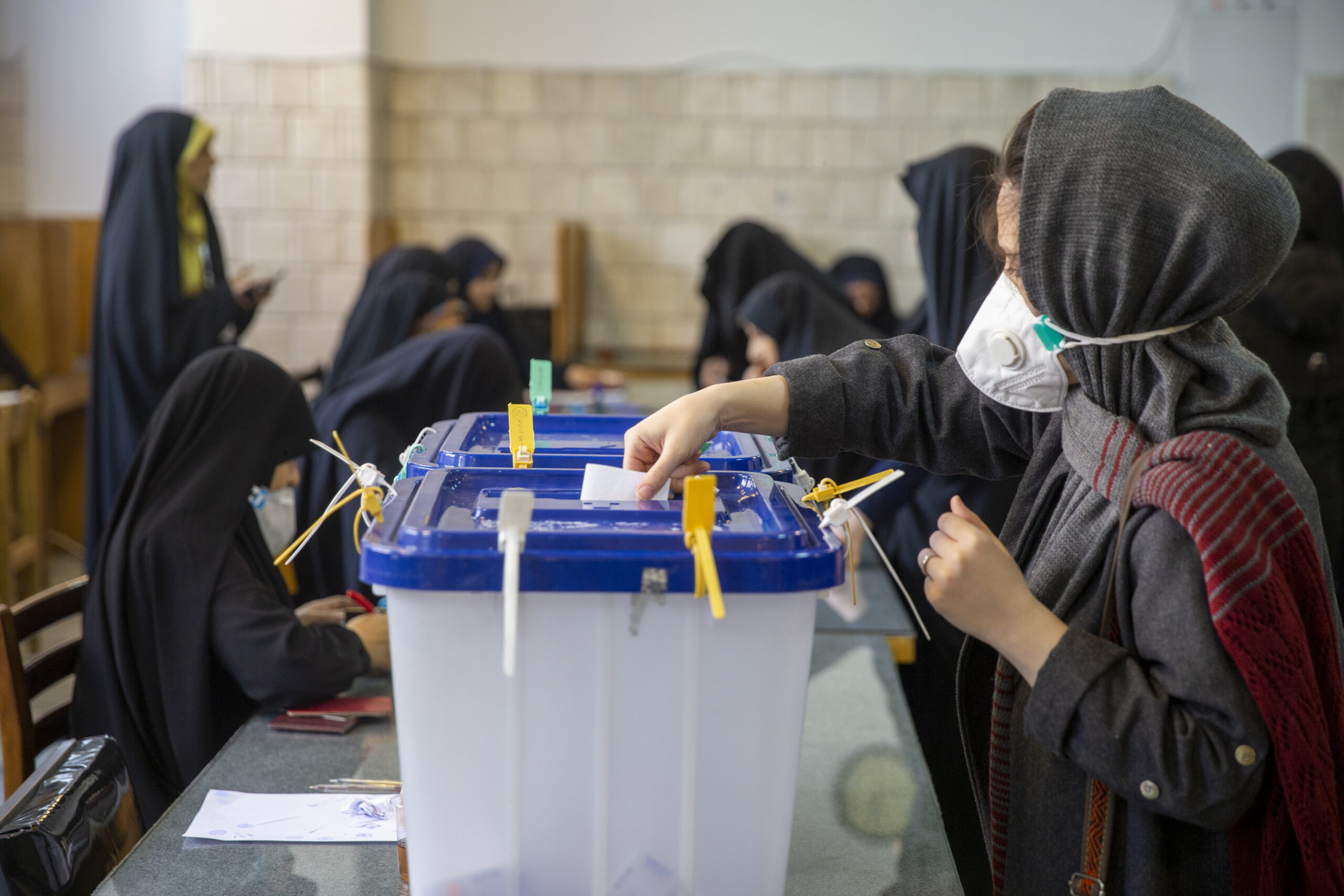
حلقة 37: آراء (17) – انتخابات الرئاسة وسيطرة المتشدّدين في إيران
انتخابات الرئاسة في إيران وازداد نفوذ المتشدّين هو موضوع هذه الحلقة من ‘آراء من واشنطن’، ويستعرض فيها إبراهيم الأصيل رأياً لنازيلا فتحي. هل تتفقوا مع نازيلا في طرحها؟ – Ibrahim Al-Assil Nazila Fathi
Alex Vatanka joins host Alistair Taylor to discuss Iran’s upcoming presidential election on June 18. The election comes at a pivotal time for the country, as it faces a serious economic crisis and growing popular dissatisfaction at home, as well as a changing regional environment and ongoing talks over the revival of the 2015 nuclear deal.
Western countries, some Gulf states, Turkey, and to a far lesser extent even one of his own key backers, Russia, have been pressuring Syrian head of state Bashar al-Assad to be more flexible about accepting a political settlement to the Syrian conflict. But Assad has refused to budge an inch.