This individual is a guest contributor. MEI is not able to assist with contact requests.
Shahmahmood Miakhel is the Country Director in Afghanistan for the US Institute of Peace (USIP). Prior to that he was a Governance Advisor for the United Nations Assistance Mission in Afghanistan (UNAMA), and, from 2003–2005, a Deputy Minister of the Interior in the Government of Afghanistan. In 1994–1995 he worked for the United Nations Development Programme (UNDP) and United Nations Office for Project Services (UNOPS) in South and Southeast Afghanistan helping to establish District Rehabilitation Shuras (DRS). He also worked as a reporter for the Pashto service of the Voice of America from 1985–1990.
The Growing Alignment Between the Gulf and the Eastern Mediterranean
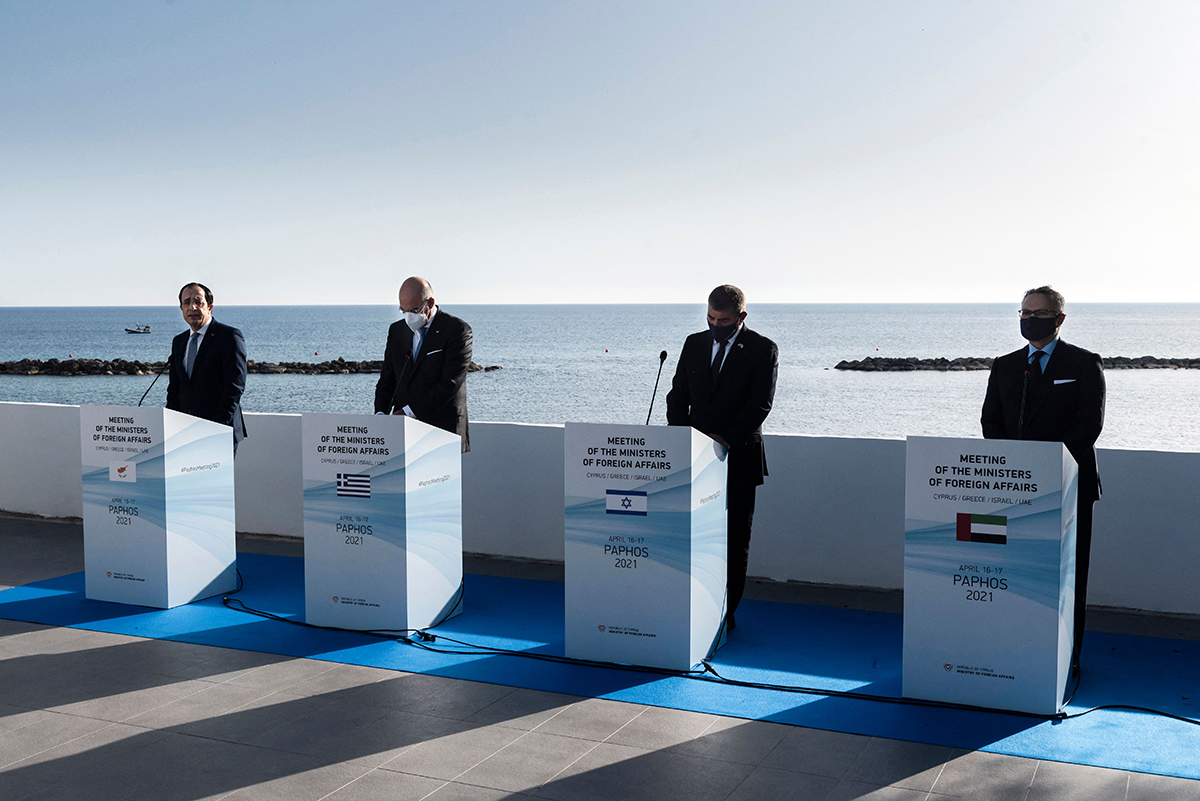
The synergies between the Gulf and the eastern Mediterranean theaters have grown substantially in recent years. Speaking at a meeting in Paphos, Cyprus in mid-April 2021 with his counterparts from Greece and Israel, as well as the former minister of state for foreign affairs of the UAE (now an advisor to the UAE president), the Cypriot foreign minister noted, “The evolving web of regional cooperation is creating a new narrative.” A week later, the UAE and Israeli fighter jets flew together publicly — for the first time — in an international aerial exercise hosted by Greece. How can we explain the signs of growing cooperation between these actors that seemingly operate in close but not completely overlapping arenas?
Cultural heritage diplomacy needs to be part of Biden’s Turkey outreach
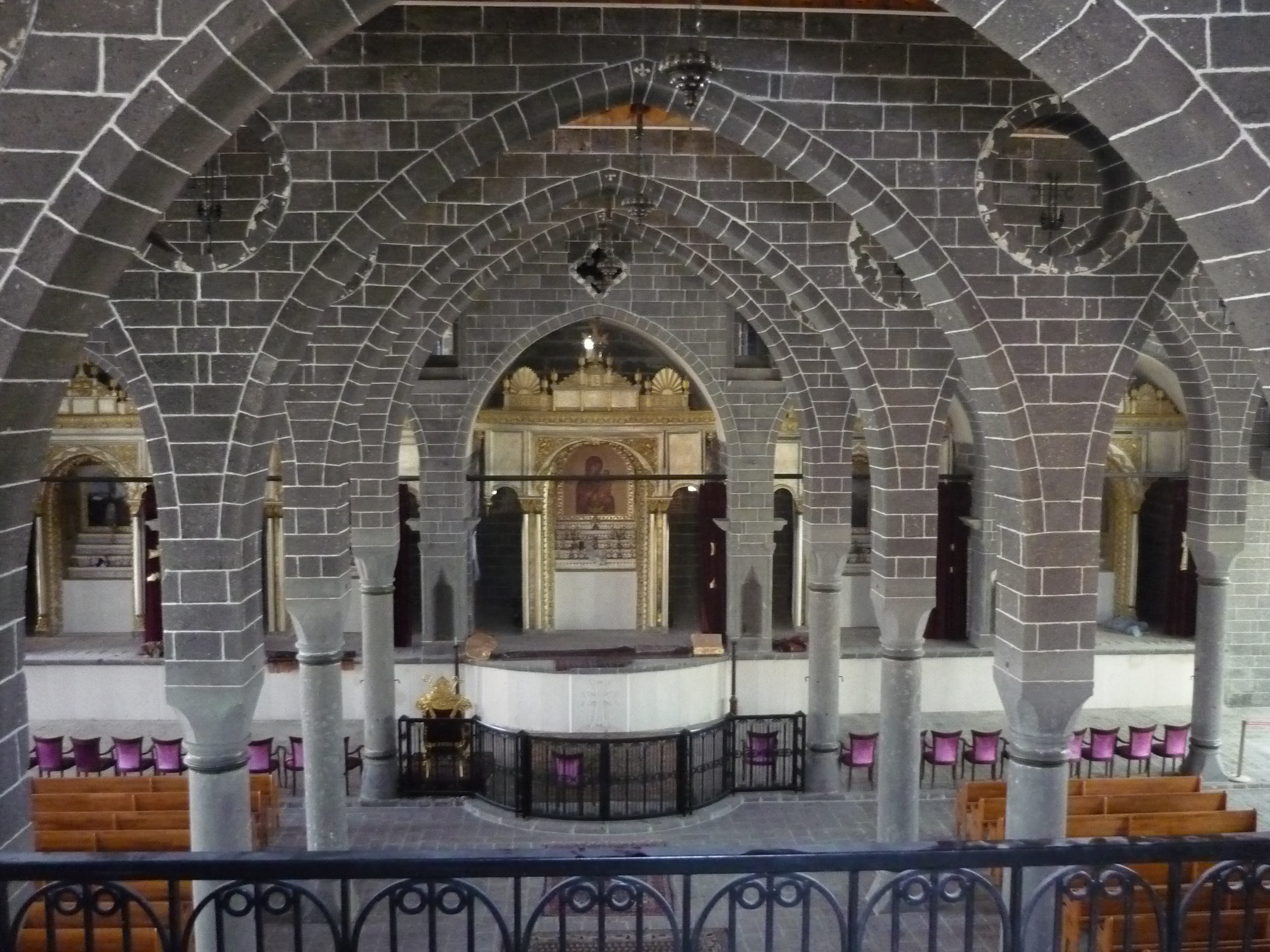
In his statement commemorating the Armenian Remembrance Day on April 24, President Joe Biden said, “We honor their story. We see that pain. We affirm the history. We do this not to cast blame but to ensure that what happened is never repeated.” Biden’s recognition of the Armenian Genocide, following similar steps by the House of Representatives and Senate in 2019, has strained U.S.-Turkish ties even further at a time when bilateral relations are at an all-time low. Although there is little room for reconciling Washington’s and Ankara’s conflicting takes on history, cultural heritage diplomacy offers the Biden administration a positive agenda to engage receptive stakeholders in Turkey to strengthen pluralism and social inclusion.
Pakistan needs to reframe its regional connectivity push
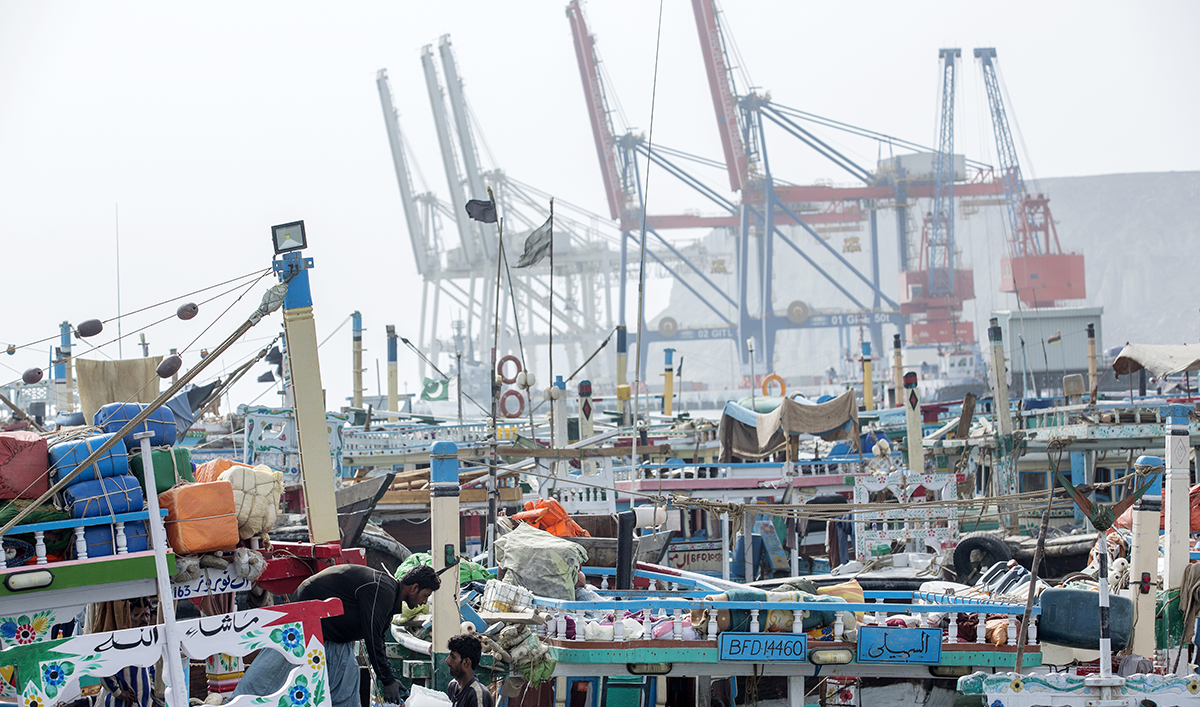
On April 8, the top U.S. diplomat in Pakistan visited the Chinese-operated port of Gwadar — the first such visit by an American official in 15 years. The move appears to be part of a campaign by Pakistan to promote its regional connectivity agenda and simultaneously signal that this effort isn’t solely wedded to China and its Belt and Road Initiative.
Sarah Johansson and Mohammed Soliman join guest host Mike Sexton to discuss the various legal, technical, and environmental challenges of cryptocurrencies in the region, among others.
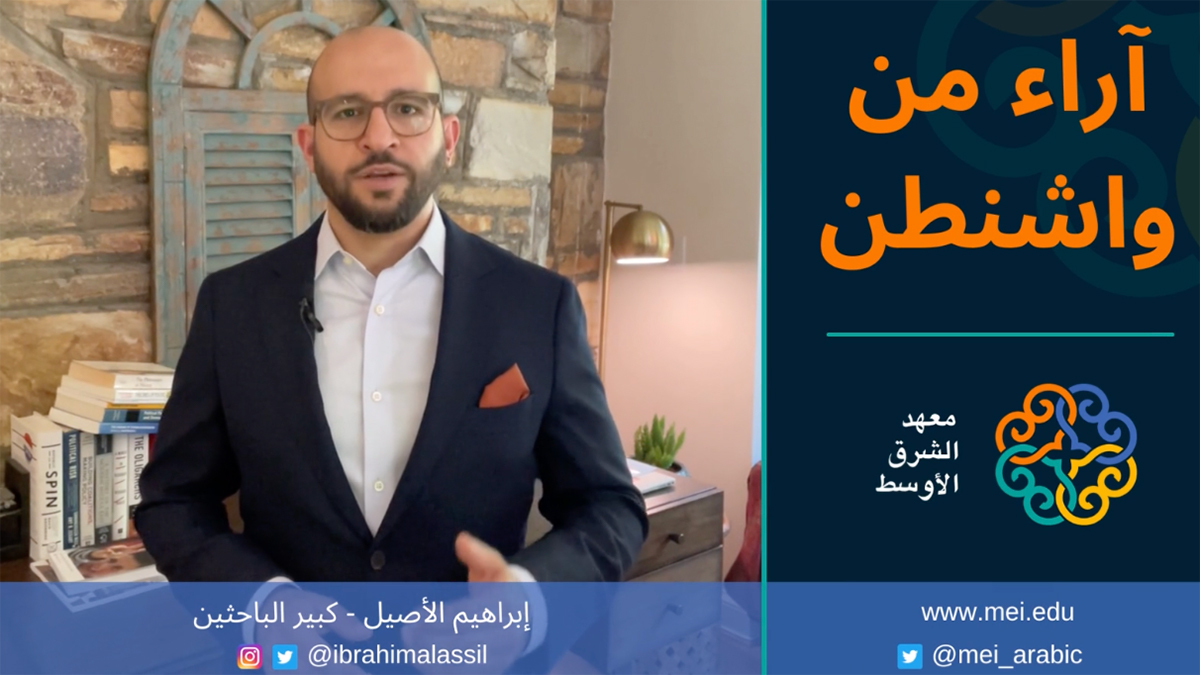
حلقة 15: آراء من واشنطن – أسباب تجدّد المواجهات في القدس وغزة
واقع الفلسطينيين في القدس الشرقية وغزة وأسباب تجدّد المواجهات بشكل دوري مع إسرائيل هو موضوع هذه الحلقة من ‘آراء من واشنطن’، ويستعرض فيها إبراهيم الأصيل رأياً لخالد الجندي. هل تتفقوا مع خالد؟
Greece and Cyprus can play a modest role in advancing Israeli-Palestinian peace
In March 2021, the Eastern Mediterranean Gas Forum held its first meeting as a recognized international organization. Delegations from member countries – including Cyprus, Egypt, Greece, Israel, Italy, Jordan, and Palestine – gathered in Cairo to organize a regional gas market. The forum is a unique space that offers a platform for dialogue between European and Middle Eastern countries. Furthermore, it is rare that Israeli and Palestinian delegations cooperate on the international stage. Yet, as the inaugural meeting demonstrated, the conflict is never too far away. When the delegates voted on whether to grant the United Arab Emirates observer status in the forum – a privilege given to the United States and European Union – Palestine vetoed, a clear demonstration of Ramallah’s frustration with the normalization process that started a few months ago.
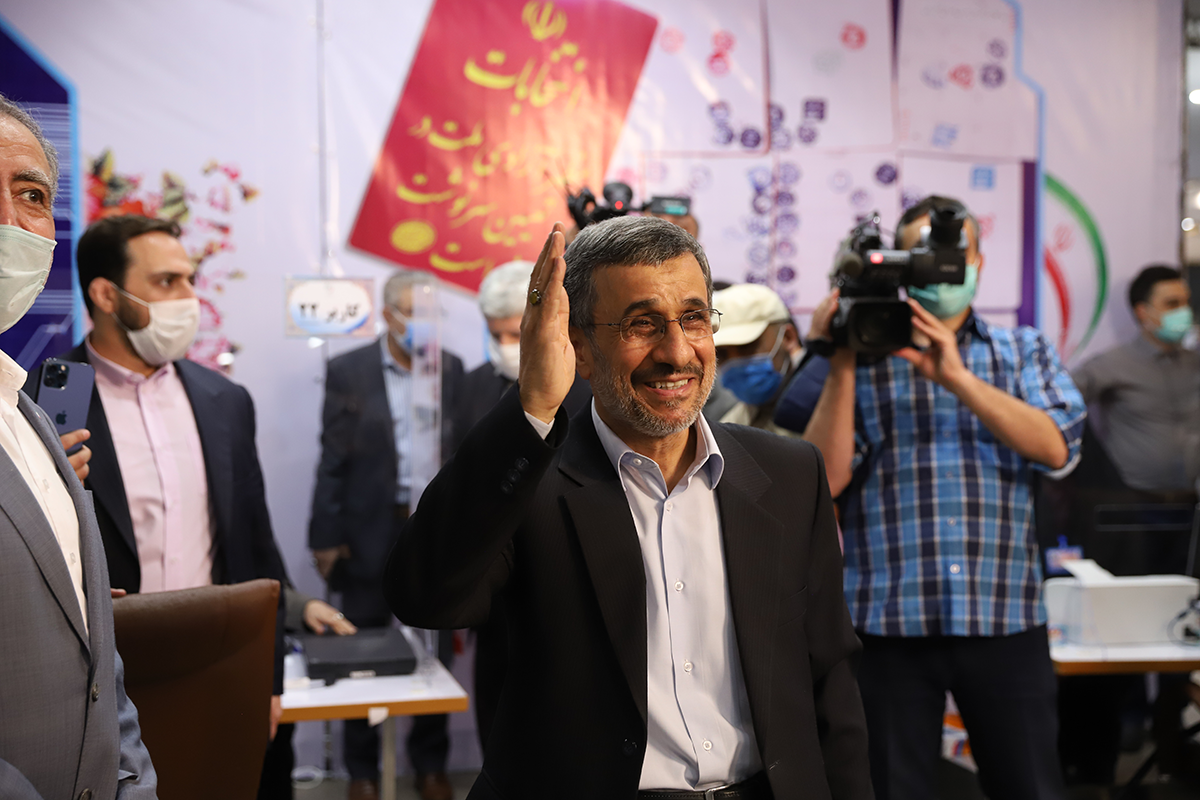
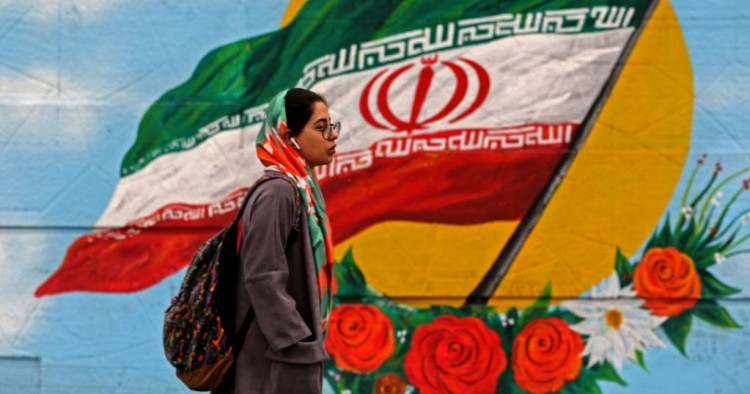
As the Islamic Republic of Iran approaches its 13th presidential election, the candidacy of former President Mahmoud Ahmadinejad (2005-13), once strongly supported by the conservative camp, poses a significant challenge to other conservative candidates by dividing their base. Given Ahmadinejad’s transformation into an opposition voice — one who openly crosses the Islamic Republic’s redlines — the ruling establishment is now facing a predicament on whether to allow the controversial statesman to run, or to bar him from participating in the presidential elections.
The 5G divide in the Middle East: Further disparity between the Gulf and its neighbors
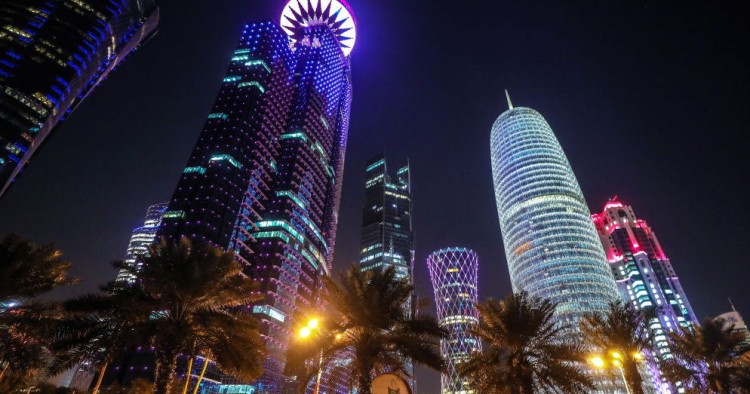
The 5G technology revolution is poised to change society irreversibly in the Middle East. The evolution of the Internet of Things (IoT) powered by 5G networks could prove life-enhancing. Already, the Gulf countries have led the way in adopting 5G technology in the region and the rollout of 5G showcases the Gulf’s new role as a leader in digital technology. Although the Gulf countries have made strides to be global tech leaders, their neighbors in the region seriously lag behind in their abilities to adopt large-scale 5G technology. This disparity will further deepen the divides in development between the Gulf and the rest of MENA. Looking to the future, the Gulf will surely pull ahead as the tech hub of the region, but there are still important benefits for the rest of the region to reap as they slowly adopt next generation technology.
Amid the escalating violence in Israel and Palestine, can the EU move from words to deeds?
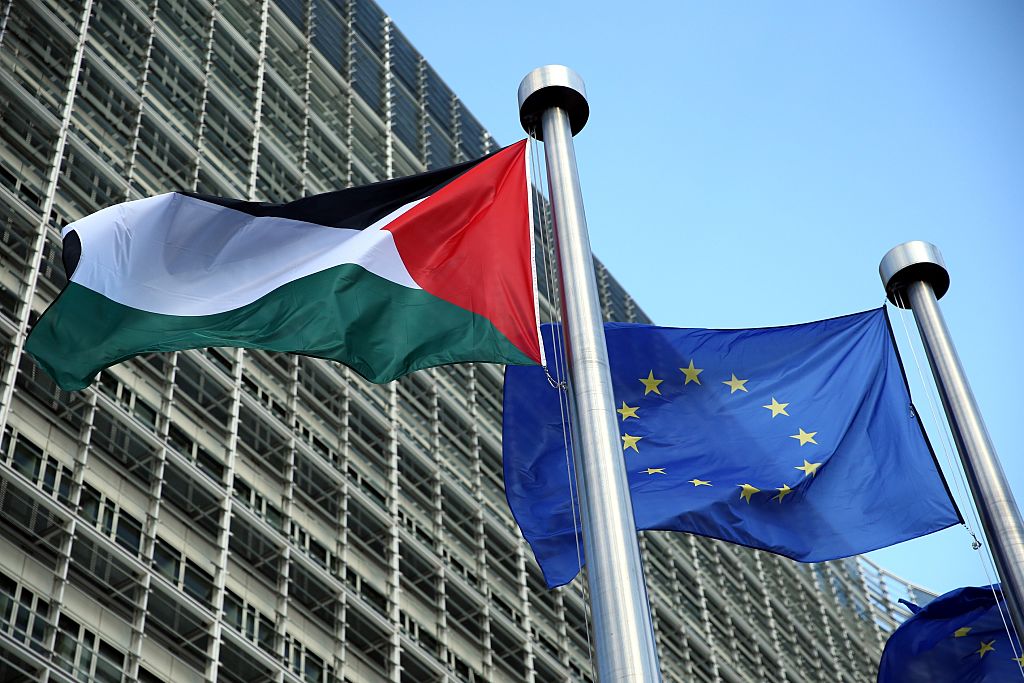
While riots and even violent military clashes between Israel and the Palestinians are unfortunately nothing new, and the conflict itself has been of interest to the international community for many decades, the recent, sudden escalation in violence has come as a surprise to many outside observers. This has forced individual states and international organizations to take a stance on what’s happening, including the EU. For the EU, the Middle East conflict is one of the greatest challenges in the immediate neighborhood and a major factor hindering the implementation of its European Neighborhood Policy in the eastern Mediterranean.
Eye on Niamey: Middle East regional powers vie for influence in Niger
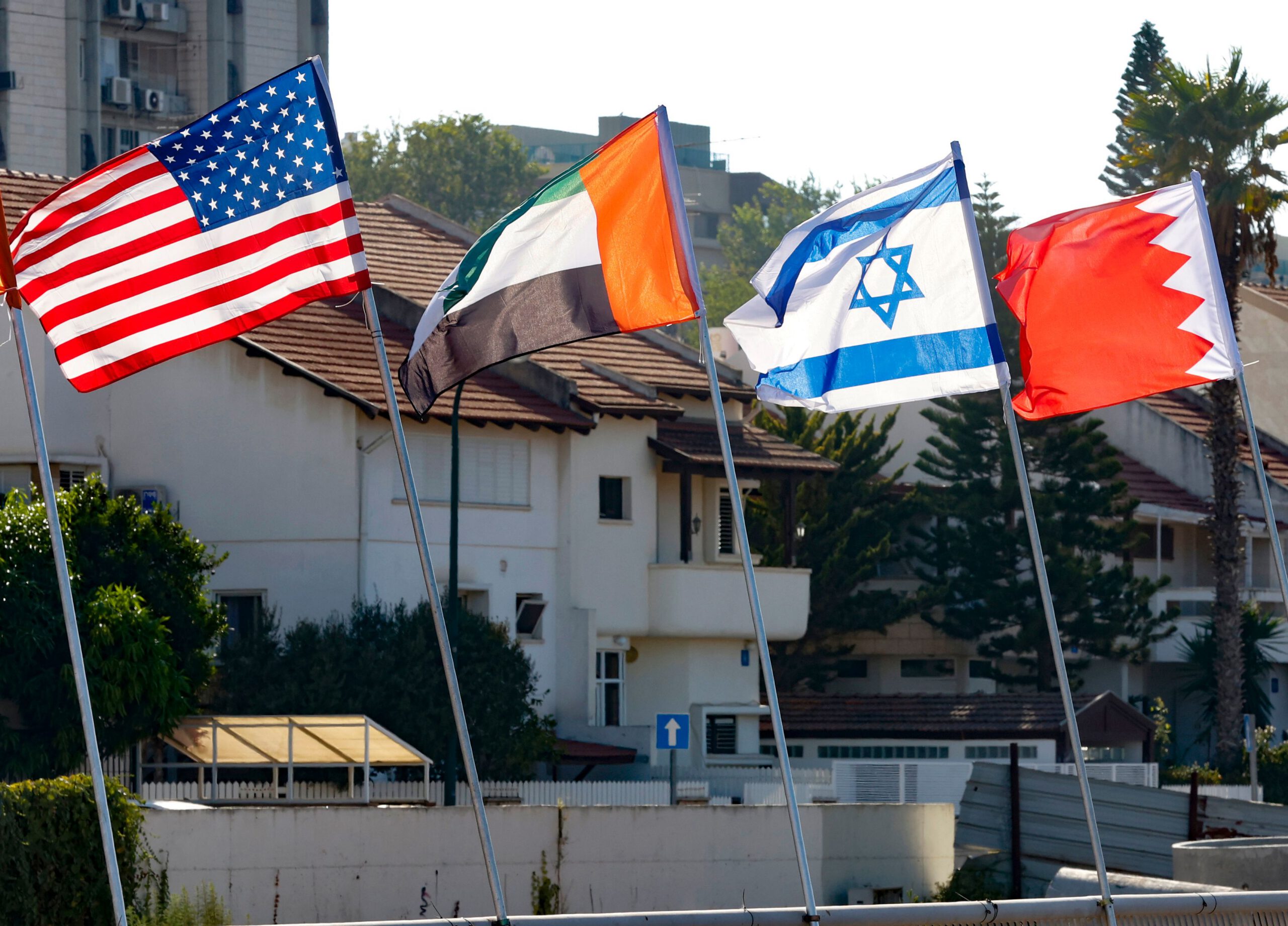
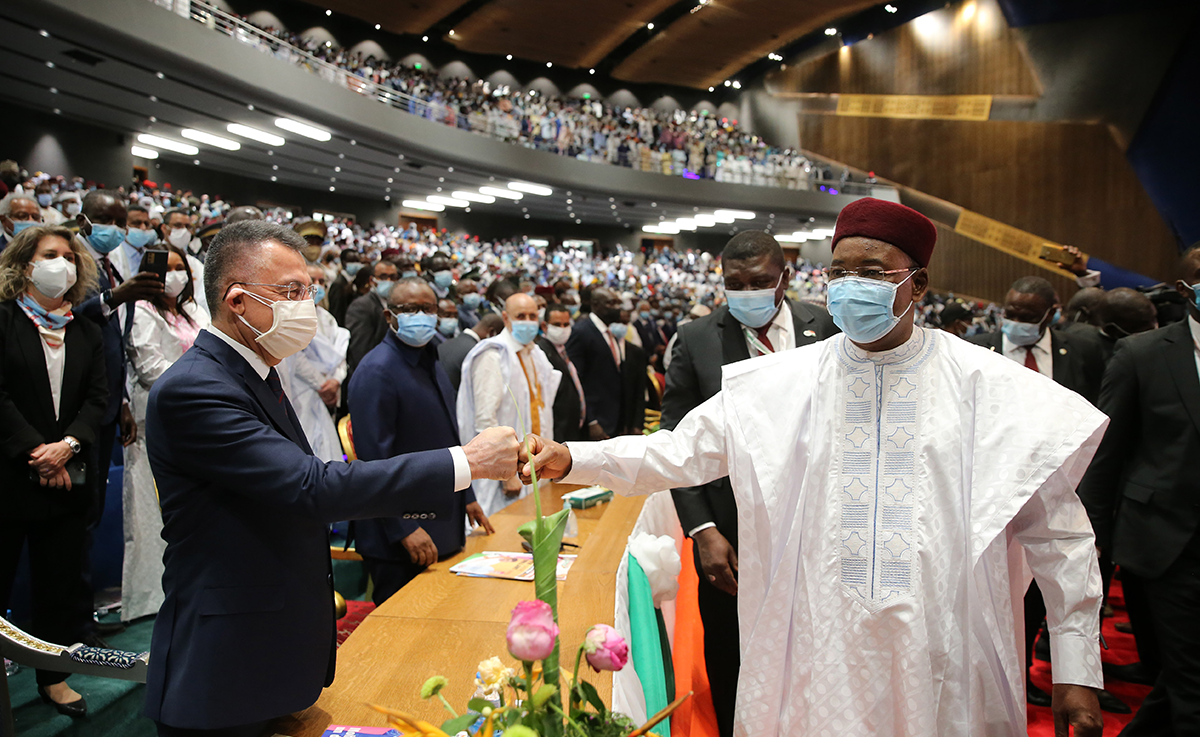
Due to its relatively stable political institutions, geographic proximity to Libya, and UNSC seat, regional powers in the Middle East are competing for influence in Niger. Egypt and the UAE are trying to counter Turkey’s growing economic and security cooperation with Niger, Saudi Arabia and Iran wish to leverage its UNSC voting power, and Israel is testing the waters for a potential normalization of diplomatic relations. These rivalries are poised to intensify, as the Sahel’s geostrategic significance continues to expand.
Hanin Ghaddar and Kasra Aarabi join host Alistair Taylor to discuss the challenges Hezbollah poses to the region and its key role in Iran’s proxy network, which spans from Iraq to Syria and Lebanon to Yemen.