This individual is a guest contributor. MEI is not able to assist with contact requests.
Shahmahmood Miakhel is the Country Director in Afghanistan for the US Institute of Peace (USIP). Prior to that he was a Governance Advisor for the United Nations Assistance Mission in Afghanistan (UNAMA), and, from 2003–2005, a Deputy Minister of the Interior in the Government of Afghanistan. In 1994–1995 he worked for the United Nations Development Programme (UNDP) and United Nations Office for Project Services (UNOPS) in South and Southeast Afghanistan helping to establish District Rehabilitation Shuras (DRS). He also worked as a reporter for the Pashto service of the Voice of America from 1985–1990.
Gulf Partners Can No Longer Afford To Stay The Course With U.S. Iran Policy
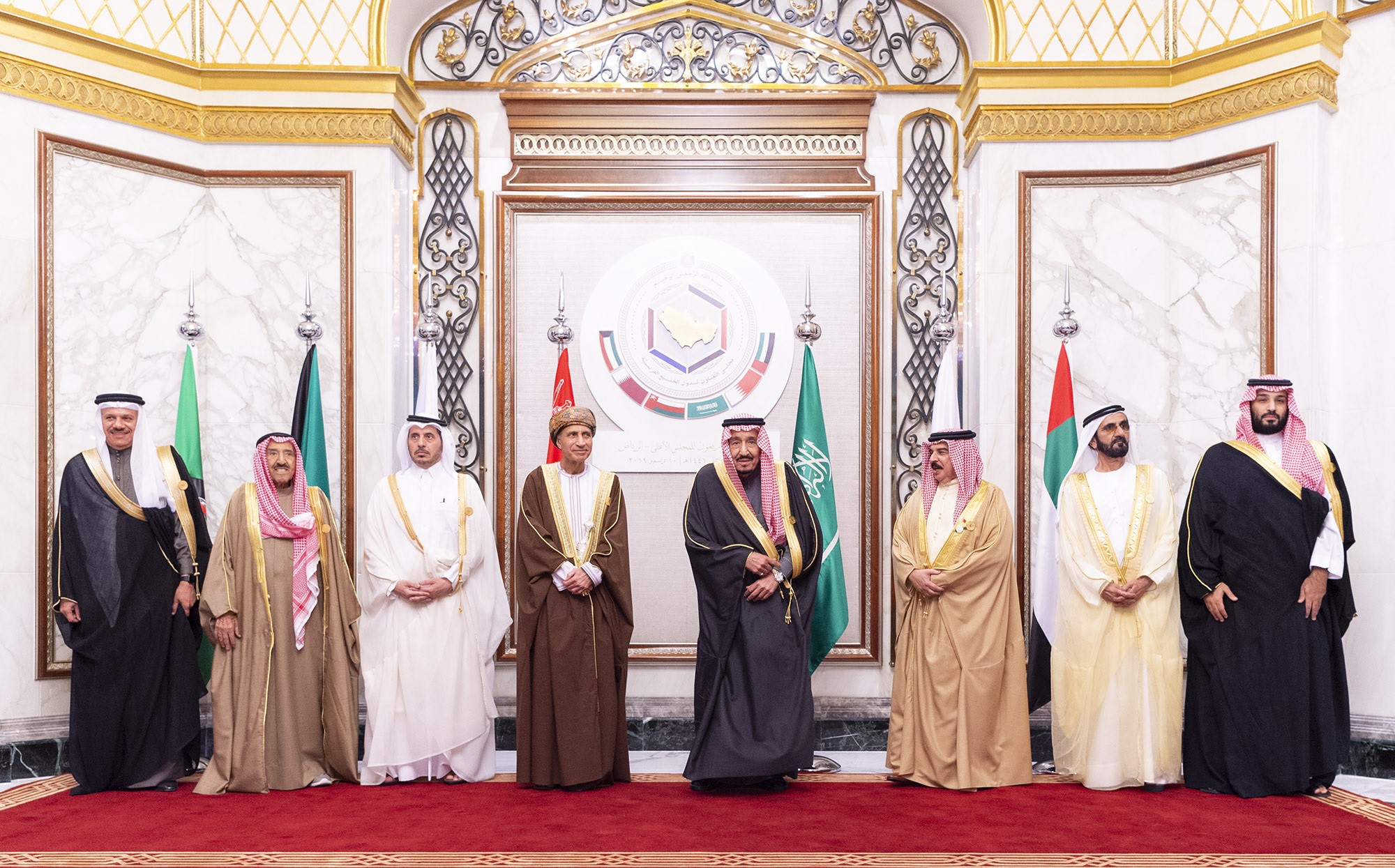
To help prevent a U.S.-Iran war in their neighborhood, the countries of the Gulf Cooperation Council have called for diplomacy. They have reached out to Iranian officials to de-escalate. And they have provided Tehran with humanitarian assistance to deal with the coronavirus pandemic.
The Syrian constitution will only be words on paper until power is devolved to the local level
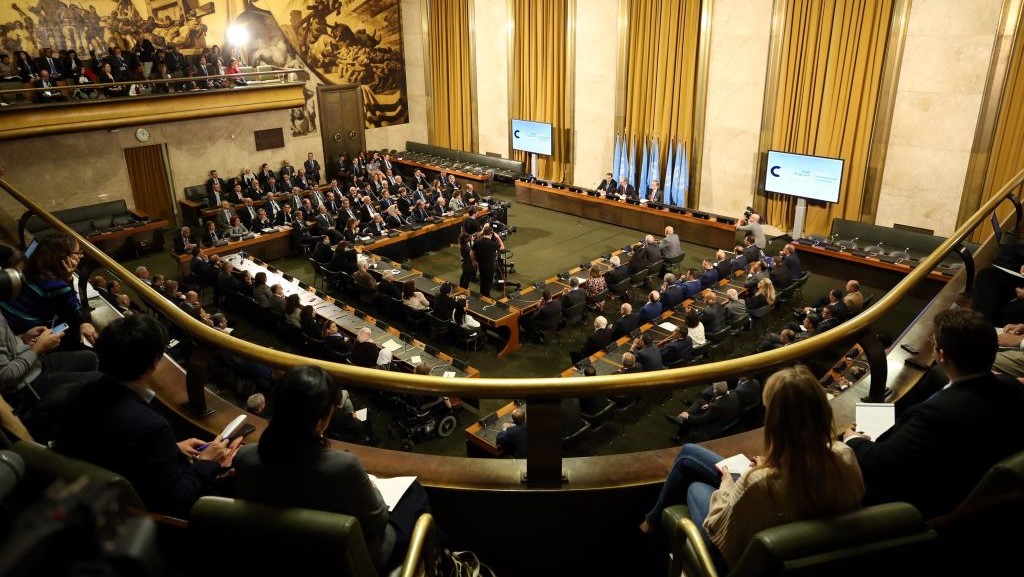
Syria faces long-standing economic problems that have been greatly exacerbated by its nine-year-long war. The cost of rebuilding the country will be enormous. But before there can be any discussion of sanctions relief or economic assistance, key political and economic reforms must be implemented. First and foremost among these is the devolution of power to the most local level of governance.
Hafsa Halawa, Shahla Al-Kli, and Yesar Al-Maleki join host Alistair Taylor to discuss the challenges facing Iraq’s new prime minister, Mustafa al-Kadhimi, from COVID-19 and the fall of oil prices, to long-standing issues in governance and foreign relations.
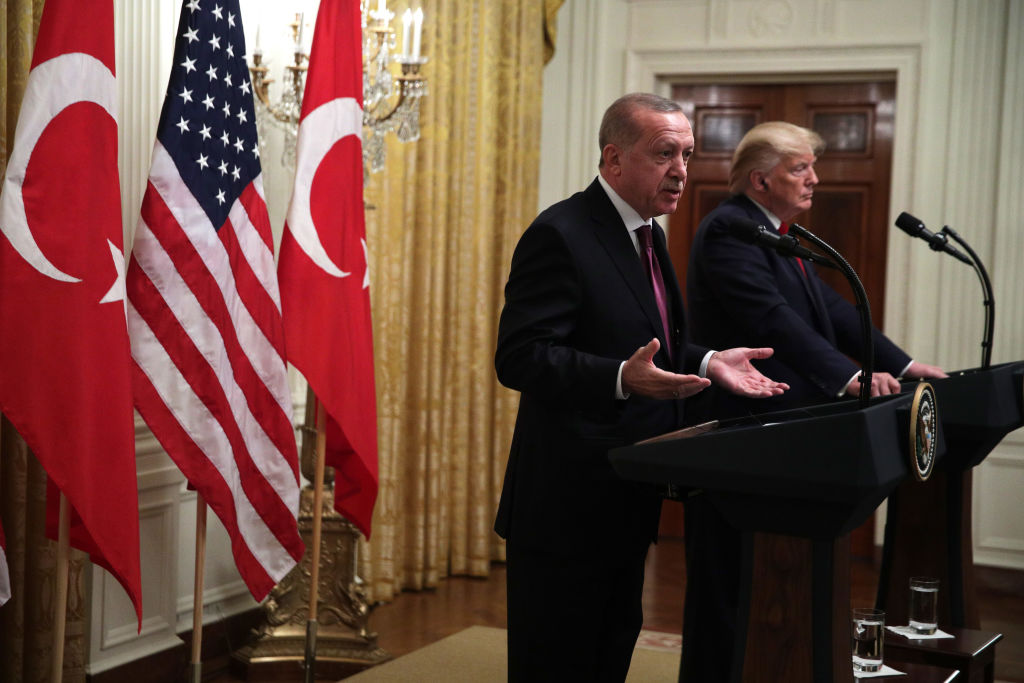
Arguably the time is now ripe to begin accumulating such nuances in regard to Turkey. The difficulties of dealing with Turkey and President Recep Erdogan are incontestable and well-known. Nevertheless, Turkey’s geopolitical significance is equally indisputable and far-reaching. Many of the major issues in European security – migration, Libya’s civil war, confronting Syria’s civil war (the equivalent in our time of the Spanish Civil War in the 1930s), stabilizing the Balkans, defending the Black Sea, European energy security, and in particular accessing the energy in the Eastern Mediterranean – would benefit from the restoration of a true and ongoing strategic dialogue with Turkey. Indeed, neither we nor Turkey can make progress on them without such a dialogue.
President Hadi and the future of legitimacy in Yemen
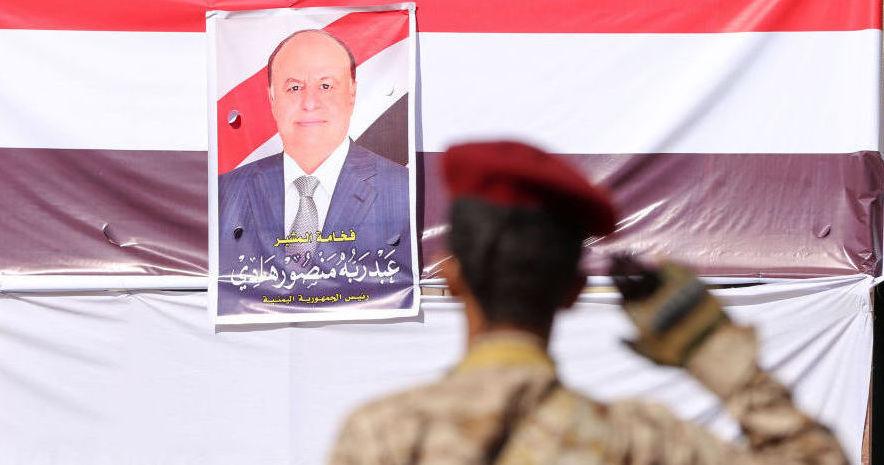
What is the future of legitimacy in Yemen? The question of what would happen if President Abed Rabbo Mansour Hadi were to die has been an unspoken concern for the past several years. It is important to address the question of legitimacy after Hadi because the constitutional rules on how to transfer his authority to a successor and how to avoid a presidential vacuum are impractical given the ongoing conflict.
Israeli annexation “is a game-changer for us”: Prime Minister Mohammed Shtayyeh on the annexation threat, economic crisis, and COVID-19 in Palestine
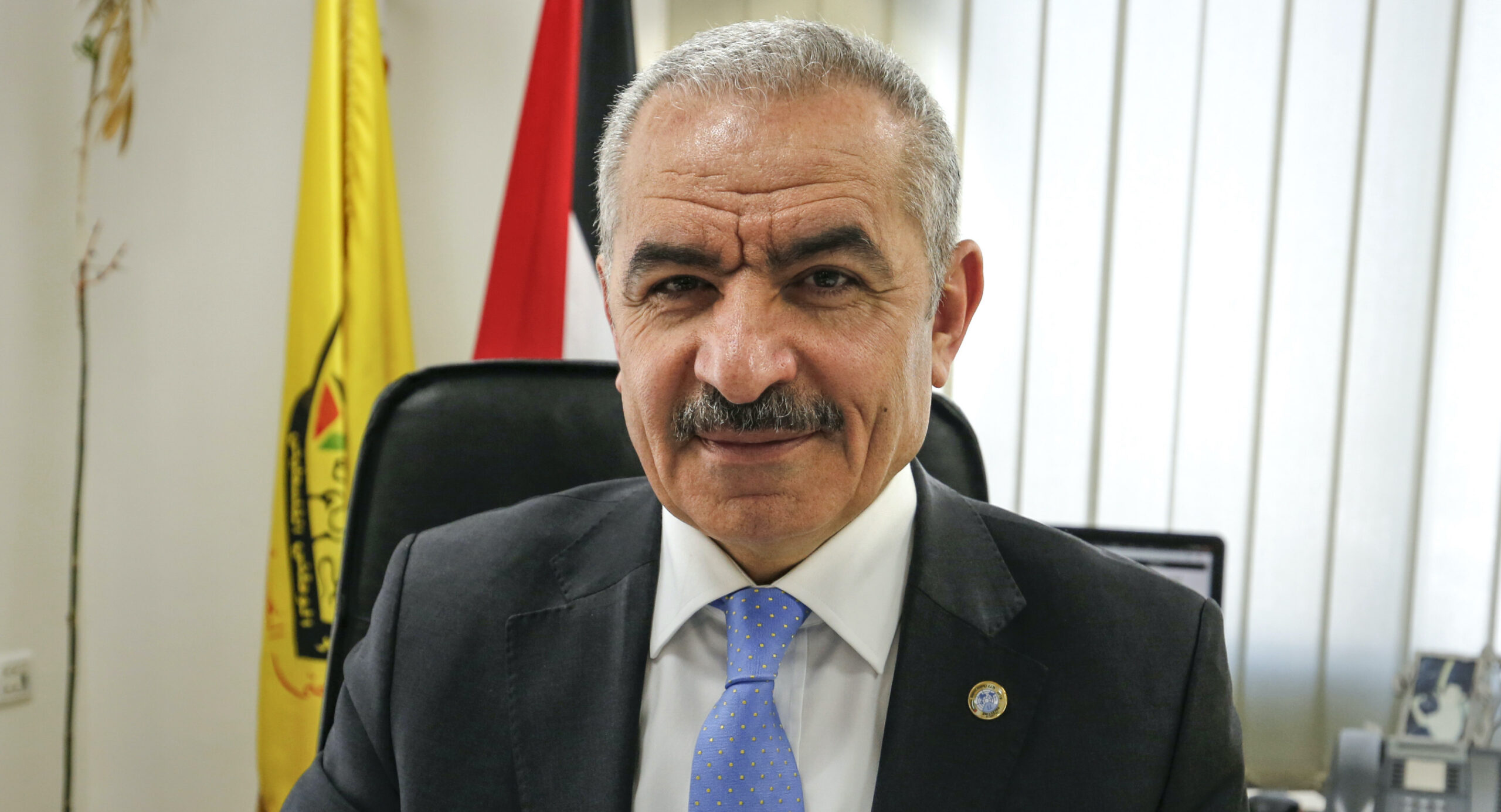
On May 12, 2020, MEI hosted Dr. Mohammed Shtayyeh, Prime Minister of the Palestinian National Authority, for a roundtable discussion on the many crises facing Palestinians and the Palestinian Authority.
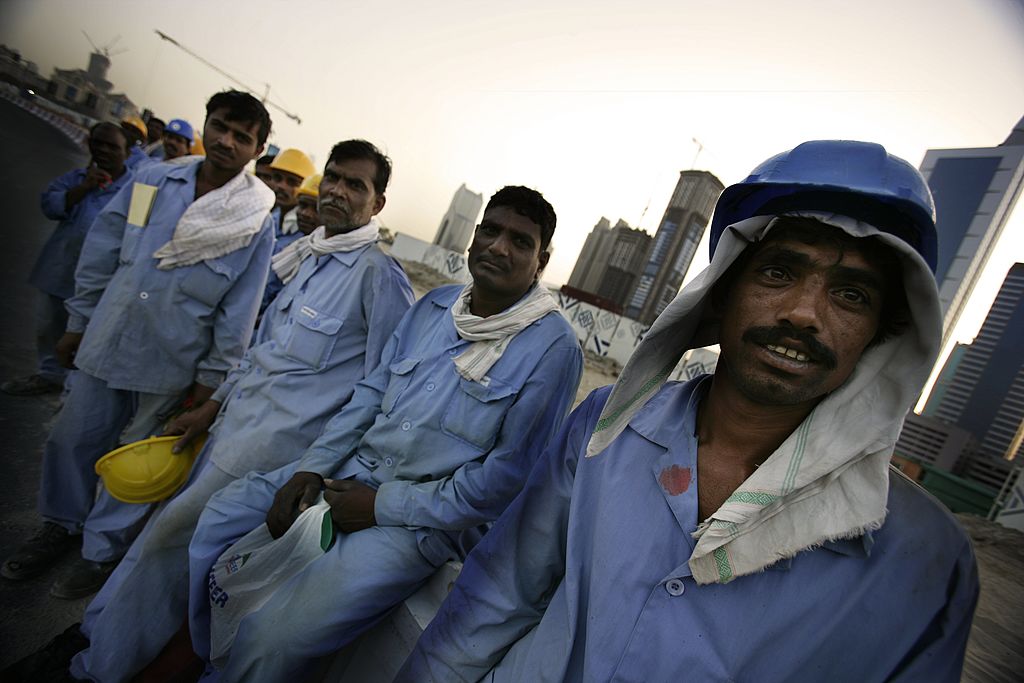
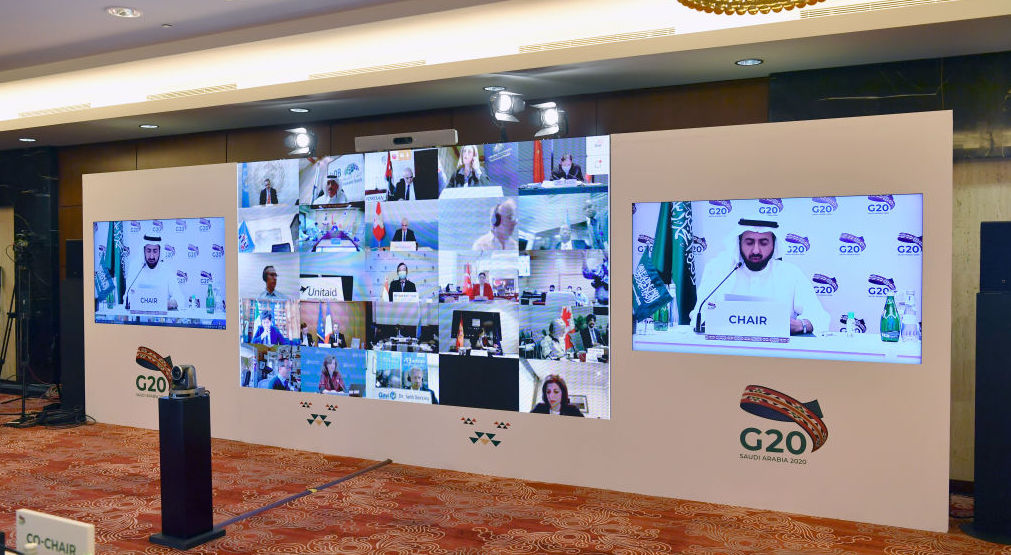
While COVID-19 and historically low oil prices are disrupting the Gulf’s political economy, the pandemic has demonstrated the region’s tech resilience.
Salafism Meets Populism: The Al-Karama Coalition and the Malleability of Political Salafism in Tunisia
The nascent research on political Salafism suggests that it can often be much more pragmatic, flexible, and malleable than both the quietist and the jihadist Salafist strand and can sometimes show a certain openness to other political actors and ideologies. The case of the Tunisian al-Karama Coalition (Dignity Coalition) indicates that the new (tactical) openness of some politicized Salafists can also extend to populism. In this article, the authors locate the rise of al-Karama within the context of Tunisia’s successful but still incomplete and “bumpy democratic transition.”
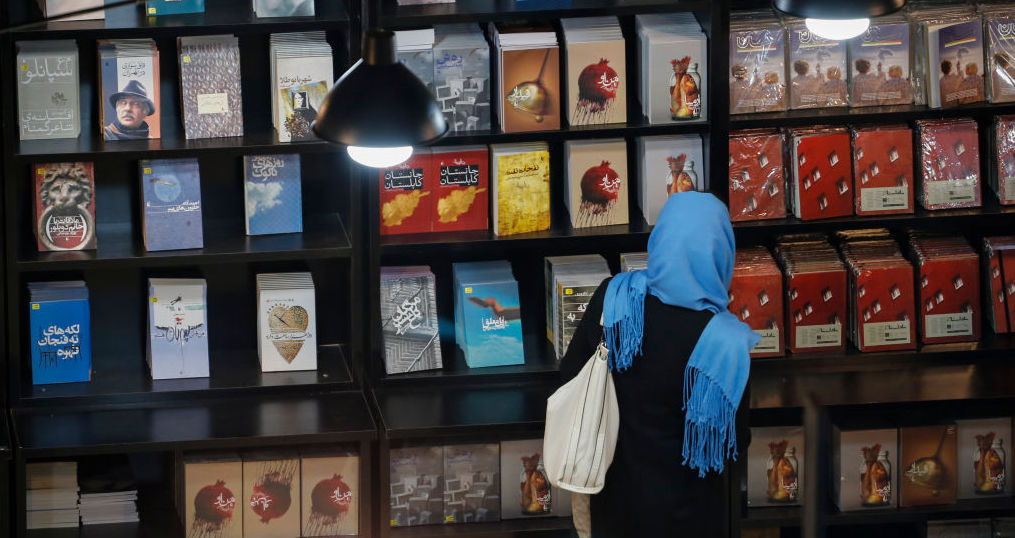
Unfortunately, many distinguished Arab writers are unknown to the majority of Iranian readers and their works are not available in Persian. Arab literature has largely been neglected in the Iranian literary translation market.
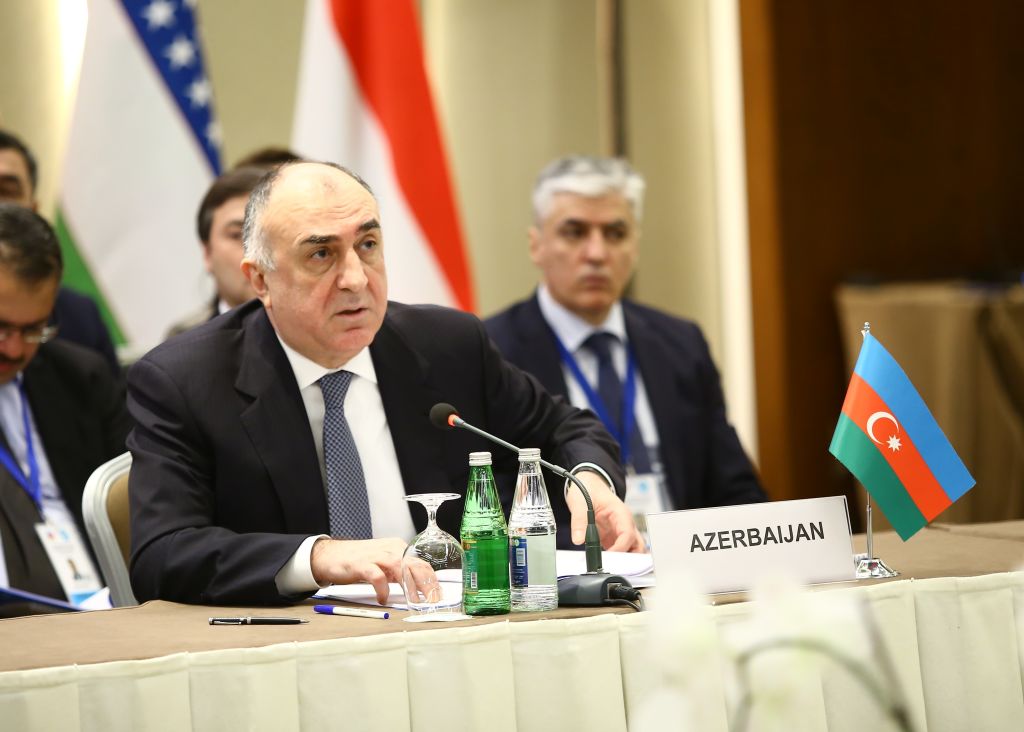
Azerbaijan’s foreign policy priorities and the role of the Middle East
Azerbaijan will soon celebrate 30 years since its independence and sovereignty was restored. However, the country’s foreign policy priorities have stayed largely the same since the early 1990s. That is, the restoration of territorial integrity, strengthening the country’s independence, and the development of strong regional economic partnerships.