Skip to Content

Shahmahmood Miakhel

Country Director, Afghanistan

Expertise

Afghanistan

This individual is a guest contributor. MEI is not able to assist with contact requests.

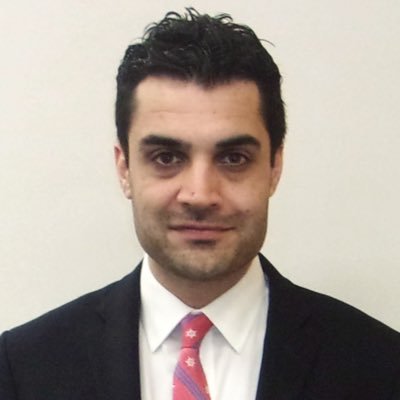
Shahmahmood Miakhel is the Country Director in Afghanistan for the US Institute of Peace (USIP). Prior to that he was a Governance Advisor for the United Nations Assistance Mission in Afghanistan (UNAMA), and, from 2003–2005, a Deputy Minister of the Interior in the Government of Afghanistan. In 1994–1995 he worked for the United Nations Development Programme (UNDP) and United Nations Office for Project Services (UNOPS) in South and Southeast Afghanistan helping to establish District Rehabilitation Shuras (DRS). He also worked as a reporter for the Pashto service of the Voice of America from 1985–1990.

The Latest from Shahmahmood Miakhel

Filter by
10088 Results
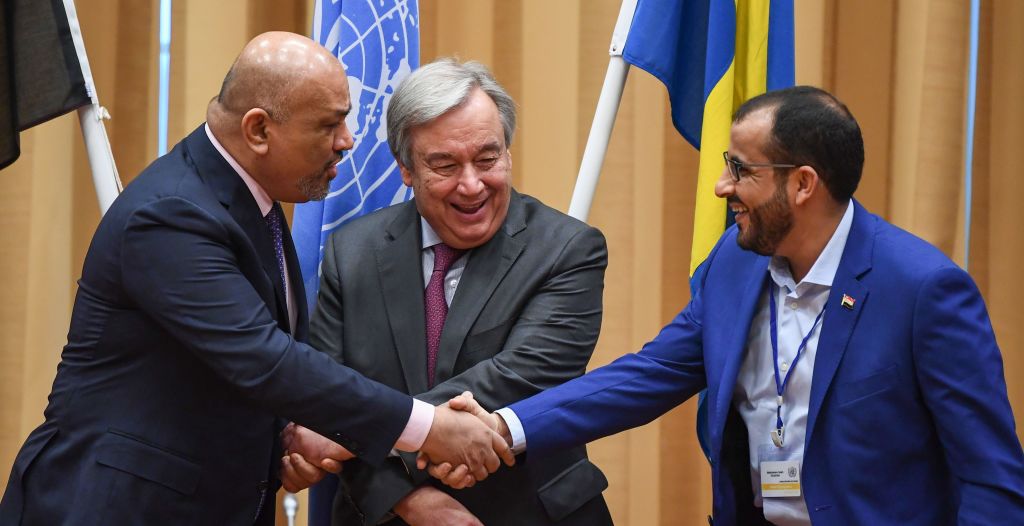
Yemen’s Stockholm Agreement one year on: Imaginary progress?
Yemen's foreign minister Khaled al-Yamani (L) and the head orebel negotiator Mohammed Abdelsalam (R) shake hands under the eyes of United Nations Secretary General Antonio Guterres (C), during peace consultations taking place at Johannesberg Castle in Rimbo, north of Stockholm, Sweden, on December 13, 2018.
  • Analysis
  • Yemen’s Stockholm Agreement one year on: Imaginary progress?

    Just over a year ago, the international community rejoiced in the revival of the UN-led Yemen peace process with the conclusion of the Stockholm Agreement between the Yemeni government and the Houthi insurgency (Ansar Allah), brokered by UN Special Envoy Martin Griffiths. Although the deal marked the first political breakthrough in the peace process since the collapse of Geneva and Kuwait talks under Griffith’s predecessor, the ensuing hurdles in implementation meant that hopes for its success were short-lived. In evaluating the progress on the agreement’s three key components — covering prisoner exchange, Hodeida, and Taiz — it quickly becomes clear that the truism that implementing peace agreements is far more important, and difficult, than concluding them still rings true.
    January 22, 2020

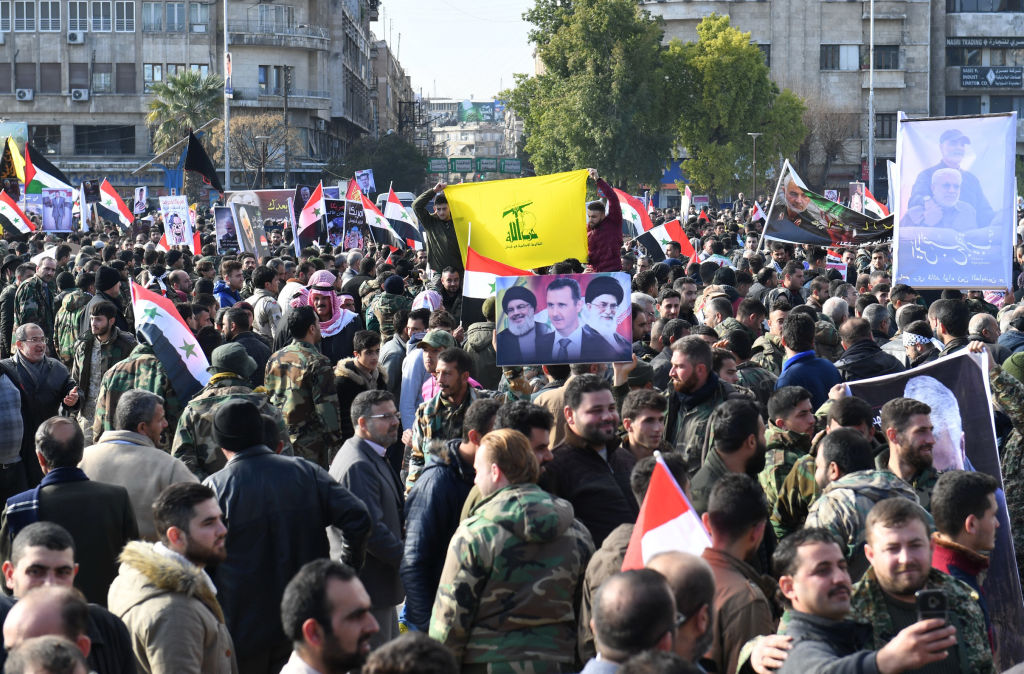
    Qassem Soleimani’s reign may be over, but his legacy in Syria will endure
    yrians take part in a protest against the United States and in support of Iranian general Qassem Soleimani at the Saadallah al-Jabiri Square in Aleppo, northern Syria, on Jan. 7, 2020.
  • Analysis
  • Qassem Soleimani’s reign may be over, but his legacy in Syria will endure

    The U.S. assassination of Iranian Gen. Qassem Soleimani came as a seismic shock to the Middle East, not least to the embattled political system in Damascus that has reaped the benefits of Iran’s military involvement across the region. While his death will be a severe blow, it will not necessarily translate into a decline in Iran’s influence or military presence in Syria. Soleimani’s army of militias and supporters will outlast him, possibly by decades. 

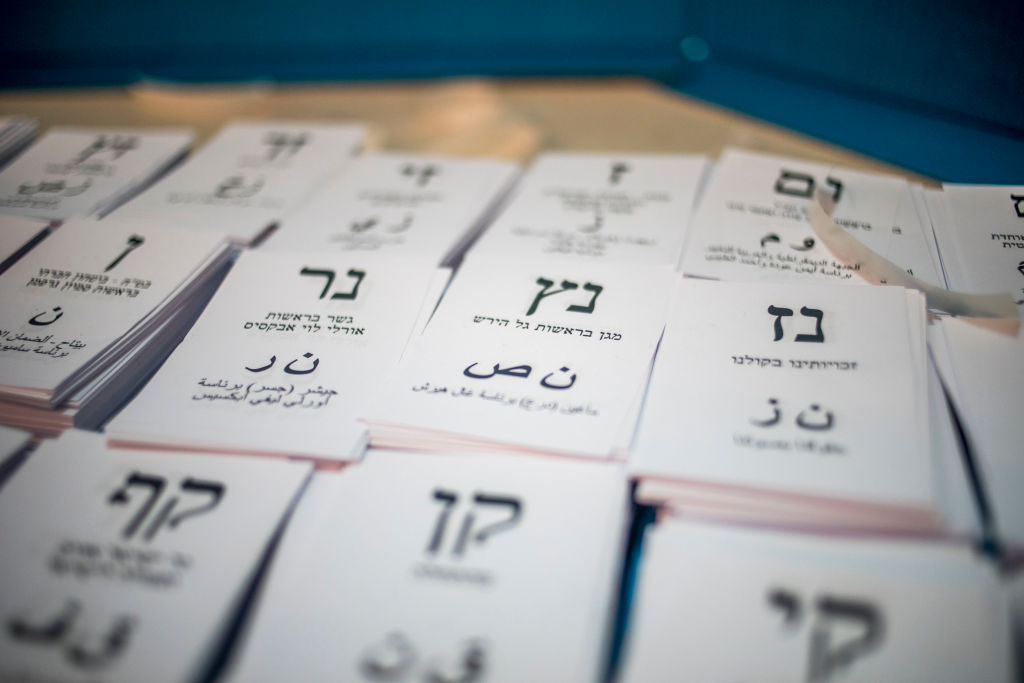
    The next Israeli election: The triumph of the fringes?
    Ballots seen with the party names during the elections. Israel holds elections for the next Prime Minister.
  • Analysis
  • The next Israeli election: The triumph of the fringes?

    Jan.15, 2020 was the last date to submit electoral “lists” for the Israeli election scheduled for March 2. A flurry of parties on both ends were registered in the days before the Jan. 15 deadline, and some of their leaders may well be part of and influence the Israeli government that will (eventually) be formed.

    January 22, 2020

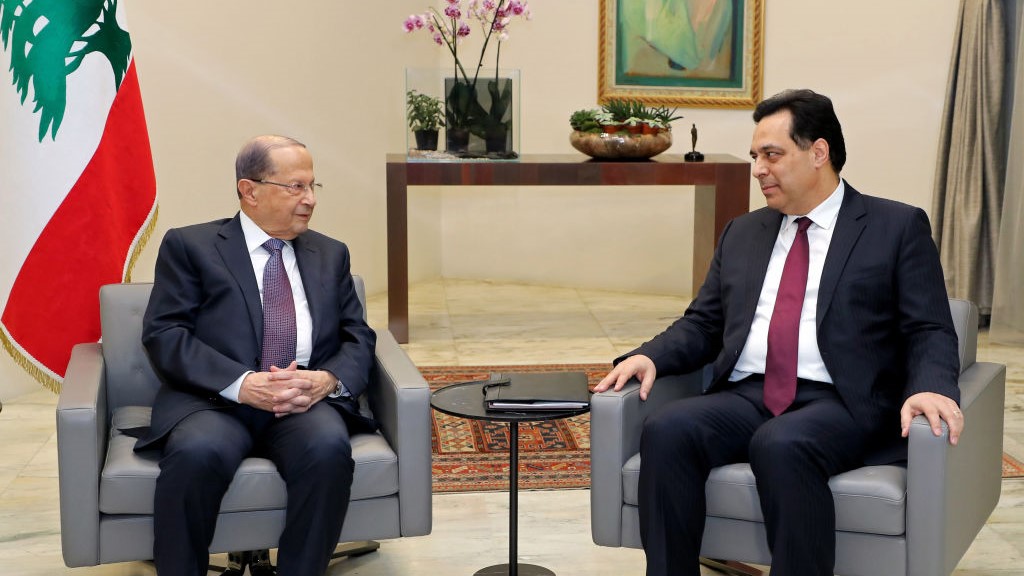
    Lebanese oligarchs approve technocratic shadow government
    Lebanon's President Michel Aoun (L) meets with prime minister designate Hassan Diab at the presidential palace in Baabda, east of the capital Beirut, on January 21, 2020.
  • Commentary
  • Lebanese oligarchs approve technocratic shadow government

    The new government is politically aligned with the pro-Hezbollah and pro-Syrian axis in Lebanon, and is very unlikely to drum up international and regional support.

    January 21, 2020

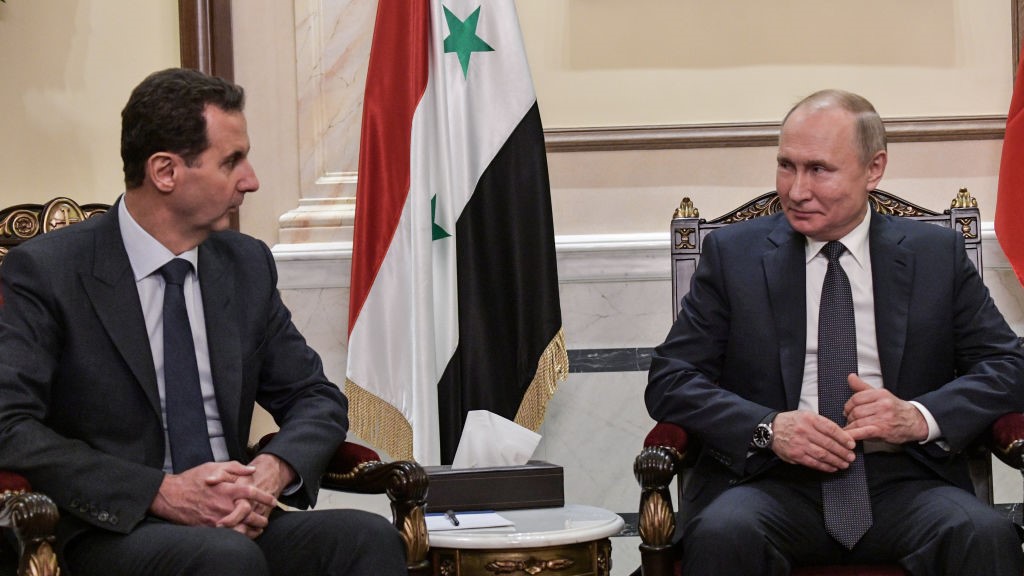
    For Russia, Libya and Idlib are now part of the same gamble
    Syria's President Bashar al-Assad (L) and Russia's President Vladimir Putin during a meeting in the Cathedral of Our Lady of the Dormition.
  • Analysis
  • For Russia, Libya and Idlib are now part of the same gamble

    Although Moscow continues to reap the benefits of its Syrian campaign, it is increasingly faced with diminishing returns. Despite its greater geopolitical involvement in the country, the Kremlin has so far failed to extract major economic dividends and may soon face increased competition from Tehran. With Syria’s future clouded in uncertainty and the unresolved issue of the Idlib region hanging like the sword of Damocles over any potential political settlement, Russia is now trying to bring the Libyan conflict into the equation as well.

    January 21, 2020

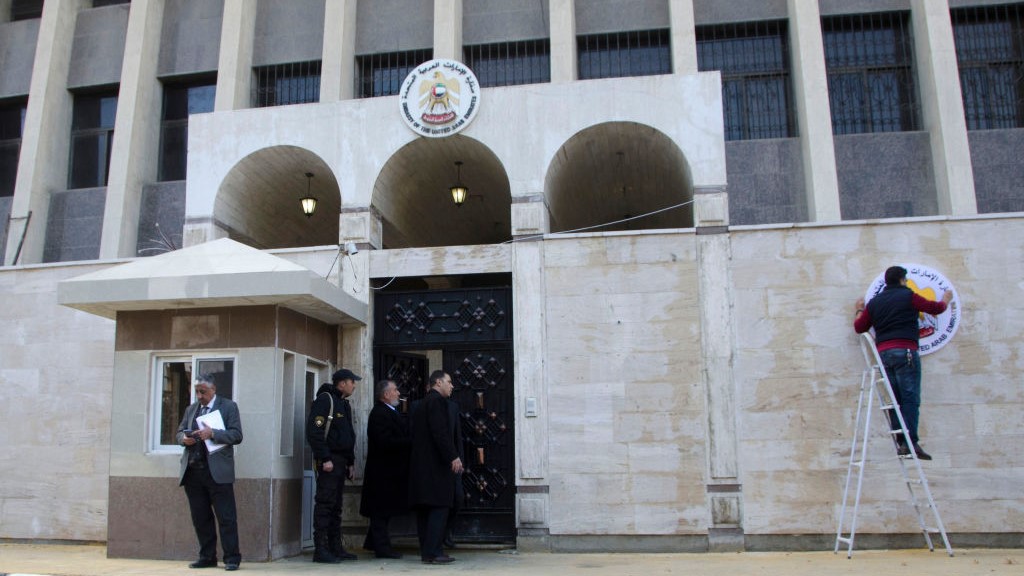
    Foreign policy and commercial interests drive closer UAE-Syria ties
    The United Arab Emirates embassy is pictured in the Syrian capital Damascus on December 27, 2018 after its reopening, the latest sign of efforts to bring the Syrian government back into the Arab fold
  • Analysis
  • Foreign policy and commercial interests drive closer UAE-Syria ties

    On Dec. 2, a series of public statements from Emirati and Syrian officials brought widespread attention to the UAE’s rapprochement with Syria. In a video circulated by Russian state media outlet RT, the UAE’s charge d’affaires in Syria, Abdul-Hakim Naimi, praised the “wise leadership” of Syrian President Bashar al-Assad and hailed the Syria-UAE relationship as “solid, distinct, and strong.” Syrian Deputy Foreign Minister Faisal Mekdad responded enthusiastically to Naimi’s comments by praising the UAE for standing by the Syrian government in its war against terrorism.

    January 21, 2020

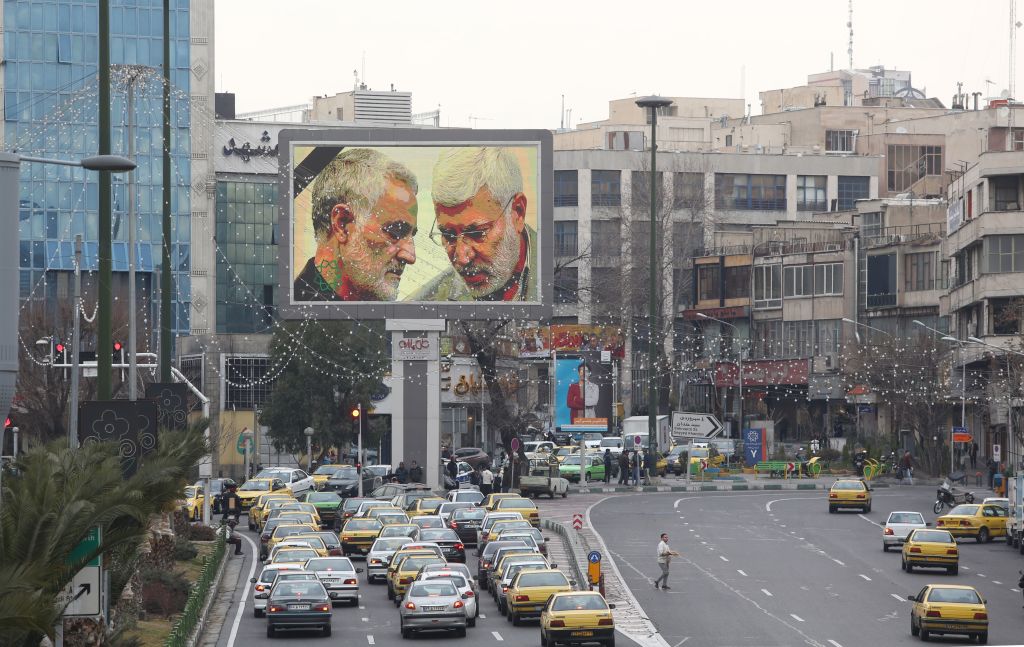
    Where will Iran hit next? Cyber
    A billboard bearing a portrait with the black mourning ribbon of slain Iranian military commander Qasem Soleimani (L) and Iraqi paramilitary chief Abu Mahdi al-Muhandis hangs on a main road in the Iranian capital Tehran on January 4, 2020, one day after Soleimani and other members of the pro-Iranian Iraqi paramilitary group Al-Hashed Al-Shaabi were killed in a US air strike near Baghdad international airport.
  • Analysis
  • Where will Iran hit next? Cyber

    Following the recent escalation in U.S.-Iran tensions, the threat of Iranian cyberattacks is likely to intensify in the near to medium term. There are three possible fronts where Iran might look to carry out cyber operations: targeting the energy infrastructure of America’s Gulf allies; deploying malware against U.S. private sector companies; and launching disinformation campaigns that would aim to influence public opinion in both the Middle East and the U.S. 

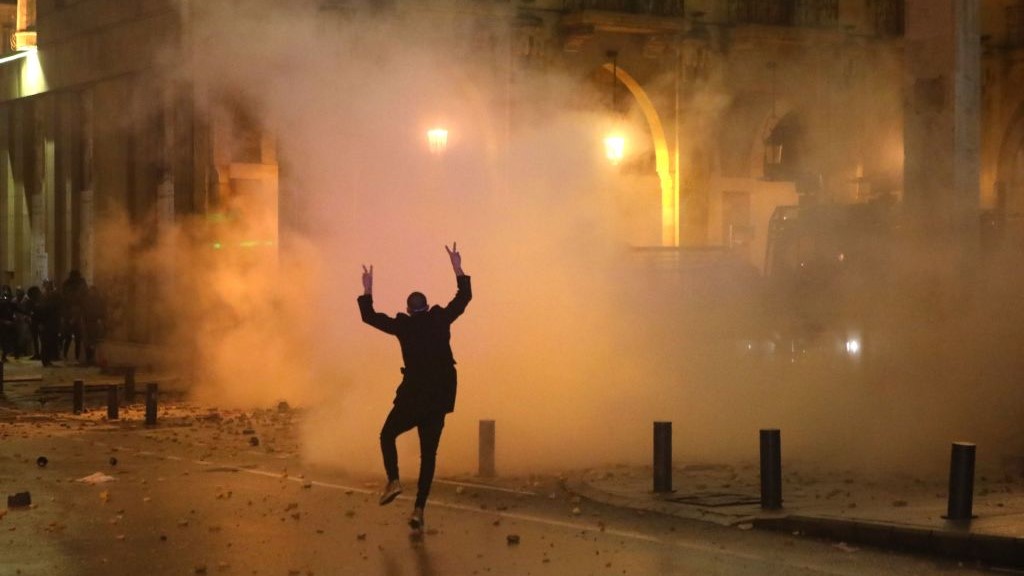
    The sky is sliding: Why and how the Lebanese avoided catastrophe and aggravated challenges over time
    A Lebanese protester gestures at riot police guarding a road leading to parliament in central Beirut on January 19, 2020 amid ongoing anti-government demonstrations. (Photo by PATRICK BAZ / AFP) (Photo by PATRICK BAZ/AFP via Getty Images)
  • Analysis
  • The sky is sliding: Why and how the Lebanese avoided catastrophe and aggravated challenges over time

    Lebanon’s in trouble and the Lebanese may soon face the real reckoning that they’ve thus far avoided. Having bought time they’ve increasingly needed with money they’ve increasingly lacked, but somehow conjured, they’re running out of both. Its leaders must act, soon, to avoid a complete catastrophe. And, whether avoiding or coping with collapse, the Lebanese must well and truly consider how to shape a better future.

    January 21, 2020

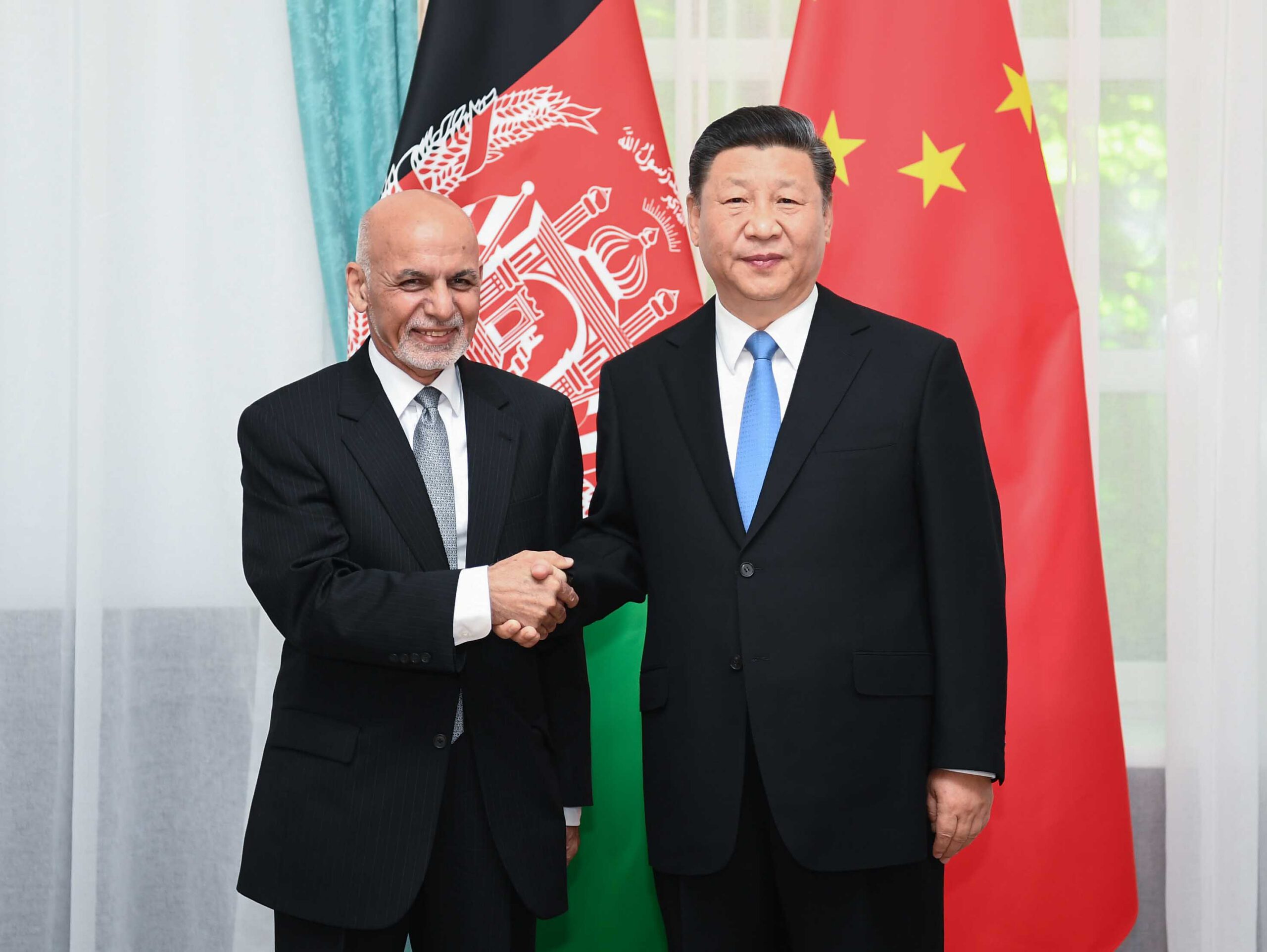
    China’s Economic Stabilization Efforts in Afghanistan: A New Party to the Table?
    Ashraf Ghani - Xi Jinping | June 13, 2019
  • Analysis
  • China’s Economic Stabilization Efforts in Afghanistan: A New Party to the Table?

    The “development is the key” argument is one of the tenets of the Belt and Road Initiative (BRI) and underpins China’s policy in Afghanistan. The turmoil plaguing Afghanistan has both spurred and impeded Beijing’s efforts to expand its economic involvement in the country. Nevertheless, China has gradually become more active in Afghanistan economically as well as politically.

    January 21, 2020

    Trends to Watch in the Middle East in 2020
    Middle East Institute
  • Podcast
  • Trends to Watch in the Middle East in 2020

    MEI experts Robert S. Ford, Fatima Abo Alasrar, and Emad Badi join host Alistair Taylor to survey what lies ahead for the Middle East in 2020, with particular attention to Iran, Syria, Yemen, Libya, Iraq and Algeria.

    January 17, 2020

    US policy in Afghanistan: Smoke and mirrors, but not yet hopeless
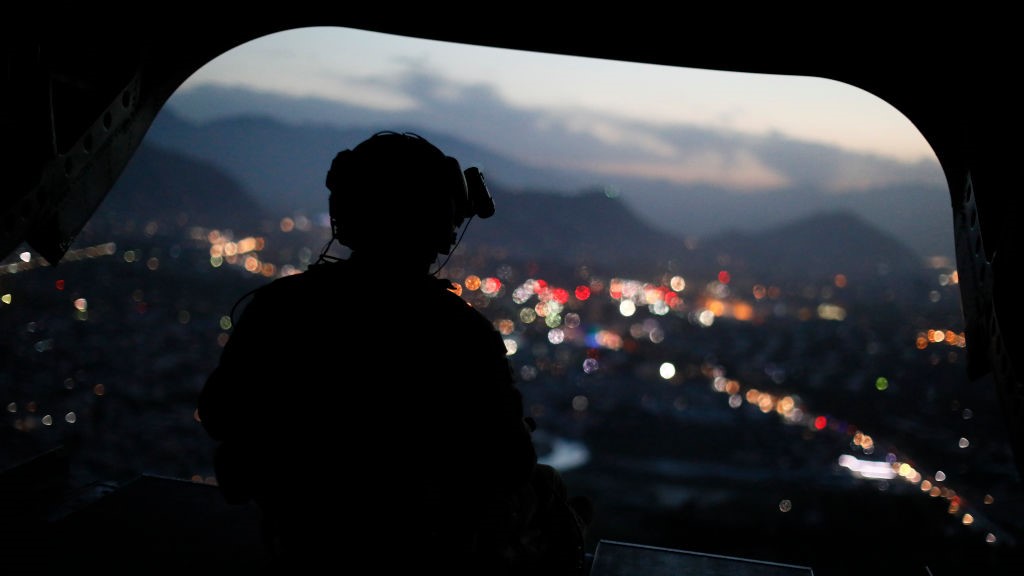
    A US Army serviceman sits at the tailgate of an helicopter carrying US Defence Secretary, after leaving the Resolute Support headquarters, in the Afghan capital Kabul on April 24, 2017.
  • Analysis
  • US policy in Afghanistan: Smoke and mirrors, but not yet hopeless

    18 years after CIA and U.S. special operations elements touched down in Afghanistan to pursue al-Qaeda and topple the Taliban, ongoing, incremental troop reductions reveal the smoke and mirrors manner in which the U.S. is withdrawing from the conflict in lieu of a negotiated settlement.

    January 16, 2020