This individual is a guest contributor. MEI is not able to assist with contact requests.
Shahmahmood Miakhel is the Country Director in Afghanistan for the US Institute of Peace (USIP). Prior to that he was a Governance Advisor for the United Nations Assistance Mission in Afghanistan (UNAMA), and, from 2003–2005, a Deputy Minister of the Interior in the Government of Afghanistan. In 1994–1995 he worked for the United Nations Development Programme (UNDP) and United Nations Office for Project Services (UNOPS) in South and Southeast Afghanistan helping to establish District Rehabilitation Shuras (DRS). He also worked as a reporter for the Pashto service of the Voice of America from 1985–1990.
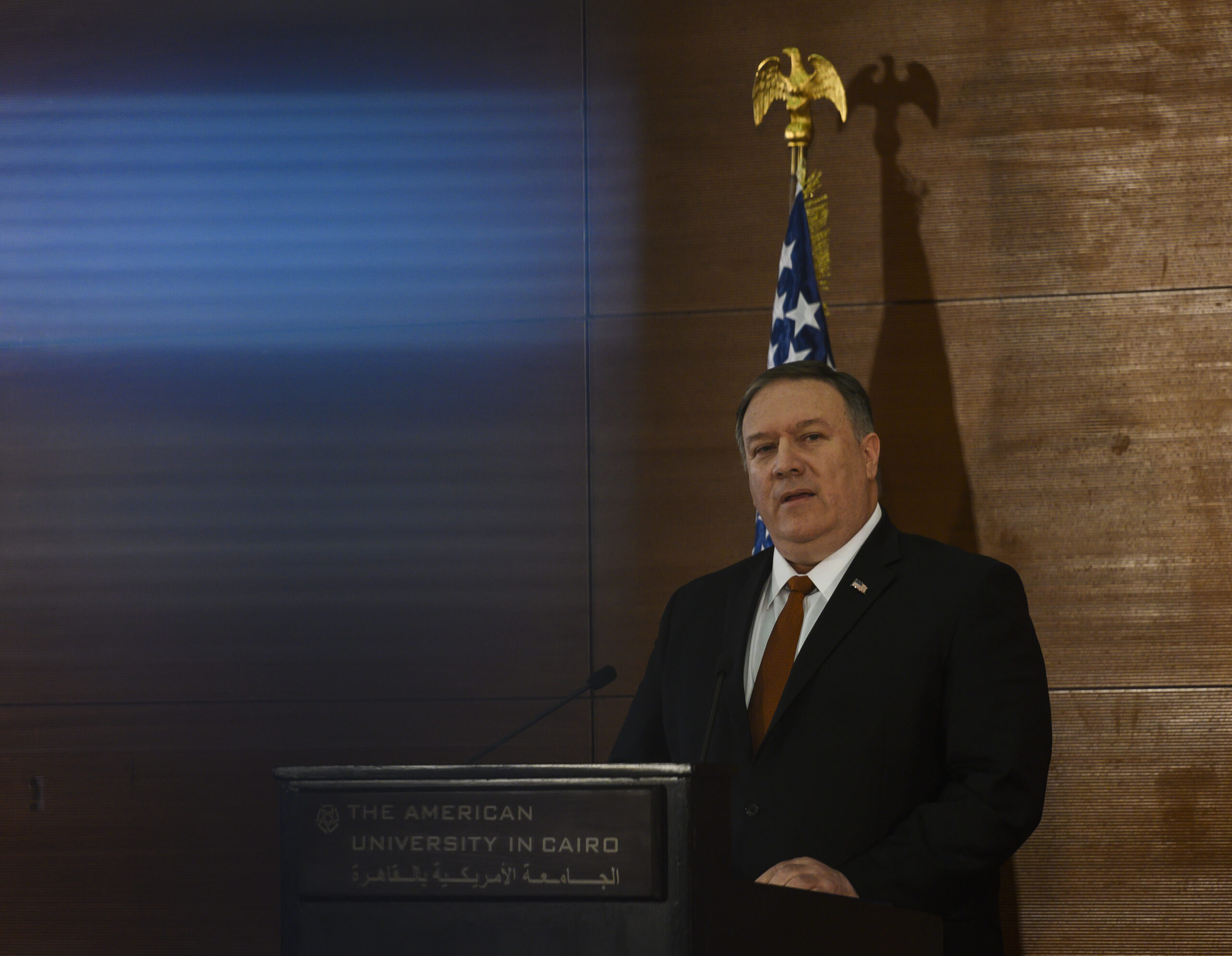
Weekly Briefing: Pompeo’s visit raises more questions than it answers
In this week’s Monday Briefing, MEI experts Gerald Feierstein, Paul Salem, Alex Vatanka, W. Robert Pearson, and Mirette F. Mabrouk provide analysis on recent and upcoming events including Secretary of State Mike Pompeo’s recent visit to the Middle East, recent protests in Sudan, Iranian outreach to Baghdad, President Trump’s discussion with President Erdogan on treatment of the Kurds, and the first meeting of the East Mediterranean Gas Forum.
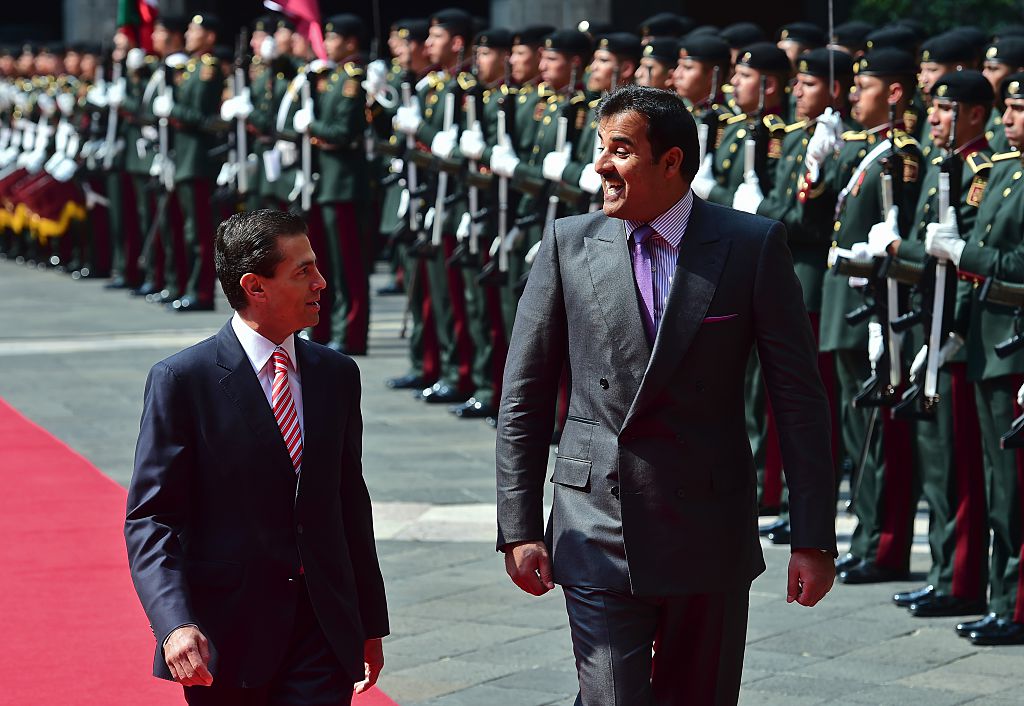
A growing partnership: Gulf crisis fosters Qatar-Mexico ties
Since Sheikh Tamim became emir in 2013, and especially since the diplomatic and economic blockade of Qatar began in mid-2017, Doha and Mexico City have begun to develop an increasingly fruitful partnership.
Extra: Turkey’s domestic and foreign challenges in 2019
MEI’s Gonul Tol and Robert Pearson join host Alistair Taylor for a deeper dive into Turkey’s upcoming local elections in late March, the country’s economic slowdown, and its foreign policy challenges in Syria.
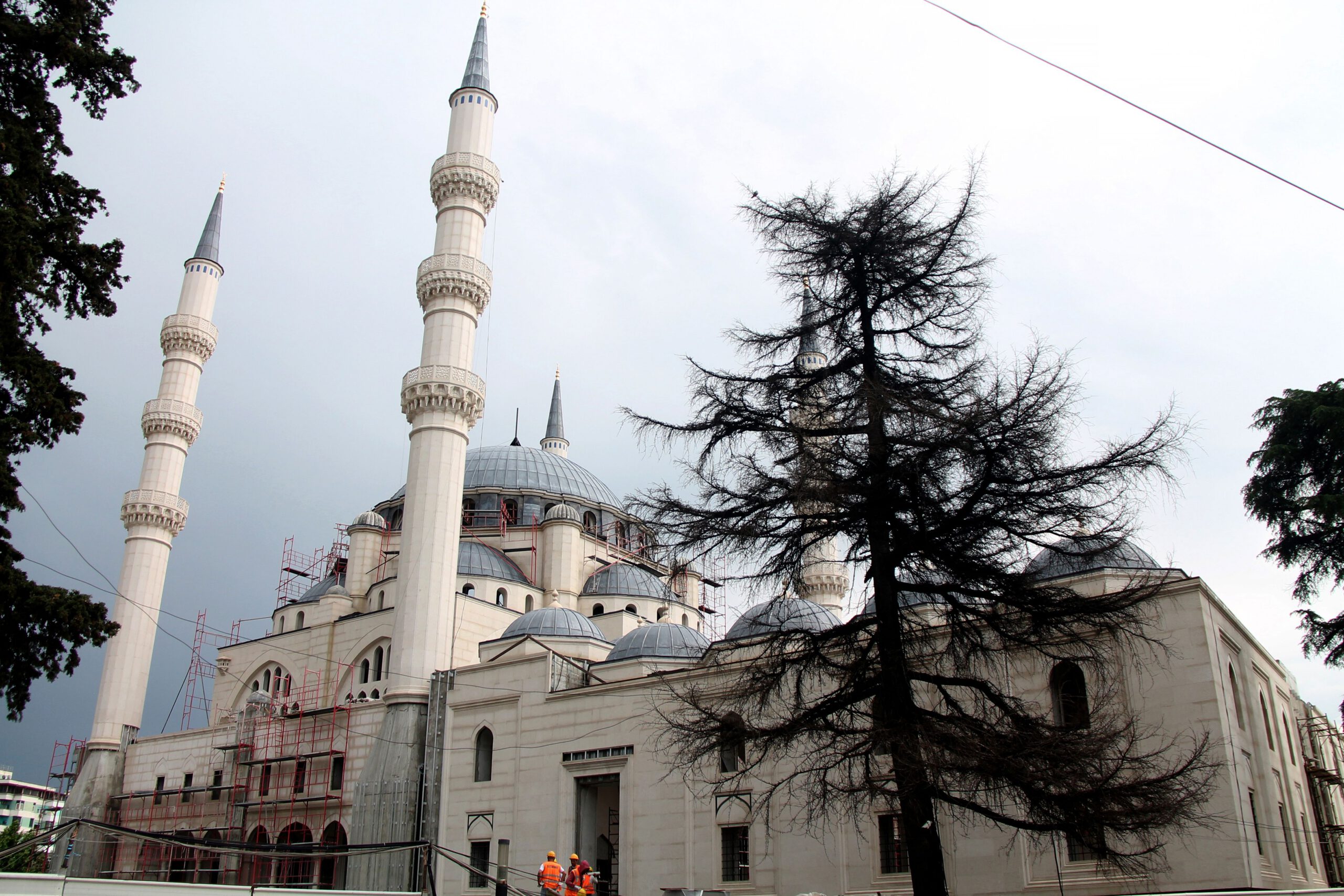
Under the leadership of Turkish President Recep Tayyip Erdogan, whose Justice and Development Party (AKP) has Islamist roots, religion has become a critical instrument of Turkish foreign policy.
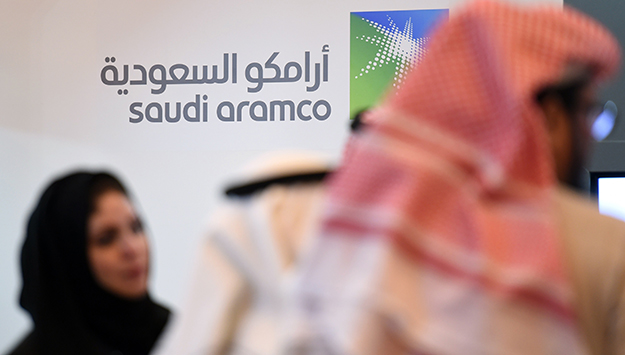
Saudi Arabia travels back to the future with King Salman Energy Park
The launch of King Salman Energy Park, a new megaproject intended to reinforce Saudi Arabia’s position as a global energy hub, reflects a more cautious approach to economic development in the kingdom and foreshadows a less ambitious economic agenda in 2019.
In our first episode of 2019, MEI experts Paul Salem, Charles Lister, Ahmad Majidyar, Randa Slim, Gonul Tol, Robert Pearson, and Gerald Feierstein discuss the significant policy developments and announcements of the past few weeks and outline the major issues to watch in the year ahead.
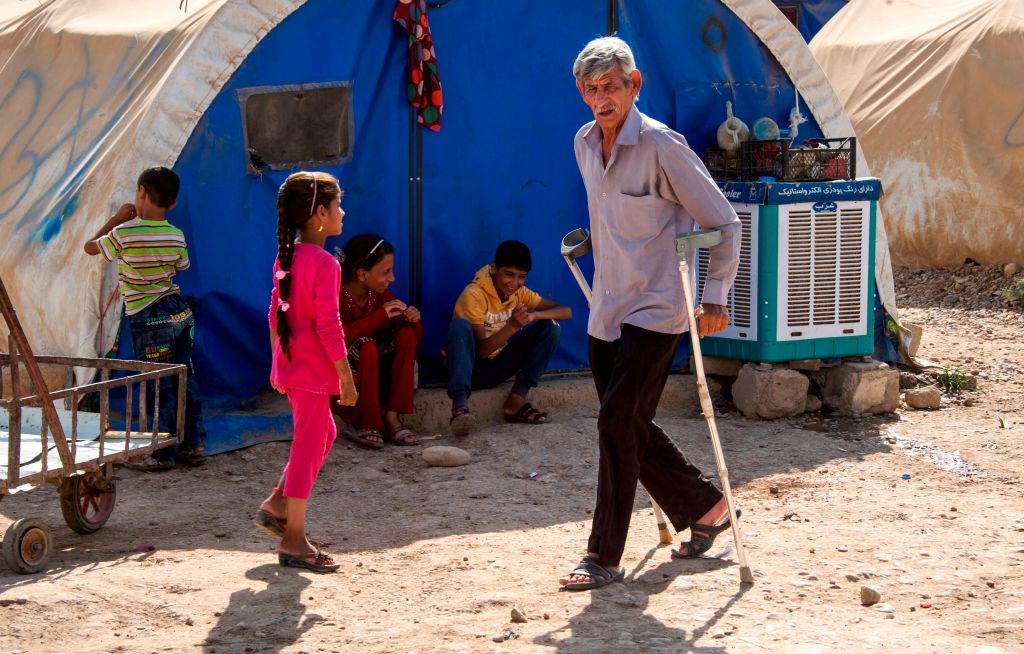
A year after the defeat of ISIS in Iraq, what has changed?
On Dec. 9, 2017, Iraq’s then prime minister, Haider al-Abadi, declared victory over ISIS. However, in the year since then Iraq has continued to face critical challenges, including an internally displaced person crisis and the legitimization of militia groups.
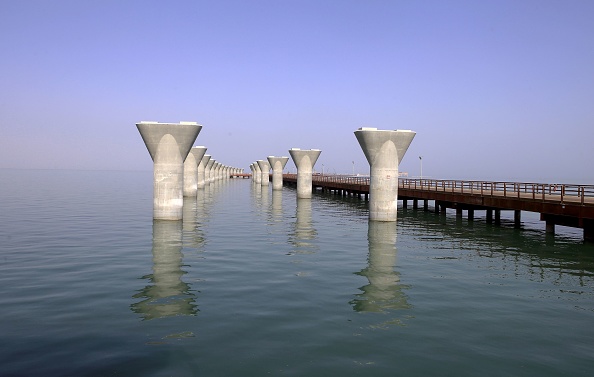
Bridge to a Brighter Future? South Korea’s Economic Relations with the Gulf
This article discusses the broad effort by Korean firms — supported by three successive administrations — to enhance their position in the fiercely competitive Gulf regional market at a time when the domestic economy is sputtering.
A new crisis is brewing between Saudi Arabia and Turkey, and this one is going to be much more severe and damaging than the dispute over the murder of Saudi journalist Jamal Khashoggi.
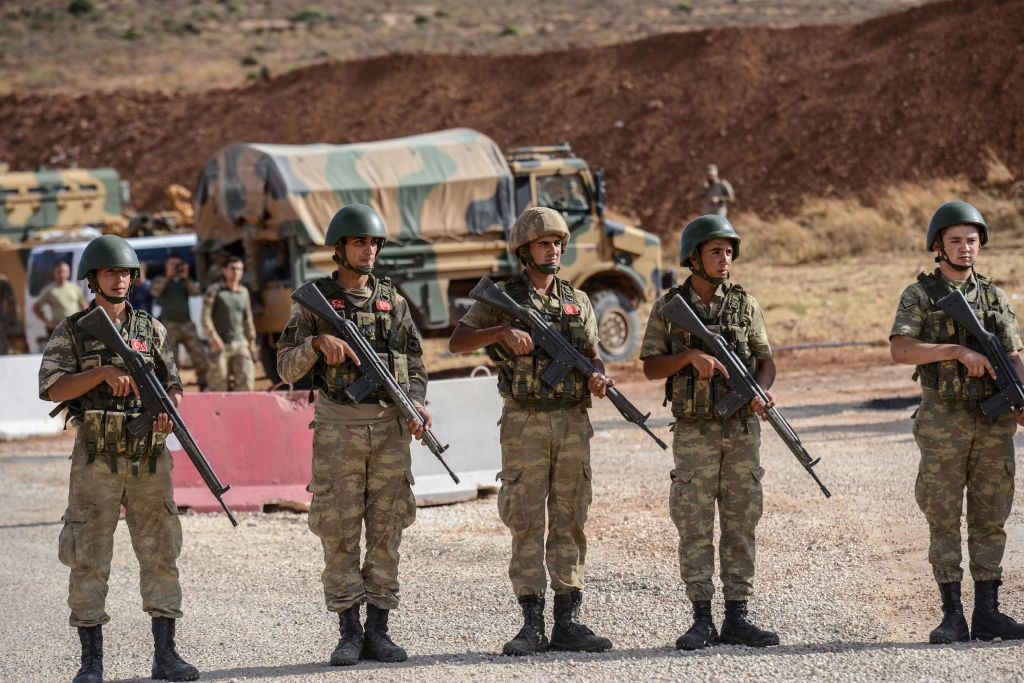
A poisoned chalice? US withdrawal from Syria would create new risks for Moscow
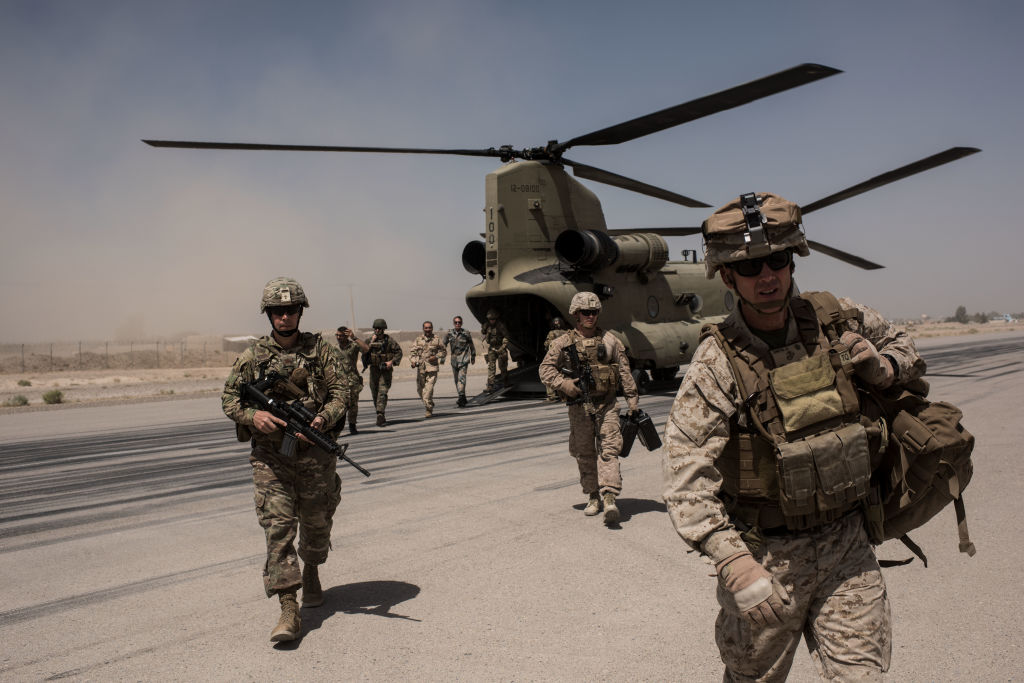
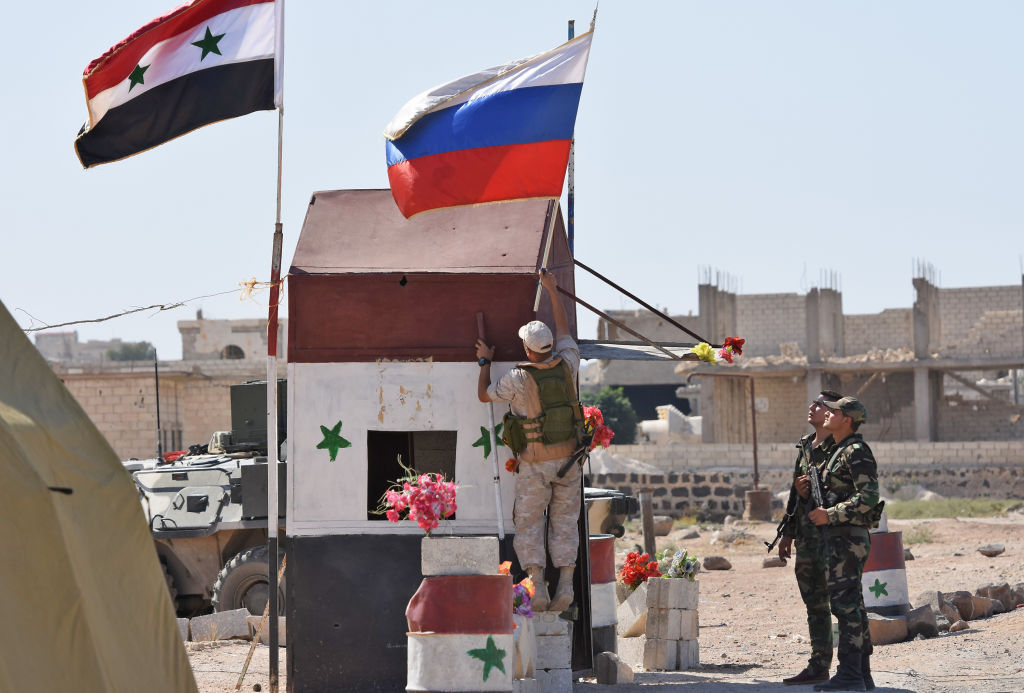
At first glance Trump’s decision to withdraw U.S. troops from Syria might seem to benefit Moscow. But dig a little deeper and the situation becomes much less clear and creates a lot of ambiguity and complexity for Russia.
Making the right move on Syria … for the wrong reasons
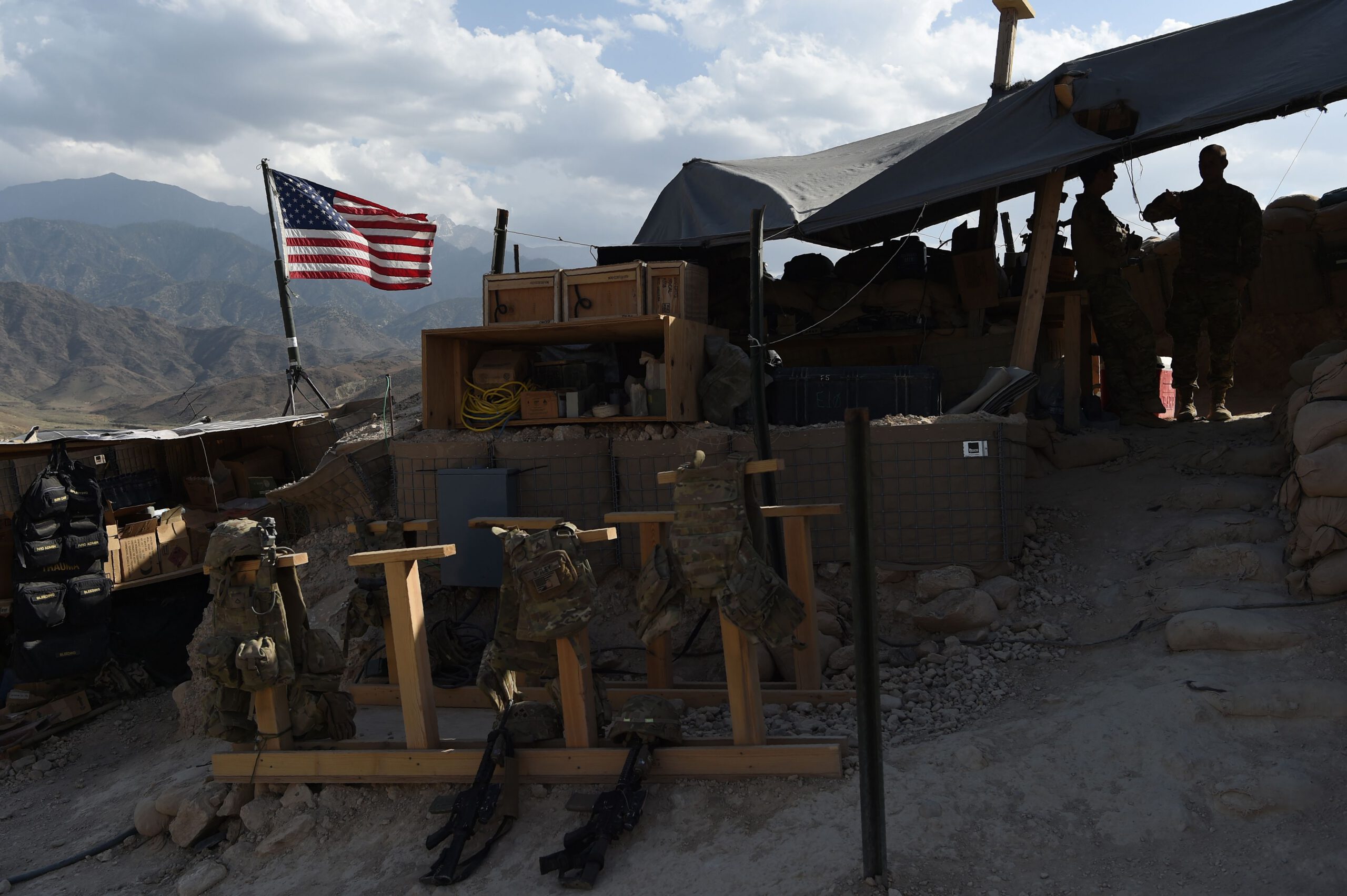
President Donald Trump is doing the right thing on Syria — removing U.S. forces — but for the wrong reasons. As a consequence, the value and import of his decision will be less than might otherwise be the case.
Mergers and assassinations as Tripoli remains under militia control
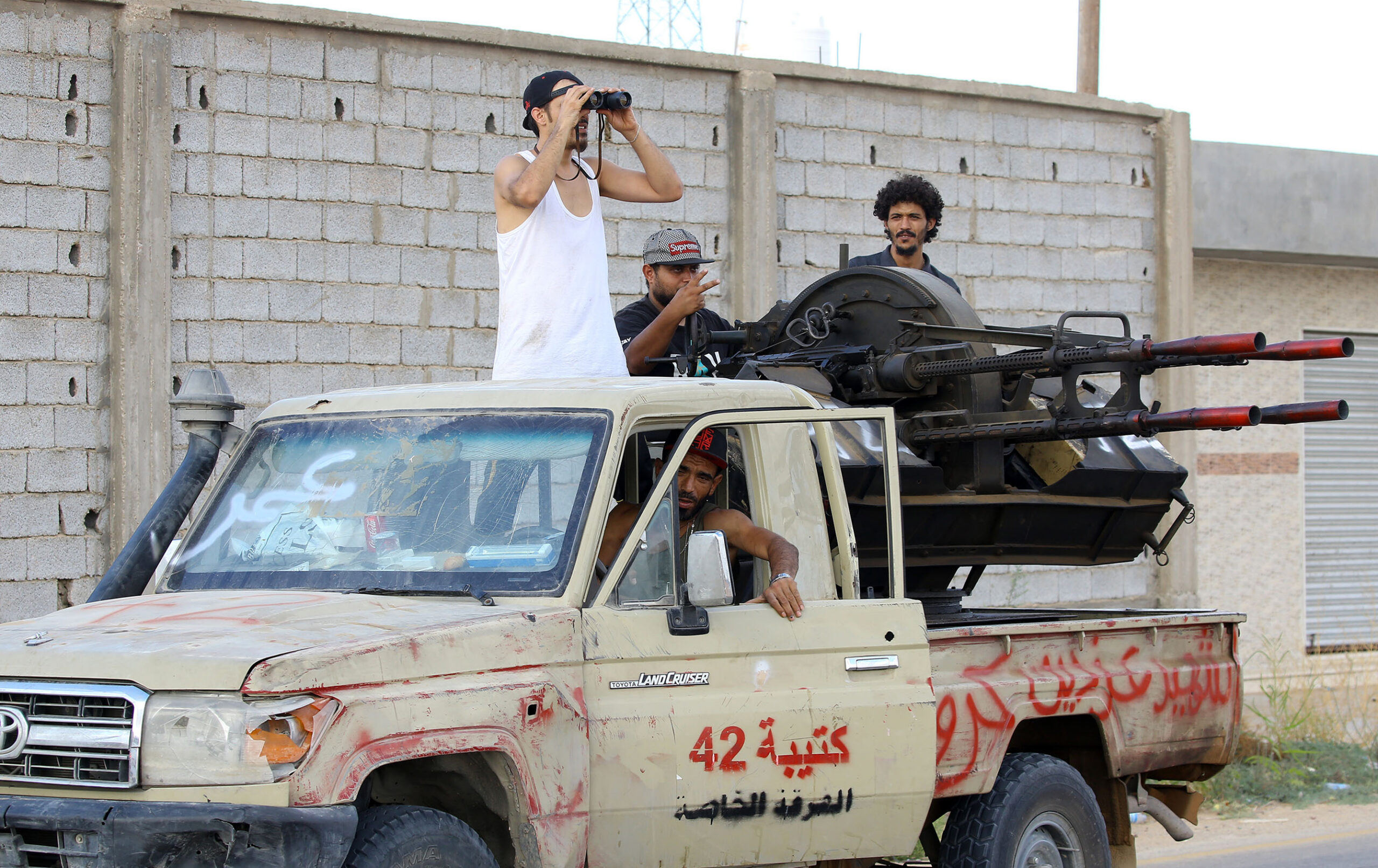
On Dec. 18, 2018, the seaport in Libya’s capital was the scene of a surprising yet deft maneuver orchestrated by the city’s four main armed groups, namely the Tripoli Revolutionaries’ Brigade (TRB); Abu Salim’s Special Deterrence Force; the Nawasi Battalion; and the Bab Tajoura Brigade.
Trump’s Syria decision was essentially correct. Here’s how he can make the most of it.
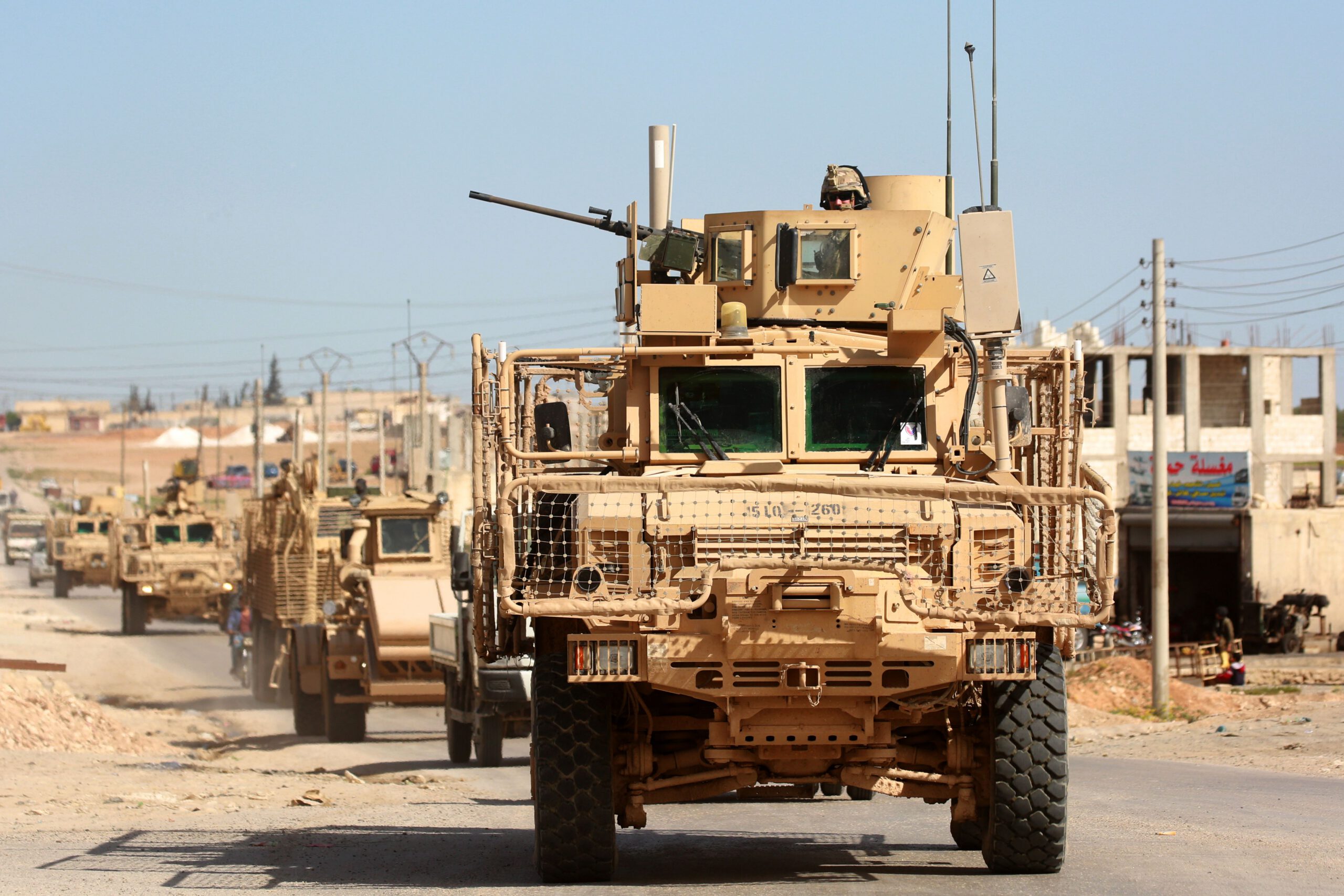
President Trump’s Dec. 23 tweet promising a “slow and highly coordinated” withdrawal of U.S. forces from Syria may ease the gnashing of teeth among officials and analysts in Washington, but it won’t end the criticism of his decision. That is precisely why the president should view the hullabaloo that erupted after he announced the Syrian pullout as an opportunity to take a number of steps to make the most of his essentially correct, but widely unpopular, move.