Shahmahmood Miakhel is the Country Director in Afghanistan for the US Institute of Peace (USIP). Prior to that he was a Governance Advisor for the United Nations Assistance Mission in Afghanistan (UNAMA), and, from 2003–2005, a Deputy Minister of the Interior in the Government of Afghanistan. In 1994–1995 he worked for the United Nations Development Programme (UNDP) and United Nations Office for Project Services (UNOPS) in South and Southeast Afghanistan helping to establish District Rehabilitation Shuras (DRS). He also worked as a reporter for the Pashto service of the Voice of America from 1985–1990.
The Latest from Shahmahmood Miakhel
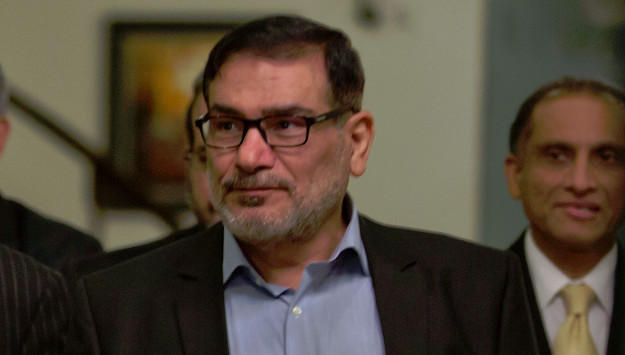
US-EU working group on nuclear deal worries Tehran
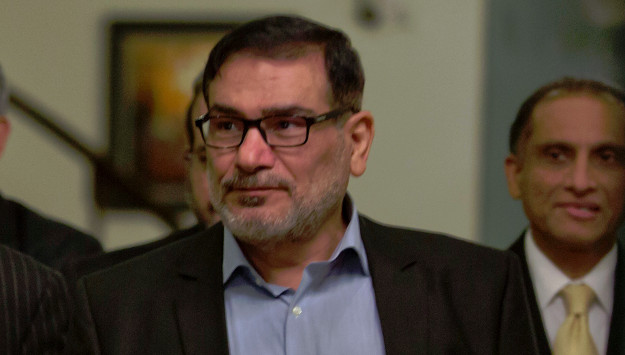
The secretary of Iran’s Supreme National Security Council has urged European powers not to support the Trump administration’s efforts to amend or cancel the Joint Comprehensive Plan of Action (JCPOA) – the nuclear deal Tehran signed with world powers in 2015. Ali Shamkhani also stressed that Tehran would not renegotiate the nuclear accord.

Tumult in Tunisia
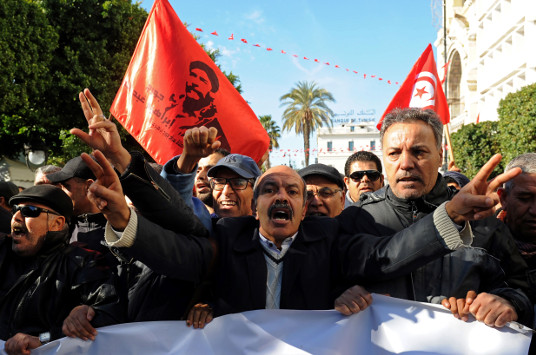
Widespread protests have rocked Tunisia in recent weeks in response to a series of tax increases, exposing a general frustration among the population who have yet to see the fruits of the 2011 revolution. Are these the growing pains of a nascent democracy, or is Tunisia at another breaking point? Dokhi Fassihian (Freedom House), Eric Goldstein (Human Rights Watch), and Tunisian journalist and researcher Asma Ghribi join Paul Salem to discuss.
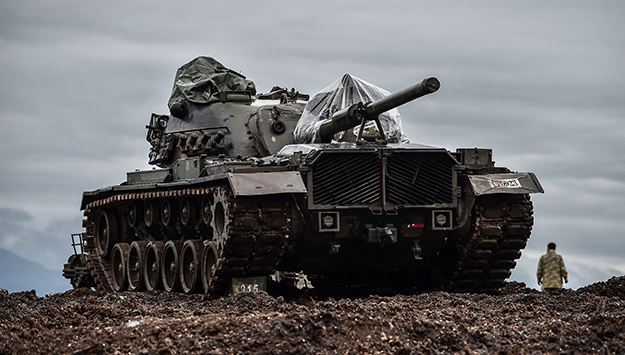
How to Wage War in Syria and Win an Election in Turkey
Read the full article on The National Interest.
The Impact of Trump's Jerusalem Move: A Conversation with PLO Ambassador Husam Zomlot
Iran’s border regions seeing an upsurge in militant activity
The Iranian Intelligence Ministry announced on Wednesday that its agents had seized two large caches of weapons and explosives intended for “terrorist operations” in public areas, the Iranian media reported.
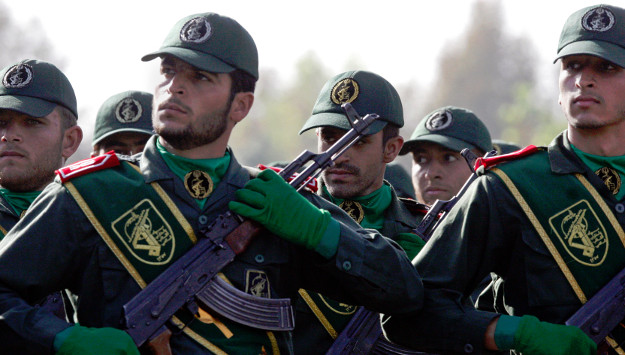
IRGC denies knowledge of Khamenei’s edict on armed forces’ role in economy
A senior official of the Islamic Revolution Guards Corps (IRGC) has said that he has no information about a recent decree reportedly issued by Supreme Leader Ali Khamenei calling on the country’s armed forces to transfer their investment holdings and commercial assets to the private sector. “I was unable to find such a declaration and have not seen it,” Brigadier General Mohammad-Saleh Jokar, the deputy head of IRGC in parliamentary and legal affairs told Etemad Online.
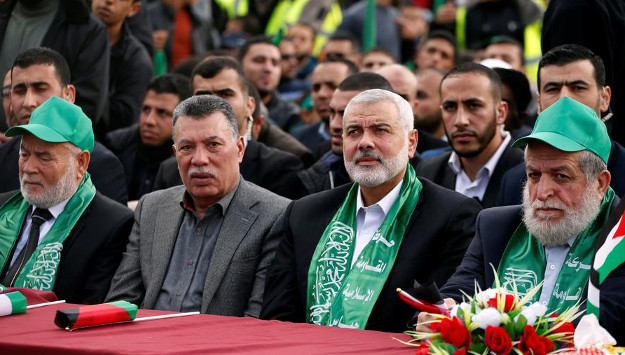
Iran and Hamas seeking to further boost relations
The spokesman for the Palestinian militant group Hamas thanked Iran for its support to the “anti-Israeli resistance front.” In an interview with Tasnim News Ag
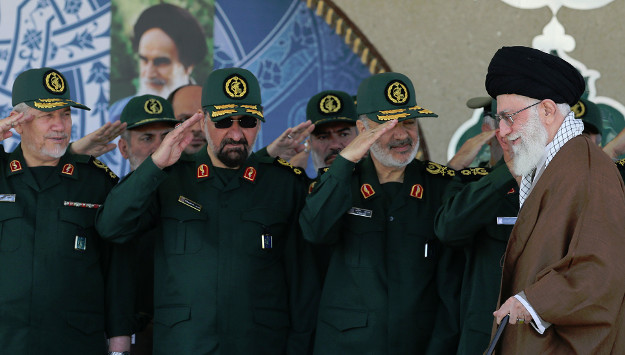
Khamenei’s ruling unlikely to loosen IRGC's grip on Iran's economy
On January 20, Iran’s defense minister said that Supreme Leader Ali Khamenei has ordered the country’s powerful Islamic Revolution Guards Corps (IRGC) to curtail its growing business empire and divest its commercial assets that are not relevant to its domain of work. The announcement has raised the hope that the regime may have finally decided to loosen the IRGC’s grip on the economy.
What does 2018 have in store for Turkey?
January 24, 2018 – Turkey began 2018 embroiled in domestic dissent and diplomatic friction. Last April’s constitutional referendum was met with widespread criticism as an attempt by President Erdogan to consolidate power. Activists and journalists face increasing restrictions on their rights, the government continues its crackdown on the opposition, and debates swirl over the future of Turkey’s economy, the Kurdish question, and relations with the United States and European Union.
Political Protests, Global Islam and National Activism: Deciphering the Motivations behind Indonesia’s “Conservative Turn”
This article shows through the examination of the Majelis Intelektual dan Ulama Muda Indonesia (Council for Young and Intellectual Ulama of Indonesia, MIUMI) that the success of Middle Eastern Islamic doctrines has less to do with undermining an “Indonesian” Islam, than adapting their basic tenets to the democratic environment and building bridges to established Indonesian religious institutions. Accordingly, “Indonesian” and “Middle Eastern” Islam are distinctions that are more malleable than they may first appear.
Iran rejects Western demands for JCPOA, missile talks
The secretary of Iran’s Supreme National Security Council said the Islamic Republic will not negotiate with Western powers to amend the Joint Co