This individual is a guest contributor. MEI is not able to assist with contact requests.
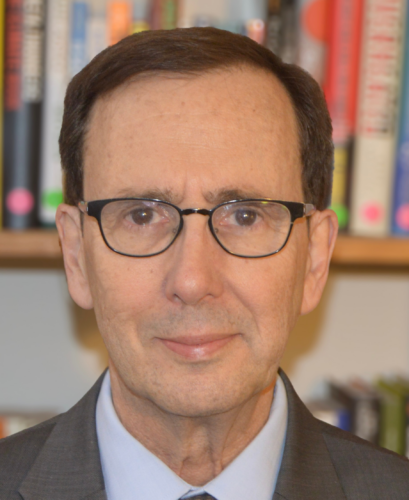
Shahmahmood Miakhel is the Country Director in Afghanistan for the US Institute of Peace (USIP). Prior to that he was a Governance Advisor for the United Nations Assistance Mission in Afghanistan (UNAMA), and, from 2003–2005, a Deputy Minister of the Interior in the Government of Afghanistan. In 1994–1995 he worked for the United Nations Development Programme (UNDP) and United Nations Office for Project Services (UNOPS) in South and Southeast Afghanistan helping to establish District Rehabilitation Shuras (DRS). He also worked as a reporter for the Pashto service of the Voice of America from 1985–1990.
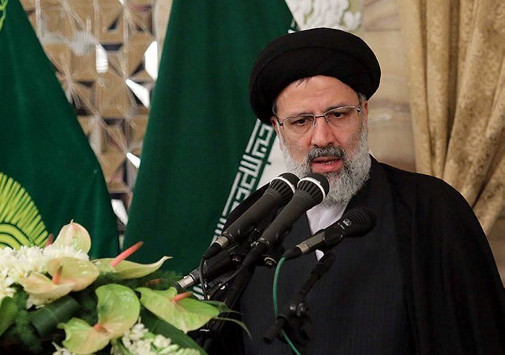
Iranian President Hassan Rouhani’s re-election is in doubt thanks to an unassuming cleric who only recently entered the public spotlight. On April 9, Ebrahim Raisi, a longtime behind-the-scenes operative of the Islamic Republic closely associated with Supreme Leader Ayatollah Ali Khamenei, declared his candidacy in Iran’s May 19 presidential election.
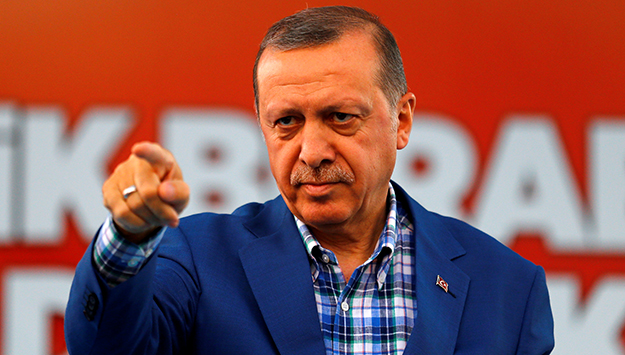
On Sunday, Turks will decide their political fate for decades to come. If President Recep Tayyip Erdogan wins, he will reach a new pinnacle in a remarkable career to solidify his unchallengeable rule in Turkey, and cement his role to rival that of Ataturk in modern Turkish history. He will still not be fully satisfied with a victory, if it comes. He will go on to use the win as a platform for securing an historic legacy to guide the Turkish state for the years ahead.
U.S. Treasury’s Latest Human Rights Sanctions Anger Tehran
Iran’s Foreign Ministry has reacted angrily to the latest U.S. sanctions on the Tehran Prisons Organization and a top Iranian official for human rights abuses in the country.
Iran and Russia Reaffirm Support for Damascus in Defiance of U.S. Warnings
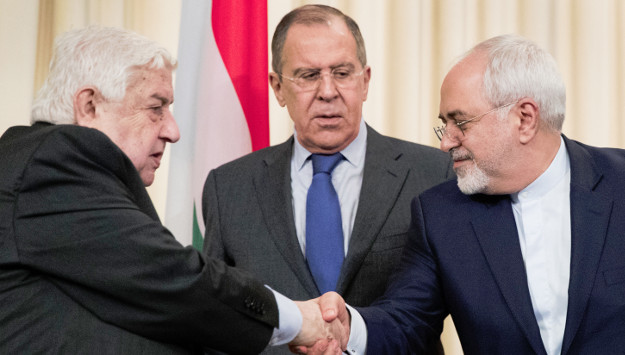
Foreign ministers of Iran, Syria and Russia warned the United States against further military strikes in Syria and reiterated support for the government of Bashar al-Assad in a trilateral meeting in Moscow on Friday, the Iranian media reports.
Voices from Turkey: What Locals Think of the Referendum
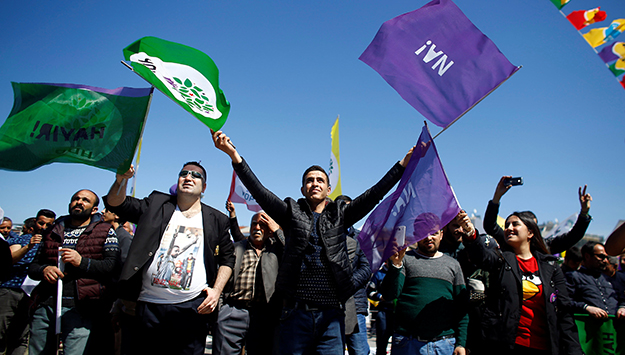
On April 16, Turkish citizens will head to the polls to vote in a landmark referendum on the proposed constitutional changes that, if passed, will transition the country from a parliamentary system to a presidential one. This referendum is the pinnacle of an election cycle that has been in motion since 2014, and has left the country increasingly polarized.
Hezbollah, the Lebanese Sectarian State, and Sectarianism
This essay discusses Hezbollah’s gradual acceptance of Lebanon’s sectarian political system, the means by which it has achieved hegemony over Lebanon’s Shiite population, and how its intervention in Syria has accentuated sectarianism and Sunni-Shiite tensions in Lebanon.
Iran-Controlled Militia Groups Playing Key Role in Operations in Mosul, Kirkuk
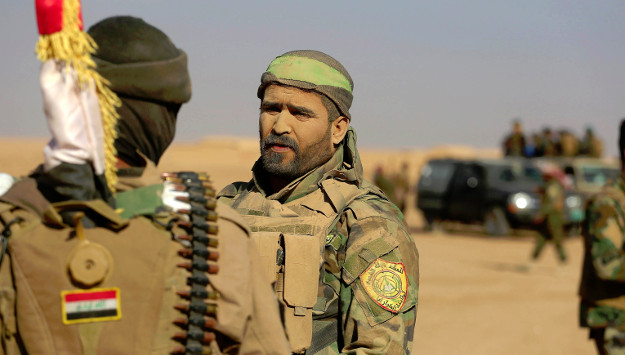
The spokesman of Iraq’s Popular Mobilization Forces (P.M.F.) reiterated today that its forces will play a leading role in military operations in the Iraqi provinces of Nineveh and Kirkuk – particularly in the strategic city of Tal Afar in western Mosul. “The Popular Mobilization Forces have a commanding and extensive presence and participation in operational zones in Nineveh Province,” P.M.F.
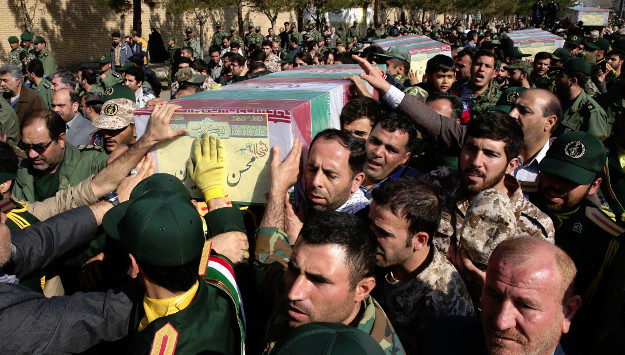
The commander of Iran’s Army Ground Forces has announced an increase in the number and range of drones used during the Ground Forces’ operations across the country.
Islamist Terrorism in Pakistan: New Alignments, New Tactics
Much has been written on the evolution of Islamist terrorism in Pakistan, the role of military dictatorships in nurturing Islamist terrorist groups, and Islamist parties and proselytizing groups working hand in glove with terrorists. Al-Qaeda and the Afghan Taliban were born in Pakistan, in addition to the country’s own long list of local terrorist groups such as the multi-faceted Tehreek-e-Taliban Pakistan (T.T.P.). Pakistan is now going through a new phase of Islamist militancy, with new alignments and the adoption of new tactics by jihadists.
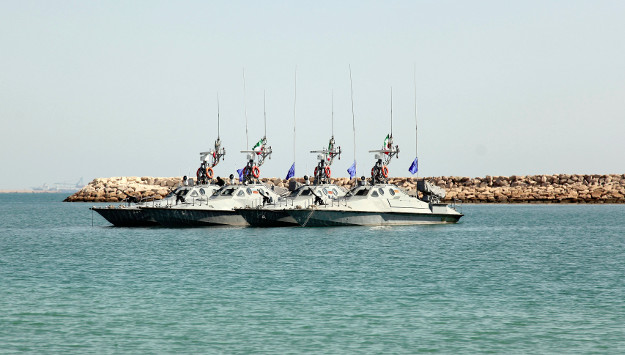
Iran’s Army Set to Launch Production Line for Four New Military Products
A top Iranian military commander has announced that the country’s Army Ground Force will commence the production lines of four “strategic” military products in the current Iranian year, wh