This individual is a guest contributor. MEI is not able to assist with contact requests.
Shahmahmood Miakhel is the Country Director in Afghanistan for the US Institute of Peace (USIP). Prior to that he was a Governance Advisor for the United Nations Assistance Mission in Afghanistan (UNAMA), and, from 2003–2005, a Deputy Minister of the Interior in the Government of Afghanistan. In 1994–1995 he worked for the United Nations Development Programme (UNDP) and United Nations Office for Project Services (UNOPS) in South and Southeast Afghanistan helping to establish District Rehabilitation Shuras (DRS). He also worked as a reporter for the Pashto service of the Voice of America from 1985–1990.
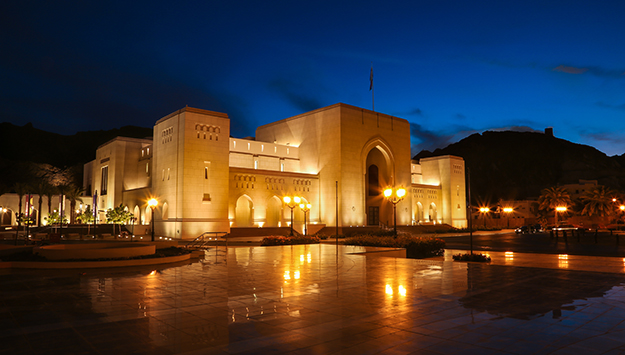
Director Jamal al-Moosawai wanted the new National Museum of Oman to be a space that grows and expands with its knowledge base, and is in tune with ongoing archaeological discoveries in the Arab country.
The result of a ten year collaboration between the Ministry of Heritage and Culture, the Royal Estate Affairs of Oman, Jasper Jacob Associates (J.J.A.), and Arts Architecture International Ltd (A.A.I.), the museum’s blend of the traditional and the contemporary, as well as its high-tech research facilities, make it unique in the region.
Iran-Backed Iraqi Militias Mulling Post-Mosul Role in Syria
As the Iraqi security forces are moving deeper into eastern districts of Mosul, the Iranian media reports that militia groups from the Popular Mobilization Forces (PMF) are making territorial gains against the Islamic State in Mosul’s western region.
Tehran-Moscow Ties Growing but Alliance Remains Shaky
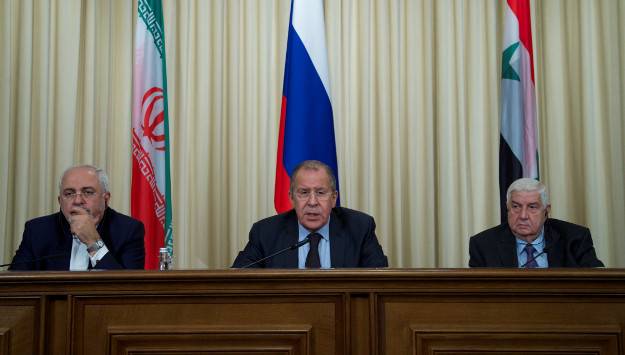
At the invitation of Iran’s Parliament Speaker Ali Larijani, the chairwoman of the Federation Council of Russia, the country’s upper house of parliament, is
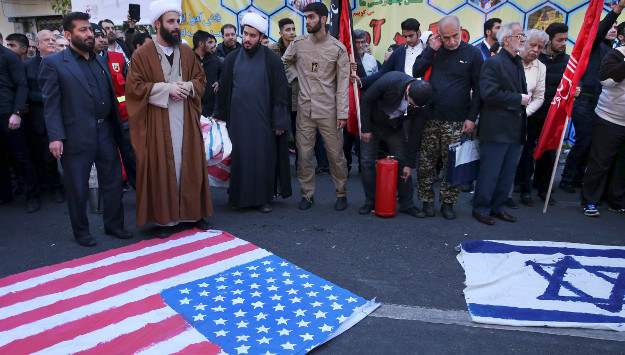
Iran Marks Embassy Seizure Anniversary with "Death to America" Slogan
Tens of thousands of Iranians marched across Iran to mark the anniversary of the seizure of the US Embassy in Tehran following the Islamic Revolution in the country in 1979.
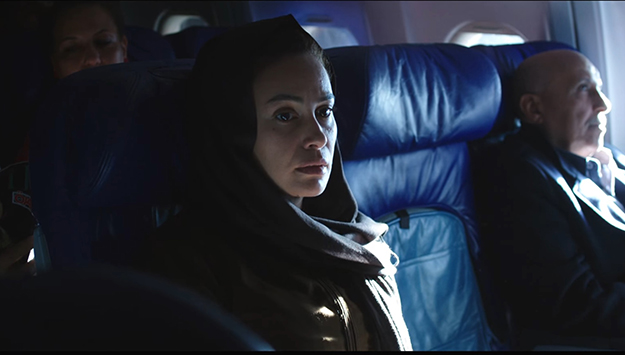
To be a cinephile in Tunis is a patriotic act. Tunisians came out in droves to last year’s Carthage Film Festival, which occurred a day after a terror attack targeting security forces.
“Everyone came out in defiance of the situation, to show their solidarity and love of cinema,” Tunisian journalist and festival staffer Yosr Hazgui said.
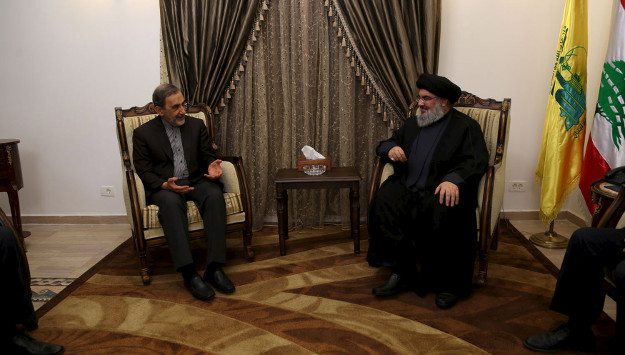
Iran Hails Aoun’s Election as Victory for Resistance
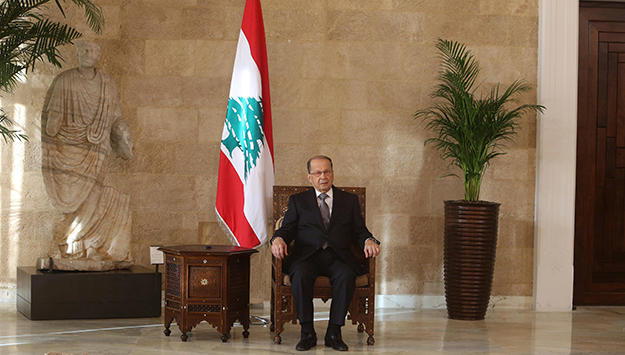
On Monday, Lebanon’s lawmakers ended more than two years of political gridlock and elected Michel Aoun as the country’s president. The news was greeted with elation in Tehran as Aoun, a former general from Lebanon’s Christian community, is a close ally of Iran-backed militia and political party Hezbollah.
When Osama bin Laden carefully recruited a number of Saudis to carry out the 9/11 attacks, his intention was to drive a wedge between his two enemies, the United States and the Saudi government. Fifteen years after the attacks, the JASTA legislation appears to be doing just that.
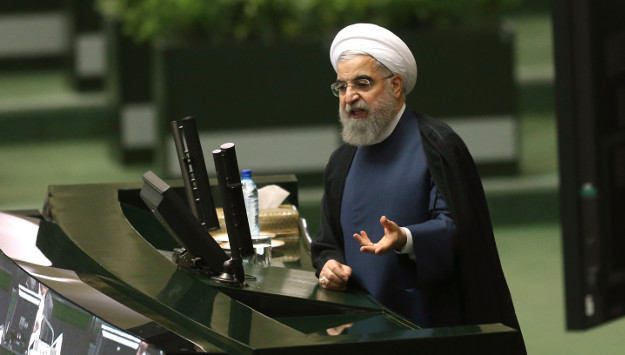
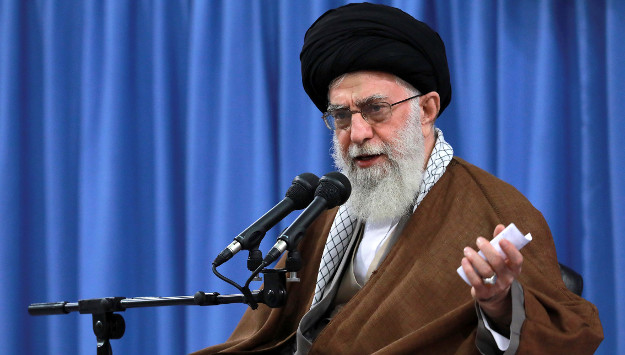
On November 2, Iran’s Supreme Leader Ali Khamenei warned that compromise with the United States would only aggravate the country’s problems. He accused Washington of continuing hostile policies against Tehran and not abiding by the terms of the 2015 nuclear agreement.
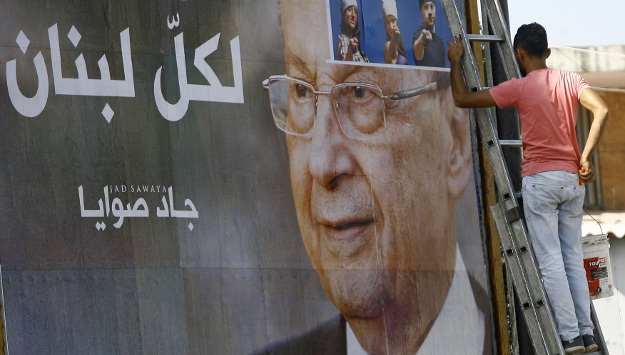
“Kullun haramiyyeh” — “they’re all thieves” — is the most common sentiment about Lebanon’s politics on the streets of Beirut. You’ll hear it from street vendors, waiters, students, teachers, architects, taxi drivers, doctors, Muslims, and Christians. It’s a view, in short, that unites this perpetually fragmented country.
After a hiatus of two and a half years, Lebanon has a new president. The Lebanese parliament has elected Michel Aoun, a former army chief, as the country’s 17th president. Michel Aoun owes the presidency to three men: Samir Geagea, the leader of the Christian Lebanese forces, Saad Hariri, the former Sunni prime minister, and Hassan Nasrallah, the leader of the Shiite Hezbollah.