This individual is a guest contributor. MEI is not able to assist with contact requests.
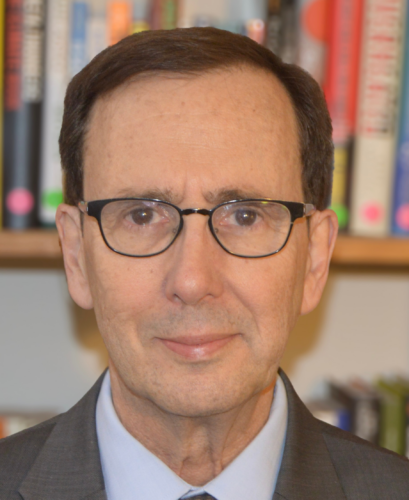
Shahmahmood Miakhel is the Country Director in Afghanistan for the US Institute of Peace (USIP). Prior to that he was a Governance Advisor for the United Nations Assistance Mission in Afghanistan (UNAMA), and, from 2003–2005, a Deputy Minister of the Interior in the Government of Afghanistan. In 1994–1995 he worked for the United Nations Development Programme (UNDP) and United Nations Office for Project Services (UNOPS) in South and Southeast Afghanistan helping to establish District Rehabilitation Shuras (DRS). He also worked as a reporter for the Pashto service of the Voice of America from 1985–1990.
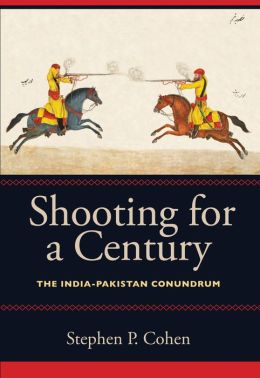
A Discussion With Stephen Cohen, Author of Shooting for a Century: The India-Pakistan Conundrum
The Middle East Institute is proud to host author and Brookings senior fellow Stephen P. Cohen for a reading and discussion of his book, Shooting for a Century: The India-Pakistan Conundrum (Brookings Institution Press, 2013). In his latest book, Dr. Cohen explores one of the most intractable conflicts in modern history and examines the parallels with the ongoing Israeli-Palestinian conflict, observing how nuclear weapons, minority and victim psychology, and outside powers come into play in both regions. Widely regarded as one of America’s foremost experts on South Asian affairs, Dr.
Assessing the Past, Informing the Future: U.S. Aid Policy in Afghanistan & Pakistan
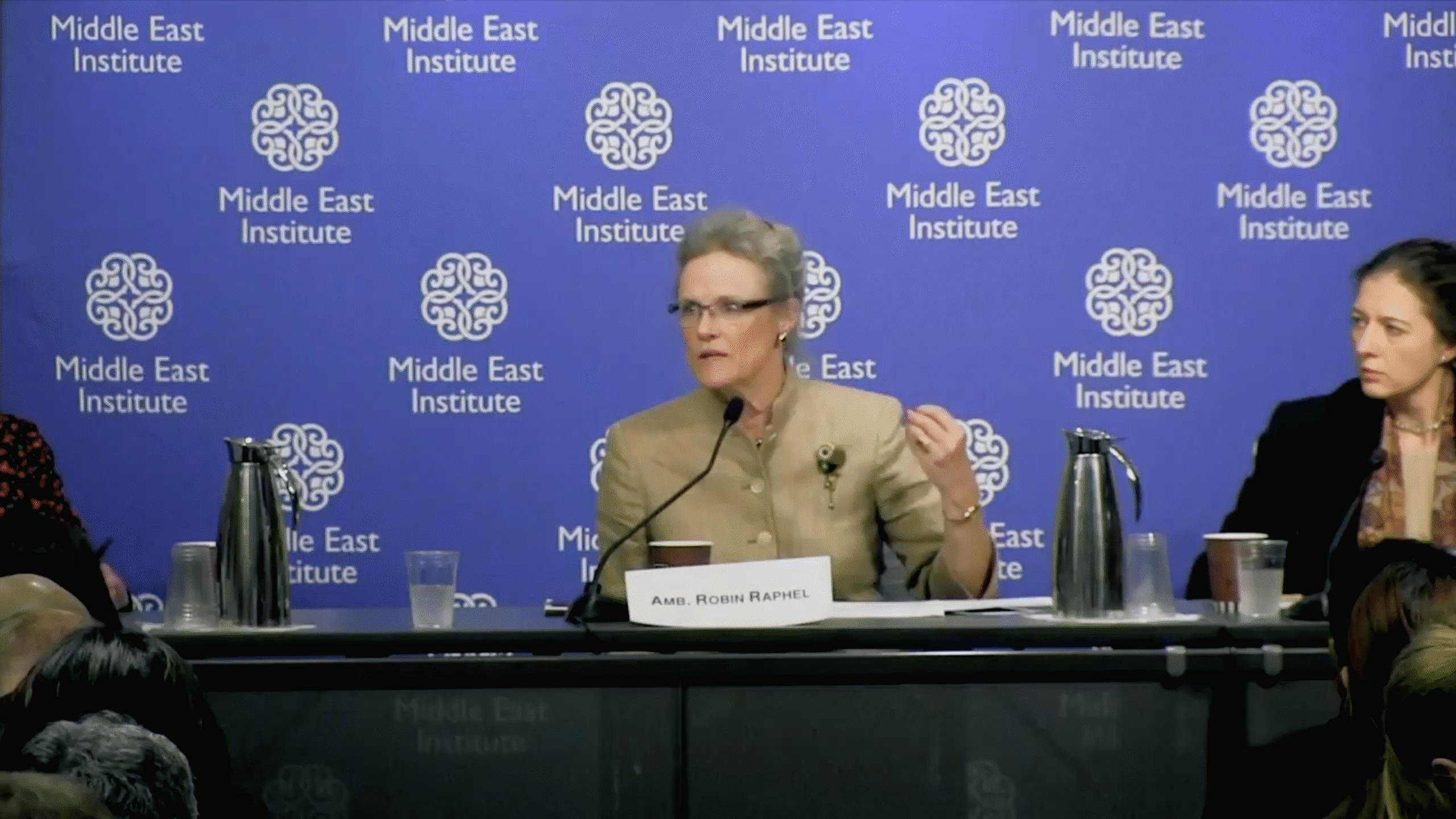
The Middle East Institute is pleased to welcome Vanda Felbab-Brown, senior fellow with the Center for 21st Century Security and Intelligence in the Foreign Policy program at Brookings, independent consultant Polly Nayak, Amb. Robin Raphel, U.S. Coordinator for Non-Military Assistance to Pakistan, and Alex Thier, assistant to the Administrator for Policy, Planning, and Learning at USAID, for a panel discussion examining how the US can contribute to the stability of post-2014 Afghanistan and Pakistan through economic and development assistance.
History weighs heavily on any political movement, and the Muslim Brotherhood in Syria is no different. Over eight decades, the group has adapted to survive. This malleability has kept the Brotherhood, or Ikhwan, alive as an independent organization, but historical experiences have changed it in profound ways and are helping to marginalize it during the current crisis.
Assessing the Past, Informing the Future: U.S. Aid Policy in Afghanistan & Pakistan
Thu, 9/19/2013 12:00 pm to 1:30 pmThe Middle East Institute is pleased to welcome Vanda Felbab-Brown, senior fellow with the Center for 21st Century Security and Intelligence in the Foreign Policy program at Brookings, independent consultant Polly Nayak, Amb. Robin Raphel, U.S. Coordinator for Non-Military Assistance to Pakistan, and Alex Thier, assistant to the Administrator for Policy, Planning, and Learning at USAID, for a panel discussion examining how the US can contribute to the stability of post-2014 Afghanistan and Pakistan through economic and development assistance.
Assessing the Past, Informing the Future: U.S. Aid Policy in Afghanistan & Pakistan
Thu, 9/19/2013 12:00 pm to 1:30 pmThe Middle East Institute is pleased to welcome Vanda Felbab-Brown, senior fellow with the Center for 21st Century Security and Intelligence in the Foreign Policy program at Brookings, independent consultant Polly Nayak, Amb. Robin Raphel, U.S. Coordinator for Non-Military Assistance to Pakistan, and Alex Thier, assistant to the Administrator for Policy, Planning, and Learning at USAID, for a panel discussion examining how the US can contribute to the stability of post-2014 Afghanistan and Pakistan through economic and development assistance.
Assessing the Past, Informing the Future: U.S. Aid Policy in Afghanistan & Pakistan
Thu, 9/19/2013 12:00 pm to 1:30 pmThe Middle East Institute is pleased to welcome Vanda Felbab-Brown, senior fellow with the Center for 21st Century Security and Intelligence in the Foreign Policy program at Brookings, independent consultant Polly Nayak, Amb. Robin Raphel, U.S. Coordinator for Non-Military Assistance to Pakistan, and Alex Thier, assistant to the Administrator for Policy, Planning, and Learning at USAID, for a panel discussion examining how the US can contribute to the stability of post-2014 Afghanistan and Pakistan through economic and development assistance.
Assessing the Past, Informing the Future: U.S. Aid Policy in Afghanistan & Pakistan
Thu, 9/19/2013 12:00 pm to 1:30 pmThe Middle East Institute is pleased to welcome Vanda Felbab-Brown, senior fellow with the Center for 21st Century Security and Intelligence in the Foreign Policy program at Brookings, independent consultant Polly Nayak, Amb. Robin Raphel, U.S. Coordinator for Non-Military Assistance to Pakistan, and Alex Thier, assistant to the Administrator for Policy, Planning, and Learning at USAID, for a panel discussion examining how the US can contribute to the stability of post-2014 Afghanistan and Pakistan through economic and development assistance.
Assessing the Past, Informing the Future: U.S. Aid Policy in Afghanistan & Pakistan
Thu, 9/19/2013 12:00 pm to 1:30 pmThe Middle East Institute is pleased to welcome Vanda Felbab-Brown, senior fellow with the Center for 21st Century Security and Intelligence in the Foreign Policy program at Brookings, independent consultant Polly Nayak, Amb. Robin Raphel, U.S. Coordinator for Non-Military Assistance to Pakistan, and Alex Thier, assistant to the Administrator for Policy, Planning, and Learning at USAID, for a panel discussion examining how the US can contribute to the stability of post-2014 Afghanistan and Pakistan through economic and development assistance.
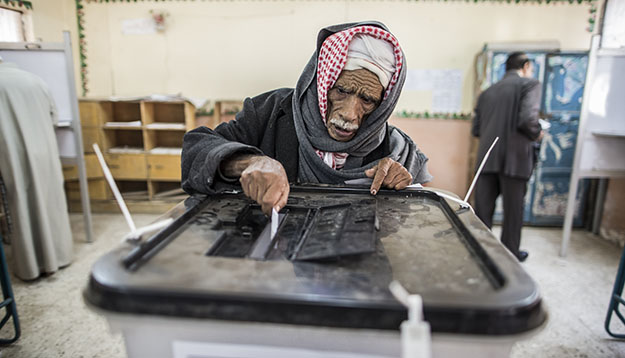
In early 2012, Hagg Hassan had a complaint. A resident of the village of Ab’adeyet Wally Mizar in Fayoum, 65 miles southwest of Cairo, Hagg Hassan had been receiving a monthly pension of 300 Egyptian pounds. But one day, he was given only 250. Hagg Hassan was livid. The budget cut would also apply to his wife and widowed daughter—a loss of 150 pounds for the household. Hagg Hassan lit a cigarette and asked his daughter to write a petition.
Over the past two decades, Dubai has risen to become a global financial, commercial shipping, aviation, and art hub. These essays examine Dubai’s key role in revitalizing the historic ties between the countries of the Middle East and Asia-Pacific regions.
Whenever a Saudi Arabian king or senior prince publicly criticizes U.S. policy, they inevitably touch off speculation about how the Saudis may be rethinking their security alliance with the United States.
Instruments such as the shakuhachi and the nay—though both many centuries old—have seldom met because they come from very distant places. The nay is a piece of reed from the Middle East, while the shakuhachi is bamboo from Japan. Although very simple in substance and shape, their sound has a strong character because they have grown to represent in the most complex ways what they have inherited from the past. When Kamal Helou, my musical partner, and I made these two instruments converse, we knew that we were forcing the laws of time. We found the first musical contact timid—both the shakuhachi and the nay imposing their characters, clinging to their traditional aesthetics. The shakuhachi is sharp and focused, the nay moving and warm. Yet the similarities were evident, both instruments having come to reflect similar ethical questions—the universality of being and the intuition of the soul.