This individual is a guest contributor. MEI is not able to assist with contact requests.
Shahmahmood Miakhel is the Country Director in Afghanistan for the US Institute of Peace (USIP). Prior to that he was a Governance Advisor for the United Nations Assistance Mission in Afghanistan (UNAMA), and, from 2003–2005, a Deputy Minister of the Interior in the Government of Afghanistan. In 1994–1995 he worked for the United Nations Development Programme (UNDP) and United Nations Office for Project Services (UNOPS) in South and Southeast Afghanistan helping to establish District Rehabilitation Shuras (DRS). He also worked as a reporter for the Pashto service of the Voice of America from 1985–1990.
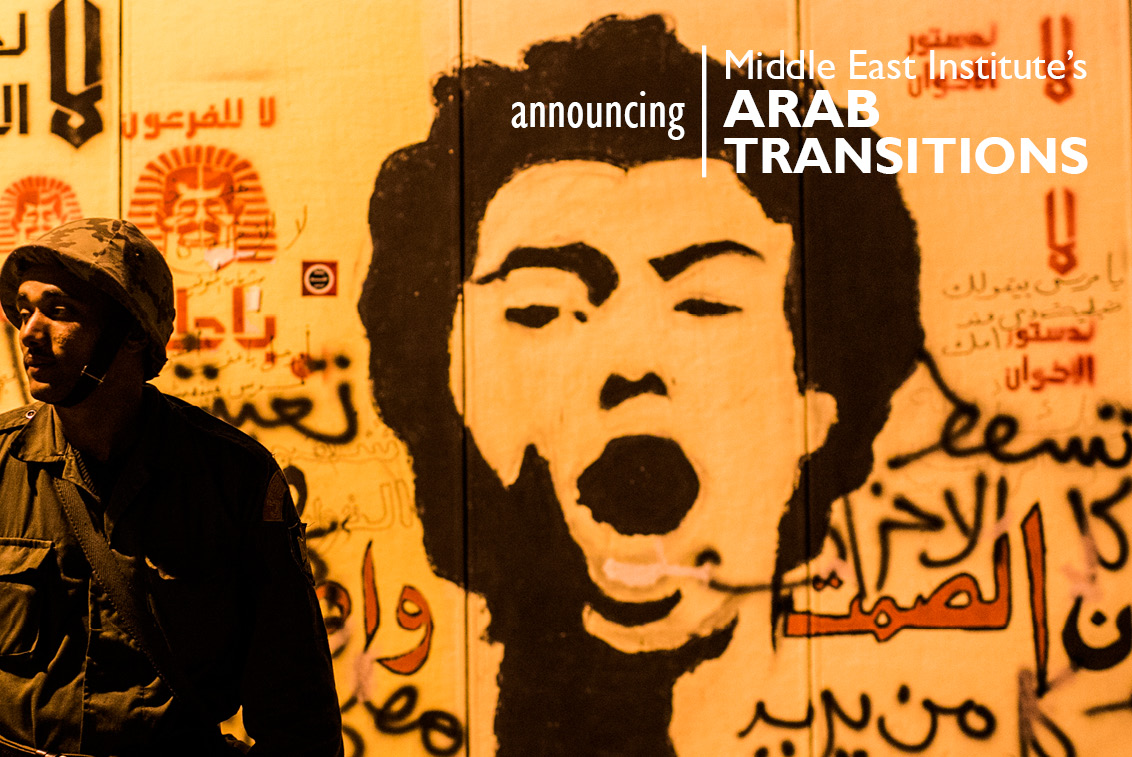
The Middle East Institute is pleased to announce the launch of the Arab Transitions program, an initiative to provide in-depth analysis of the historic changes taking place in the Arab world in the wake of the 2011 uprisings.
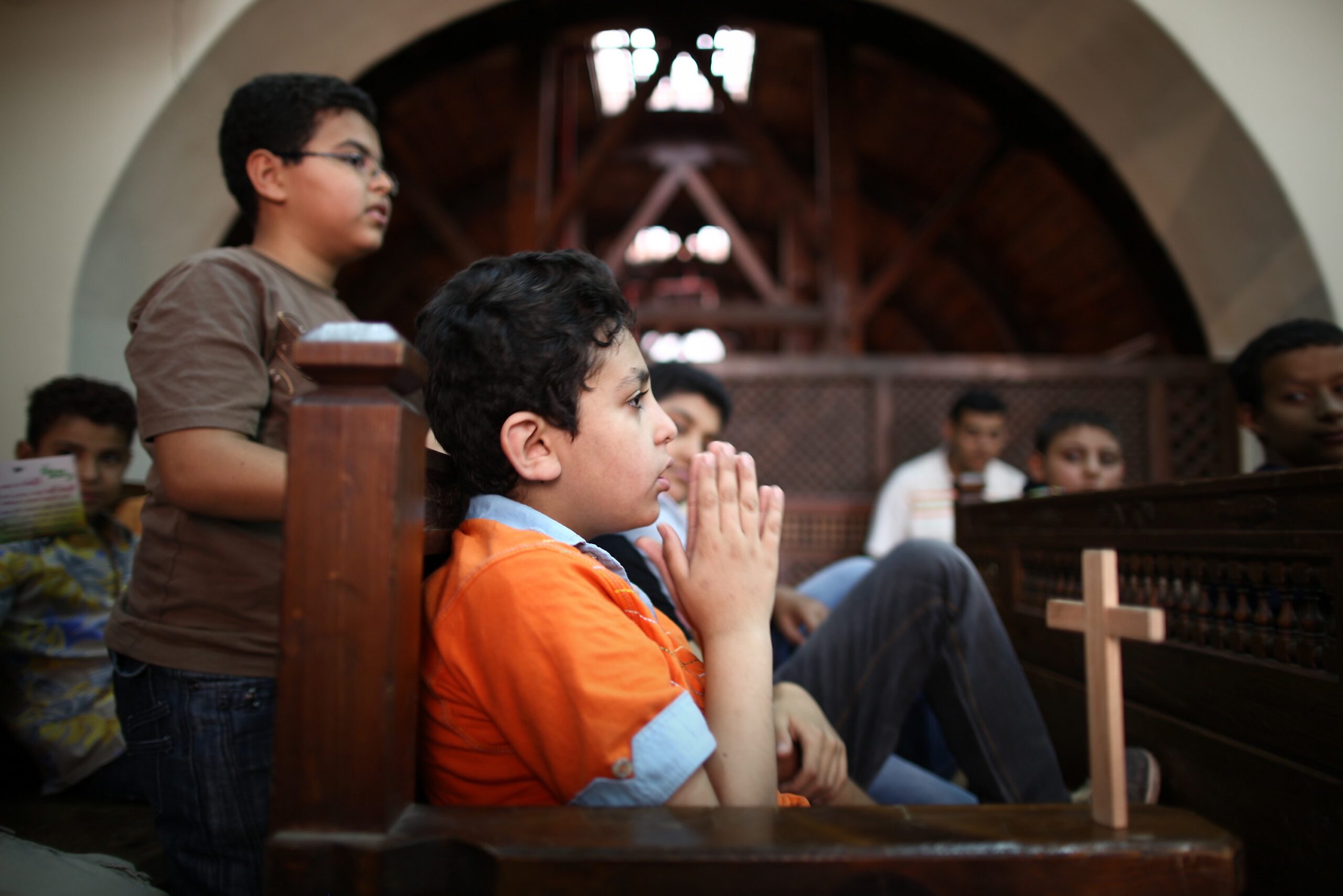
When Mohamed Morsi assumed the mantle of first democratically-elected, civilian president of Egypt, he both resigned from the Freedom and Justice Party‑‑the political arm of the Muslim Brotherhood‑‑and declared himself “president of all Egyptians.” Now, only ten months later, the country’s Coptic Christians are undoubtedly sneering at the insincerity of Morsi’s initial gestures toward magnanimity.
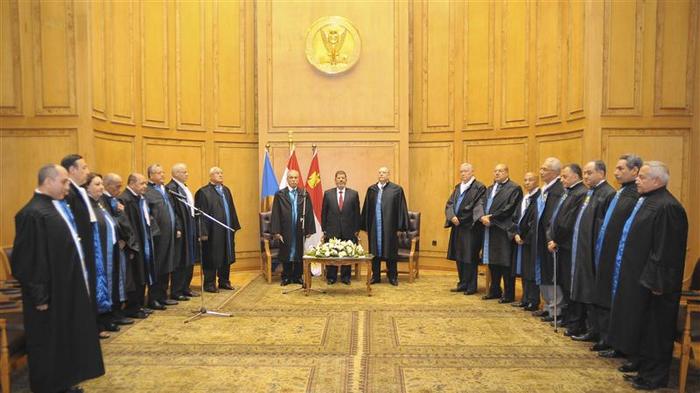
The Egyptian judiciary is facing enormous challenges and hardships while striving to perform its essential role, not only as a judicial institution, but also as a constitutional authority standing alongside the executive and legislative branches. Its difficulties can be seen in a range of problems with which it has been struggling both before and since the outbreak of the revolution in January 2011.
The Case for Women’s Rights in Post-Uprising Egypt
When Egyptian women first gained the vote in 1956, a woman in the cabinet swiftly followed. Women likely thought that all would be clear sailing from that point on, but it hasn’t quite worked out that way. Almost 70 years later, only one woman is in the cabinet.
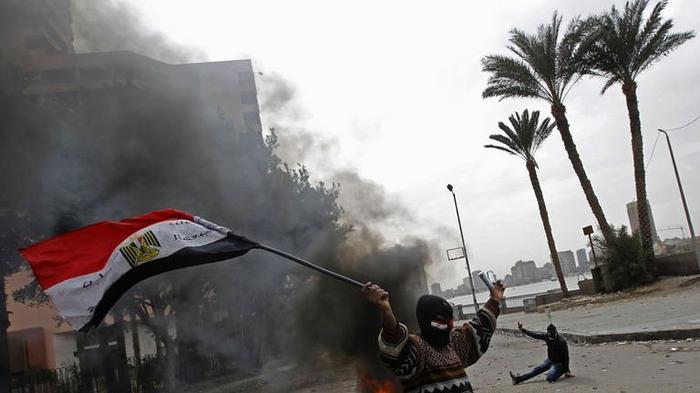
In March, Egypt’s public prosecutor announced the summoning of five members of the largely unknown group the Black Bloc.[1] The group, which takes its inspiration from “black blocs” the world round who wear black masks in order to protest anonymously, is known for such actions as halting public transportation and aiding people in distress.
The Predicament of the Obama Administration and the Muslim Brotherhood
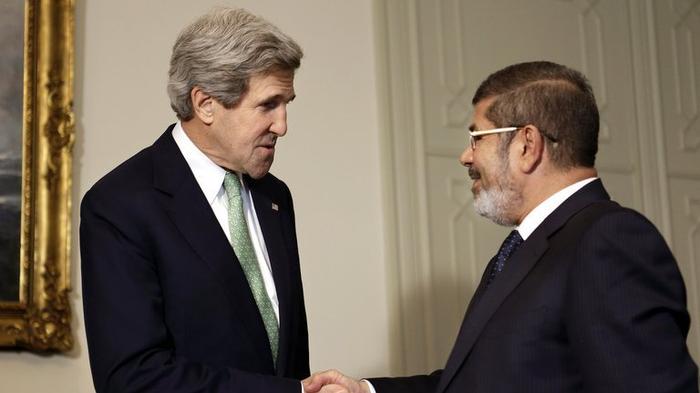
Al-Ahram columnist Ahmed al-Beri wrote on 23 March that “while the United States has often been supportive of President Mohamed Morsi’s regime, Egypt’s security and economic deterioration may be forcing it to reevaluate this support.”[1] Such thoughts are not exclusively al-Beri’s; they are dominating intellectual circles inside Egypt. The emergence of the Muslim Brotherhood as the new political warhorse in Egypt has complicated a delicate strategic relationship between Cairo and Washington.
Mohamed Yousry Salama passed away from stomach disease on 24 March 2013. The 39-year-old had been a spokesperson for the Salafi al-Nour Party immediately following Egypt’s revolution. After falling out with members of the party, he resigned in August 2011 and eventually co-founded the Dostour Party with such progressive political figures as Mohamed ElBaradei, George Ishaq, and Gamila Ismail.
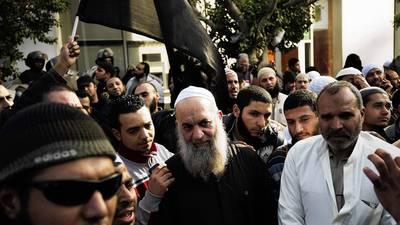
The Egyptian Islamist Mohamed al-Zawahiri is most famous for being the brother of al-Qaeda front man Ayman, but his story is also a gripping one. Zawahiri was arrested in 1999 for his alleged participation in the assassination of President Anwar Sadat.