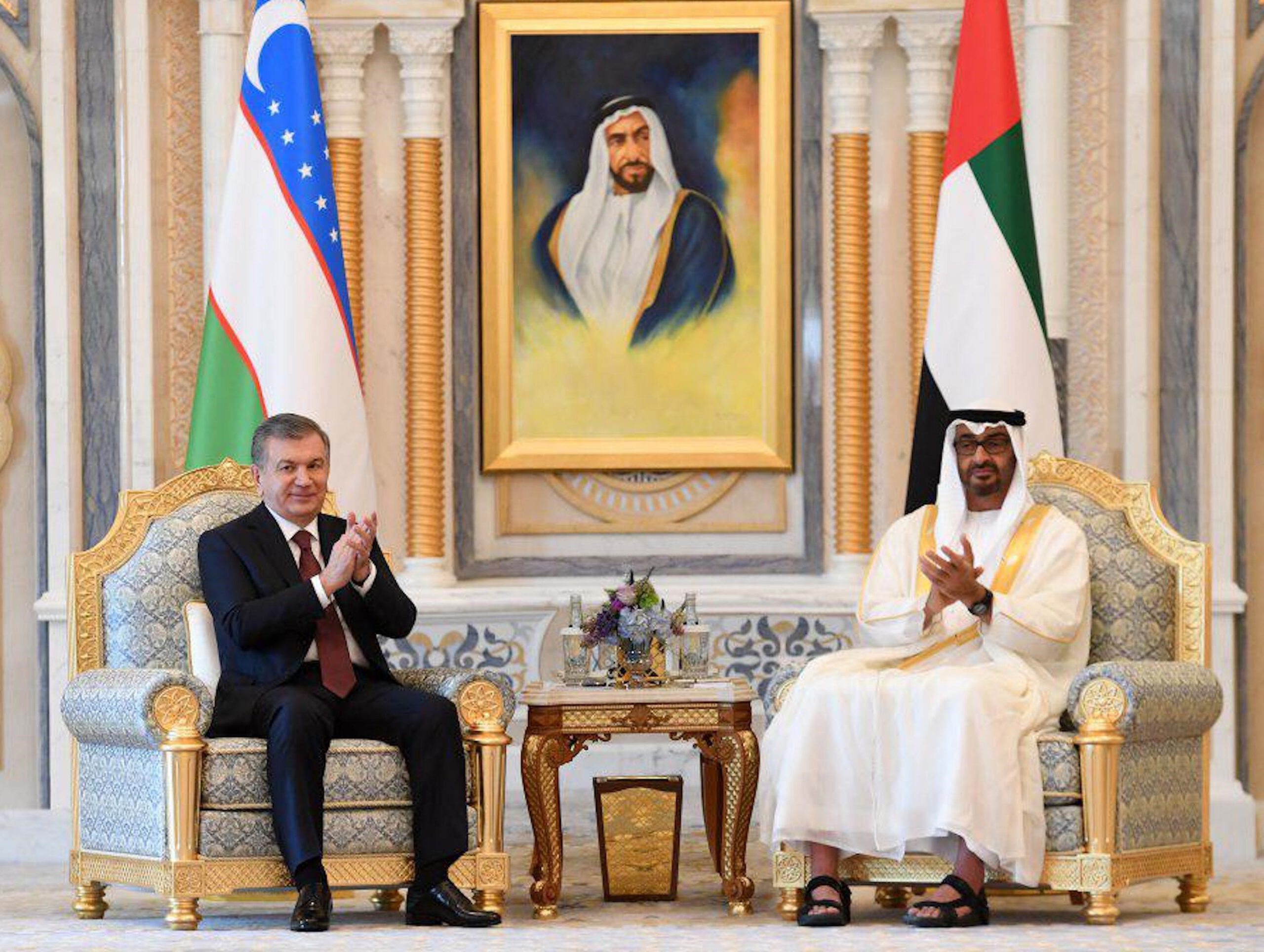
Until two decades ago, Central Asia was a Russian playground. With increasing investment from the Gulf and China, however, the landscape has changed. The UAE, specifically, has recently been vying to play a larger role in this muslim-majority region through large investments in infrastructure.
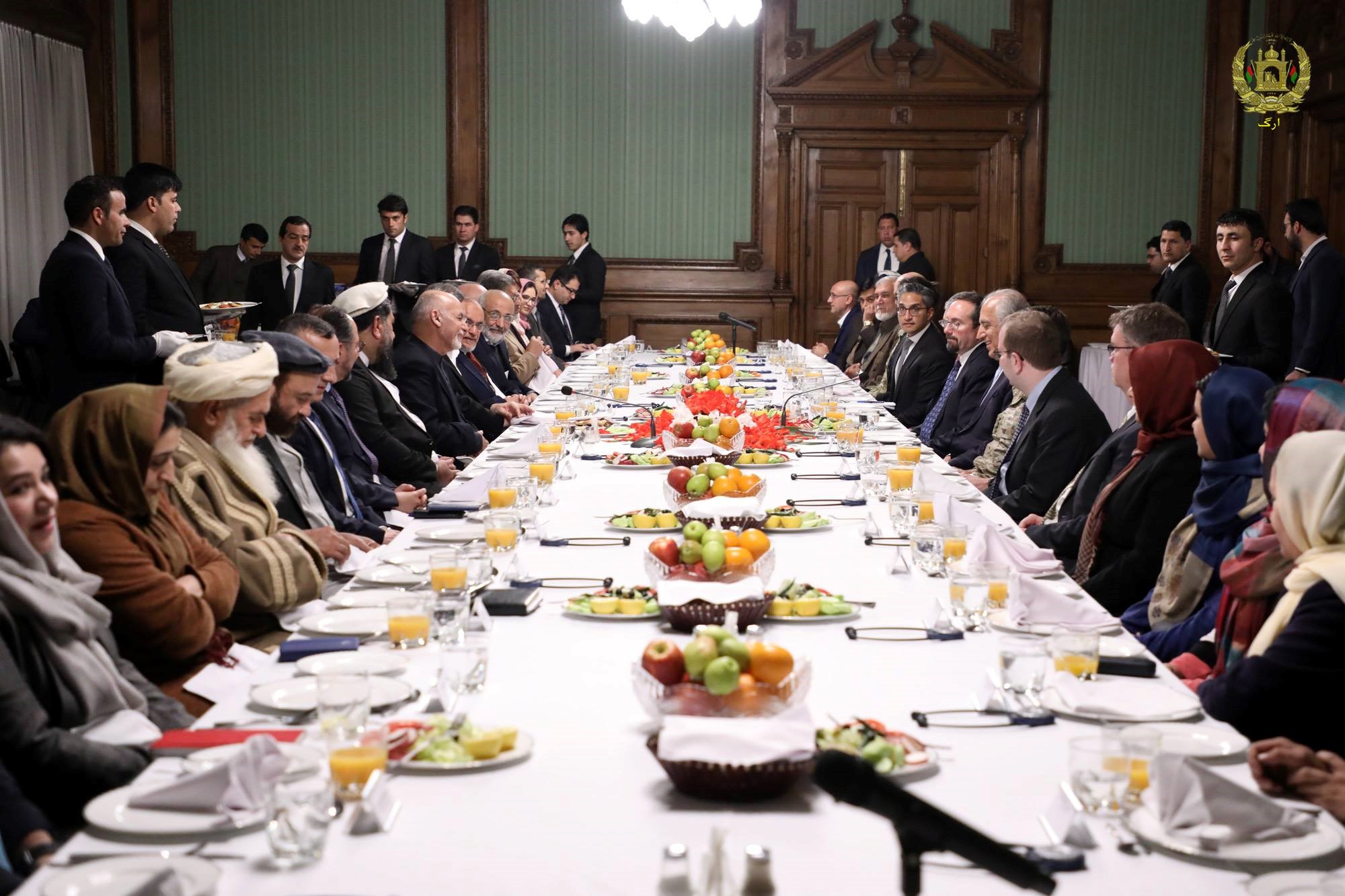
US-Taliban talks strain ties between Washington and Kabul
More than six months on, the Afghan government remains excluded from U.S.-Taliban peace talks, and the Taliban still refuses to engage with the authorities in Kabul or halt its deadly attacks. The exclusion of the Afghan government has caused severe strains in the relationship between Washington and Kabul.
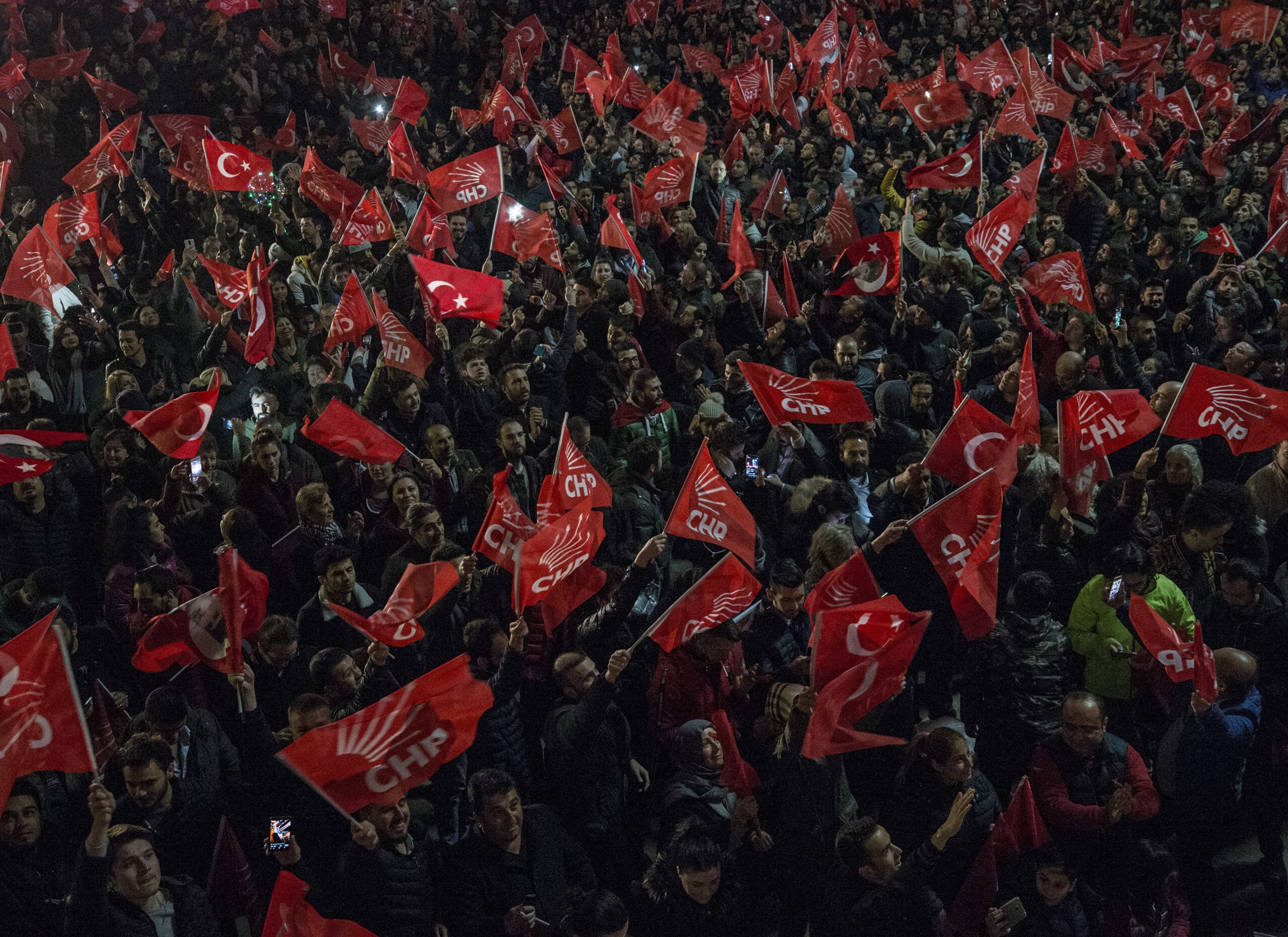
Invincible no more? Turkey’s Erdogan suffers election defeat
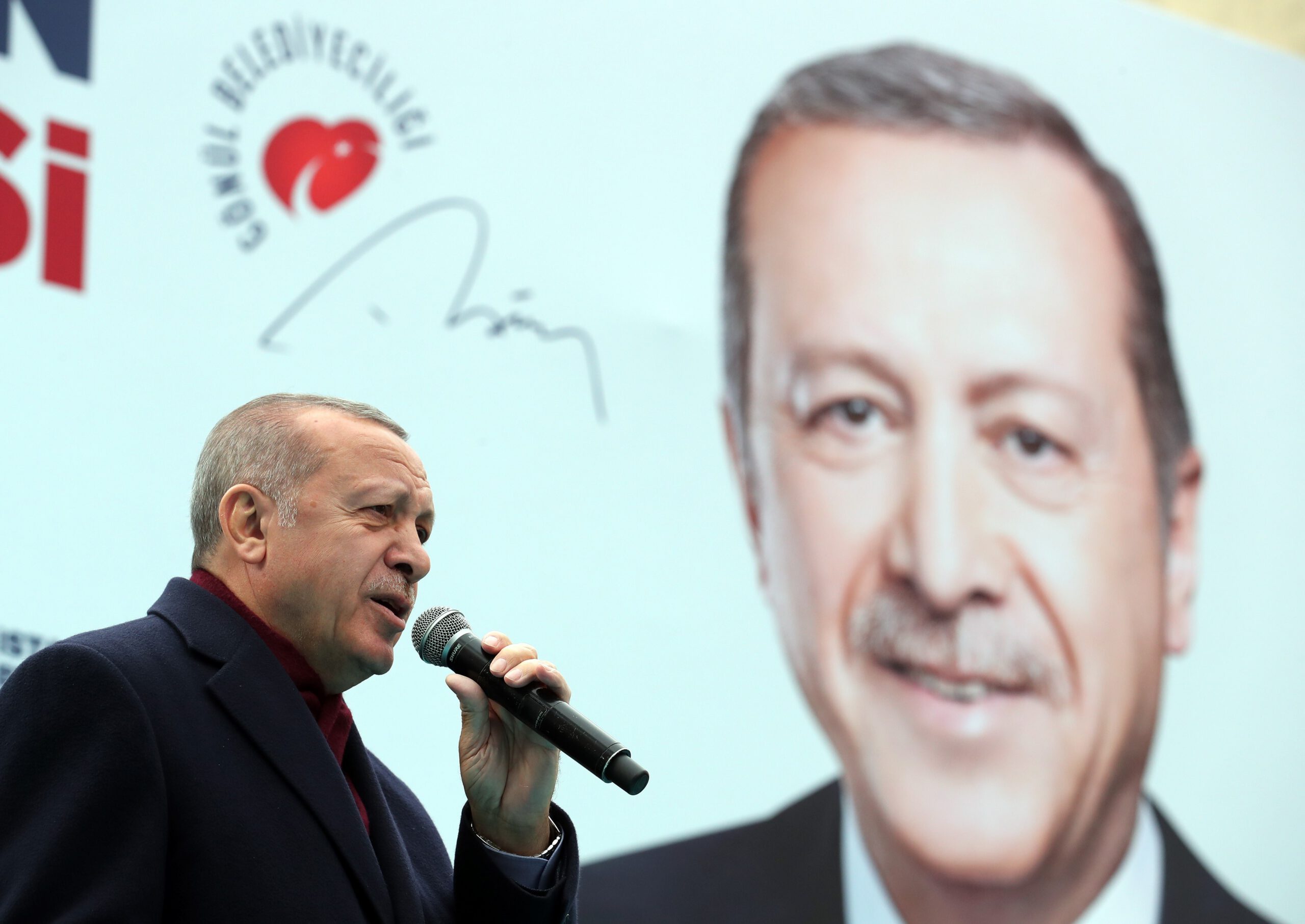
25 years ago, Turkish Islamists’ march to power began in the country’s capital, Ankara, and its largest city, Istanbul, when the ruling Justice and Development Party’s predecessor, the Welfare Party, captured the two municipalities. The loss of these cities in Sunday’s local elections could well mark the beginning of their descent.
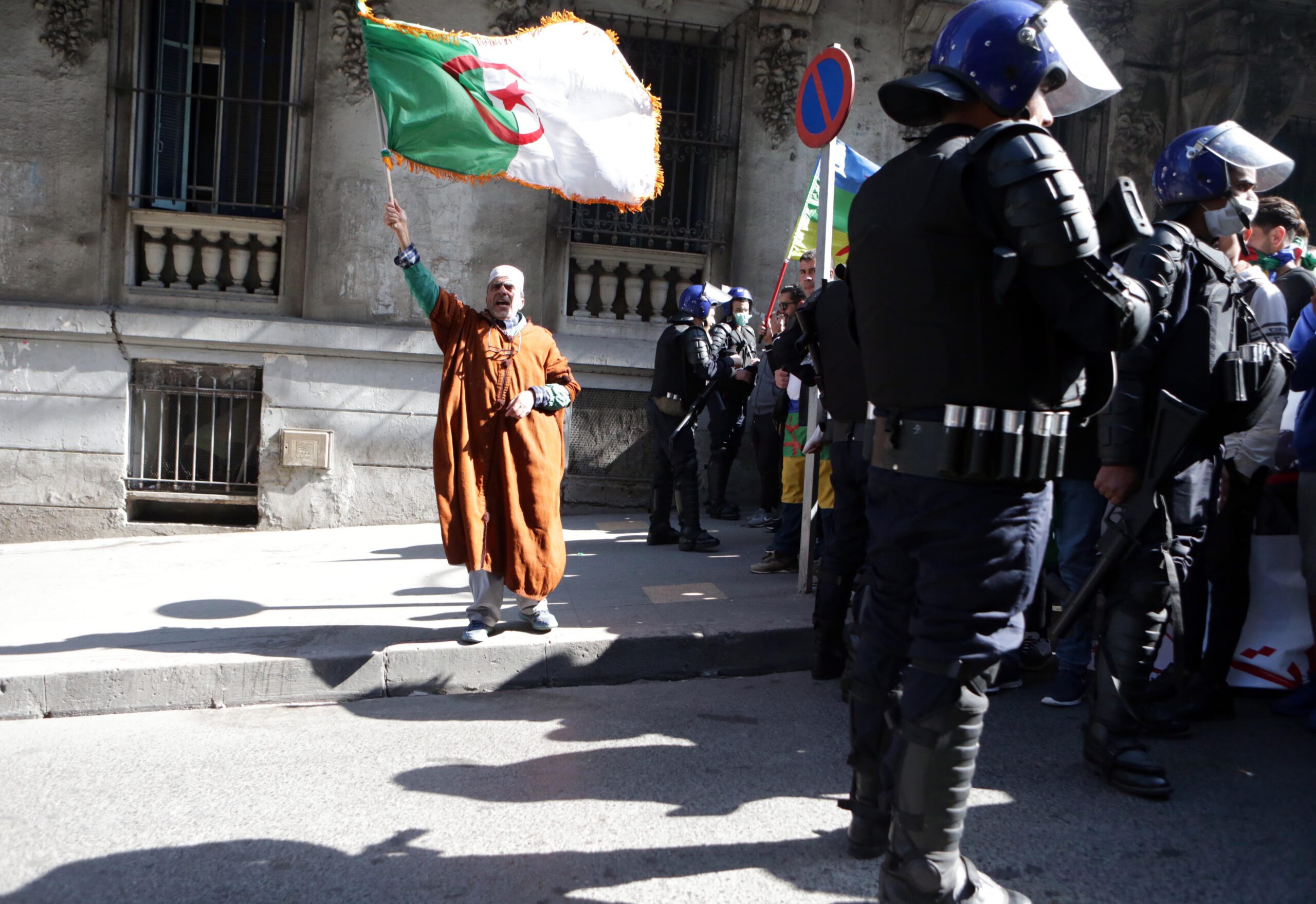
In this week’s Monday Briefing, MEI experts Robert S. Ford, Mirette F. Mabrouk, Nathan Stock, Marvin G. Weinbaum, and Jean-François Seznec provide analysis on recent and upcoming events including the government shakeup in Algeria, Egyptian President el-Sissi’s visit to Washington, rocket attacks from Gaza, Imran Khan’s war against poverty, and a $69 billion merger between Saudi Arabia’s oil and chemical giants.
A tale fit for the silver screen: The rebirth of the Basrah Museum
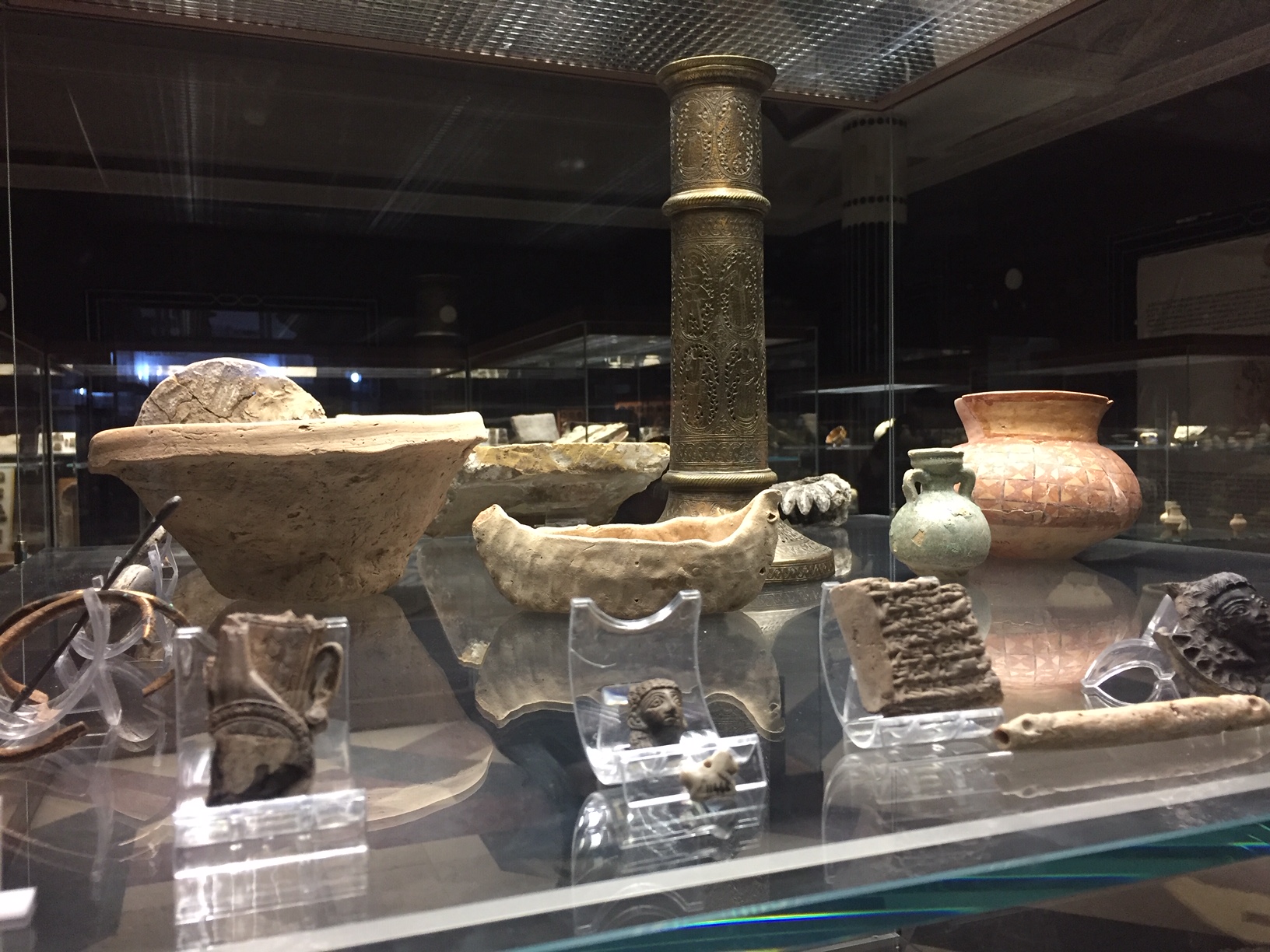
The story of the Basrah Museum, which opened three new galleries on March 19th after languishing for 28 years, is nothing less than cinematic. Read it here.
Ali Çarkoğlu, professor of international relations at Koç University in Istanbul, Sinan Ciddi, executive director of the Institute of Turkish Studies at Georgetown University, and MEI’s Gonul Tol join host Alistair Taylor to discuss Turkey’s March 31 local elections amid mounting economic problems and political polarization.
Turkey’s municipal elections are in fact not local but a national referendum on the continued rule of President Recep Tayyip Erdogan. With his complete domination of every aspect of Turkey’s politics and media, as well as military, judicial, and educational institutions, it would be foolish to underestimate his ability to emerge a winner on March 31.
Where is ISIS today? | The end of the ISIS Caliphate
ISIS’s self-proclaimed Caliphate in Syria and Iraq came to an end on March 23, when the Syrian Democratic Forces, backed by the U.S.-led international coalition, liberated the town of Baghouz after a tough six week battle. In some respects however, the military victory against ISIS was the easy part.
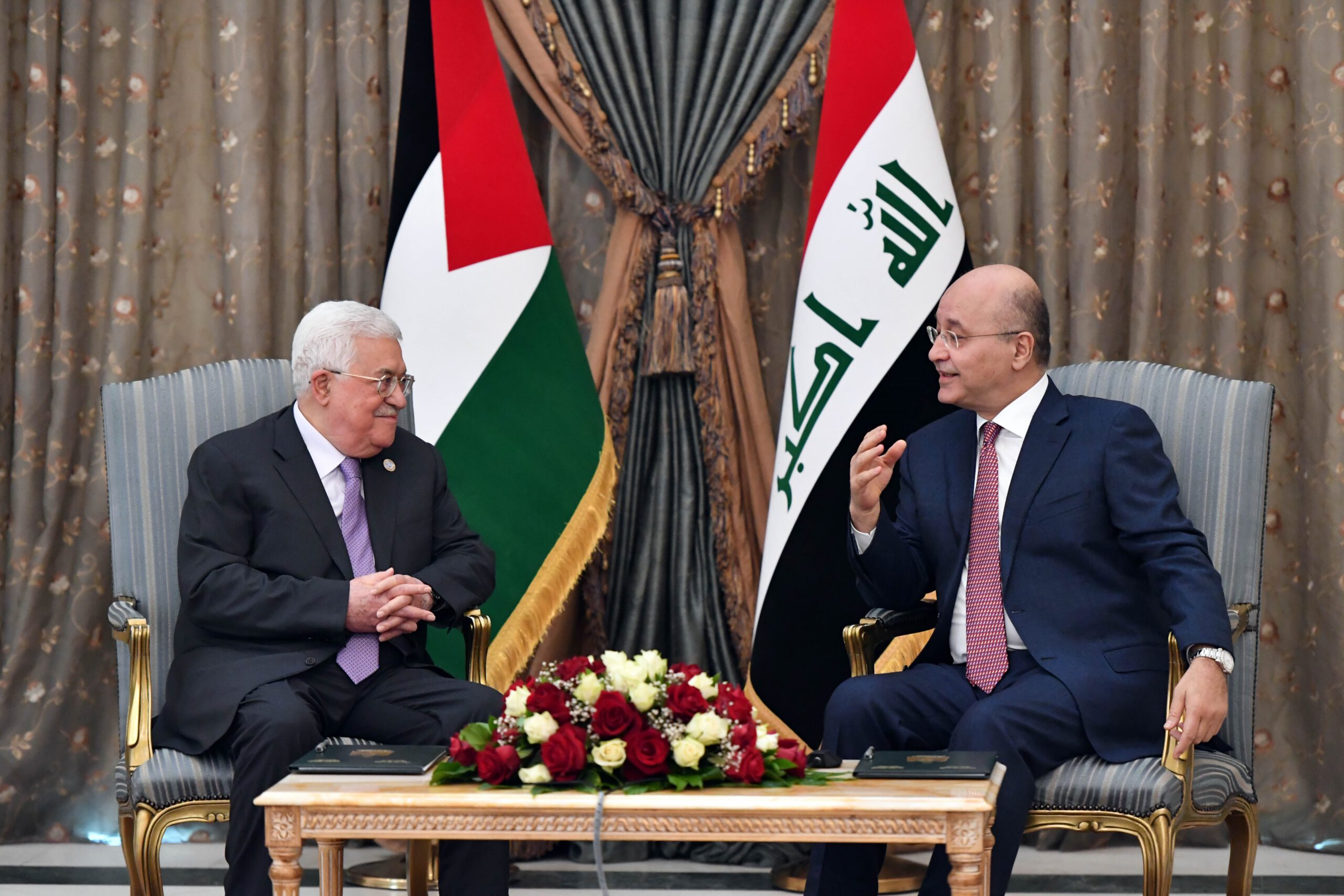
Following the liberation of ISIS-held territory in Syria and Iraq, Palestinian President Mahmoud Abbas is reestablishing ties with regional actors as a means to mobilize Arab support for the Palestinian cause.
Restarting Police Reform in Tunisia: The Importance of Talking About Everyday Security
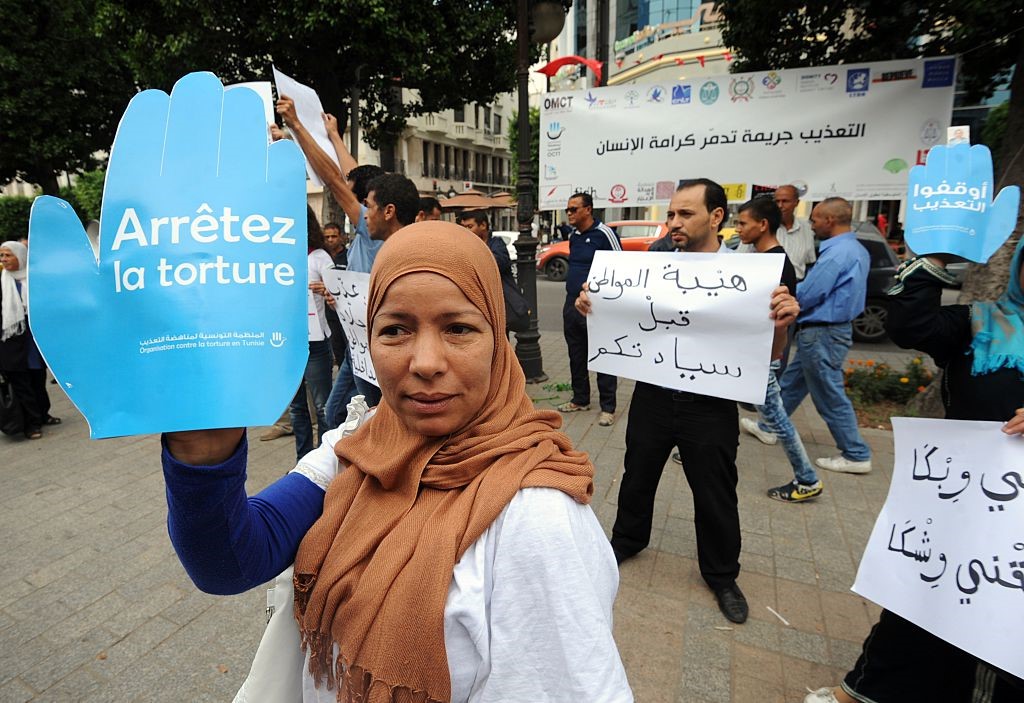
Police reform has lagged in Tunisia’s transition. Police violence, police impunity and a national sense of insecurity remain substantial concerns. The problems facing the Tunisian economy have drawn attention away from police reform, which had seen some positive change in 2011-2012. Since then, police unions have managed to stymie the reform process and have insulated the police from change. In addition, although the potency of the securitization argument (i.e., the police must be freed from civilian “interference” in order to fight terrorism) has waned, it remains a significant obstacle to reform. Challenging this argument and transforming the relationship between the police and the people requires expanding platforms for discussing day-to-day local security issues.
Monday Briefing | Iraq: Outreach abroad, but troubles at home
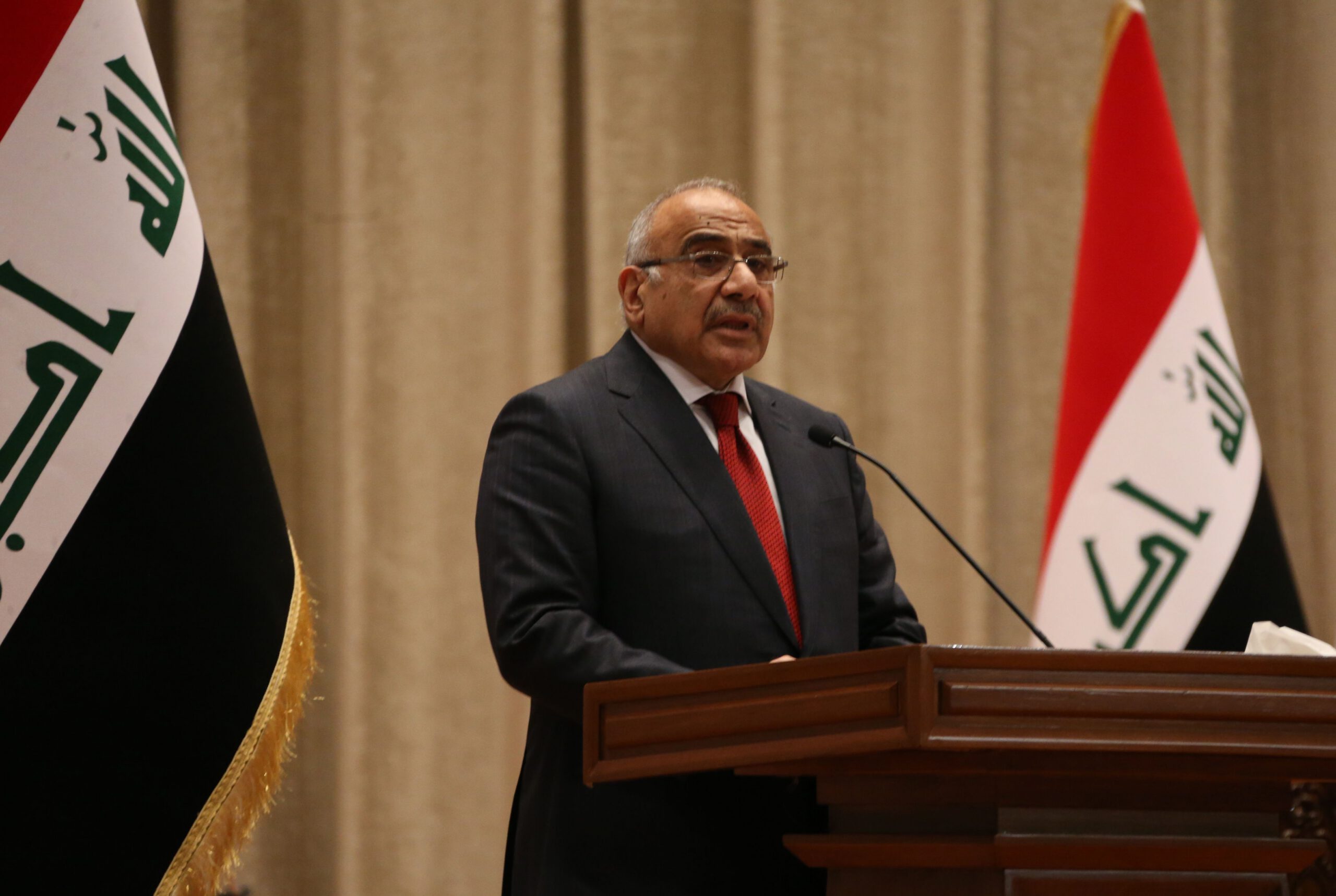
In this week’s Monday Briefing, MEI experts Randa Slim, Charles Lister, Gerald Feierstein, and Paul Salem provide analysis on recent and upcoming events including Iraqi Prime Minister Abdul-Mahdi’s first foreign trip to Egypt, the future threat posed by ISIS, Israeli Prime Minister Benjamin Netanyahu’s AIPAC meeting in Washington, and Secretary of State Mike Pompeo’s visit to Lebanon.
Lavrov’s Gulf trip highlights Russia’s growing regional role
Russian Foreign Minister Sergei Lavrov made a four-day trip to the Gulf in early March, stopping in Qatar, Saudi Arabia, Kuwait, and the UAE as part of a broader effort to boost Moscow’s ties with the region. Although the Gulf monarchies are traditionally considered of some of the U.S’s closest allies, relations between Russia and the Gulf have improved in recent years and there is potential for further cooperation going forward.
Annette Weber, senior fellow at the German Institute for International and Security Affairs, and Abdullahi Ibrahim, emeritus professor of African and Islamic history at the University of Missouri, join host Alistair Taylor to discuss the popular protests in Sudan, now in their third month, and how the government has responded to demands for the resignation of President Omar al-Bashir.
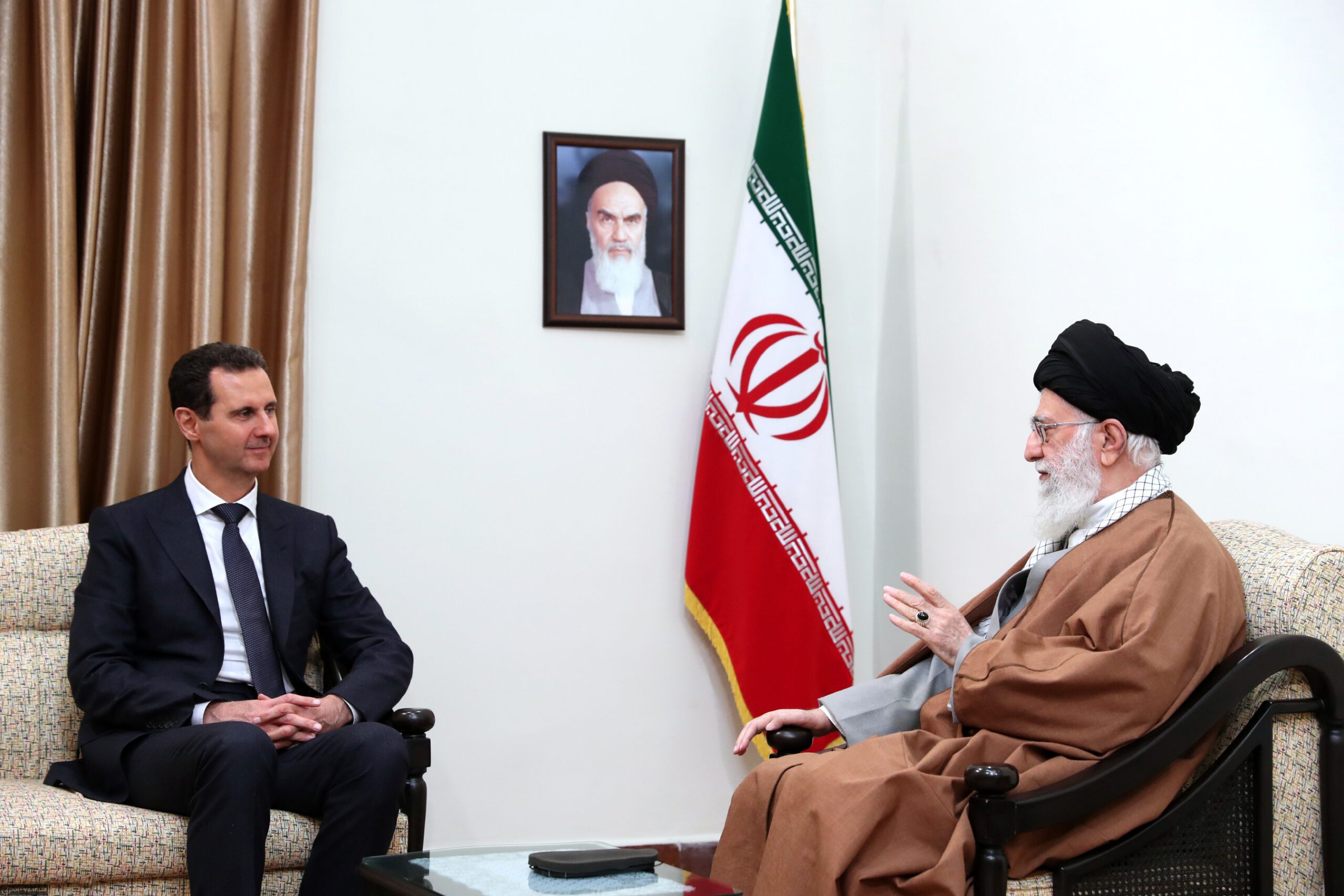
That the relationship between the Ba’ath regime in Syria and the ayatollahs of the Islamic Republic is one of loveless realpolitik is no secret to anyone with a passing familiarity with the history of Damascus-Tehran ties. The end of the war in Syria has already begun to expose faults in the unlikely marriage between a militant secular Arab regime rooted in the independence politics of the colonial era and the revolutionary rule of the wilayat al-faqih.