The Latest from Shana Cohen

Terrorist Rehabilitation and Succession Politics in Libya: Opportunities for the United States?
While Washington’s attention was focused on the aftermath of Iraq’s election and a growing confrontation between the Obama Administration and Israel’s Binyamin Netanyahu, another remarkable event was taking place in Libya: the release of hundreds of security prisoners, many with terrorist ties, under the auspices of a rehabilitation program which some in Libya hope could be a model for the rest of the region.
US Military Assistance to Lebanon: A Discussion of the Pros and Cons
US Military Assistance to Lebanon: A Discussion of the Pros and Cons
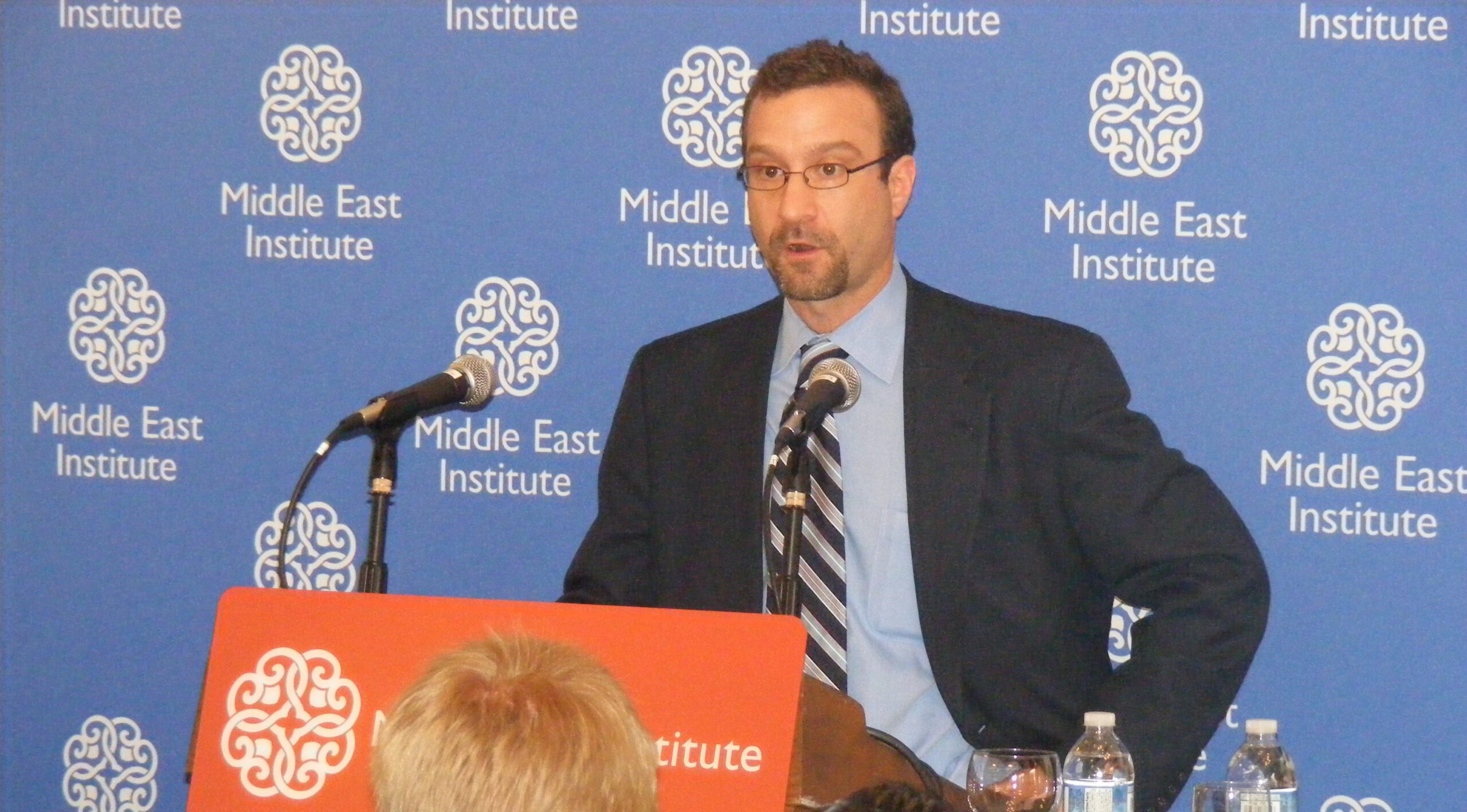
The Middle East Institute is proud to host Aram Nerguizian and David Schenker for a discussion about the pros and cons of US support to the Lebanese Armed Forces (LAF). In 2005, after the withdrawal of Syrian military forces from Lebanon and the subsequent election of a pro-Western Lebanese government, the Bush Administration pledged to help the LAF bolster domestic security and to strengthen state institutions. Since then, the US has provided more than $530 million in security assistance to the LAF and other Lebanese security forces.
The Middle East Economy in 2010: Exceptions Amid the Downturn
A window of opportunity and risk in today’s Iraq
This Commentary first appeared as an op-ed in the The National, March 14, 2010.
Iraq’s parliamentary elections have just concluded, but the major political battles are about to begin. At stake is what kind of country Iraq will become. Will Iraq’s progress toward greater stability continue? Will it look east towards Tehran for support and encouragement, or to the United States and its fellow Arabs? The stakes are high, and no one can afford to remain uninterested while Iraq continues its dramatic political evolution.
The Kurds of Iran: A Look at their Past, Present and Future
The Kurds of Iran: A Look at their Past, Present and Future
The Middle East Institute is proud to host Carol Prunhuber, Sharif Behruz and Idris Ahmedi and for a lecture about the political, social and human rights status of Iran's Kurds, one of the country's largest ethnic groups. Iran's Kurdish population has long pushed for autonomy, and in 1979 Ayatollah Ruhollah Khomeini declared a "holy war" against the Kurds in Iran seeking self-rule. Since then the relationship between Iran's Kurds and the Islamic Republic has been characterized by frequent military crackdowns.
The Arabs: A History
The Middle East Institute is proud to host Eugene Rogan for a discussion about his recent book, The Arabs: A History (Basic Books, 2009), which traces Arab political history from the rise of the Ottoman Empire to current times, exploring significant modern themes of nationalism, imperialism, revolution, industrialization, Islamic fundamentalism, migration and women's rights over the past five centuries.
Inside the Taliban
The Middle East Institute is proud to host Kandahar-based writers and researchers Alex Strick van Linschoten and Felix Kuehn for a discussion about the state of the Taliban in Afghanistan and the current situation in Kandahar. Strick van Linschoten and Kuehn translated and edited My Life with the Taliban, an account of the inner workings of the organization from the perspective of former Taliban minister and ambassador to Pakistan, Mullah Abdul Salam Zaeef, who was arrested following the overthrow of the Taliban and spent four years in Guantanamo Bay.
Beyond Iraq’s National Elections: Planning a New Phase in American Policy
This Commentary is an adaptation of a longer piece published by the Institute for the Theory and Practice of International Relations at the College of William and Mary on February 25, 2010.
Introduction to The State of the Arts in the Middle East: Volume IV
Literature, visual art, and photography not only serve an aesthetic purpose, but often act as mediums through which their creators explore deeply personal experiences and their broader social implications. In this, the fourth volume of MEI’s “The State of the Arts in the Middle East,” Najat Rahman considers the works of the Palestinian artists Emily Jacir and Eman Haram, and W. Scott Chahanovich (with Pauline Pannier) discusses the memoirs of the Moroccan-born writer Abdellah Taïa.



