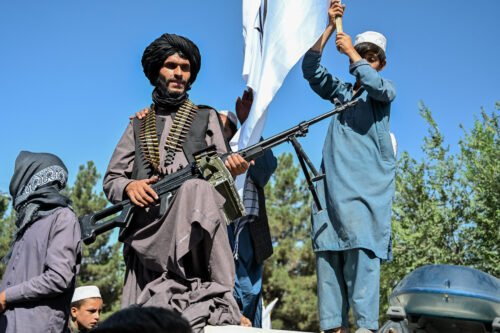
I was a teenage Afghan refugee in Pakistan’s tribal areas when the Twin Towers fell. Almost nobody around us understood the politics of what had happened, but we knew that something had changed for good. Afghanistan, which until then had been our private tragedy and our first exile from Taliban rule, had suddenly become the world’s concern, with the United States leading the response.
United States Central Command (CENTCOM), one of the US Department of Defense’s (DoD) six geographical combatant commands, is responsible for countering threats, responding to crises, and strengthening regional stability in the Middle East, Central Asia, and parts of South Asia.
A Strategic Conundrum: Pakistan’s Transit Corridor to Iran as Lifeline or Liability
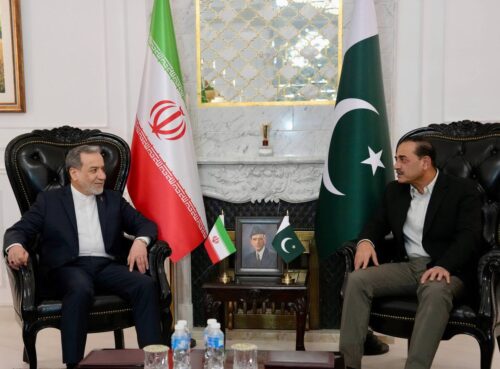
The US-Iran standoff over the Strait of Hormuz — disruptive to global trade and energy flows, and devastating for debt-burdened economies — has handed Pakistan an unexpected geoeconomic opportunity, one that may persist even if the framework agreement announced on June 14 results in a lasting peace and permanent reopening of the strait. But seizing it will have interlocking consequences for Islamabad’s ties with Tehran, Washington, and the Gulf states.
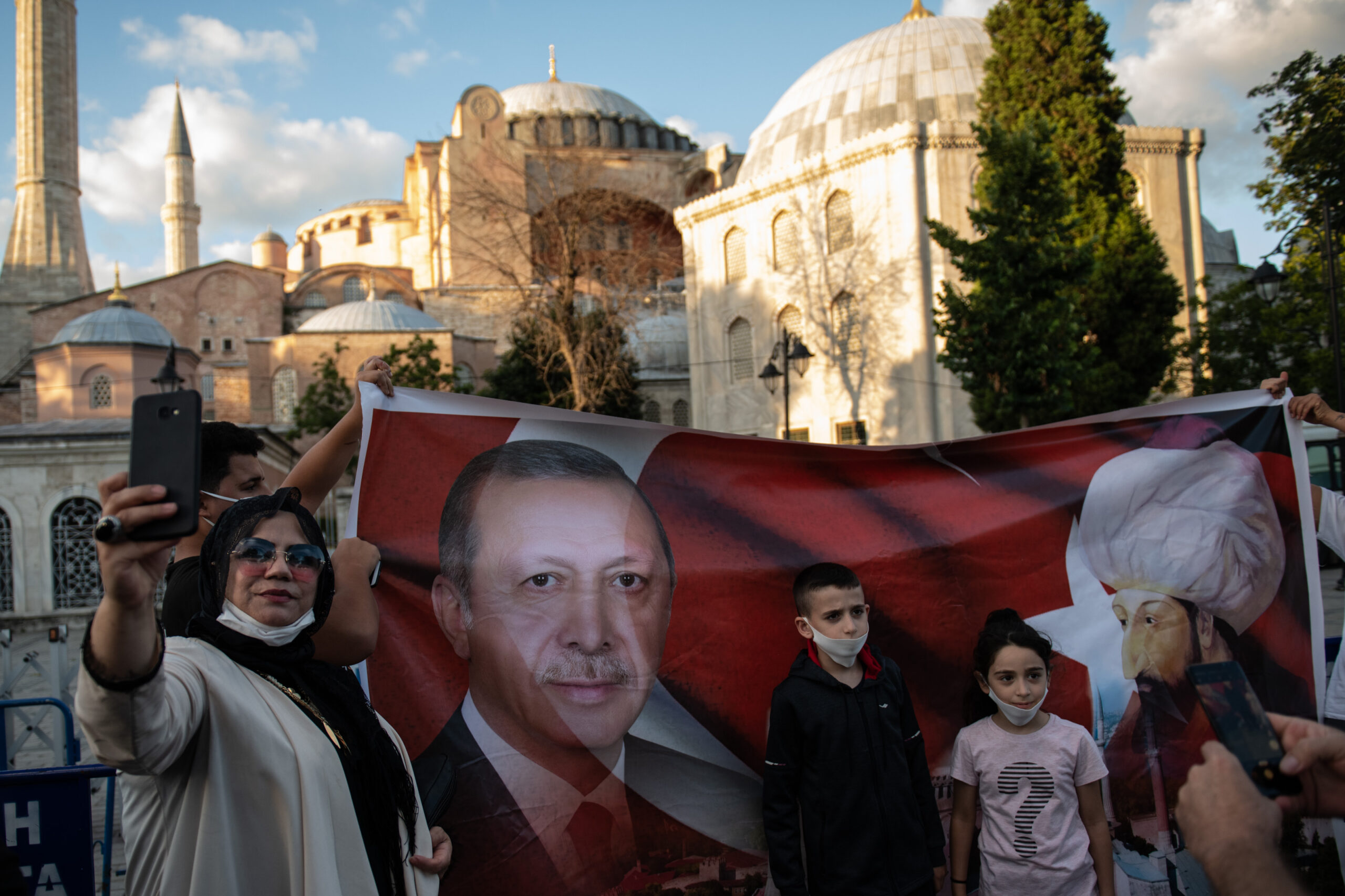
Monday Briefing: Erdoğan and the “symbolic war” over Hagia Sophia
This week’s briefing on recent news and upcoming events in the region featuring Seren Selvin Korkmaz, Marvin G. Weinbaum, Mirette F. Mabrouk, Robert S. Ford, and Nilsu Goren.
US-Russia rift exacerbates Afghanistan’s crisis of confidence
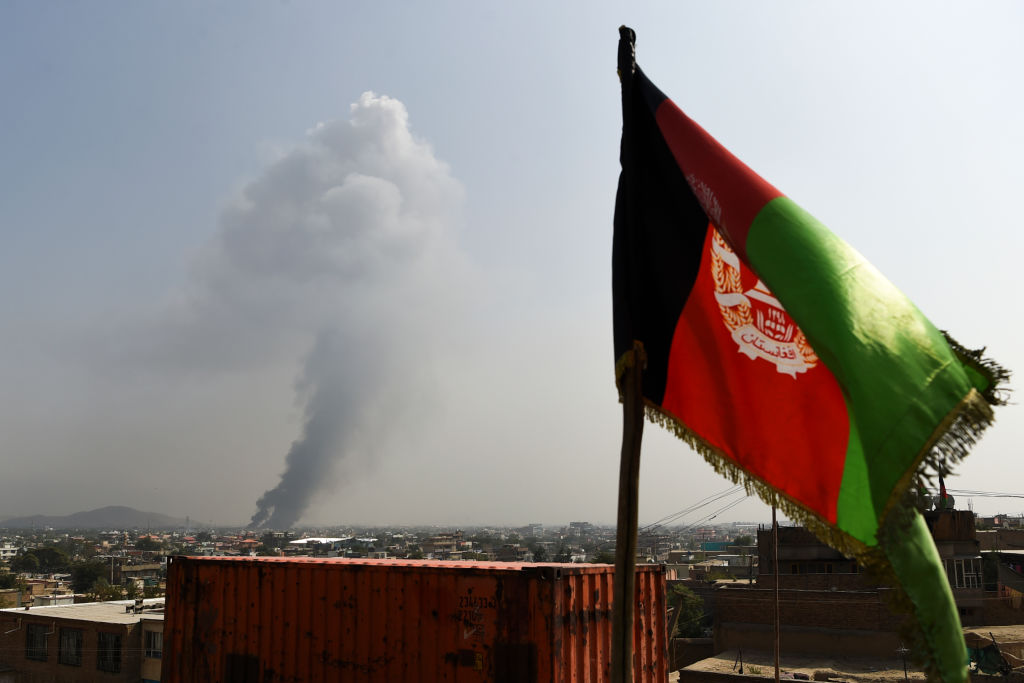
Multiple signs point to a crisis of confidence in Afghanistan. Ever since the publication of a sensational report alleging that a Russian military intelligence unit secretly offered bounties to the Taliban to kill American soldiers, there has been an intense debate about the possibility of peace in Afghanistan following the U.S. exit.
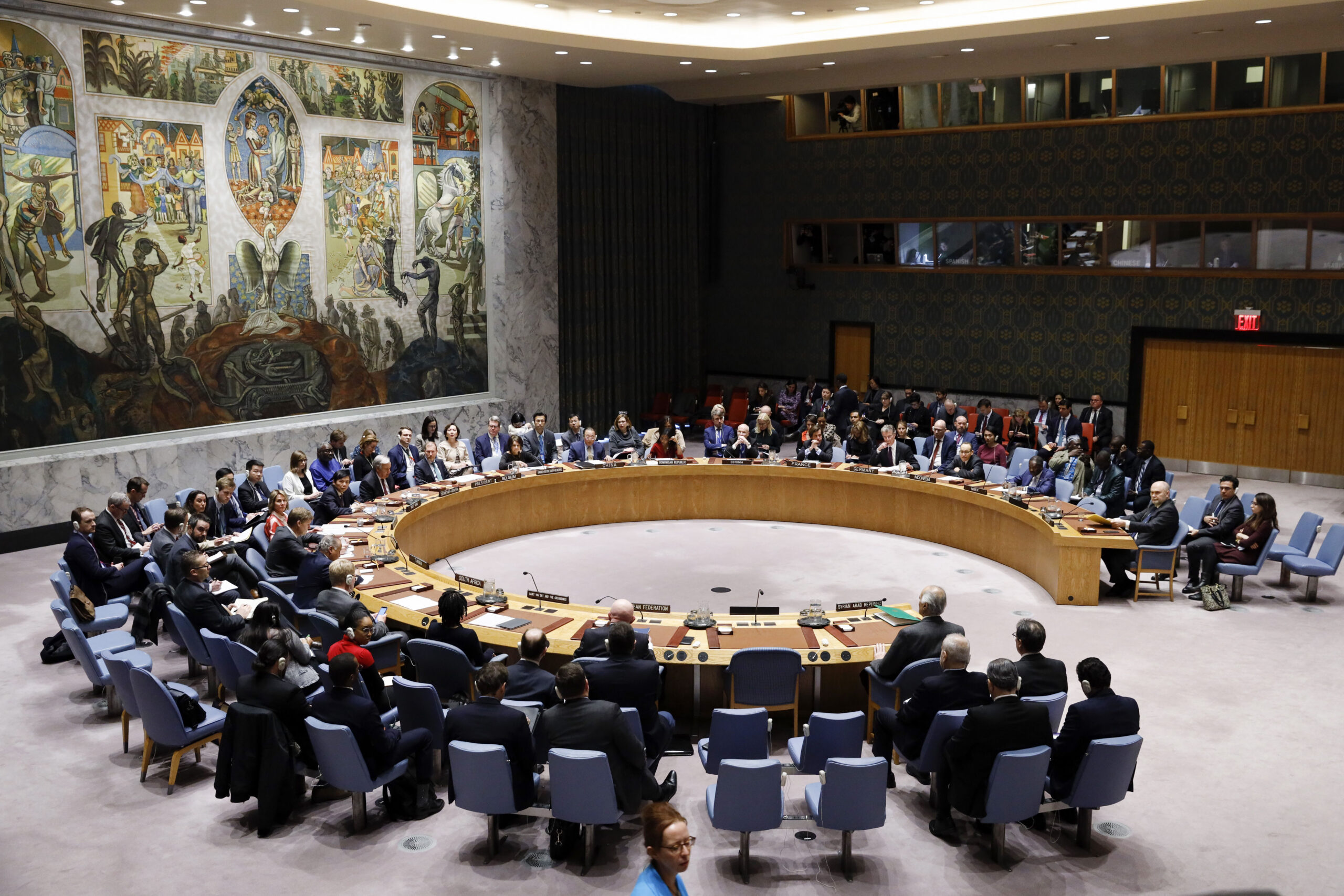
Monday Briefing: The UN Security Council must act now to save northwest Syria
This week’s briefing on recent news and upcoming events in the region featuring Dara Conduit, Marvin G. Weinbaum, Mark Heller, Syed Mohammad Ali, Gonul Tol, and Guled Ahmed.
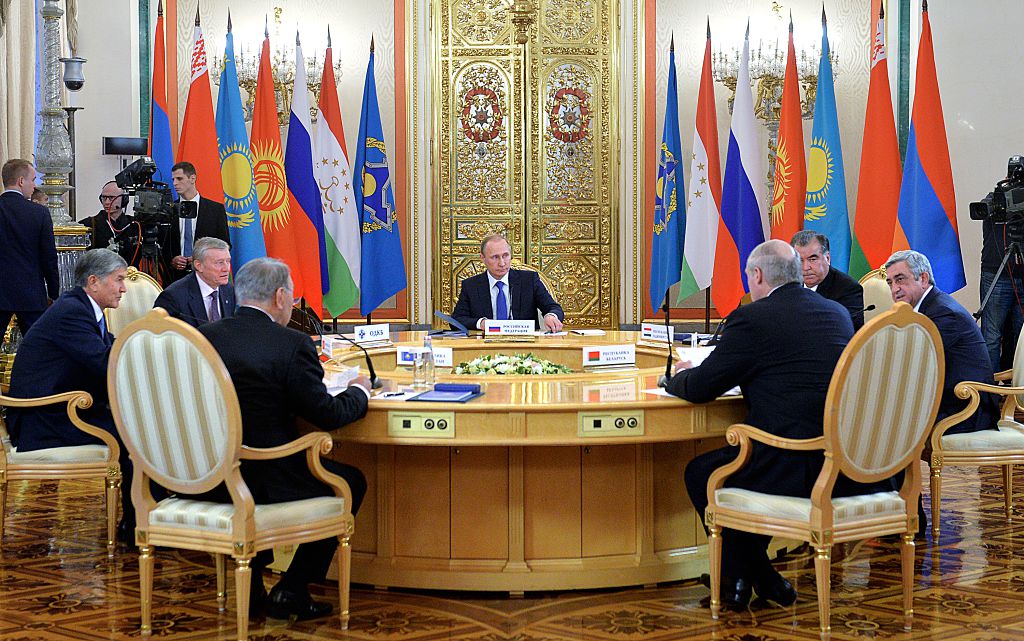
Despite the collapse of the Soviet Union, the newly independent states of the Caspian and Russia are still deeply intertwined in each other’s economies, security, and cultures. Moscow has continued to wield considerable military, political, and economic influence in the region.
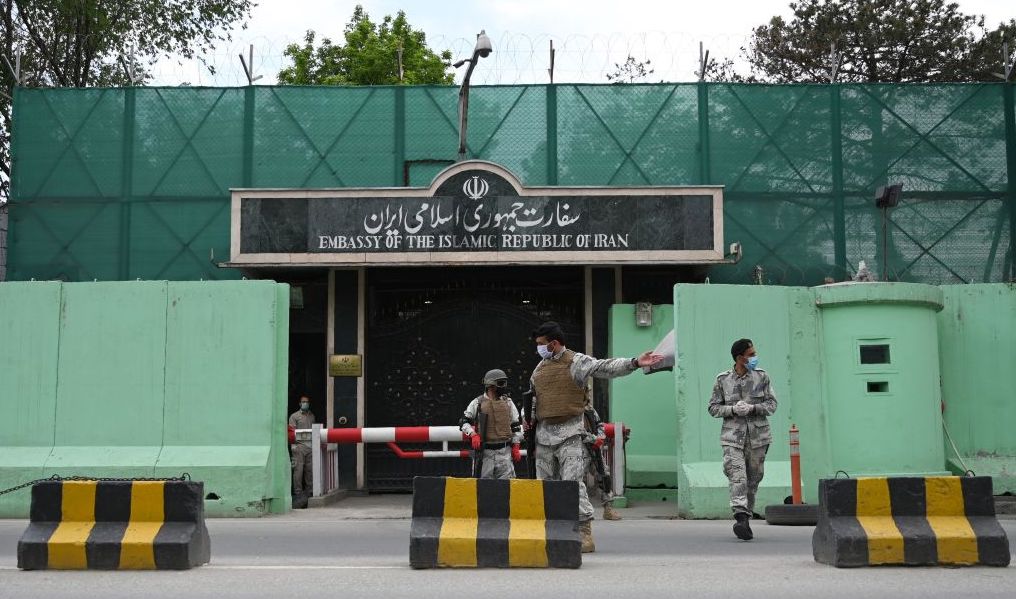
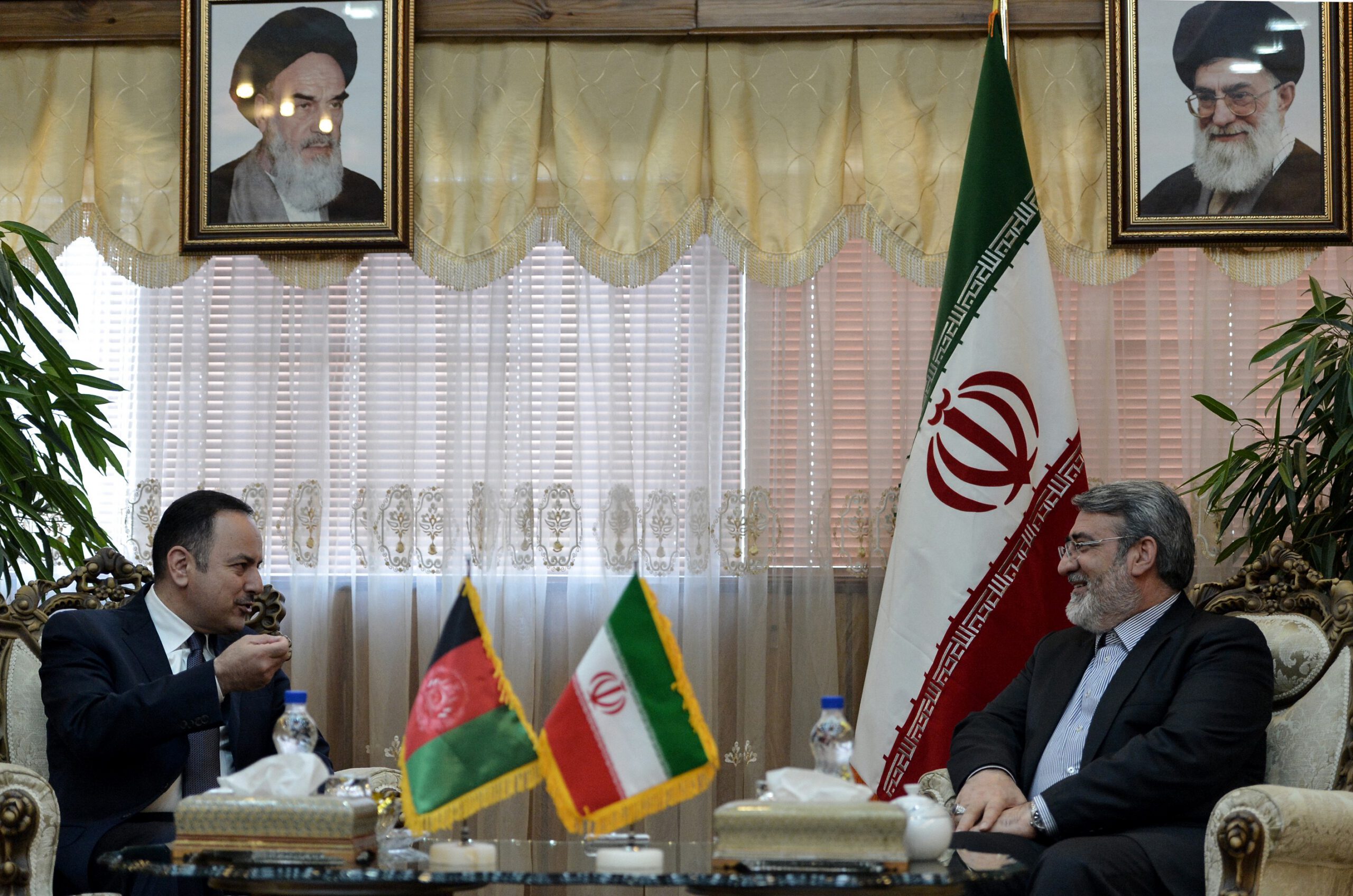
Despite strong religious and cultural ties and a long shared border, Iran has a somewhat complicated relationship with Afghanistan. Since the Soviet Union’s invasion of Afghanistan some four decades ago, Iran’s attempts to preserve its interests in conflict-ridden Afghanistan have not received much attention from the outside world, but it remains one of the most important neighboring countries for Tehran’s foreign policy.
Confusion writ large: US troop withdrawal from Afghanistan
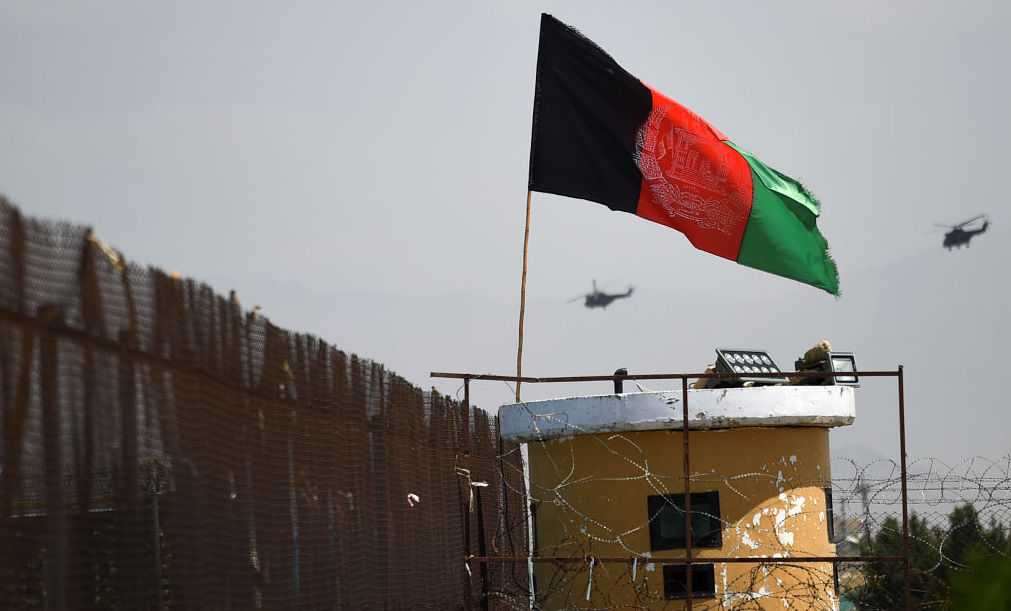
The uncertainty about the withdrawal timetable has sowed confusion among U.S. partners in Afghanistan and prompted the Taliban to accuse the U.S. of not living up to the terms of their agreement.
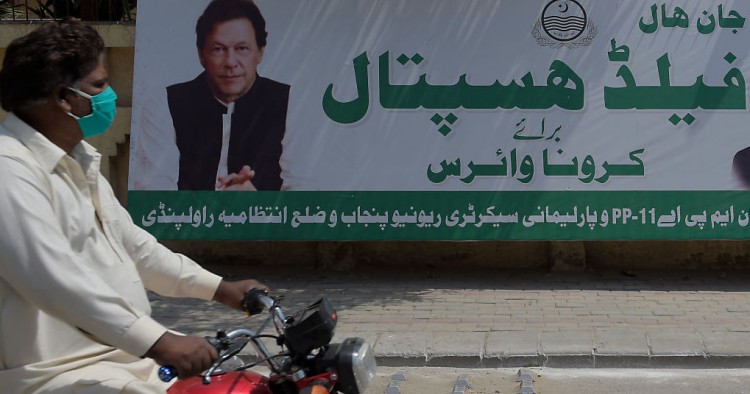
Mainly at issue for the country is the difficult choice of whether to prioritize saving lives or saving the economy for a Pakistan that can ill afford to ignore either.
Intra-Afghan talks inch closer, but their launch is only the beginning
Frantic efforts are being made to clear the way for intra-Afghan talks, the logical next step forward in the implementation of the February U.S.-Taliban deal.
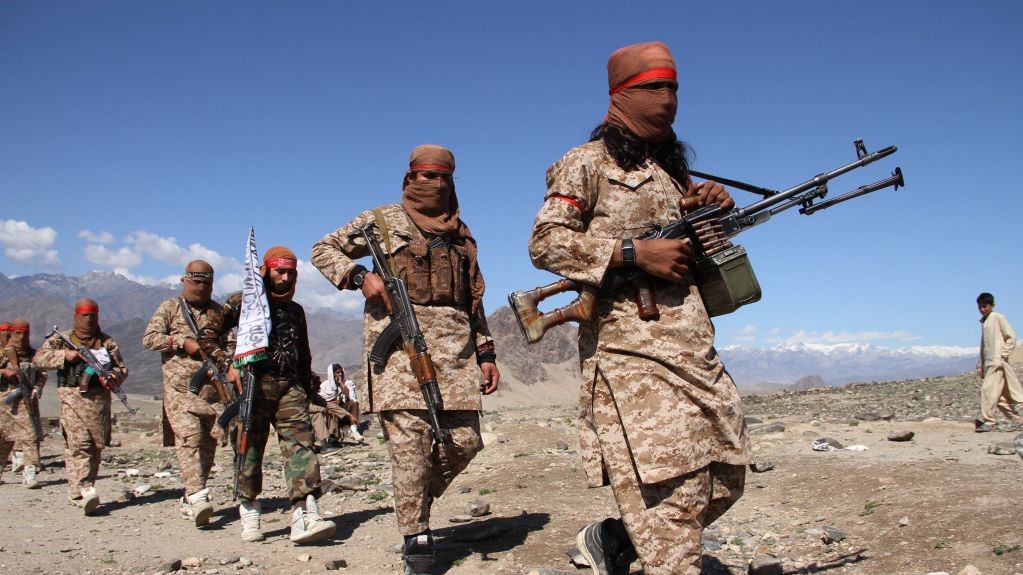
The Taliban’s military and diplomatic strategies are intended to work in tandem, one leveraging the other. Each has as its ultimate goal the Taliban’s recovery of an emirate lost in 2001.
The spread of the virus, unease about a cease-fire, peace talks, and the American withdrawal leave the Afghan people gripped with a heightened sense of uncertainty.
The oldest peer-reviewed publication dedicated to the study of the modern Middle East, MEI’s flagship journal covers politics, society, and culture in the region.