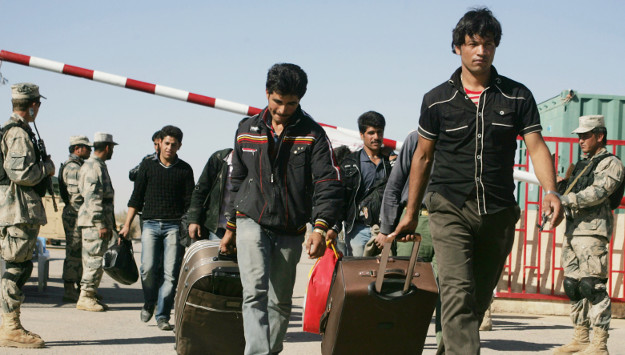
I was a teenage Afghan refugee in Pakistan’s tribal areas when the Twin Towers fell. Almost nobody around us understood the politics of what had happened, but we knew that something had changed for good. Afghanistan, which until then had been our private tragedy and our first exile from Taliban rule, had suddenly become the world’s concern, with the United States leading the response.
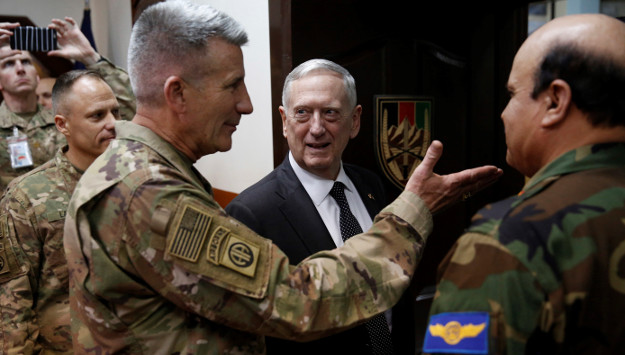
United States Central Command (CENTCOM), one of the US Department of Defense’s (DoD) six geographical combatant commands, is responsible for countering threats, responding to crises, and strengthening regional stability in the Middle East, Central Asia, and parts of South Asia.
A Strategic Conundrum: Pakistan’s Transit Corridor to Iran as Lifeline or Liability
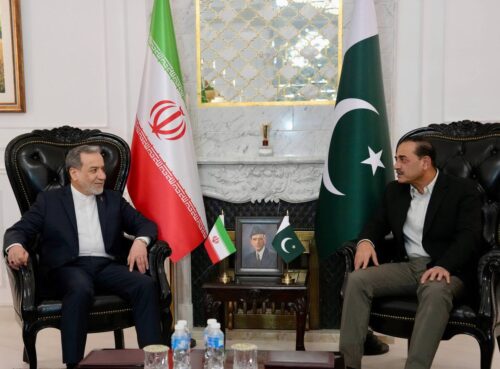
The US-Iran standoff over the Strait of Hormuz — disruptive to global trade and energy flows, and devastating for debt-burdened economies — has handed Pakistan an unexpected geoeconomic opportunity, one that may persist even if the framework agreement announced on June 14 results in a lasting peace and permanent reopening of the strait. But seizing it will have interlocking consequences for Islamabad’s ties with Tehran, Washington, and the Gulf states.
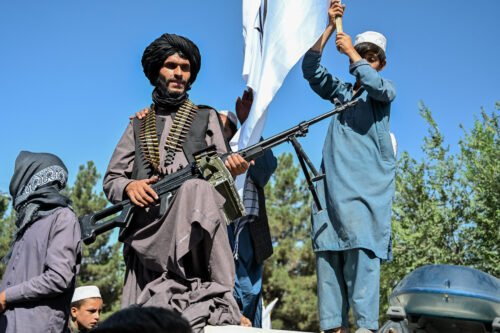
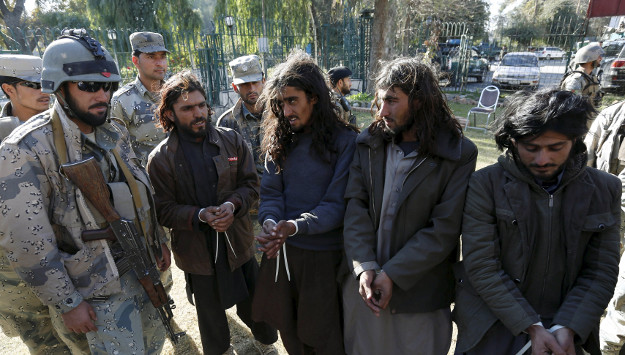
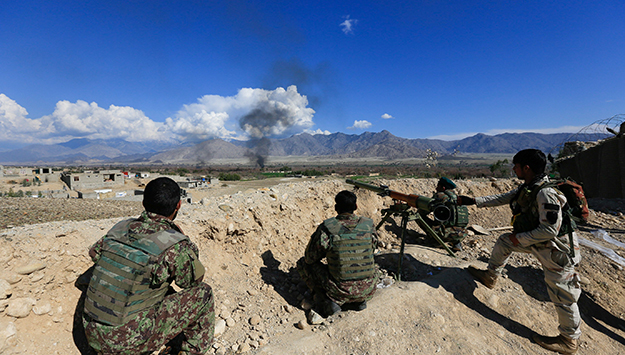
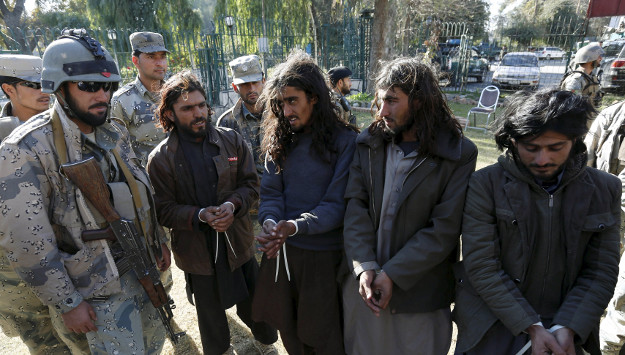
Geopolitical maneuvering, political disunity, endemic corruption, rudderless security apparatus and, most importantly, a confident Taliban movement supported by the Pakistani “deep state” make Afghanistan the most persistent trouble spot. Recent events in the country are dominated by increasing terrorist attacks against security forces and hapless citizens.
Head of I.R.G.C.’s Khatam al-Anbia Blasts Rouhani’s Economic Policies, Deal with Total
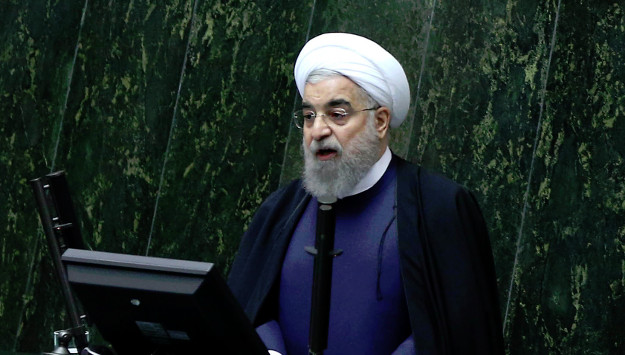
The commander of Khatam al-Anbia Construction Headquarters, a conglomerate of the Islamic Revolution Guards Corps (I.R.G.C.), blasted President Hassan Rouhani’s economic policies and said he “harbors a serious grievance against the Rouhani government.” In an interview with Iran’s state-run television, Gene
Protestors in Southern Afghanistan Chant Anti-Iran Slogans after Rouhani’s Water Remarks
Earlier today, hundreds of people marched the streets of Lashkargah, the capital of Afghanistan’s volatile Helmand Province, to protest Iranian President Hassan Rouhani’s latest remarks on water dispute with Afghanistan, the Afghan media reported. Speaking at an international conference on tackling dust storm, Rouhani had criticized the Afghan government and its international allies for constructing dams and preventing the flow of sufficient water into Iran.
Iran Steps up Efforts to Oust U.S. Military from Middle East
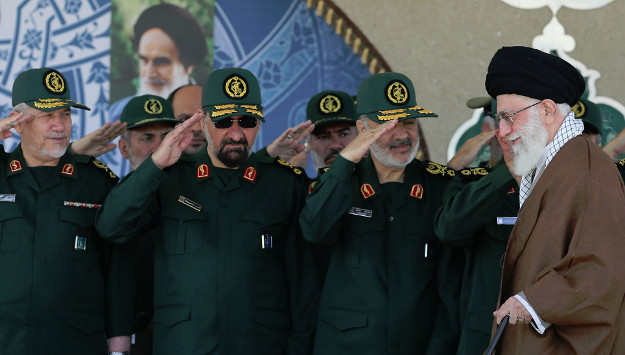
With the Islamic State collapsing in Iraq and losing ground in Syria, Iran and its regional proxies see the United States as the primary threat to their influence and ambitions and have stepped up efforts to oust the U.S. military from the region. Through diplomatic outreach – and at times veiled threats – Iranian leaders have been urging the Afghan and Iraqi governments to expel American forces from their countries. Tehran has also deepened its ties with the Taliban and has reportedly teamed up with Moscow to undermine U.S.-led stabilization efforts in war-torn Afghanistan.
The Durand Line: A British Legacy Plaguing Afghan-Pakistani Relations
The Durand Line issue has continued to complicate the unpredictable nature of the Afghan-Pakistani relationship since the birth of Pakistan. Constant tension haunts their neighborly relations, as apprehensions and suspicions co-exist with some affable gestures. No Afghan government, including the present one headed by President Ashraf Ghani, has ever recognized the legitimacy of the Durand Line, which runs through mountainous terrain and remains largely unpoliced.
Iran Blames U.S. Policies for Kabul Attack and Extremism in Afghanistan
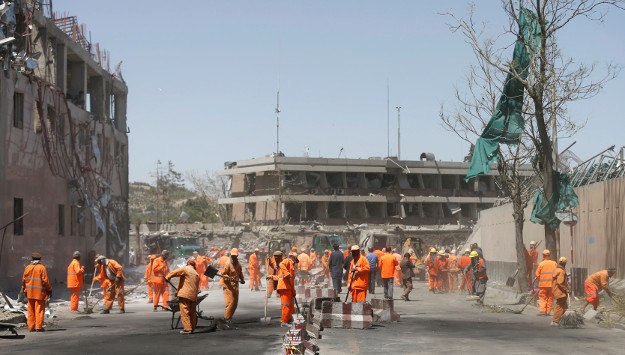
Reacting to today’s deadly bombing in Kabul, Iranian leaders and media outlets blamed U.S. policies and military presence in Afghanistan for growing extremism and instability in the war-ravaged country. Iran’s Foreign Minister Javad Zarif said the Kabul attack shows “Takfiri terrorism recognizes no boundaries” and called on regional countries to act in unison to fight terrorism instead of seeking help from outsiders – an apparent reference to the United States, which has more than 8,000 troops in Afghanistan training and assisting the country’s security forces.
The Saudi-Iran Factor in Pakistan’s Sunni-Shia Conflict
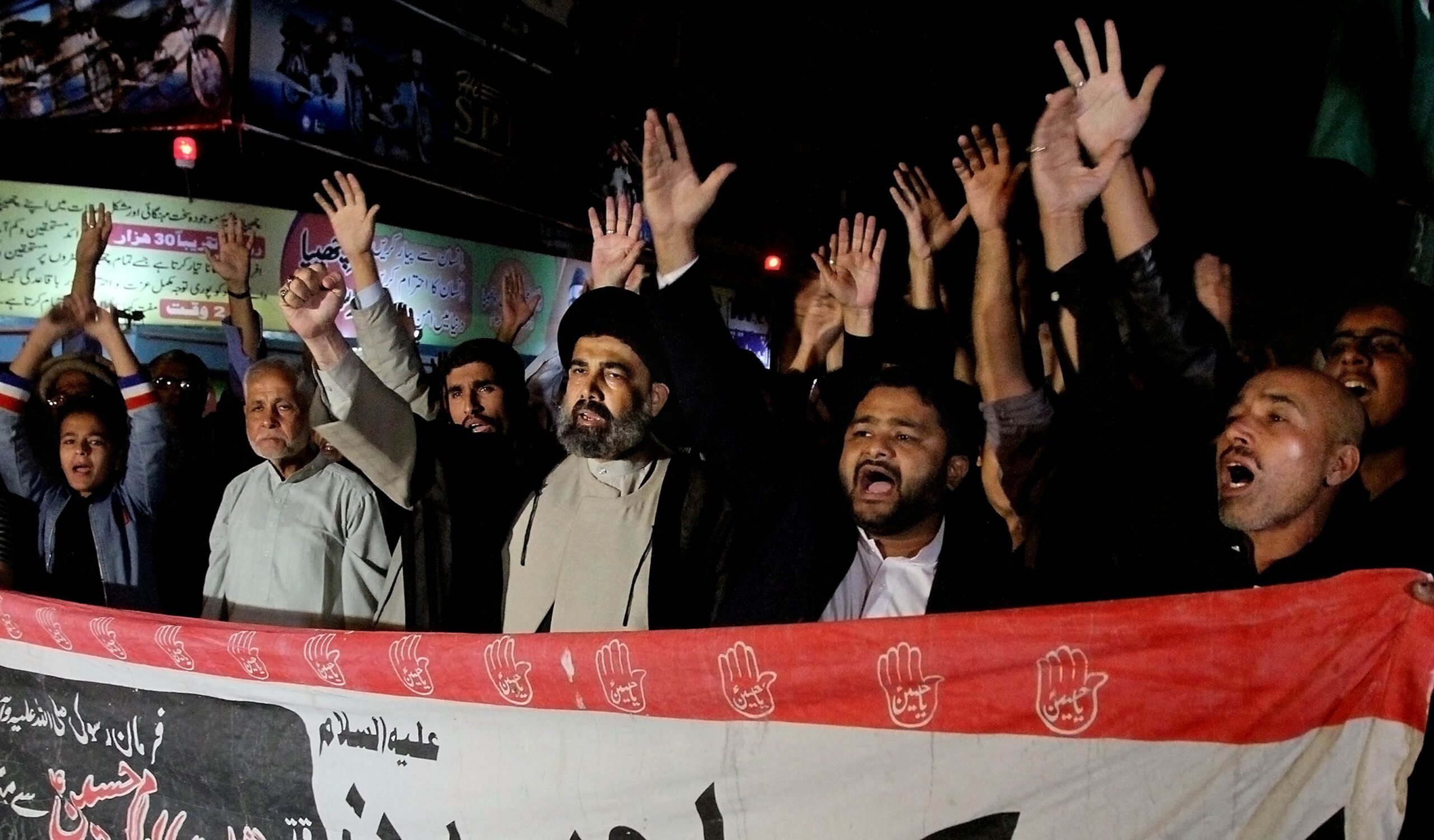
This essay examines the effects of the Saudi-Iran rivalry on Sunni-Shia relations in Pakistan. The essay shows that this rivalry, which has sectarian undertones and is partly responsible for the continuing Syrian civil war, has not only complicated Pakistan’s relations with Riyadh and Tehran but has exacerbated Sunni-Shia tensions domestically. Pakistan’s predicament has become even more complicated in light of the recent Trump-led Arab Islamic American Summit.
Monday Briefing: Chances for MidEast Peace Remote under Trump
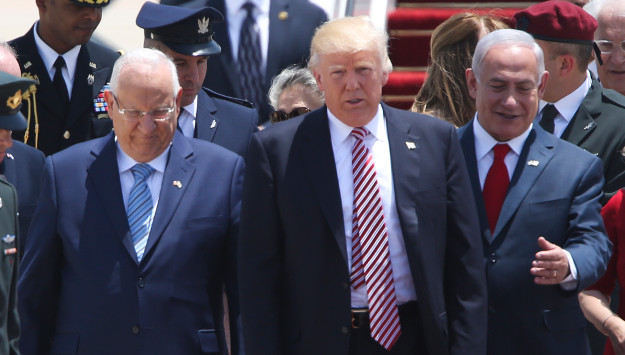
In this week’s Monday Briefing, MEI experts Yousef Munayyer, Alex Vatanka, Jonathan M. Winer, and Marvin G. Weinbaum provide analysis on recent and upcoming events including President Trump’s trip to Israel and the prospects for a peace process, the reelection of Iranian President Hassan Rouhani, Russia’s planned naval drill off the coast of Libya this week, and the Afghan Taliban’s decision to reject peace talks.
Accusations are mounting that Iran is ramping up its engagement with the Taliban in Afghanistan. Like a lot of Iran’s murky foreign policy, it is difficult to separate the wheat from the chaff. The three questions that need to be answered to clear up the murky relationship between Iran and the Taliban are: why the change in Iran’s policy; when did this policy change occur; and what is the level of support afforded to the Taliban?
The India-U.A.E. Strategic Partnership in Regional Context: A Zero-Sum Game?
Since the government of Narendra Modi took office in 2014, India and the U.A.E. have moved relatively quickly to consolidate their existing ties and to explore new areas of cooperation. During this time, they have elevated the relationship to a comprehensive strategic partnership, with the expressed intention of extending their cooperation to the security and defense spheres. This essay discusses these recent developments, with particular attention to the role of Pakistan as a constraining factor in India-U.A.E. relations going forward.
Pakistan Protests Top Iranian Military Official’s Cross-Border Attack Warning
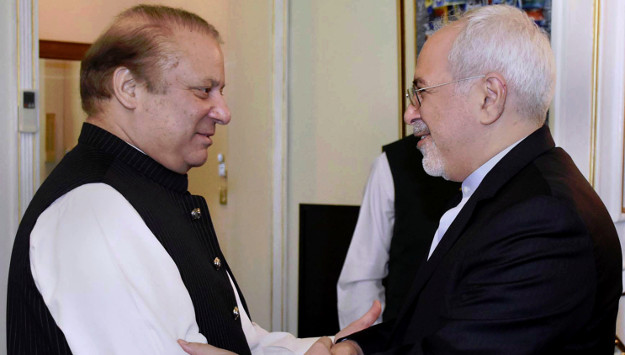
Tension between Iran and Pakistan over the latest killing of 10 Iranian border guards continues to escalate despite an agreement between leaders of the two countries last week to jointly tackle cross-border issues.
Afghan Paper Accuses Tehran of “Double Game” as FM Zarif Visits Kabul
An editorial in Afghanistan’s largest daily Hasht-e Sobh accuses the Iranian government of “playing a double game” in Afghanistan. The article analyzes Iranian Foreign Minister Javad Zarif’s weekend visit to Kabul and warns that such diplomatic outreach would yield no results unless the Iranian government cuts ties with terrorist groups fighting in Afghanistan. “Iranian Foreign Minister Javad Zarif’s trip to Kabul was an opportunity for high-ranking officials of the national unity government to share Afghanistan’s legitimate concerns with him,” the paper stressed.
The oldest peer-reviewed publication dedicated to the study of the modern Middle East, MEI’s flagship journal covers politics, society, and culture in the region.