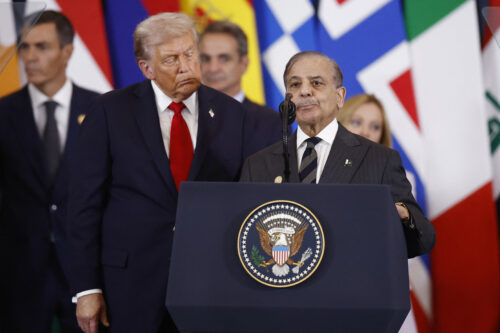
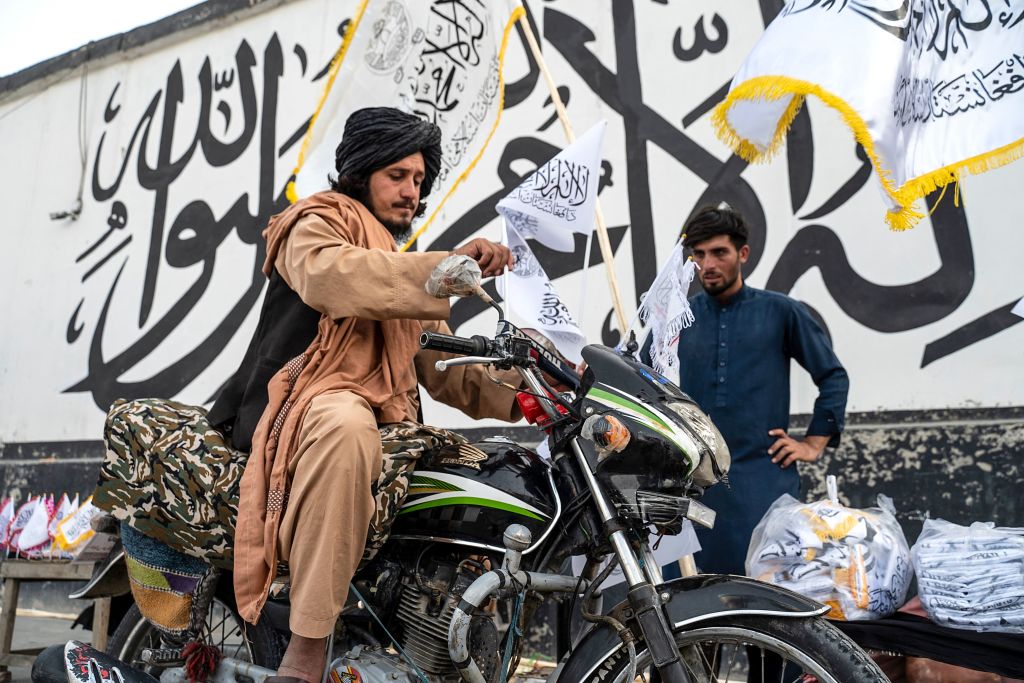
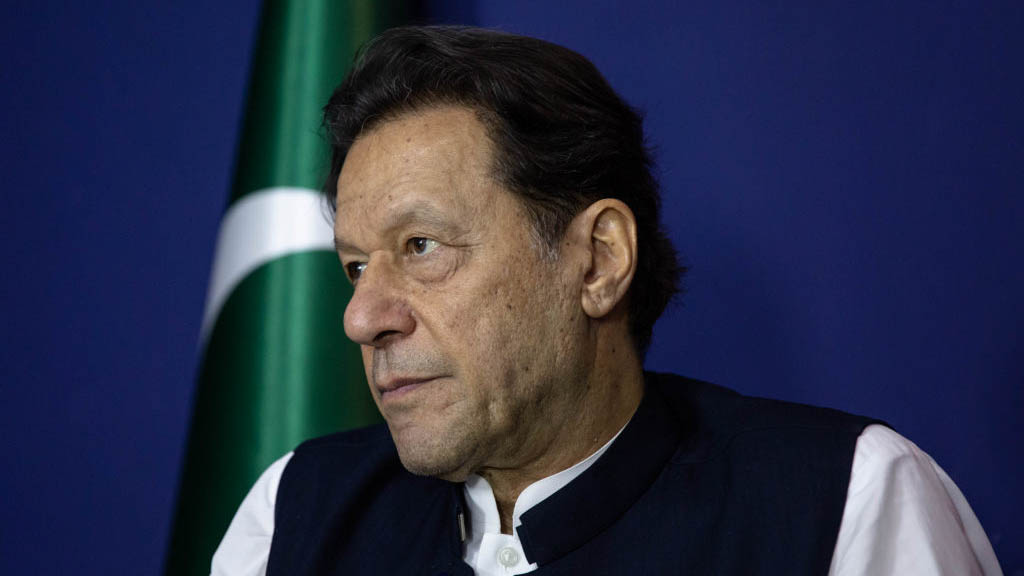
As it fights on four separate but connected fronts, Pakistan’s military is employing more force and less tolerance for public dissent. The result is not strength, but instead a widening set of vulnerabilities that will undermine Pakistan.
The Mecca Joint Défense Agreement: A New Geometry of Middle Eastern Power?
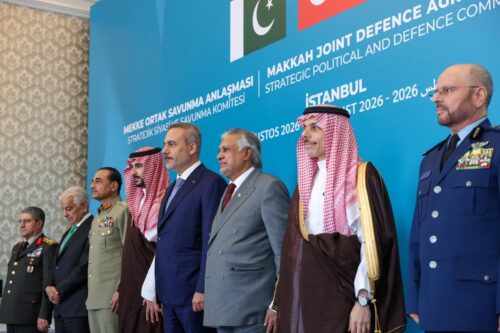
On August 7, 2026, Saudi Arabia, Turkey, and Pakistan signed the Mecca Joint Défense Agreement, a collective-defense pact widely compared to NATO’s Article 5. This essay argues that the comparison is misleading. Mecca borrows NATO’s language of solidarity without yet possessing NATO’s institutional machinery, and the Houthi offensive against Saudi Arabia in September 2026 provided an early and revealing test of what the agreement actually means in practice. Neither Pakistan nor Turkey automatically entered the fight on Saudi Arabia’s behalf, and Washington, despite an initial reluctance to strike directly, remained indispensable through intelligence support and a major proposed F-35 sale. Drawing on realist alliance theory — Hans Morgenthau, Kenneth Waltz, Stephen Walt, Glenn Snyder, and Steven David — and on the precedent of the Central Treaty Organization (CENTO), the essay contends that the Middle East is not dividing into rival blocs but moving from hierarchy toward a looser, overlapping geometry of hedged partnerships, in which American exclusivity is eroding considerably faster than American primacy.
The Mecca Alliance Meets the Red Sea – Saudi Arabia’s New Defense Pact Faces Its First Major Test
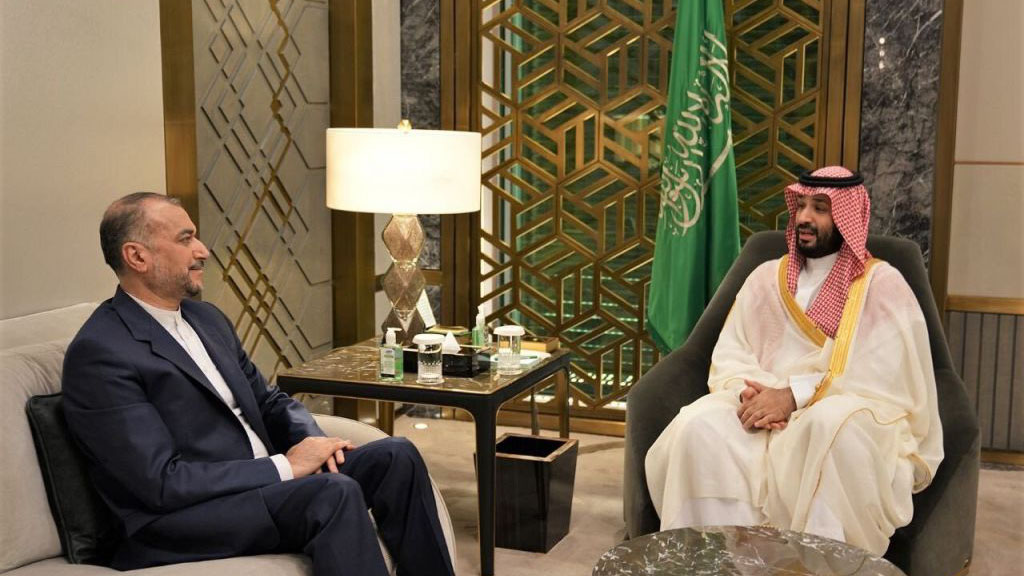
When Saudi Arabia, Turkey and Pakistan agreed to a mutual defense pact in August, it was principally seen as a political commitment. The “Mecca alliance,” as it was dubbed, stipulated that an armed attack on one would be treated as an attack on all three, accompanied by deeper military cooperation.
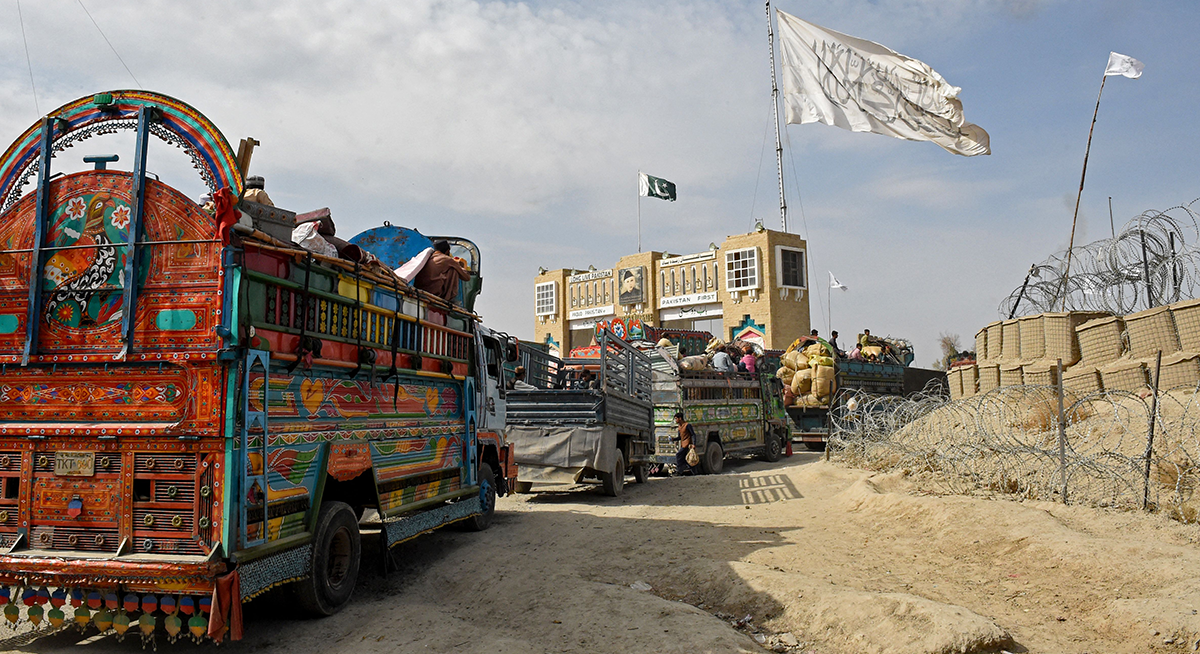
Afghan refugees as victims of Pakistan and Afghanistan’s clashing security interests
For decades Pakistan has threatened to deport its undocumented Afghan refugees, but Islamabad has never undertaken a campaign to oust Afghans on anything like the scale now underway. Whether voluntarily or through force, Pakistan’s interim administration, backed by the senior military leadership, seems determined to rapidly uproot 1.7 million of the estimated 3.5 million Afghans believed to be in the country. The government’s decision comes at a terrible time given the conditions in Afghanistan and the feared humanitarian impact.
Earthquake in Afghanistan: Natural disasters, international isolation, and Taliban incapacity
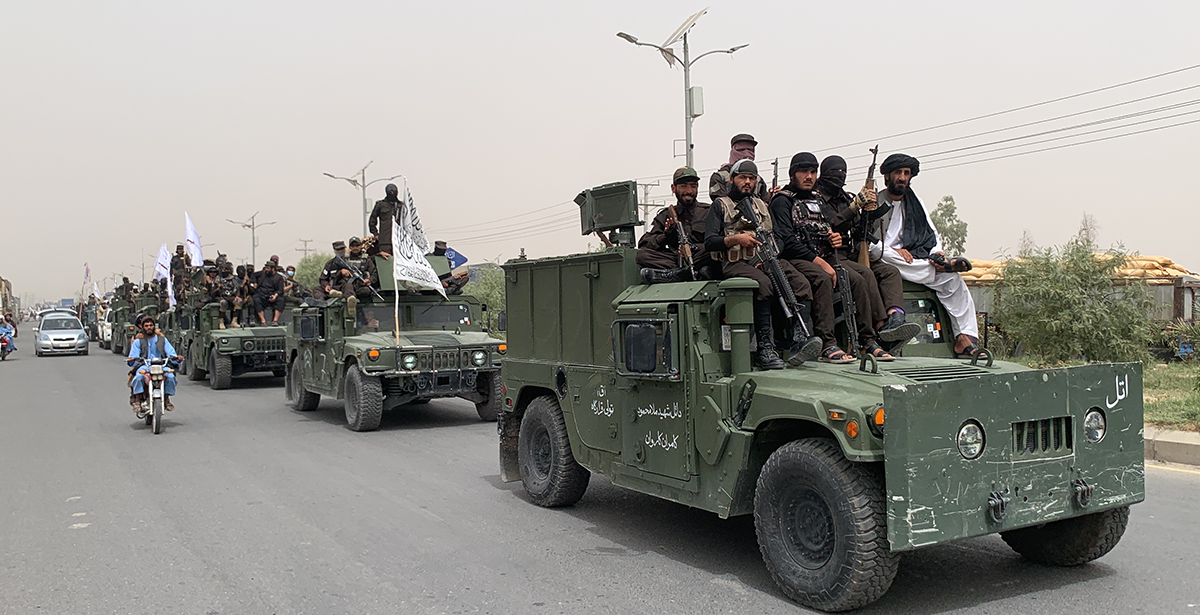
On Oct. 15, a third earthquake hit western Afghanistan’s Herat province within the span of roughly one week. The Taliban’s international isolation has neither compelled the Taliban to change its behavior nor improved its capacity to respond to such disasters. A new policy for Afghanistan is long overdue and must place Afghans at the center of the debate. It’s time for the international community to wake up to that stark reality and respond to thehumanitarian crises turning Afghanistan into a black hole.
Myths and realities of ‘gender apartheid’ in Afghanistan under the Taliban
The dire state of girls and women in Afghanistan under the Taliban, a tragedy that has featured frequently in international media reports in the last two years, came up for discussion in the United Nations Security Council (UNSC) on September 27. The UNSC convened for an open briefing, followed by consultations focusing on the severe restrictions imposed on the rights of women and girls in the country.
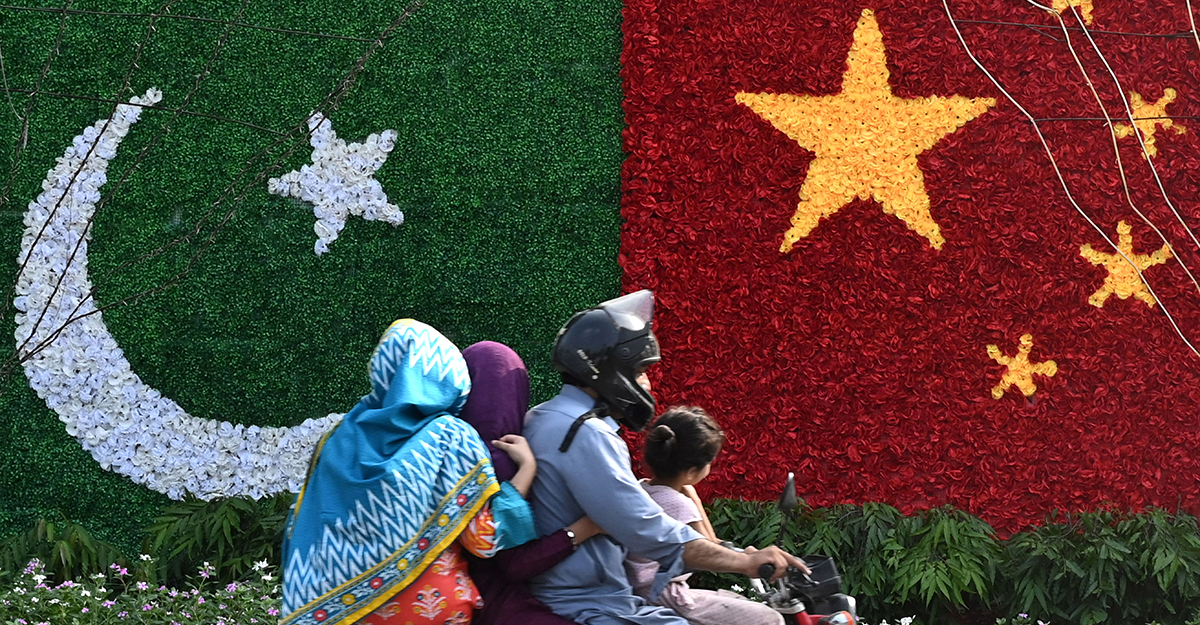
Beyond diplomacy: Charting China's multifaceted partnership with Pakistan
Pakistan’s intensifying economic, political, and security instability is not good news for China’s strategic investments. So, what are Beijing’s options?
Pakistan’s interim government: A challenging road ahead
After the conclusion of the 16-month rule of the Pakistan Democratic Movement (PDM), the appointment of a new caretaker government has created uncertainty. This raises doubts about whether Pakistan will smoothly transition to another democratic government or if the caretaker setup will exceed its constitutional mandate.
Making sense of the Taliban’s counterterrorism assurances
Two years on from the Taliban’s takeover of Kabul, Afghanistan’s neighbors are increasingly concerned that their return to power has emboldened terrorist groups and networks, which are using the hospitable environment to regroup, rearm, and recruit substantially. The main question now for Afghanistan’s neighbors in the region, and the international community more broadly, is just how reliable the Taliban’s counterterrorism assurances to other states really are.
The oldest peer-reviewed publication dedicated to the study of the modern Middle East, MEI’s flagship journal covers politics, society, and culture in the region.