The Americans Are Gone. Will Iraq’s Militias Disarm?
On September 30, the US completed its military withdrawal from Iraq, ending a 12-year-long mission to combat ISIS that began in 2014. The date was also meant to be the deadline for disarming the largely Iranian-backed militias known as the Popular Mobilization Forces (PMF), but Prime Minister Ali al-Zaidi has now pushed that cutoff back to June 30, 2027. MEI Distinguished Diplomatic Fellow Amb. (ret.) Robert S. Ford joins hosts Alistair Taylor and Matthew Czekaj to discuss what the US military withdrawal means for Iraqi security and the nature of the bilateral relationship going forward. They also speak about what it will take for Baghdad to bring the PMF militias to heel, and how Iraq may navigate the post-Iran war era.
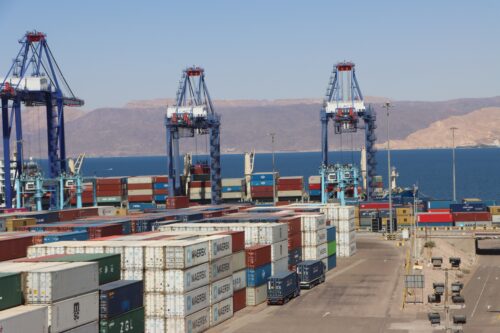
Jordan’s Economy Weathers Iran War’s Shocks and Finds New Opportunities
In the summer of 2003, King Abdullah II told Bloomberg Jordan sits “between Iraq and a hard place,” a play on words designed to describe the kingdom’s challenging environment to an American audience amid the US-led Iraq war to the east and the lingering Palestinian-Israeli conflict to the west. Jordan is grappling with a much “harder place” today.
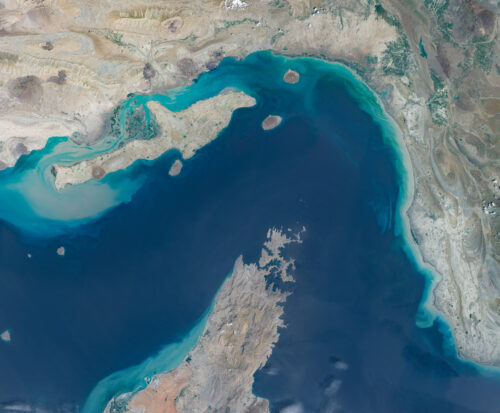
Proponents of the war with Iran have taken recent increases in crude-oil flows through the Strait of Hormuz as proof that the US strategy is finally working. President Trump is so confident in this that he recently rejected a seven-day plan, set forward by Iran’s foreign ministry, to end the war and open the strait. The United States is “winning tremendously,” Trump boasted.
Iran’s Recruitment of Afghan, Pakistani Shiites Fuels Sectarianism
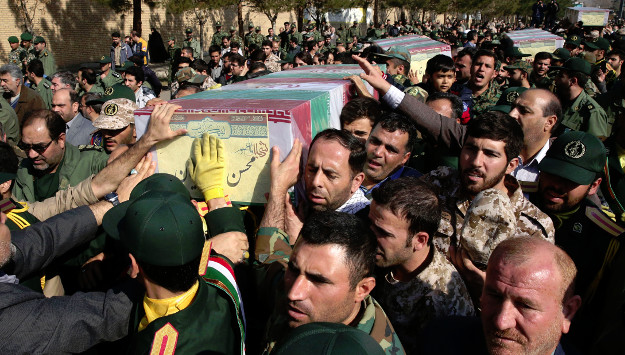
On November 30, hundreds of people gathered in the Iranian city of Qom to attend the funeral procession of several Afghan and Pakistani Shiites killed in Syria.
Tycoon's Death Penalty Points to Oil Corruption in Iran
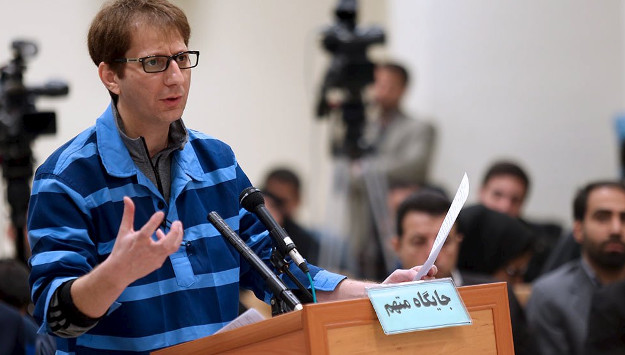
The Iranian media reports that the country’s Supreme Court has upheld the death sentence for Babak Zanjani, an Iranian billionaire convicted in a high-profile oil corruption case. In March, a court in Iran had convicted him of being “
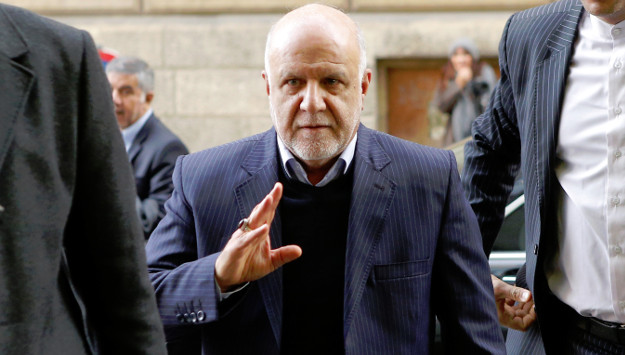
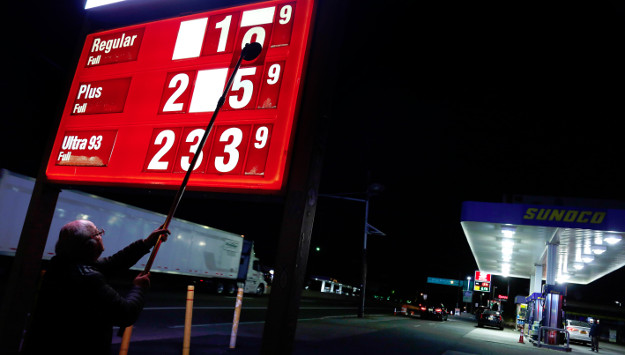
In Tehran, the November 30 decision by OPEC to cut oil production by member states was predictably a big deal. This, however, was not just about the economics of the event. Sure, the price of crude oil shot up by 10% on the announcement. It was the first time in eight years that OPEC states had agreed to a collective production cut.
But in Tehran, the other big news was that Iran – OPEC’s third-biggest producer – had escaped the call for it to cut back its production. On the other hand, Iran’s biggest regional rival, Saudi Arabia, agreed to a steep cut.
Iranian Authorities Intensify Acts of Repression against Artists
Mehdi Rajabian, an Iranian musician serving a three-year jail term at Tehran’s Evin prison, is being treated for internal bleeding at a hospital. But the country’s judiciary has demanded that he return to prison, disregarding his serious medical condition.
A Revolutionary Court in 2015 found Rajabian, his filmmaker brother Hossein Rajabian, and their musician friend Yousel Emadi guilty of “insulting Islamic sanctities” and “illegal audio-visual activities.”
Iran’s Fars News Agency (FNA) reports that Syria’s army has formed a new elite force called the Al-Filq Al-Khamis-Eqteham (Fifth Assault Corps) and is calling on volunteers to join the group.
New Findings about Iran’s Arms Aid to Houthis Alarm Gulf Nations
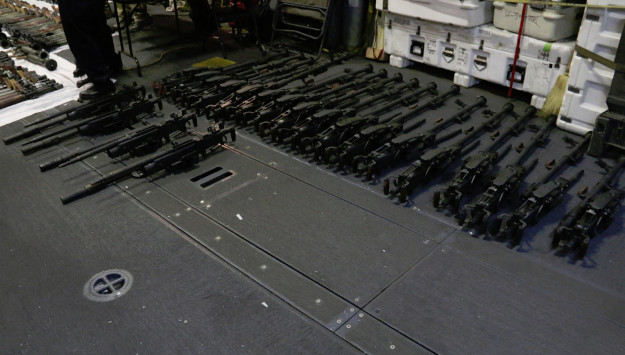
It is no longer a secret that Iran assists Shiite Houthi group to fight the Saudi-backed government of Abdrabbuh Mansur Hadi in Yemen. But a new report published on November 30 provides new evidence of an arms “pipeline” originating from Iran and extending to Yemen and Somalia.
After months of protracted discussions, OPEC members reached a consensus on November 30 to cut collective oil production next year by about 4.5 percent. The news about the first reduction in eight years pushed up oil prices by eight percent to above $50 a barrel. According to the deal, Iran will keep its production level at 3.8 million barrels per day (bpd) – almost the same amount as its pre-sanctions output.
IRGC Hails Shiite Militias’ Success but Sunnis Voice Concern
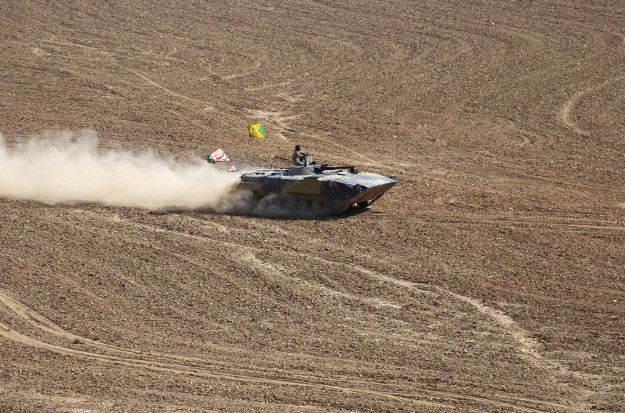
With Shiite militia forces scoring territorial gains in Iraq and Syria, the Islamic Revolution Guards Corps (IRGC) feels vindicated. In numerous interviews with Iranian media outlets, senior IRGC officials claim that their support for the Popular Mobilization Forces (PMF) in Iraq and Shiite militant groups in Syria has not only saved the two countries from “terrorists and takfiris” but has also warded off the threat of terrorism from spilling over into the Iranian territory.
Iran Continues to Arrest Dual-Nationals for Ransom
Richard Ratcliffe, the husband of a British-Iranian woman jailed in Iran’s notorious Evin Prison, says that Islamic Revolution Guard Corps (IRGC) officials are using his wife as a “bargaining chip” to secure a decades-old £500 [$620] million debt for a tank deal from the British government.
Erdoğan’s Syria Remark Angers Iran, Russia and Syria
Turkish President Recep Tayyip Erdoğan’s November 29 remark that Turkey intervened in Syria to topple President Bashar al-Assad has drawn a sharp rebuke from Tehran, Damascus and Moscow.
For Rouhani’s Reelection, It’s Still the Economy, Stupid
The Central Bank of Iran (CBI) has announced that the inflation rate for the past 12 months stood at 8.6 percent – down from 11.9 percent from the same period the year before. Previously, the Statistical Center of Iran had put this year’s figure at 7.5 percent.
The oldest peer-reviewed publication dedicated to the study of the modern Middle East, MEI’s flagship journal covers politics, society, and culture in the region.