The Americans Are Gone. Will Iraq’s Militias Disarm?
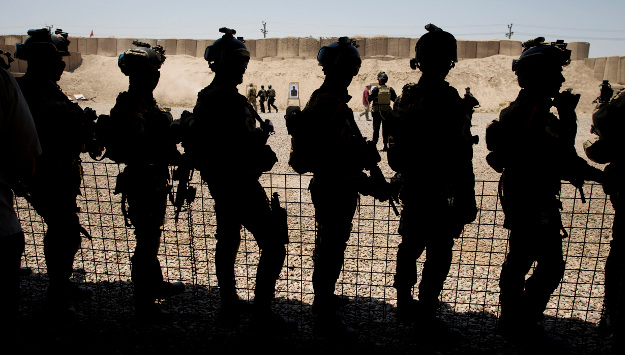
On September 30, the US completed its military withdrawal from Iraq, ending a 12-year-long mission to combat ISIS that began in 2014. The date was also meant to be the deadline for disarming the largely Iranian-backed militias known as the Popular Mobilization Forces (PMF), but Prime Minister Ali al-Zaidi has now pushed that cutoff back to June 30, 2027. MEI Distinguished Diplomatic Fellow Amb. (ret.) Robert S. Ford joins hosts Alistair Taylor and Matthew Czekaj to discuss what the US military withdrawal means for Iraqi security and the nature of the bilateral relationship going forward. They also speak about what it will take for Baghdad to bring the PMF militias to heel, and how Iraq may navigate the post-Iran war era.
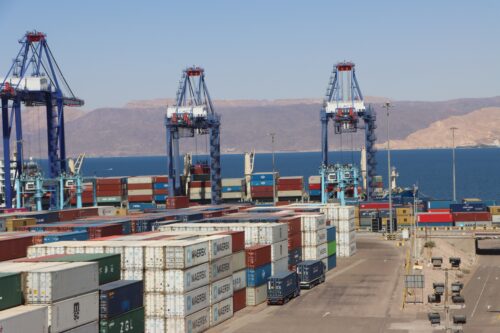
Jordan’s Economy Weathers Iran War’s Shocks and Finds New Opportunities
In the summer of 2003, King Abdullah II told Bloomberg Jordan sits “between Iraq and a hard place,” a play on words designed to describe the kingdom’s challenging environment to an American audience amid the US-led Iraq war to the east and the lingering Palestinian-Israeli conflict to the west. Jordan is grappling with a much “harder place” today.
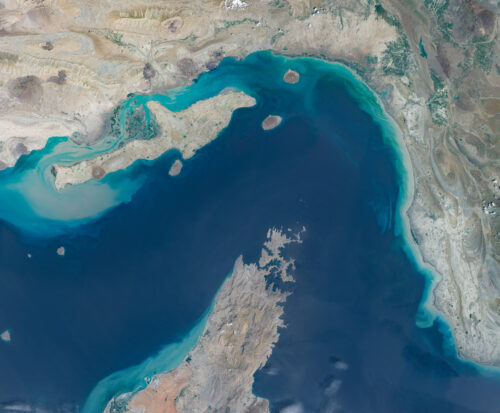
Proponents of the war with Iran have taken recent increases in crude-oil flows through the Strait of Hormuz as proof that the US strategy is finally working. President Trump is so confident in this that he recently rejected a seven-day plan, set forward by Iran’s foreign ministry, to end the war and open the strait. The United States is “winning tremendously,” Trump boasted.
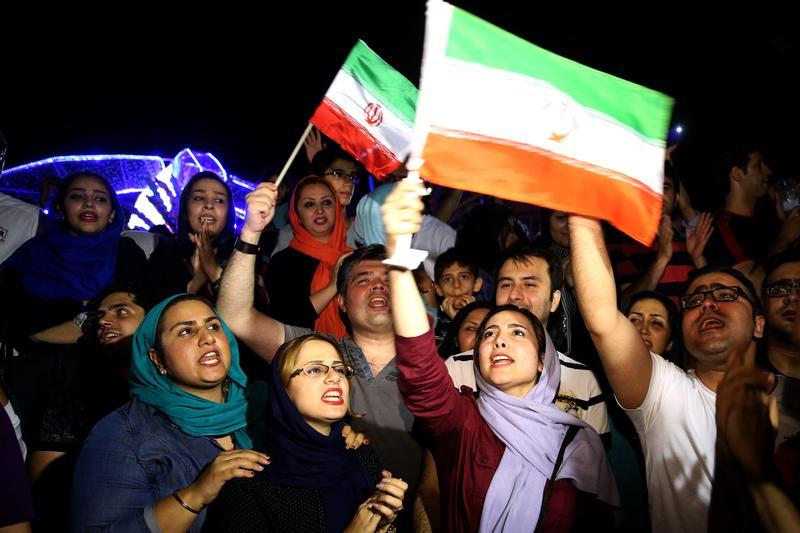
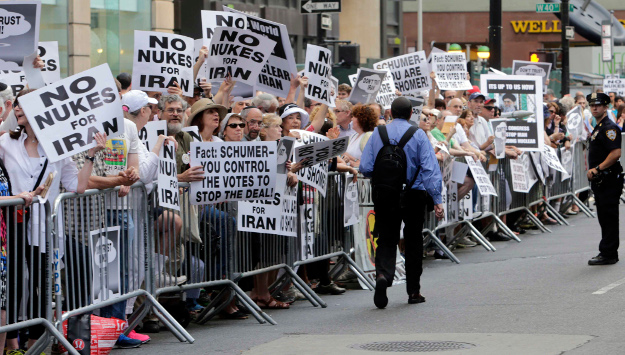
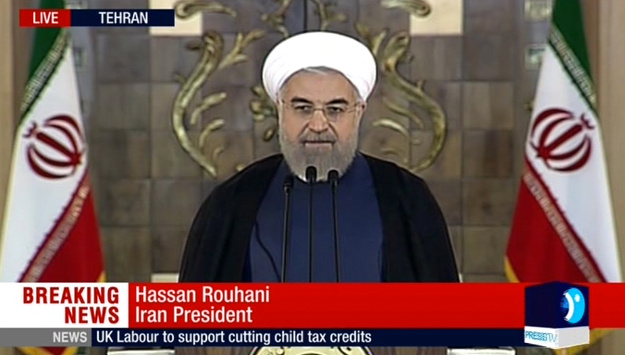
In the United States the nuclear deal with Iran has become a political football of historic proportions, but that hasn’t been the case in Iran. Why not? Most likely it is because for Iran’s Supreme Leader, Ayatollah Ali Khamenei, there is no viable alternative to the Joint Comprehensive Plan of Action (JCPOA). It’s a choice between a deal with the world community or more isolation and economic pain, as well as the social-political uncertainty at home that could come with it.
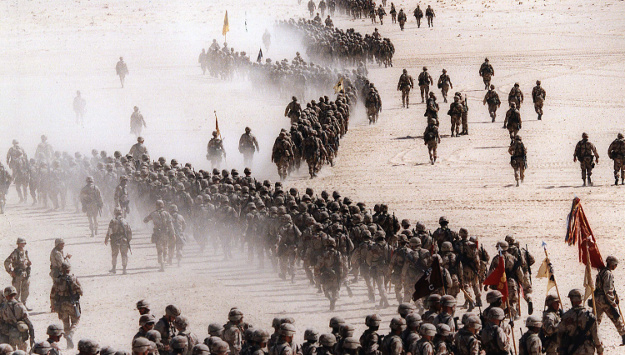
Twenty-five years ago, on August 7th 1990, an American interagency team walked into an urgent meeting with King Fahd of Saudi Arabia, not knowing what would happen. A week earlier Iraq had seized Kuwait. The Americans feared that the Iraqi Army might keep going, seizing the Saudi oil fields. As a result of decisions made at that August 7th meeting, Iraq and terrorism have dominated American foreign policy for three decades and continue to do so.
If the hallmark of al-Qa‘ida was to execute simultaneous spectacular attacks to advance its strategic momentum, the month of Ramadan in June and July showed that the Islamic State (ISIS) is taking this tactic to a new level. Yet the extreme amounts of blood shed during the holy month will likely ultimately weaken ISIS, as tribes and other groups in Syria and Iraq, even more appalled by the organization’s barbarism, unite against it.
The flow of oil and gas from the Persian Gulf to East Asia has rejuvenated the ancient Silk Road, refashioning new networks of collaboration. The energy trade―the backbone of Sino-Middle Eastern ties―has provided the foundation for an increasingly diversified and robust set of relationships between China and the Gulf monarchies. The multidimensional strategic partnership between China and the UAE, in particular, is illustrative of this broader pattern.
This article was first published on NPR’s Parallels blog.
It started so well. When Saddam Hussein’s Iraq invaded Kuwait on Aug. 2, 1990, the United States swiftly cobbled together a broad coalition, unleashed a stunning new generation of air power and waged a lightning ground offensive that lasted all of four days. Iraqi troops were so desperate to quit that some surrendered to Western journalists armed only with notebooks.
Education: The Key to Women’s Empowerment in Saudi Arabia?
In recent news from Saudi Arabia: religious police filmed berating a fully veiled woman for not wearing gloves; a cleric’s fatwa against women watching football to prevent them from staring at men’s thighs; and a woman sentenced to 70 lashes for insulting her husband on WhatsApp.[1] At the same time, the Saudi education ministry released statistics showing that women constitute almost 52 percent of university graduates inside the kingdom, while more than 35,000 female Saudis studied abroad in 2014.
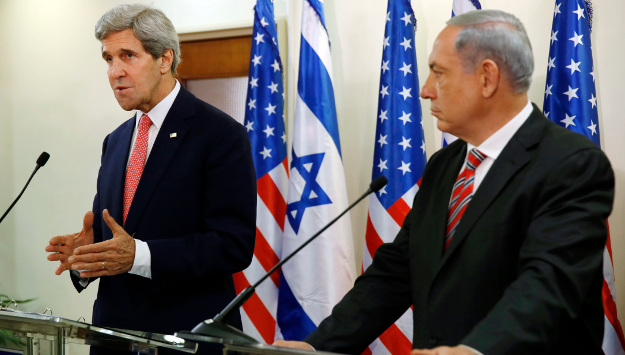
Here are some criticisms of the Iran deal that contain at least a kernel of truth; they are worth addressing for the sake of clarifying some of the arguments pro and con.
The Iran nuclear deal has only one big surprise: it is consistent with the April 2 “parameters” that preceded it and contains no surprises. No one caved. Nothing got walked back.
Iran Nuclear Deal: A Platform for Future Cooperation?
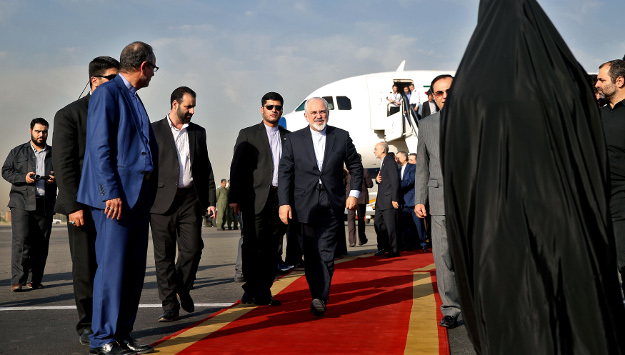
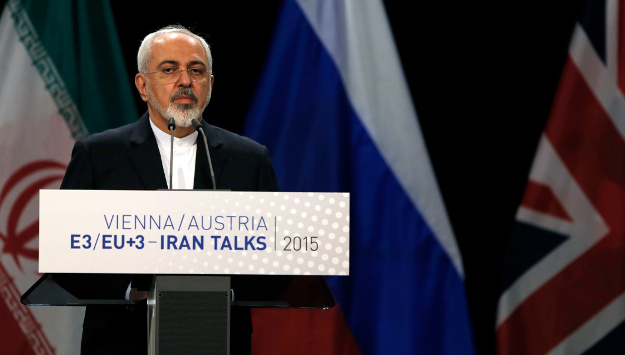
MEI interviewed Senior Fellow Alex Vatanka about the historic nuclear agreement between Iran and the P5+1 that was reached on July 14, 2015, and how it may impact regional dynamics and the long-term relationship between Iran and the West.
The oldest peer-reviewed publication dedicated to the study of the modern Middle East, MEI’s flagship journal covers politics, society, and culture in the region.