The Strategic Cost of Palestinian Powerlessness
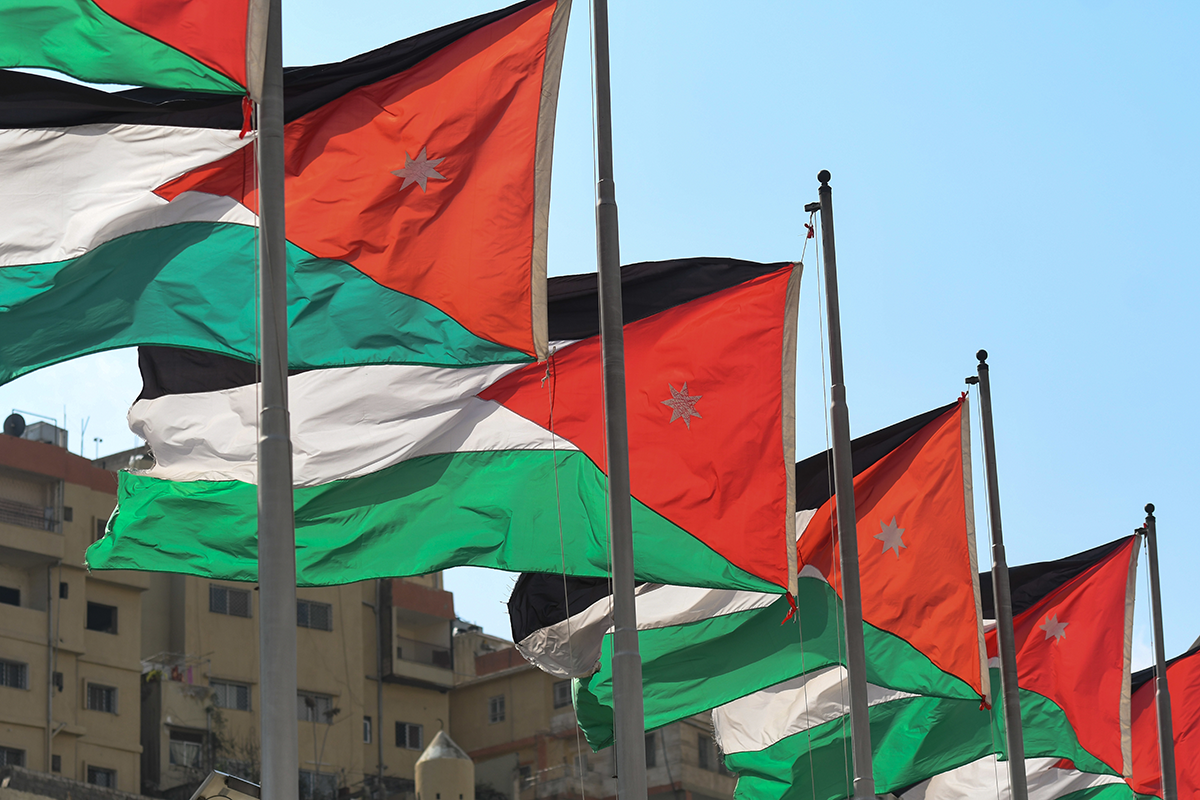
This report considers the lack of Palestinian political agency as a driver of regional insecurity that must be resolved before wider conflicts can be settled. The author analyses the conditions that contributed to the destruction of Palestinian political capacity, including Israeli policies, Palestinian shortcomings, and exploitation by Iran, and makes recommendations for an Arab strategic initiative.
Iran’s New Grand Design: The Next Evolution of the Axis of Resistance
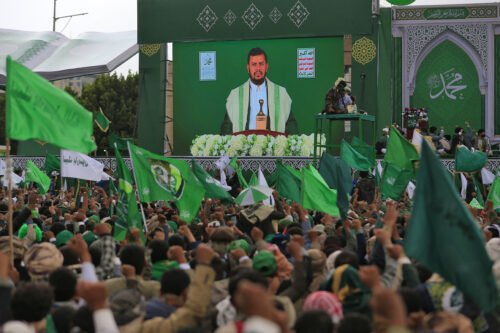
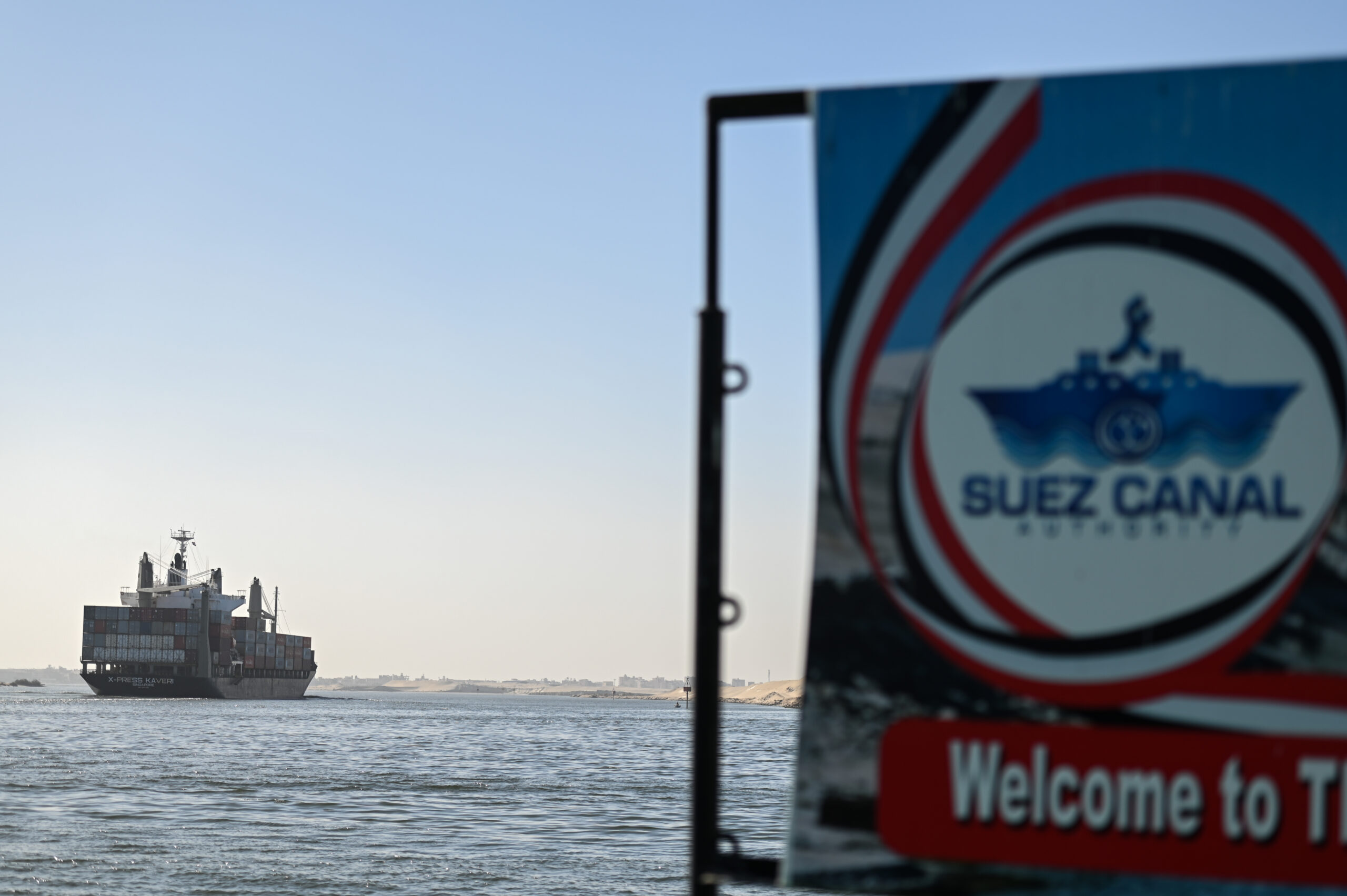
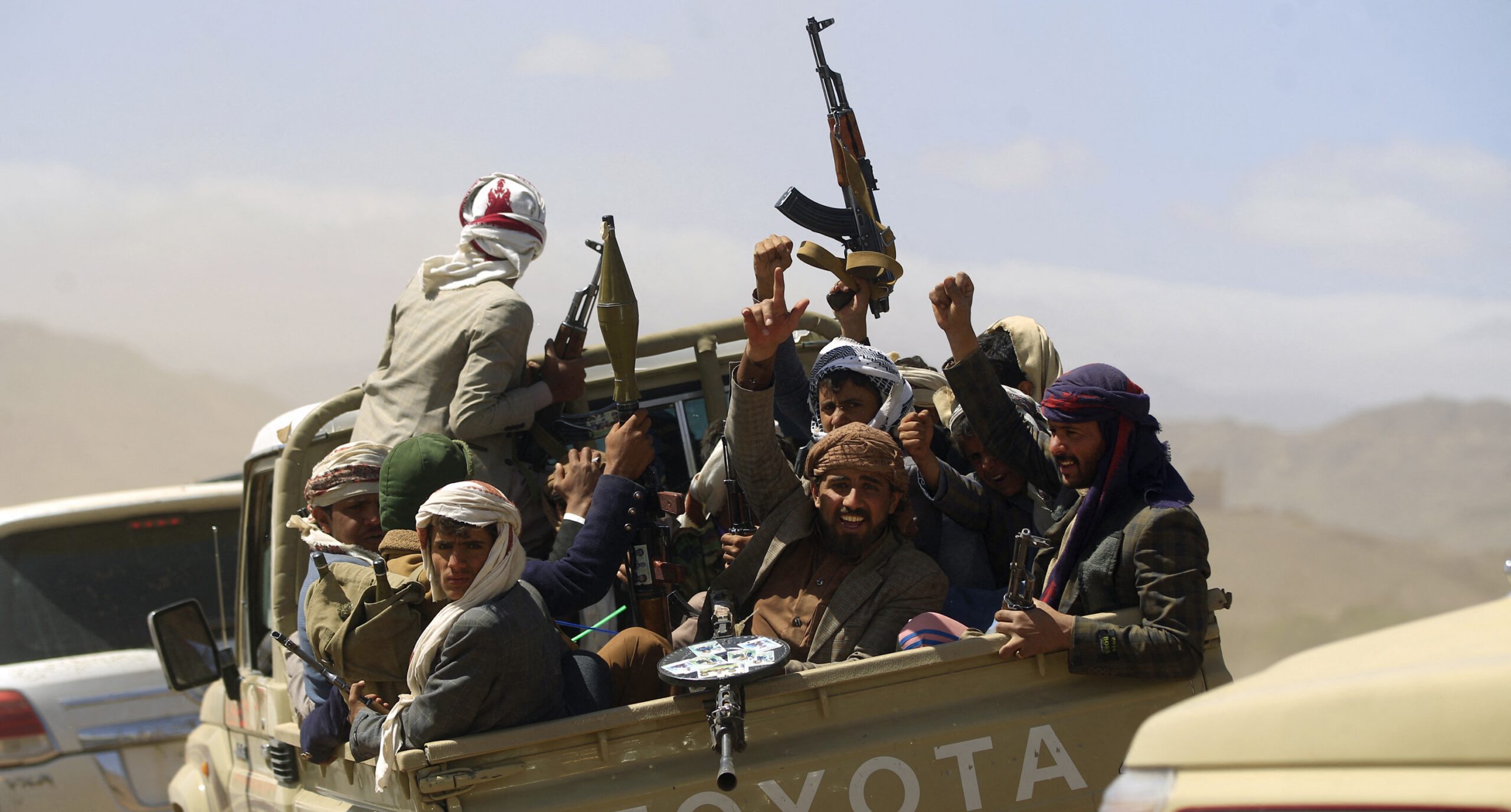
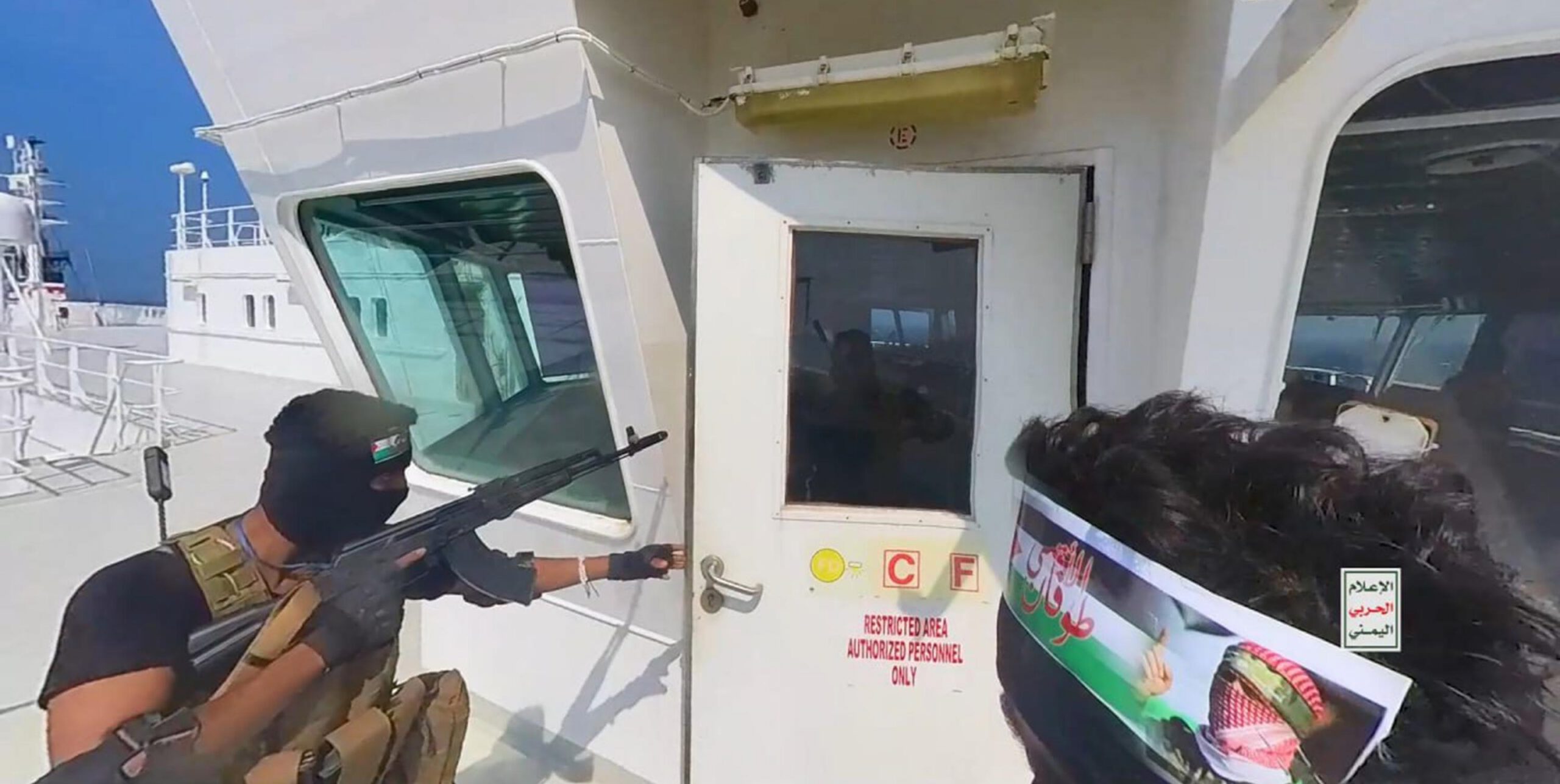
Iran is transforming its Axis of Resistance into a decentralized, Yemen-centered network that leverages the Houthis to threaten both the Strait of Hormuz and the Bab el-Mandeb, extending Tehran’s coercive reach over the world’s key maritime chokepoints and reshaping the post-war balance in the Middle East and Red Sea.
Featured Experts
MEI Art Gallery – August First Friday Open House
In the eye of the storm: The battle over fossil fuels at COP28
As the existential threat of climate change continues to intensify, the future of fossil fuels has been thrust into the international spotlight. Reducing hydrocarbon production and consumption has gained traction in international climate talks amid warnings that the window to avoid catastrophic warming is closing quickly.
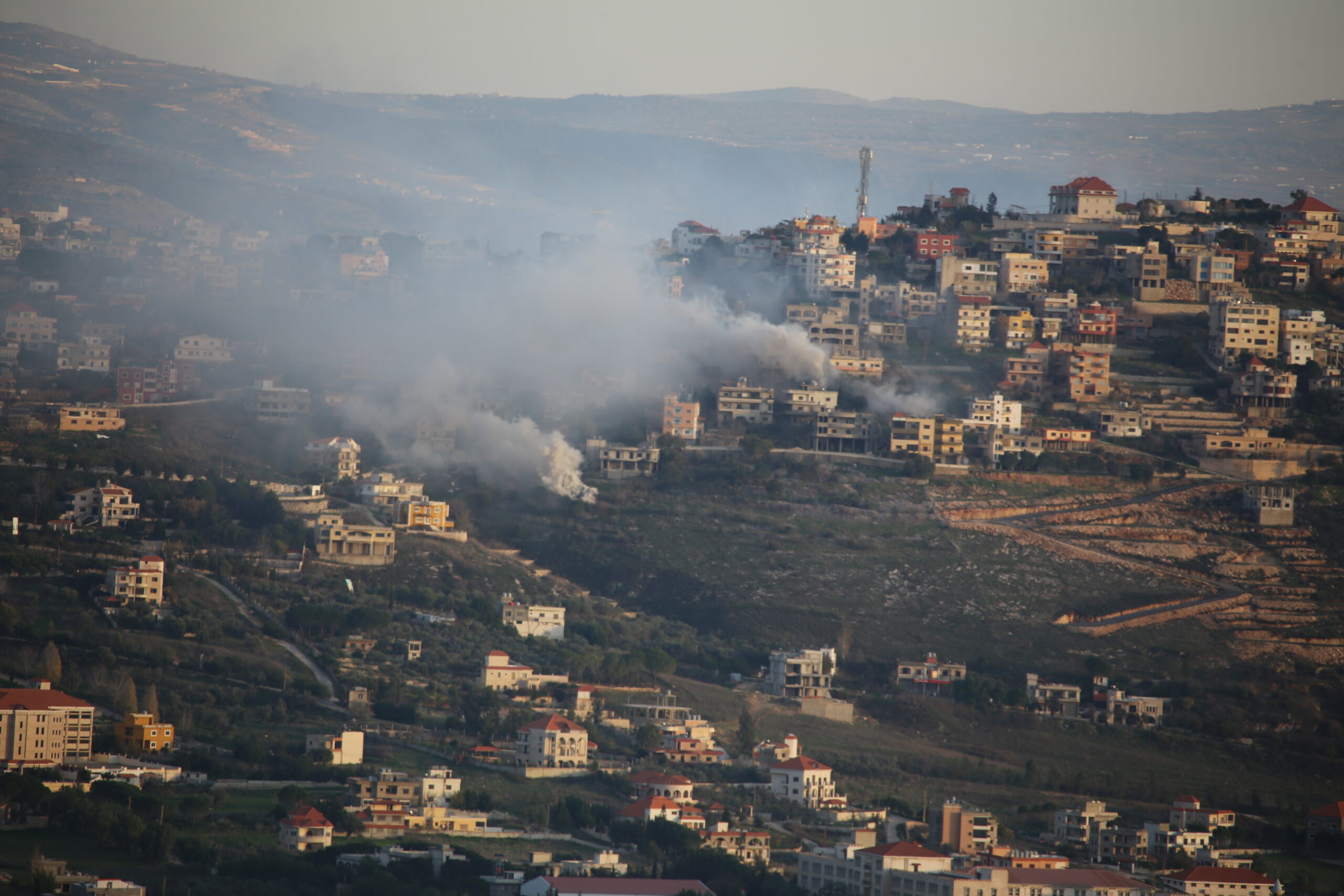
Special Briefing: A new Israel-Gaza war and regional reverberations
Expert regional analysis by MEI scholars and contributors.
MEI Side Events | UNFCCC Regional Climate Week: Middle East and North Africa
The US Cyber Workforce and Education Strategy: A blueprint for building cyber talent in the Gulf
In July 2023, the White House released the National Cyber Workforce and Education Strategy. The strategy is designed to address the cybersecurity workforce shortage by emphasizing skills-based hiring and lifelong learning. It also provides guidance for other nations, particularly in the Gulf region, as they undergo their own digital transformation and work toward gender equality in their workforces.
Monday Briefing: Third war over Karabakh crystallizes a new balance of power in the South Caucasus
Read MEI’s weekly briefing featuring expert analysis of key regional developments for the week ahead.
Treading Cautiously on Shifting Sands: An Assessment of Biden’s Middle East Policy Approach, 2021-2023
This report provides an interim assessment of the Biden administration’s overall Middle East strategy and examines the strategic opportunities and risks for U.S. policy in the broader region.
Iran’s unification of the arenas campaign against Israel: Foundations and prospects
As Israel faces a relentless, unprecedentedly severe political crisis at home, in the regional theater Iran has amplified its anti-Israeli activities, undermining the efforts Israel undertook during 2020-22 to build up a common security front with neighboring Arab states against Tehran as well as to intensify various military operations against Iranian interests.
Special Briefing: Key Middle East takeaways from UNGA 2023
Read MEI’s weekly briefing featuring expert analysis of key regional developments for the week ahead.
Will BRICS membership recast Iran’s foreign policy?
Iran has said that its membership in the BRICS grouping of major emerging economies, announced at the BRICS summit in South Africa in late August, is an “historic achievement,” but what’s really driving Tehran’s actions and how much is its membership likely to achieve?
Bringing Iran to the climate action table
Iran has yet to ratify the 2015 Paris Agreement, but efforts to address the impact of climate change have great potential to create opportunities for mutually beneficial cooperation, building on the recent trend of regional de-escalation. Climate diplomacy represents an untapped opportunity for Iran to engage globally by incentivizing it to adopt the U.N. Sustainable Development Goals in exchange for sanctions or debt relief.
Key takeaways from Mohammed bin Salman’s Fox interview
Saudi Crown Prince Mohamed bin Salman’s interview on Wednesday night with Bret Baier of Fox News didn’t break news or produce controversy. But that wasn’t the point of his appearance on one of America’s top networks.
The war next door: Omani foreign policy toward Yemen
Over the past decade of turmoil, conflict, and external military intervention in Yemen, Oman’s foreign policy has emerged as the Gulf exception. Muscat has pursued a unique role, driven by both pragmatic concern and opportunity. It has harnessed its relations with most of the actors involved, including armed non-state actors, and sought to access new economic opportunities as part of its policies of strategic hedging, omni-balancing, and undeclared alignment.
Monday Briefing: UNGA week kicks off with a US-Iranian prisoner swap
Read MEI’s weekly briefing featuring expert analysis of key regional developments for the week ahead.
Deciphering Iran’s UNGA agenda: Lessons learned from past CICA summits
When the Iran’s President Ebrahim Raisi, visits New York for the opening of the UNGA this week, he will try to project a sense of confidence and argue that the Iranian regime is purportedly committed to building ties with its neighborhood by promoting and referring to its membership in various regional dialogue forums. Yet their existence has historically not moderated Iranian behavior.
A mixed report card: The Abraham Accords at three
As the original Abraham Accords signatories — Israel, the United Arab Emirates, and Bahrain — observe the third anniversary of their September 2020 agreement, there is a sufficient basis to evaluate whether the Abraham Accords are real, hype, or something in-between. Much like the case a year ago, the results so far remain mixed.
Read the Middle East Journal
The oldest peer-reviewed publication dedicated to the study of the modern Middle East, MEI’s flagship journal covers politics, society, and culture in the region.